

On Wednesday, we talked about the most important skill in investing: saying ‘no’ quickly.
As Berkshire’s Ajit Jain puts it, your base case as an investor should always be to pass, saving your time and capital for the rare pitch that hits you with a 2x4.
Today, we opening up our Yield and 52-Week Low trackers, and pulling out three Dividend Aristocrats that Mr.Market is currently putting on sale.
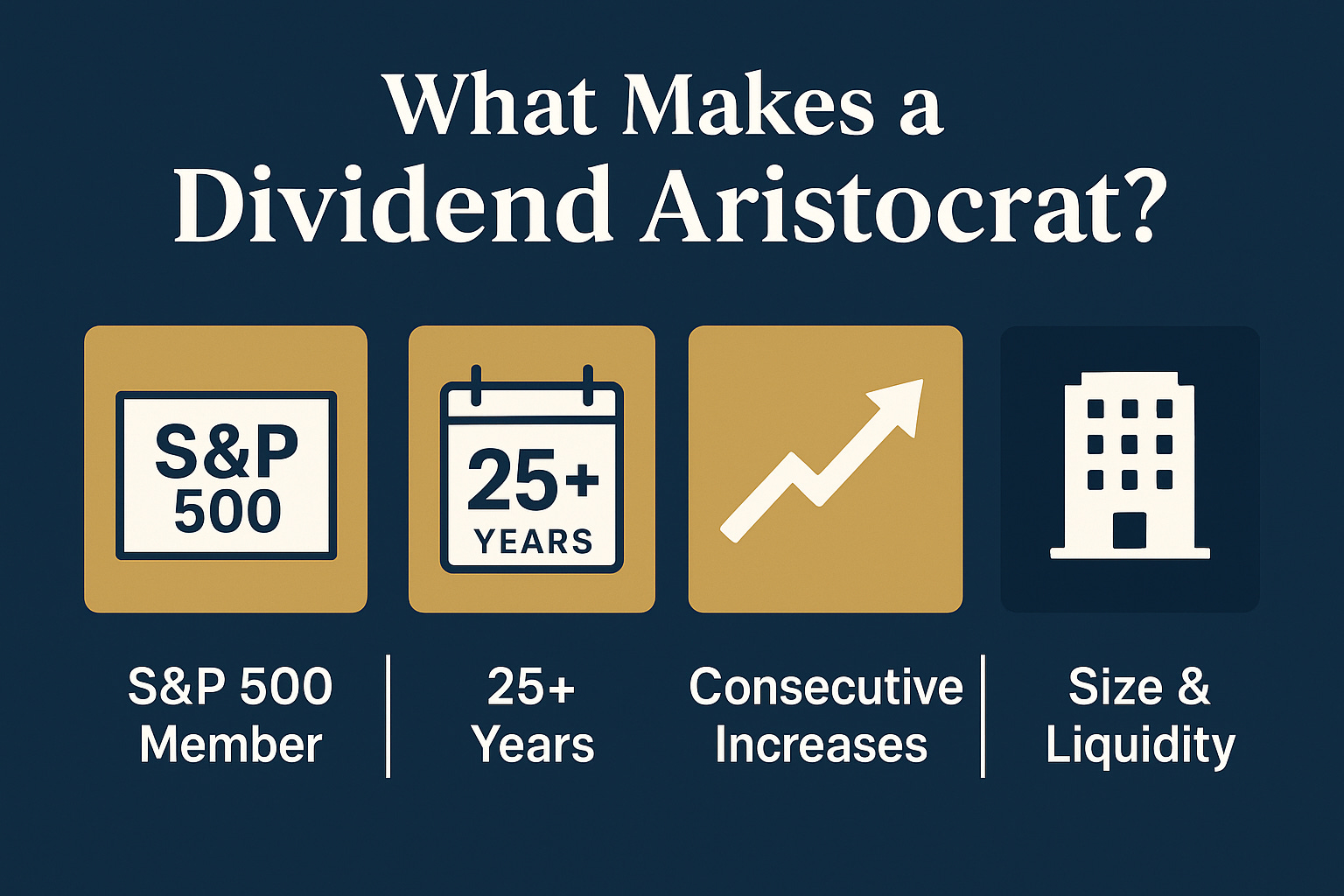
The goal is going to be to try to kill these ideas as fast as possible.
I always start with a few basic questions:
Do I understand how the company makes money?
Does this company interest me?
Can I make an educated guess about where this company will be in 10 years?
If the company makes it past those, then I start to look into the numbers, especially if the business has been growing, if the dividend looks safe, and how strong the balance sheet is.
Let’s open the spreadsheets and pick the first three Aristocrats.
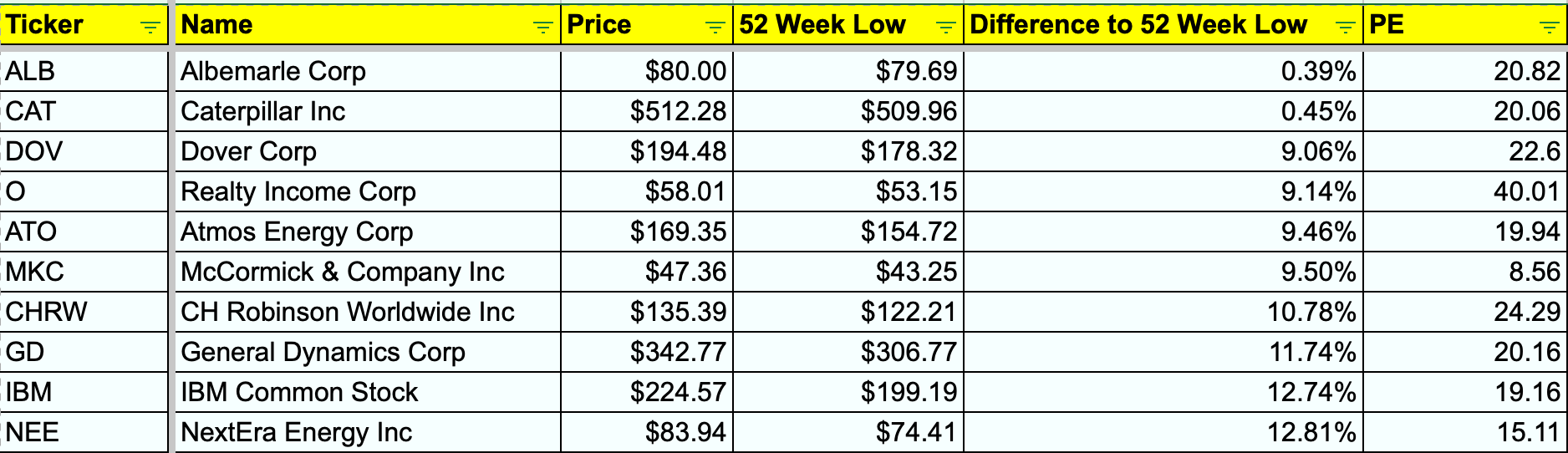
Here’s the companies closest to their 52-week lows:
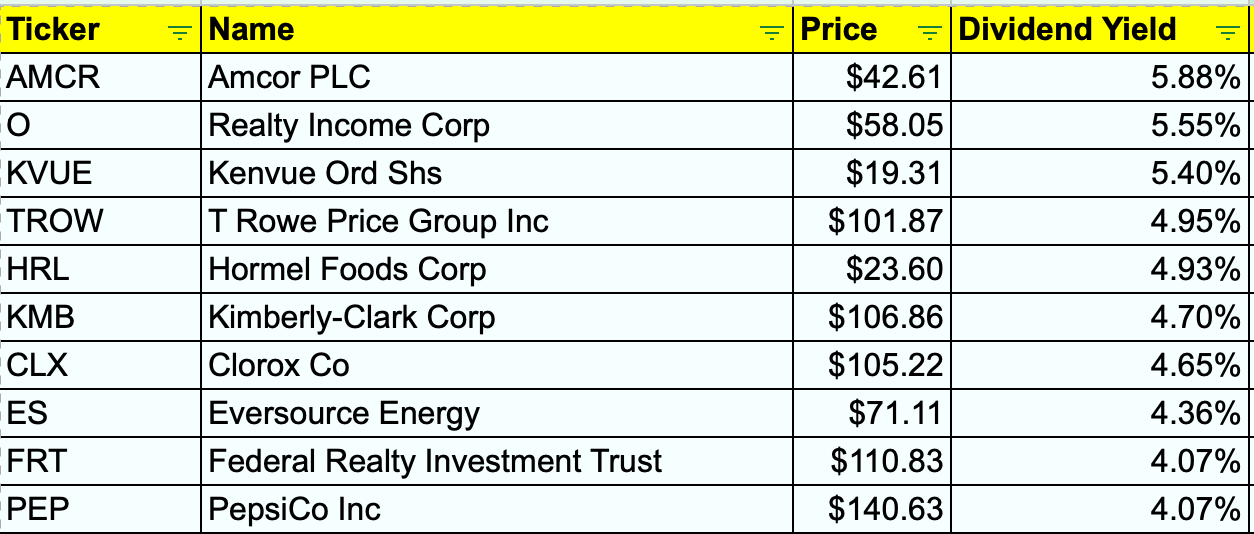
Here are the Aristocrats with the highest yields.
Let’s pick a few names to look into:
Albemarle Corp is the closest to its 52-week low
PepsiCo should be familiar to anyone reading this
General Dynamics stands out as a defense stock near its 52-week low
Albemarle Corp
Let’s see if we can figure out how the company makes money and if it’s interesting.
Here’s what Fiscal says:
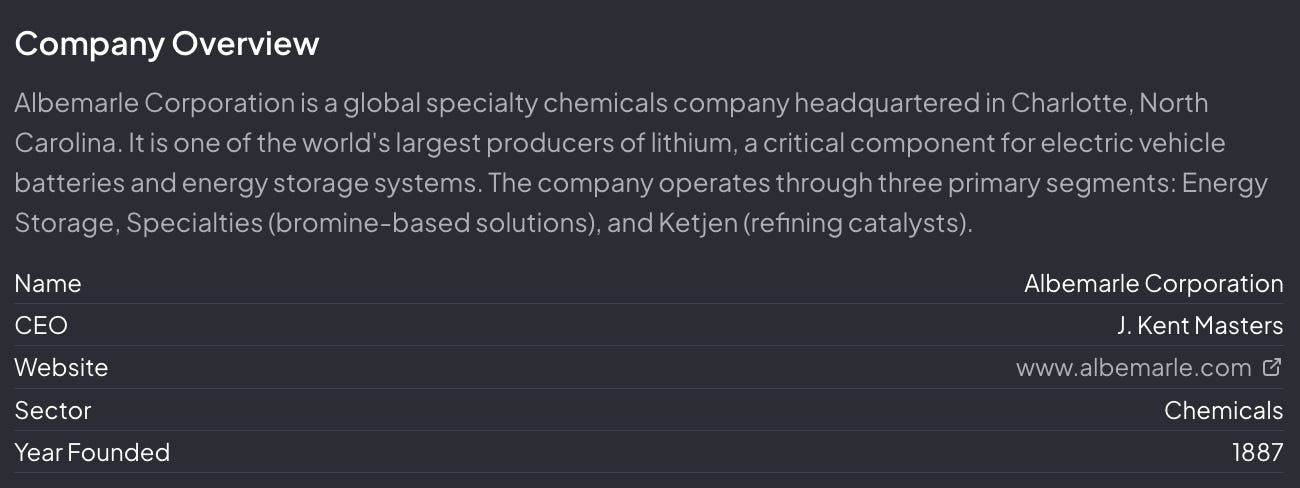
Can I understand this?
Yes, I think I can get my head around a chemical and lithium company.
Does it interest me?
Eh, not so sure about that one, but I won’t completely rule it out yet. Let’s move on to the final question:
Can I make an educated guess where it will be in 10 years?
Making a guess where Albemarle will be in a decade means making a guess about lithium demand and pricing.
Here’s the lithium price over the past 10 years:
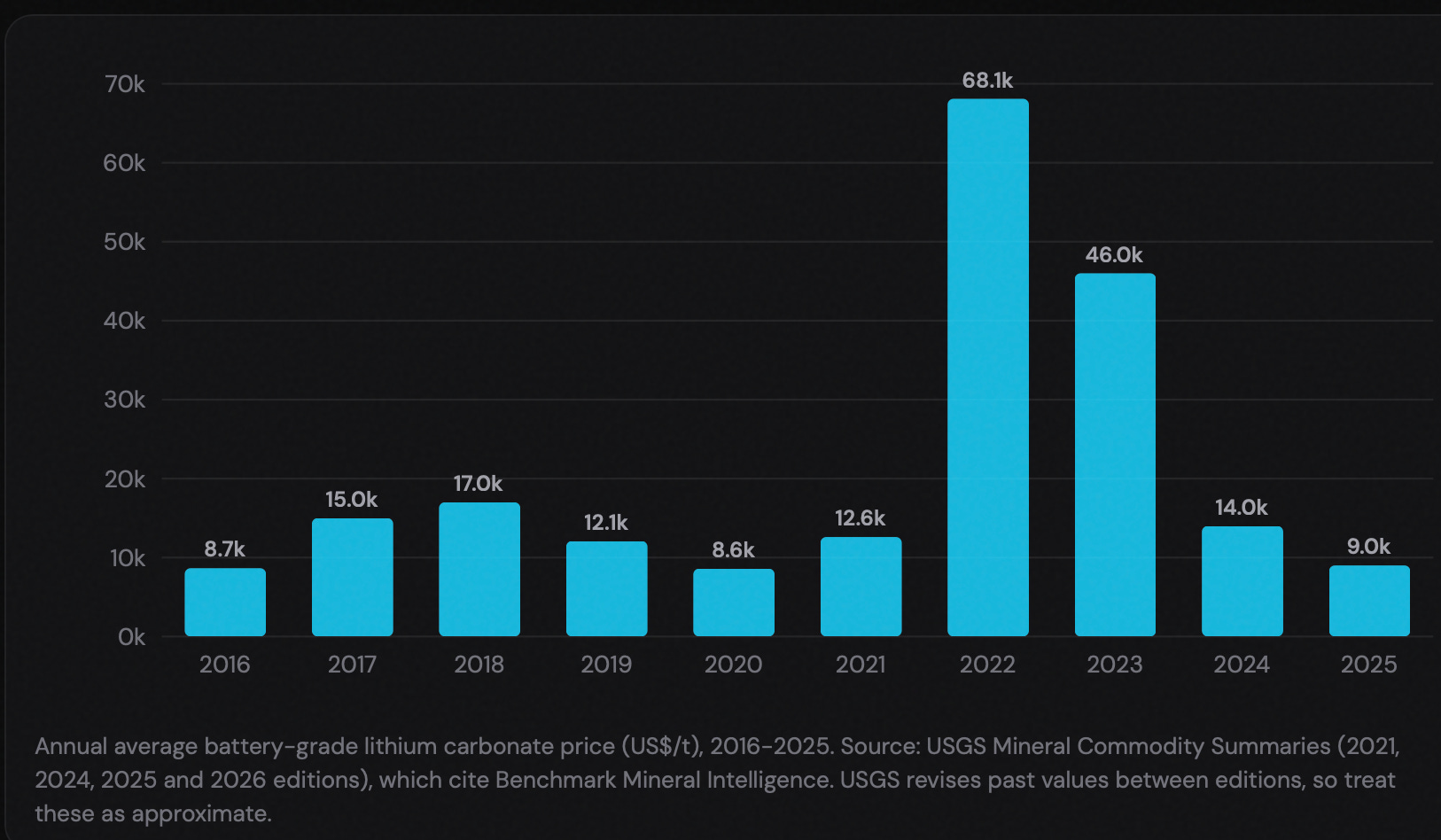
Considering this, along with all the research currently going on in battery technology (some of which doesn’t require lithium), I’m passing on looking more deeply into Albemarle right now.
I think it will be very hard to predict how things look for the company in a decade.
PepsiCo
I’ll give you the Fiscal description of PepsiCo, but it’s highly likely that you already know this one.
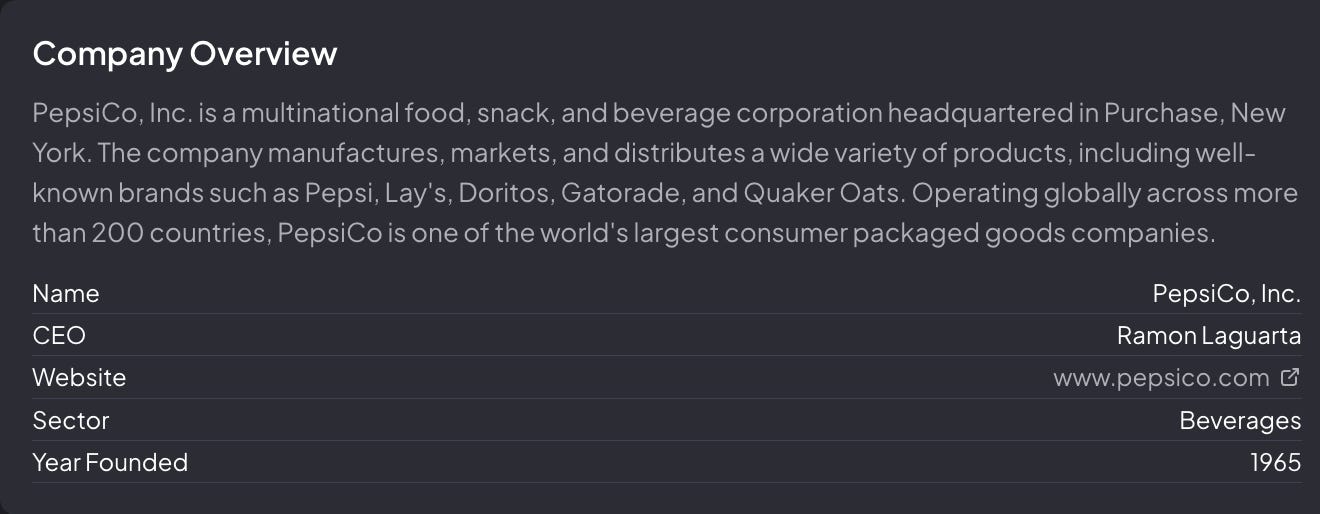
Can I understand this?
This is an easy ‘yes’ - snacks and drinks are pretty easy to understand.
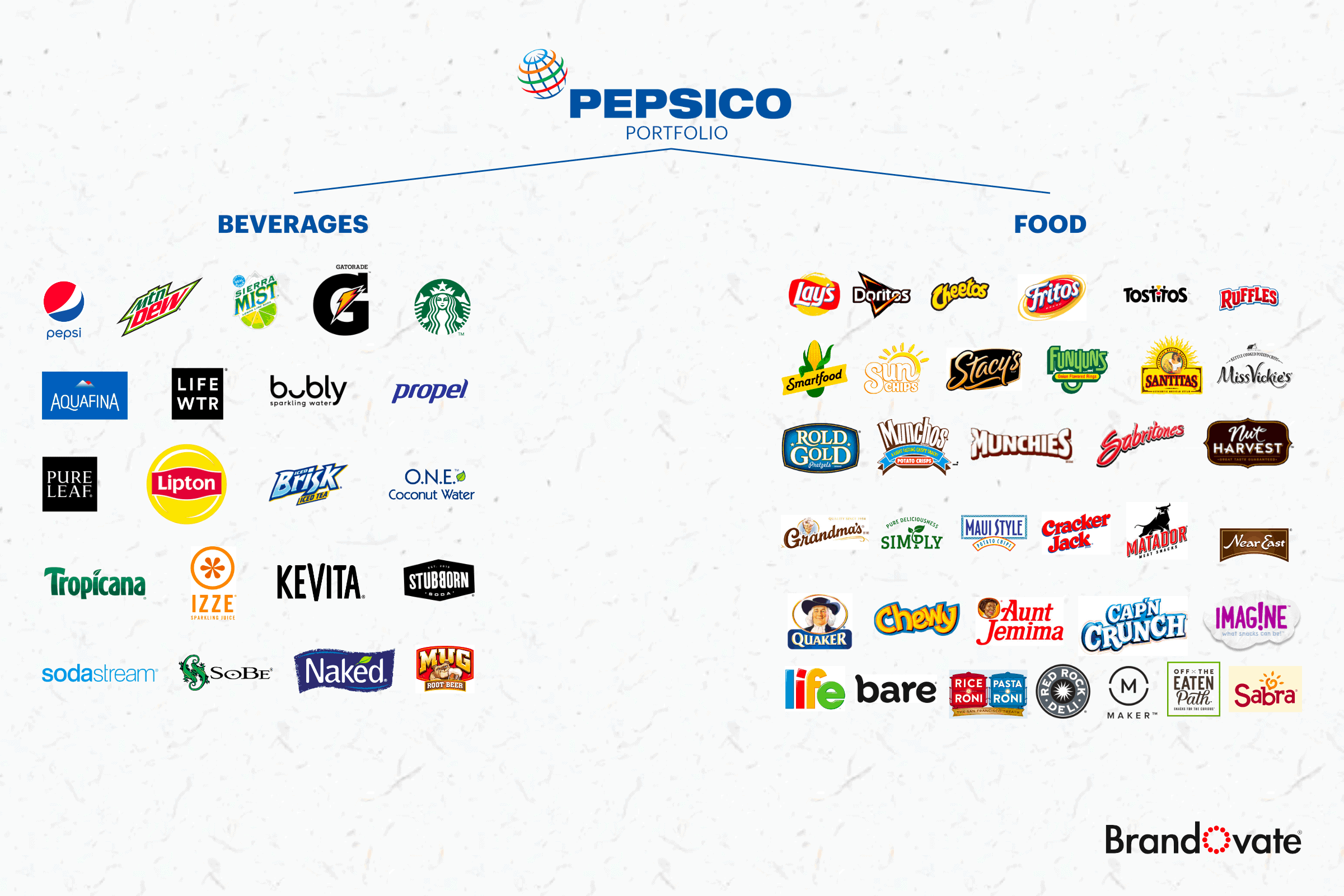
The hardest part here is probably getting your head around everything that PepsiCo owns:
Does it interest me?
Yes, I like plenty of Pepsi’s brands.
Snacks and drinks are consumed, so customers buy often, this is worth a closer look.
Can I make an educated guess where it will be in 10 years?
While there’s concern around what GLP-1s will do to demand, I have a hard time believing that in a decade humans won’t want sugary drinks and salty snacks.
PepsiCo has strong brands, and probably more importantly, distribution.
I think it’s a pretty safe assumption that PepsiCo will be around in a decade, and will probably be a larger company than it is today.
Great, we can move on to the numbers.
PepsiCo’s Financials
Fiscal gives us a great overview of a lot of the important metrics:
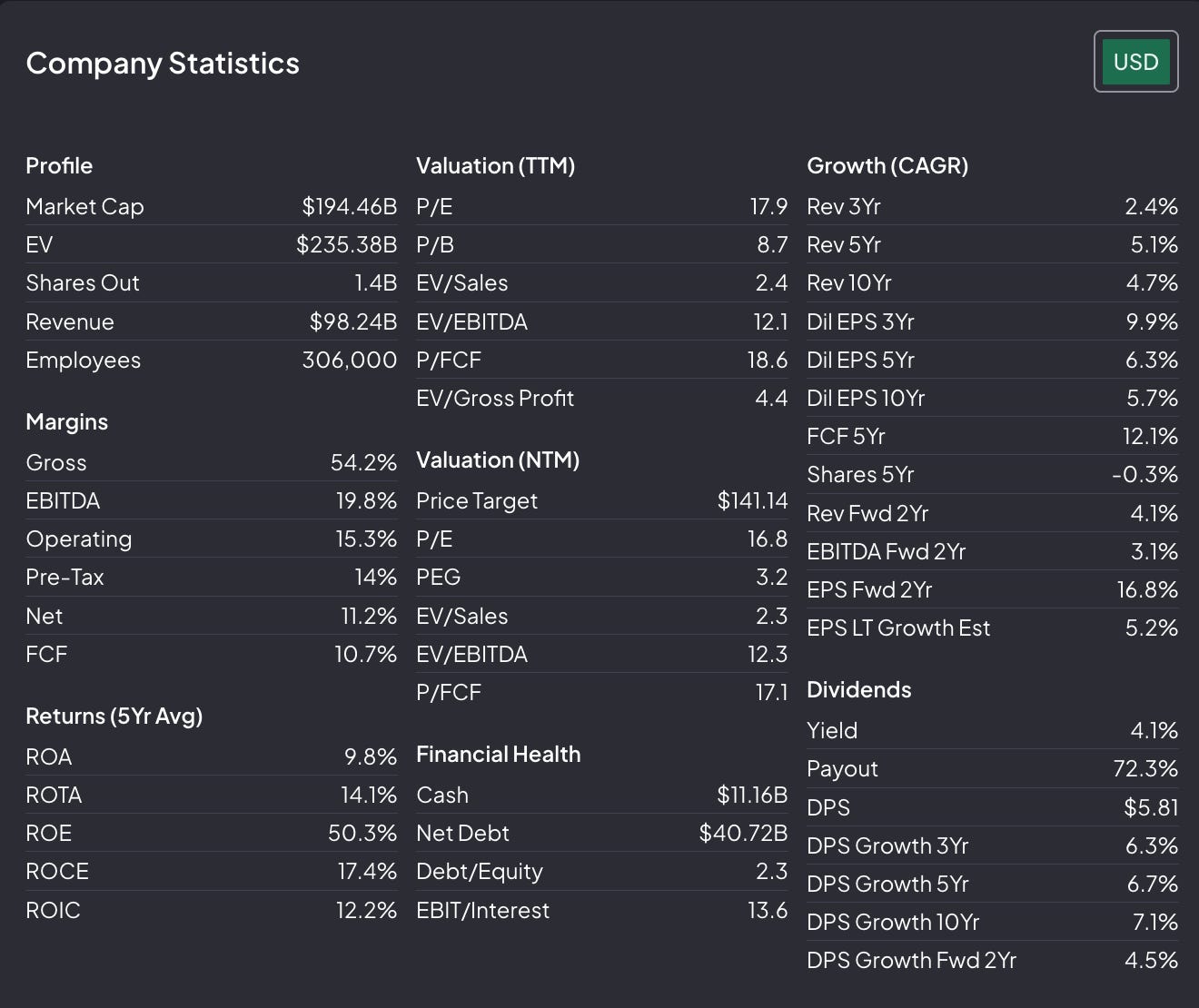
Here’s the main things I notice here:
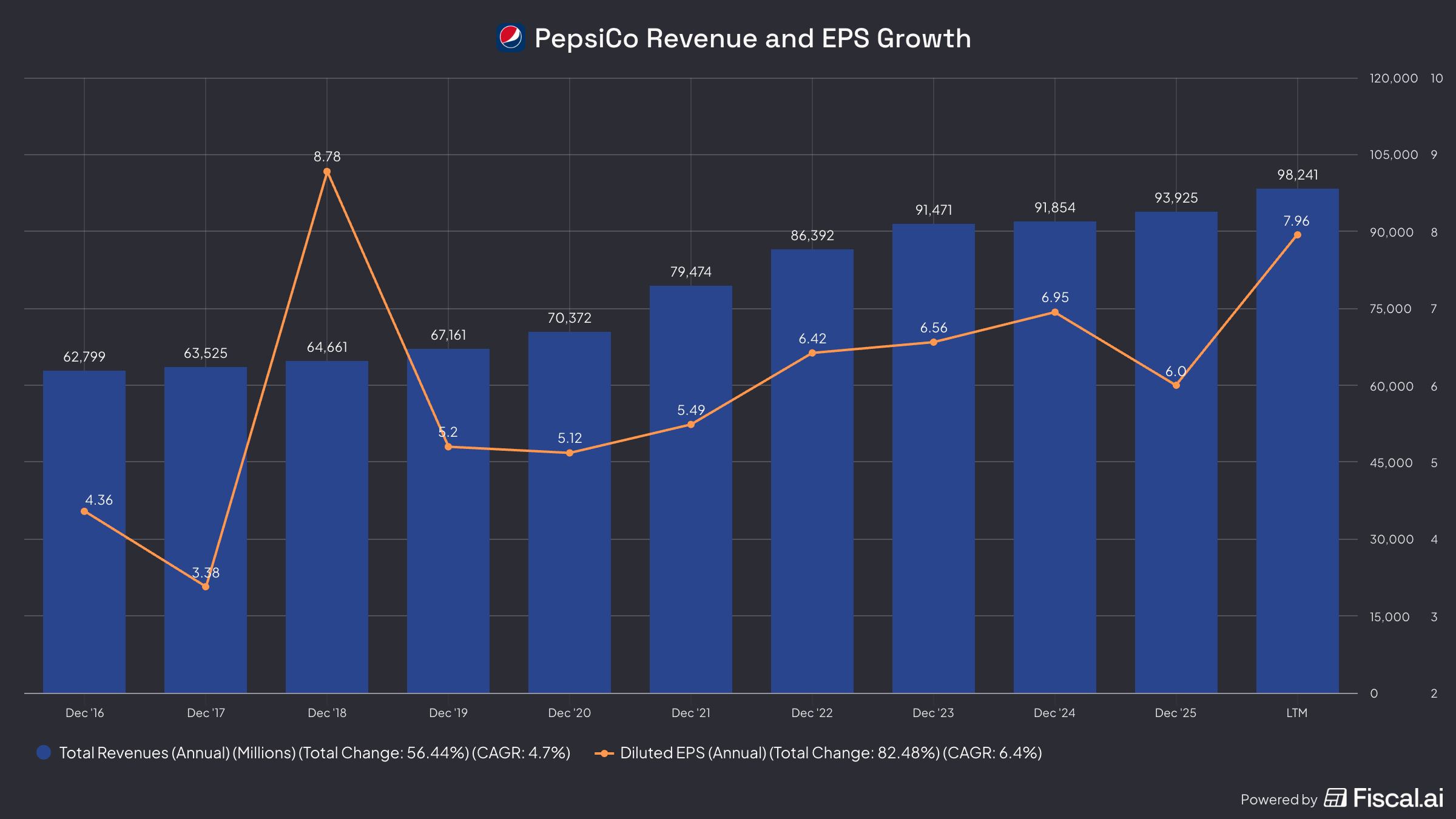
Revenue growth isn’t great, and it’s been slow the past three years
EPS Growth is better, and it’s accelerating the past three years
The Yield is attractive
The Payout ratio is OK, but towards the high end
Margins look good
Capital allocation metrics look attractive
Debt/Equity is high
EPS growing faster than earnings say that could be due to buybacks
Dividend payments also reduce equity, so this might be OK
EBIT/Interest looks fine
We can go a bit deeper now.
I like to check the trends on revenue and earnings growth.
They don’t need to be perfect, but I’m looking for relatively steady growth.
PepsiCo has that.
Great, we know from the quick overview that PepsiCo has some debt.
Let’s take a quick look at that.
Here’s the Net Debt.
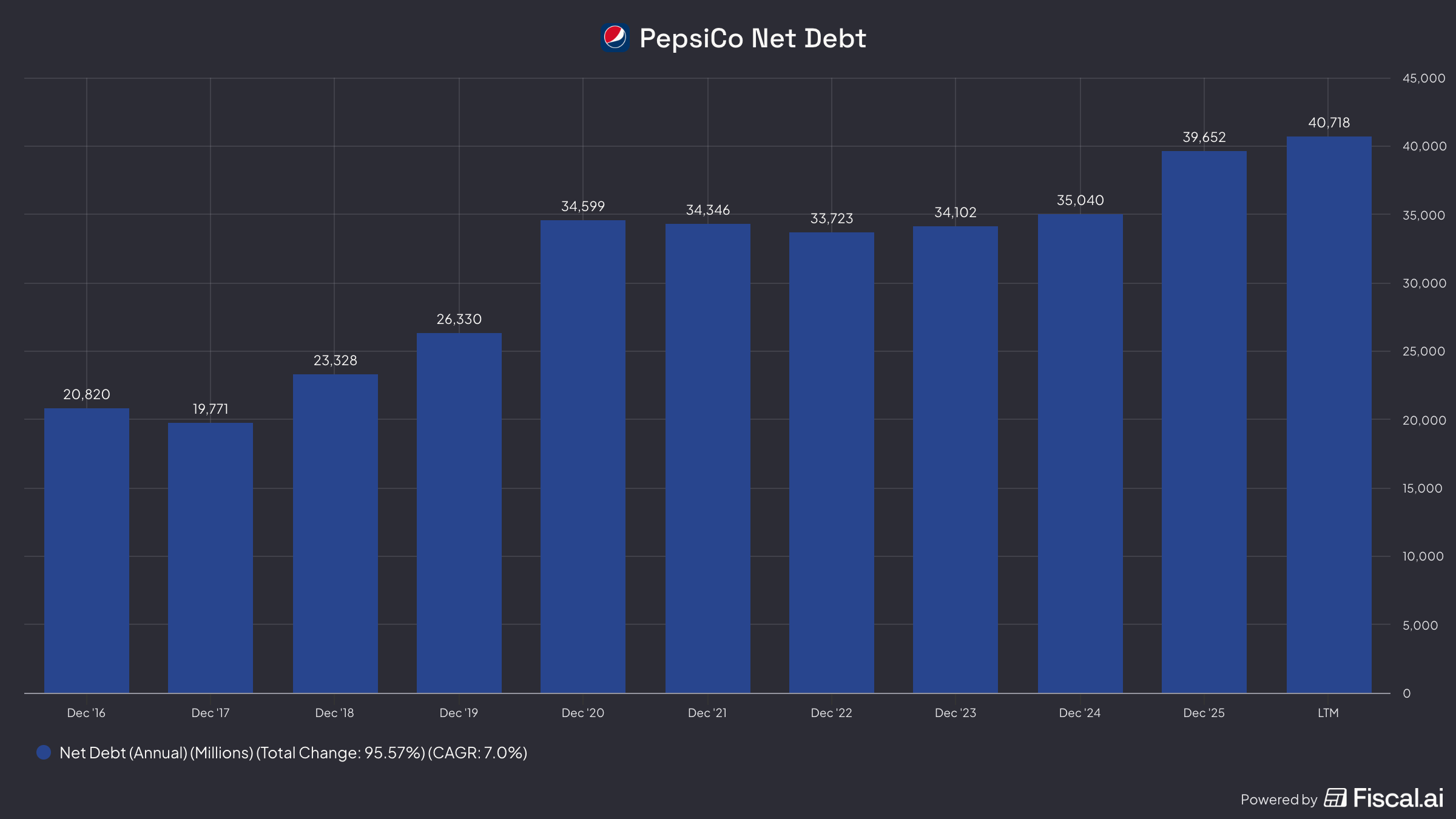
It’s rising slowly, but we know PepsiCo is also growing revenue and earnings.
Let’s look at the Net Debt/EBITDA to see how debt is evolving relative to the operating business.
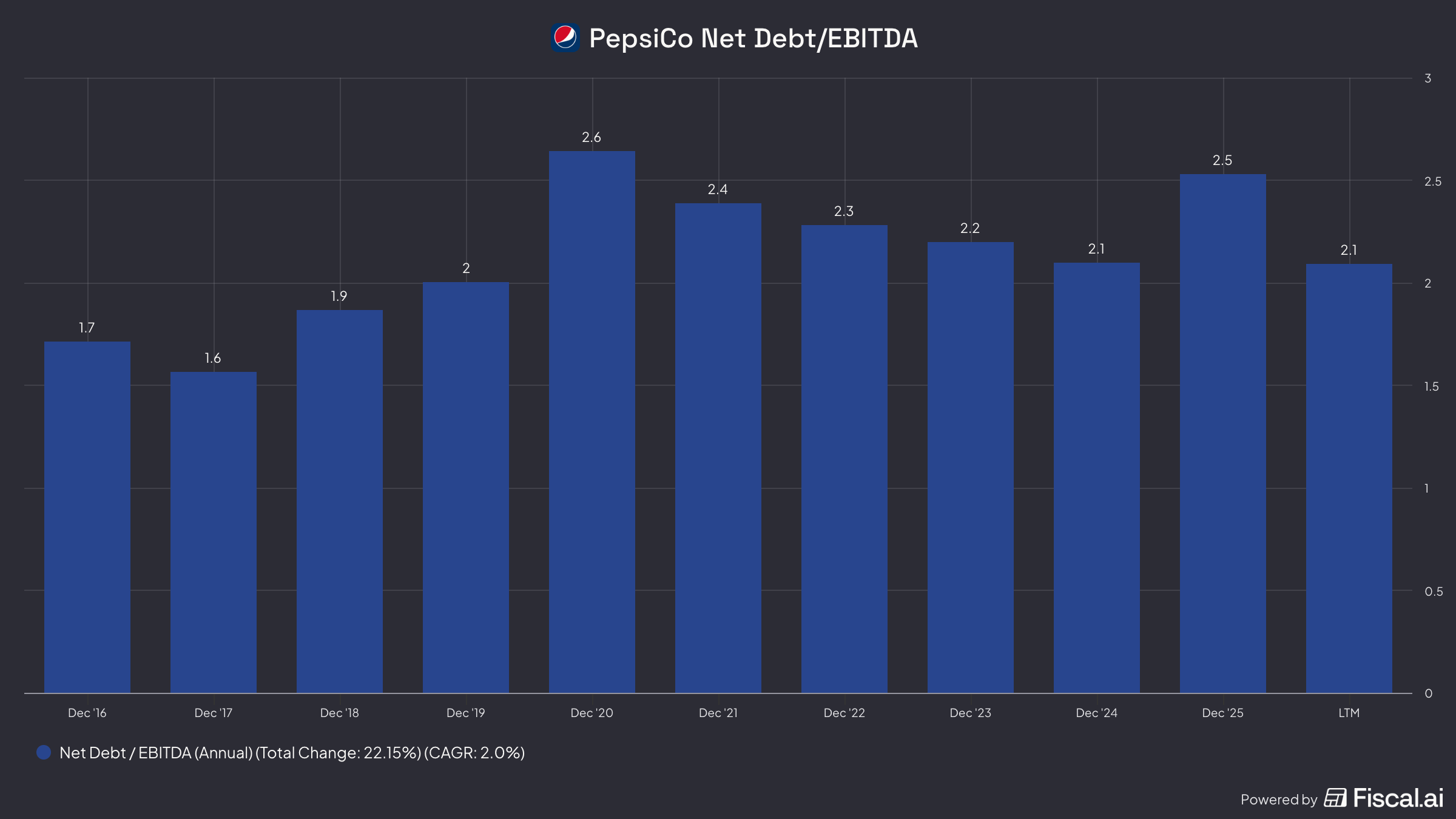
This trend also looks OK.
Next, let’s look a bit closer at the dividend.
The payout ratio is on the high side right now, let’s see if that’s been the trend.
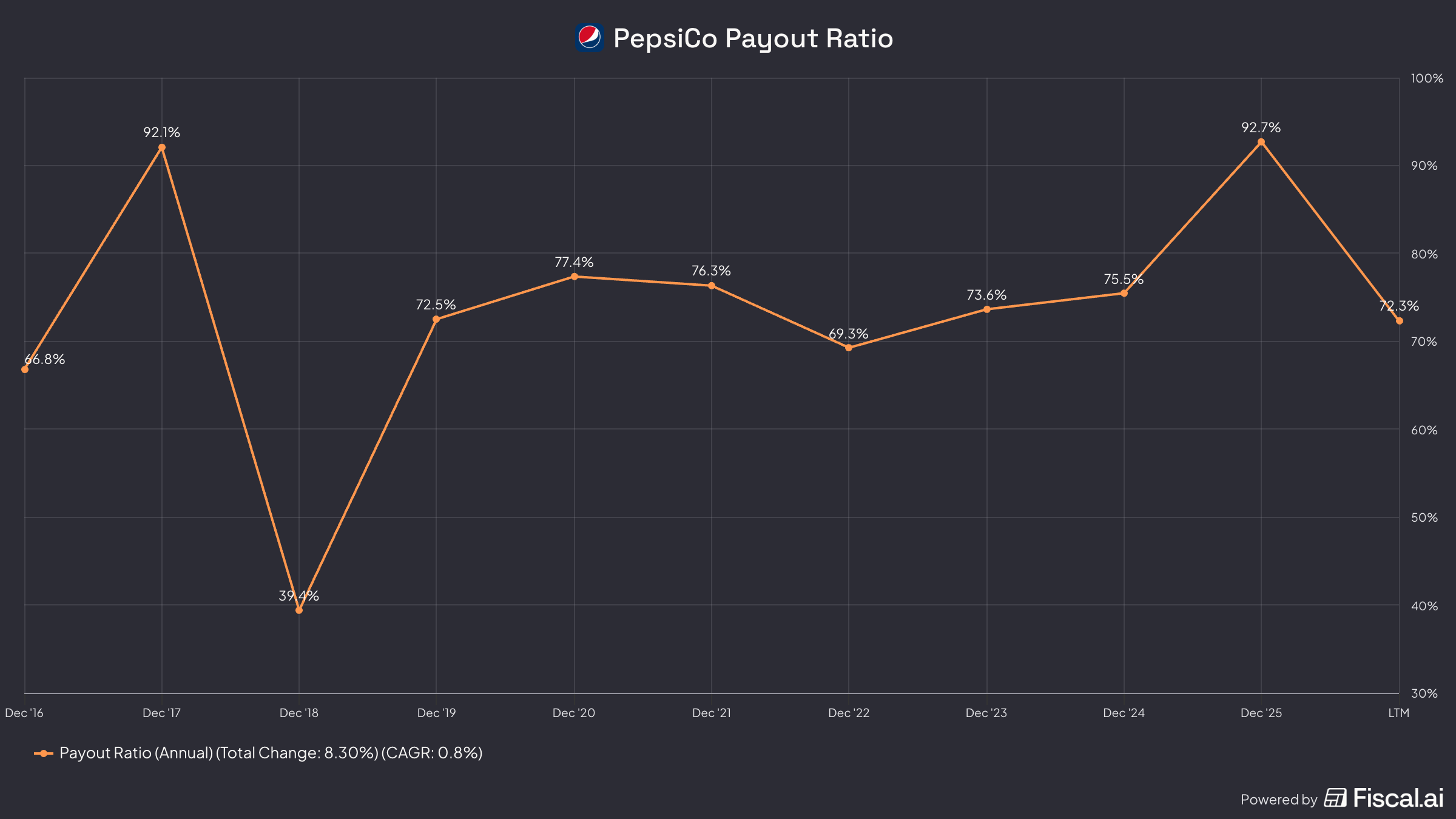
Indeed it has, and PepsiCo has 2 years (2017, 2025) where the payout ratio was 92%.
Sometimes the earnings numbers are depressed by accounting rules, with things like non-cash charges.
Let’s see how the payout looks on a Free Cash Flow basis.
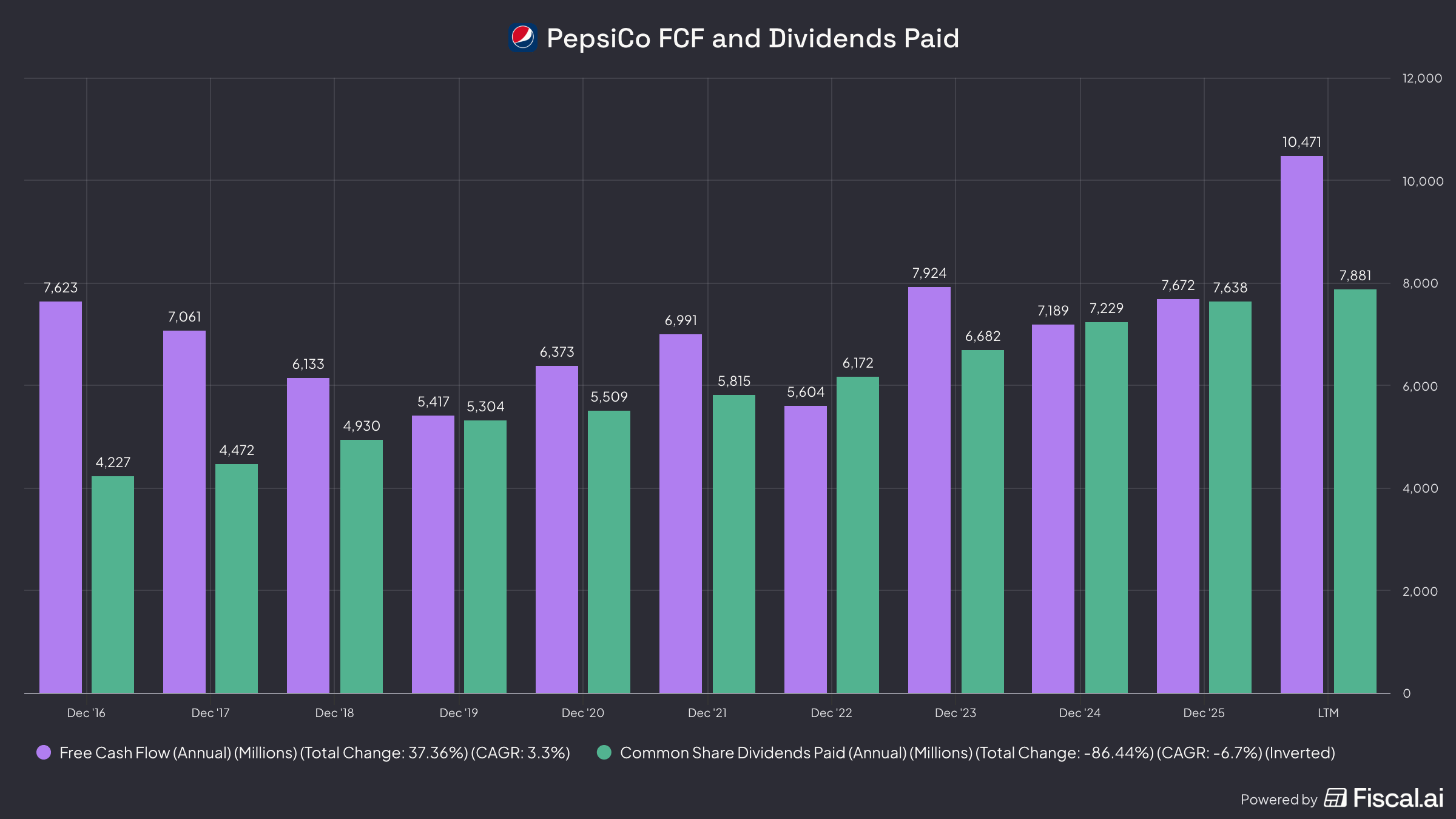
Not good!
PepsiCo has been paying out nearly all the Free Cash Flow as a dividend for quite some time.
Right here is where Pepsi goes into the ‘no’ pile.
General Dynamics
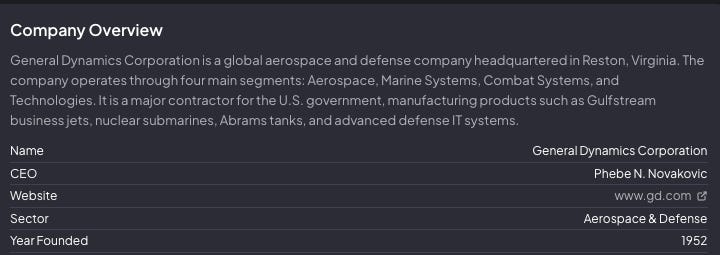
General Dynamics may not be a familiar company name to you, but you probably know some of their products.
They make submarines for the U.S. Navy.

They also make tanks for the U.S. Army.

Here’s what Fiscal says:
Can I understand this?
Yes, I can understand a defense company.
Does it interest me?
Do I want to learn about tanks and submarines? Yes!
I think this could be a very interesting company to study.
Can I make an educated guess where it will be in 10 years?
Countries will always need militaries.
Uncertainty and global tensions only seem to be rising.
The same can be said for the United States defense spending - it only seems to go up.
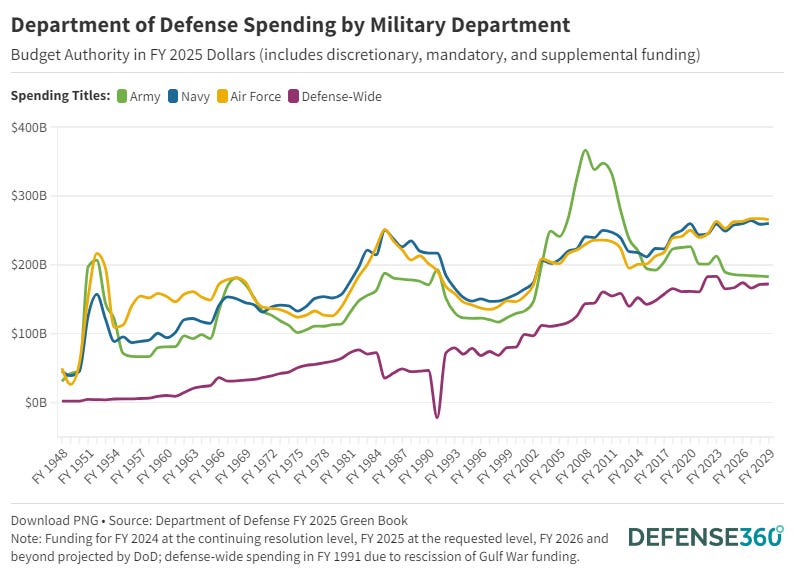
I think it’s a safe bet that General Dynamics will still be making submarines and tanks a decade from now, and that the United States will still be spending a lot on defense.
Let’s look deeper at the Fiscal overview.
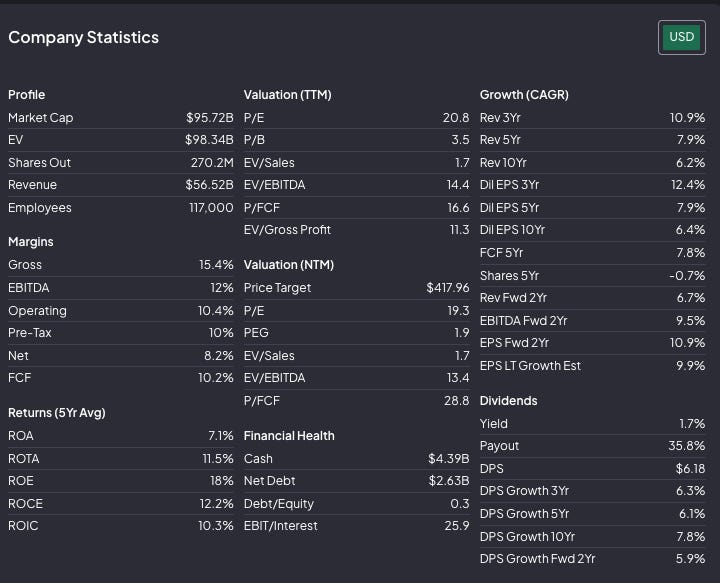
Revenue and EPS growth are attractive
The Yield is low, but so is the Payout ratio
Margins look OK
So do the Capital allocation metrics
Debt/Equity and EBIT/Interest indicate a strong balance sheet
This is still worth looking deeper into at this point.
General Dynamics Financials
Let’s check General Dynamics Revenue and EPS growth trends:
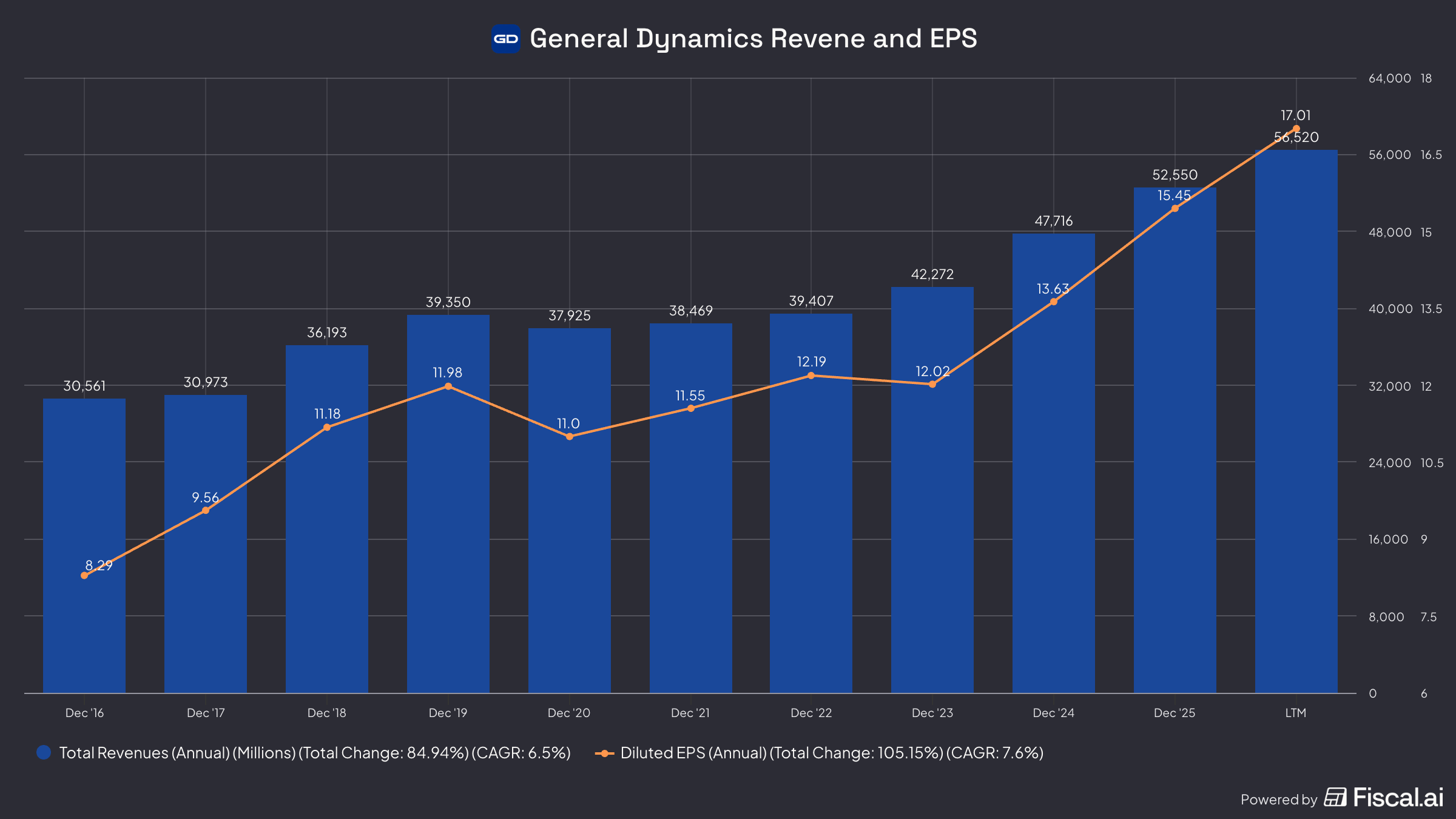
Some flat periods, and some growth, but no huge declines.
So far so good.
Their balance sheet looks good from the few metrics we’ve seen, but let’s look a bit more.
Here’s Net Debt:
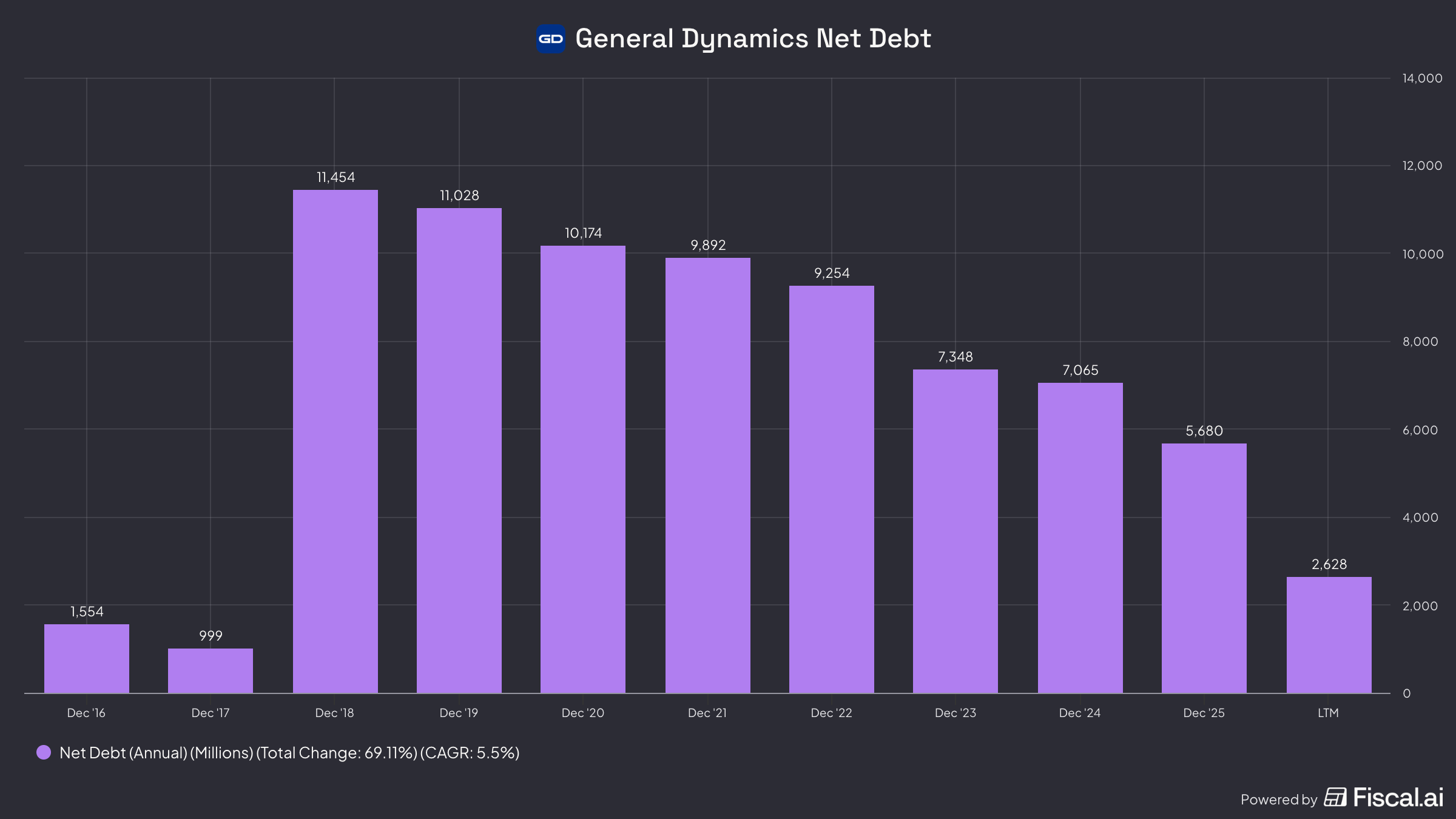
For this high level look, a declining trend like that is all I need to see.
Let’s move on.
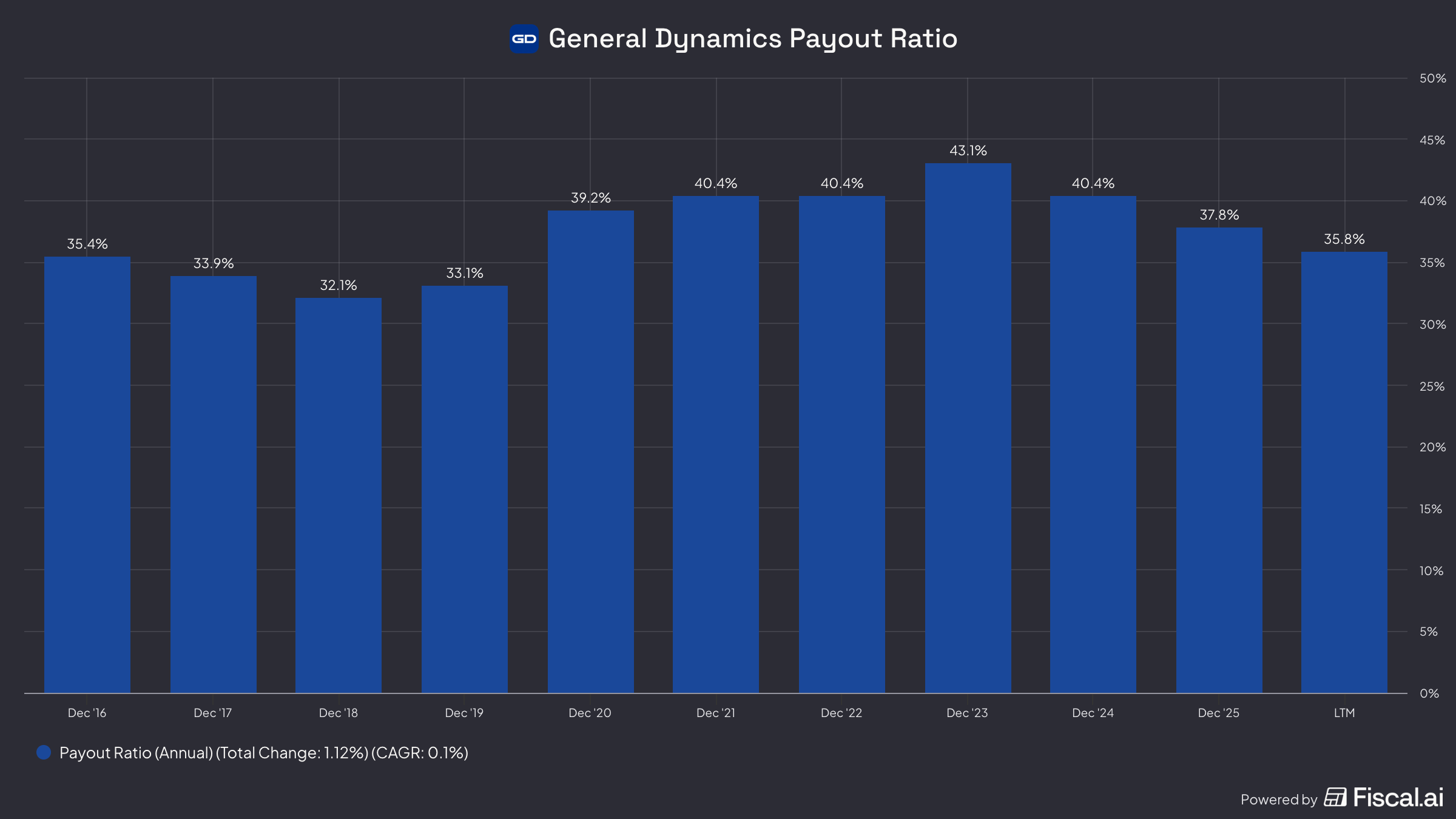
The Payout Ratio is consistently conservative.
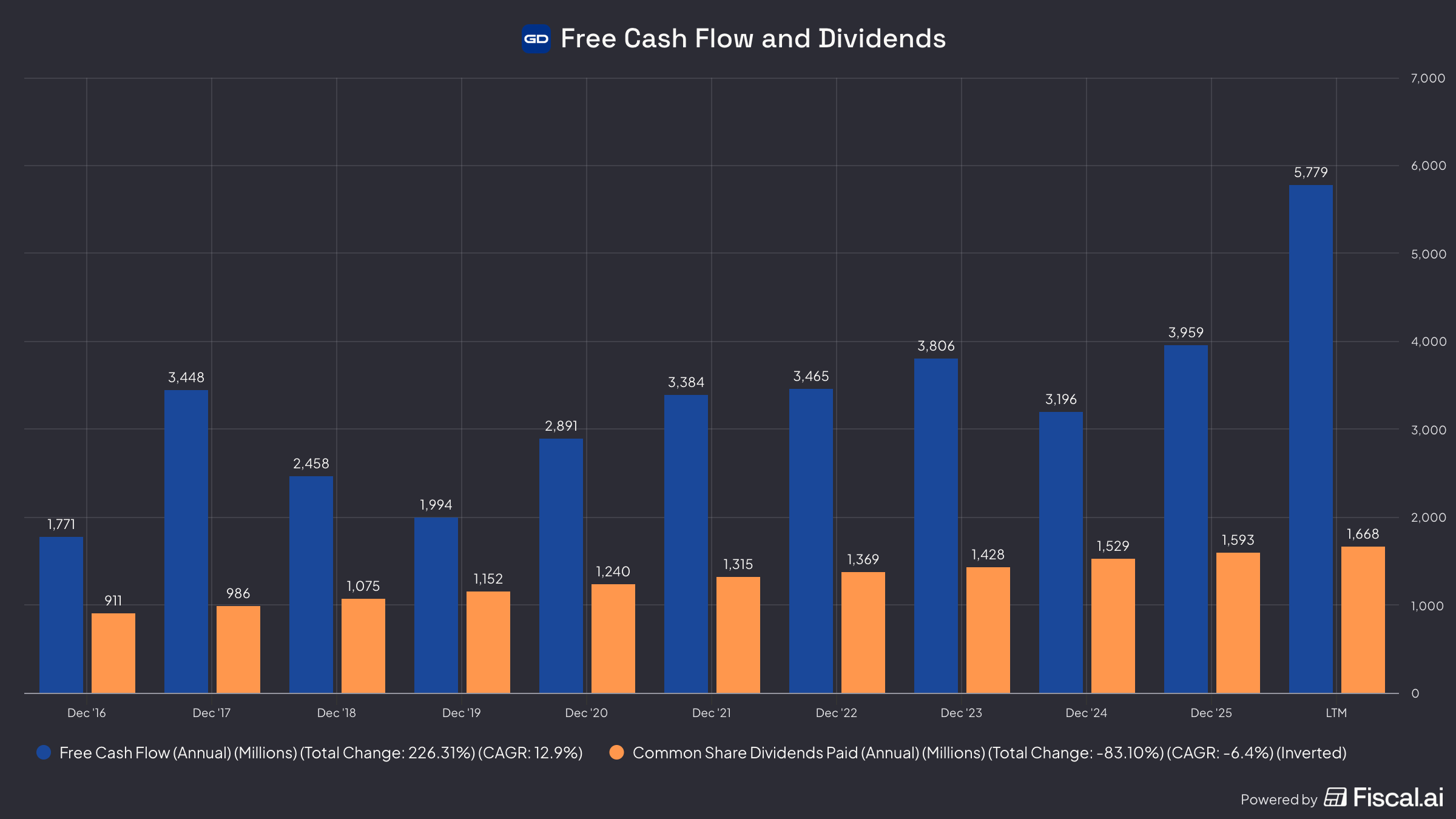
The dividend is also well covered by Free Cash Flow.
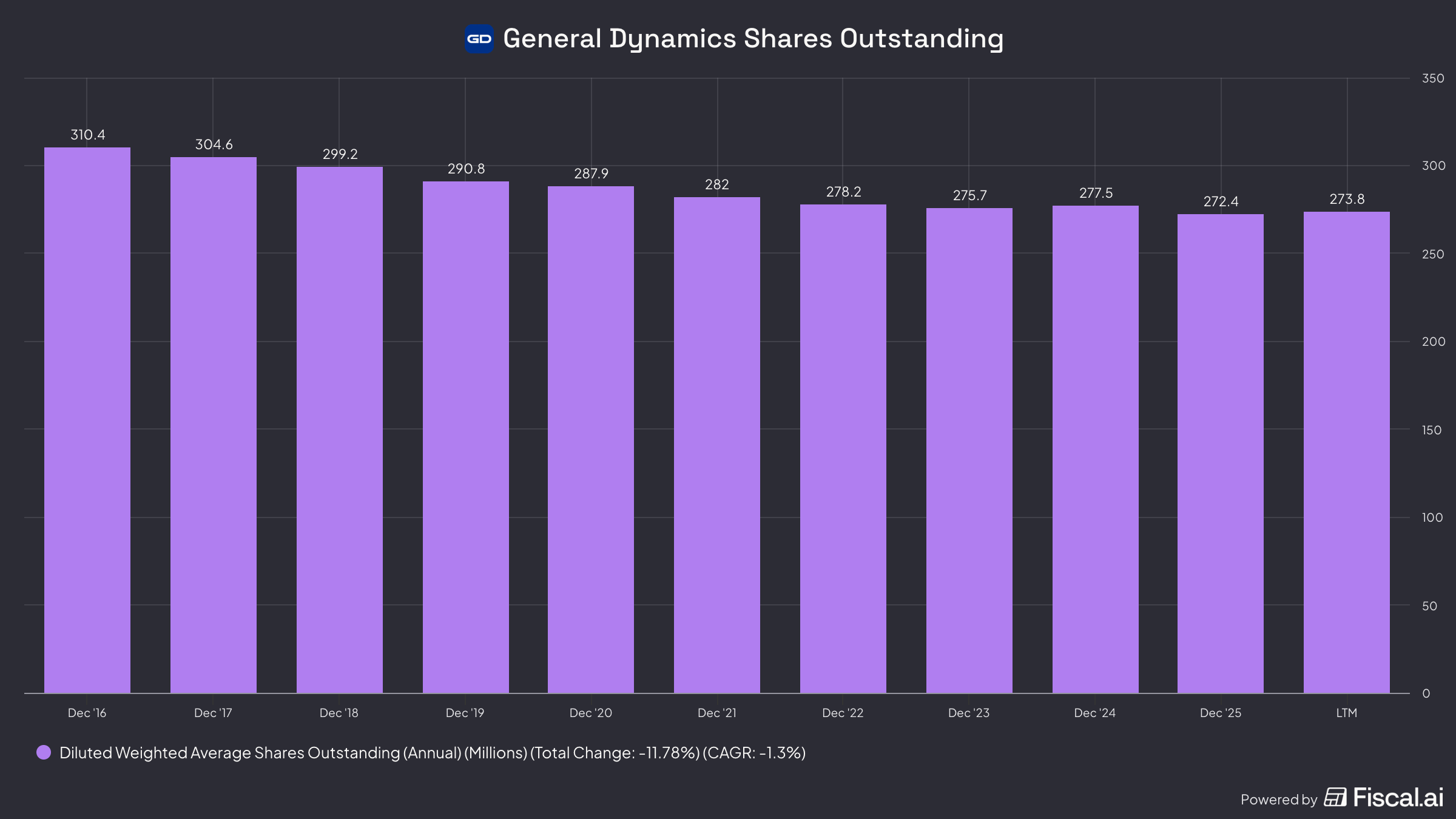
In addition to paying down debt, General Dynamics is also gradually shrinking the share count.
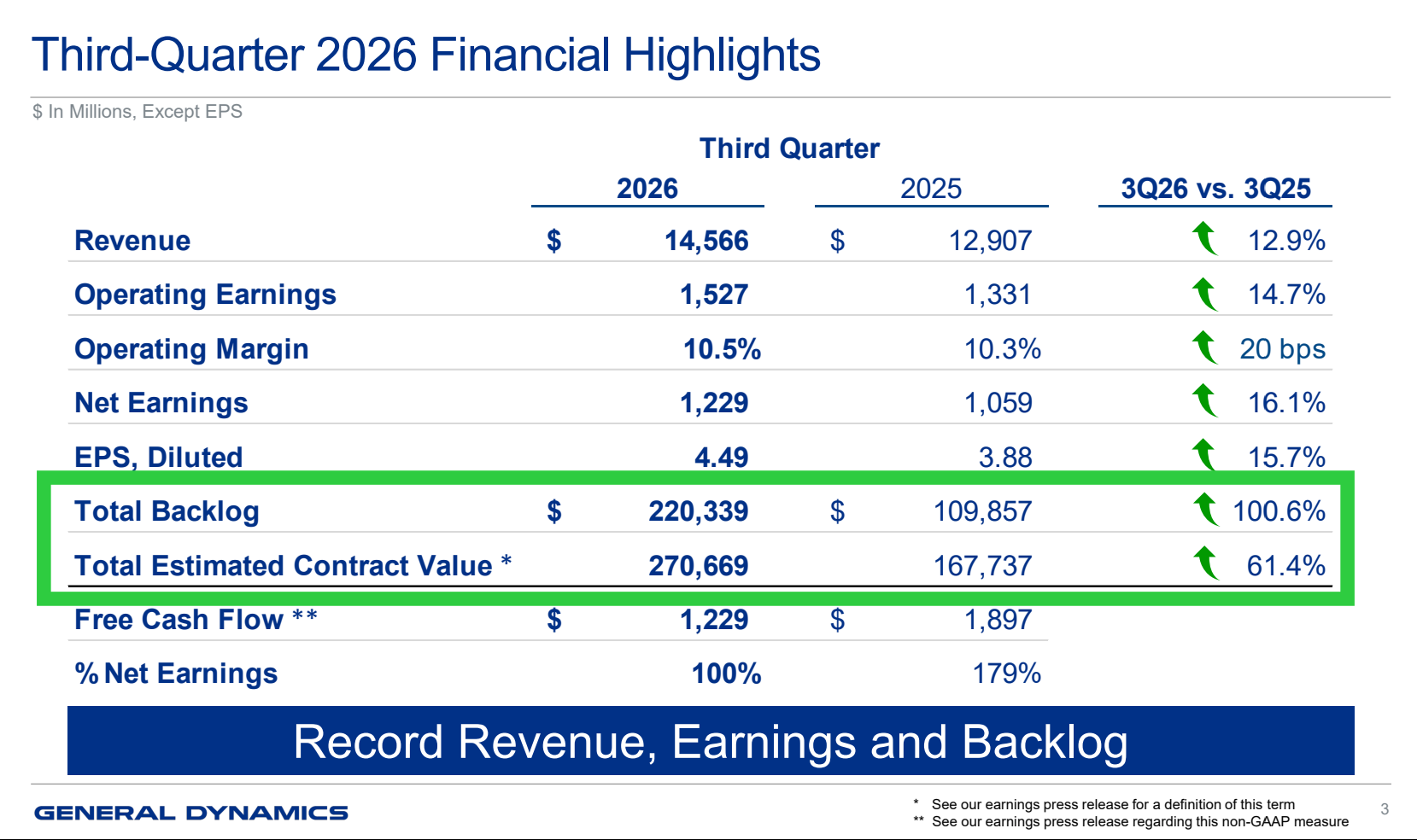
There was one more thing I found in my quick overview - General Dynamics’ estimated contract value and backlog grew very quickly this past quarter.
So far, General Dynamics looks the best to me.
Predictable outlook: Global tensions are rising, and defense budgets tend to only go up.
Steady growth: Revenue and EPS have grown steadily, without major declines.
An excellent balance sheet: General Dynamics has a very low debt level.
A safe, well-covered dividend: The starting yield is lower, but the payout ratio is conservative and easily covered by Free Cash Flow, giving it plenty of room for future raises.
Good capital allocation: Management is growing the dividend with a safe payout ratio, paying down debt, and buying back shares.
Revenue visibility: Estimated contract value and backlog are growing fast, making it much easier to predict where General Dynamics will be in the future.
At this point, we can take a quick look at the valuation using the Dividend Yield.
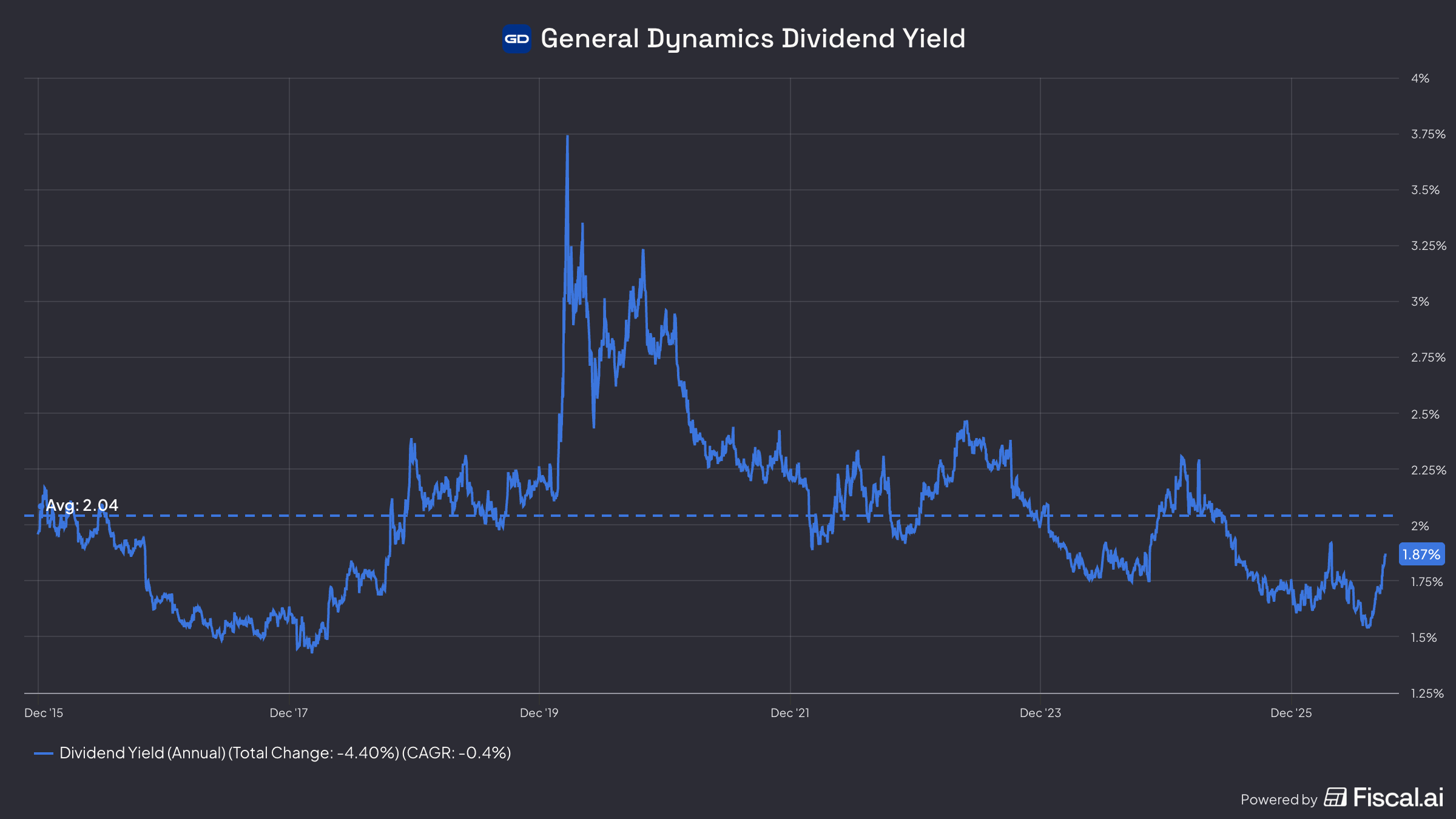
The initial reaction I have here is that we look somewhere close to fair value.
However, given the backlog and future contract value, paying up a bit for General Dynamics might be OK.
Conclusion
Hopefully this helped you learn how to say ‘no’ quickly.
We started with three Dividend Aristocrats and managed to kill off 2 of them relatively quickly.
Albemarle: Predicting lithium prices and battery chemistry a decade out is too hard.
PepsiCo: Paying out nearly all of its Free Cash Flow leaves too little margin of safety.
General Dynamics managed to survive.
What’s next?
Because General Dynamics passed our initial screen, it’s moving on to the next stage.
Keep an eye on your inbox, I’ll put it through our regular 10-point format soon.
I’d love your feedback
Since this is a brand-new format for Compounding Dividends, let me know what you think in the community.
Did you find this behind-the-scenes look helpful?
Was the length right, or would you prefer these to be even shorter?
Should we turn The Aristocrat Breakdown into a regular series?
Your feedback shapes what we build next.
One Dividend At A Time,
-TJ
Used sources
Interactive Brokers: Portfolio data and executing all transactions
Fiscal.ai: Financial data
Disclaimer
As a reader of Compounding Dividends, you agree with our disclaimer. You can read the full disclaimer here.
Dit vind ik erg begrijpelijk en mooi gestructureerd. Ik ben een grote fan.
Yes- the format is a thorough yet concise read. Well done- and would love to see this as a regular format in the future👍