

Every investor has been there.
You sell because you are scared, you buy because everyone else is making money.
By the time you realize your mistake, your portfolio drops 20% again!
Today, I will teach you 7 habits that will help you improve as an investor.
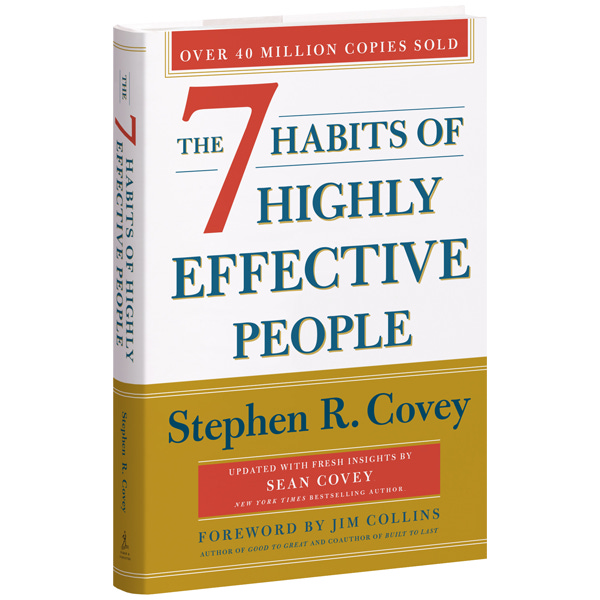
1. They Stay Inside Their Circle
Ted Williams, the last baseball player to hit over .400 in a season, divided the strike zone into 77 cells.
He only swung at pitches in his best cells.
You should do the same with stocks.
There are over 10,000 publicly traded companies. You don’t need to understand all of them.
You only need a few stocks that fit inside your circle of competence.
If you can’t explain a business in a few sentences to a friend, don’t buy it.
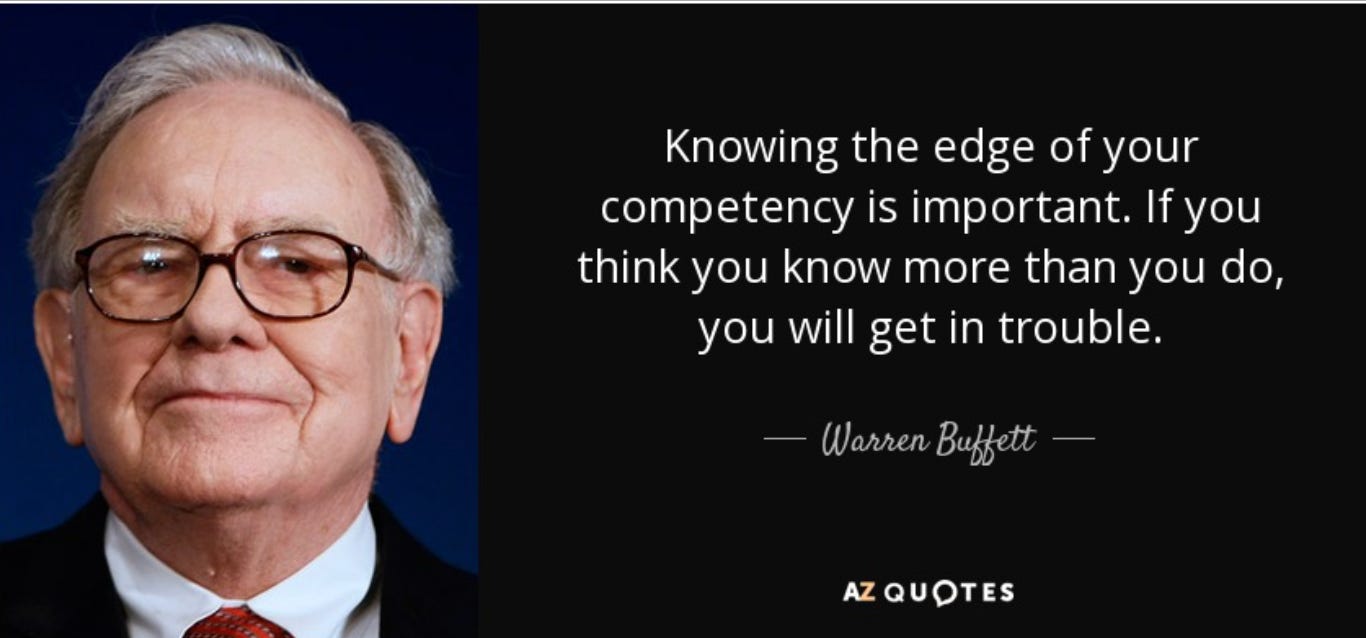
2. They Think Independently
Here’s an uncomfortable truth: Experts can be very wrong.
Economists have failed to predict any of the last four recessions.
Analysts’ two‑year earnings forecasts are wrong by 94% on average.
In 2008, they predicted a 24% price gain.
Of course 2008 turned out to be one of the largest stock market crashes in history.
Following random tips without proper research is one of the fastest ways to lose money.
Spend less time guessing what the business will do next year, and more time deciding if this is a business you want to own for the next 10 years.
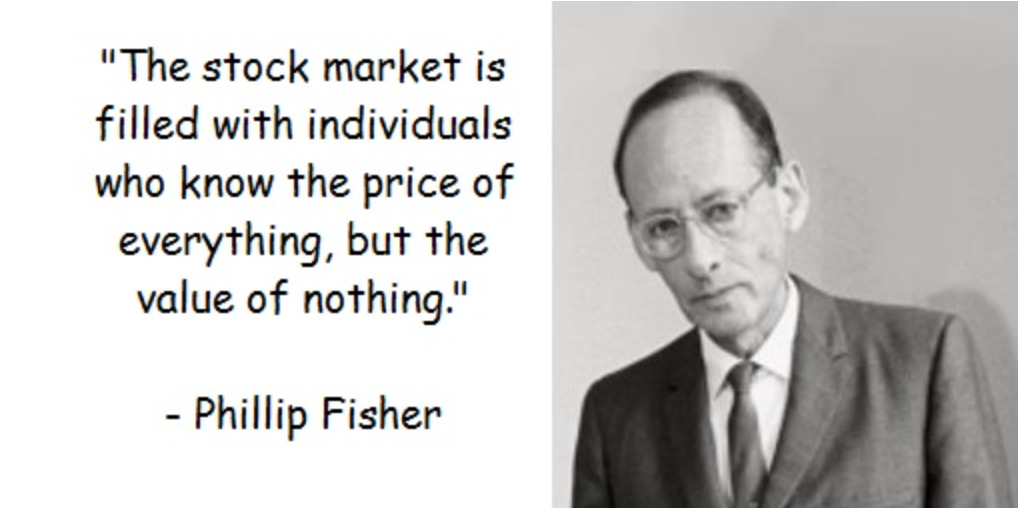
3. They Play The Long Game
Stock prices are very volatile. They can be up +20% tomorrow or -30% the next day.
Nobody knows what’s going to happen.
But in the long-term stock prices tend to follow the intrinsic value of the company.
That’s why you should think in terms of decades and not days.
When one of your holdings drops 10% or more, ask yourself:
Has the business changed, or is the market just being moody?
Most of the time, it’s just being moody.
That’s not a reason to sell.
In fact, it might be a reason to buy more.
Trading activity is the enemy of performance.
Paul Samauelson says it best:

4. They Master Their Emotions
The financial world has good characters and bad characters.
The bad ones promise market‑crushing returns, brag about recent performance, and push risky stocks with little research.
Ignore them.
The stock market is not a get‑rich‑quick machine.
You need to be patient to let the magic of compounding work.
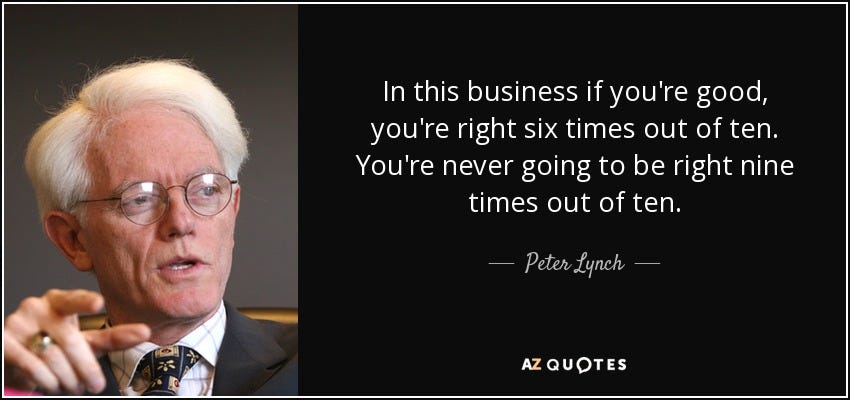
Even the best fund managers are wrong 40% of the time. You will be wrong too.
5. They Understand The Power of Growth
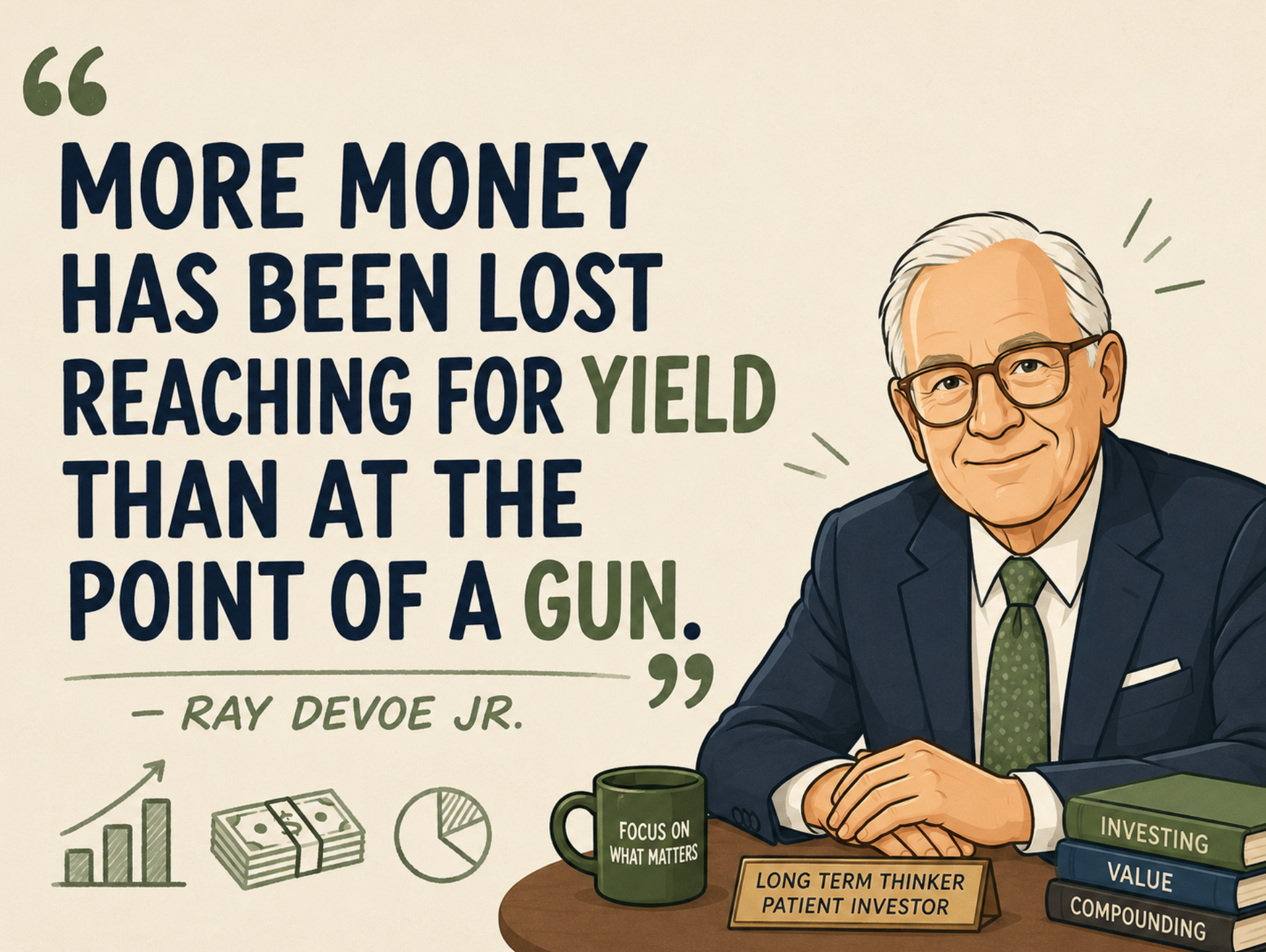
A high yield is very tempting for impatient investors.
An 8% yield today looks better than a 4% yield.
But if that 8% yield stays flat while inflation rises, you are actually losing purchasing power every year.
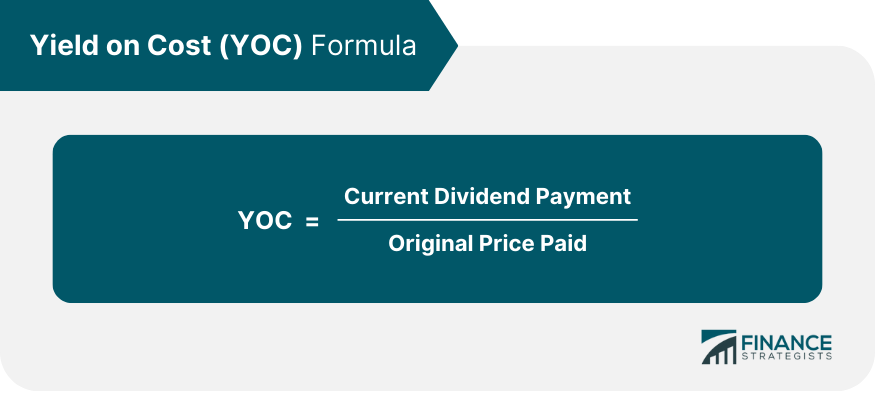
Meanwhile, a 4% yield that grows your dividend payment by 8% annually will give double your dividend check in less than 10 years.
This is the power of Yield on Cost (YOC):
High-yield stocks aren’t bad.
They’re excellent tools if you need cash to pay your bills today.
But if you have a long time horizon, dividend growth can help you build real wealth.
High yield pays for your life today.
Dividend growth buys your freedom tomorrow.
Don’t just look at the size of the check today, look at how much bigger that check will be in a decade.
6. They’re Inactive
I once saw a tweet from an investor who said he checked his holdings every hour.
That’s not investing.
That’s a recipe for burnout and bad decisions.
Let me simplify it with a soccer example (football if you’re not an American like me).
Goalies in soccer dive left or right 94% of the time, trying to guess the direction of a penalty kick.
But their save rate is highest when they stay in the center.
They’d be better off doing nothing.
Managing a dividend portfolio is the same.
Most of the time, the best move is to do nothing.
Choose your stocks carefully as if you’ll hold them forever. Then check in periodically.
Let compounding do the heavy lifting.
7. They Know What They Own
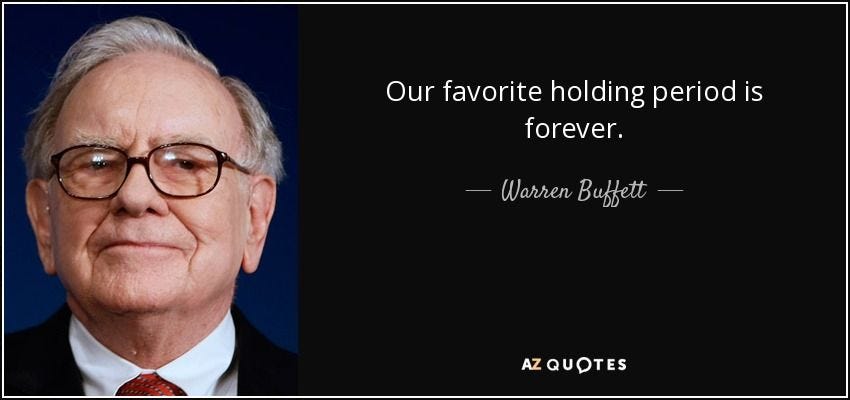
Warren Buffett said it best:
“Unless you are willing to put in the effort to learn accounting – how to read and interpret financial statements – you really shouldn’t select stocks yourself.”
You don’t need a fancy degree to select stocks.
But buying a stock without understanding the company’s balance sheet or cash flow statement is reckless.
Financial data is everywhere today. Fiscal.ai is a great tool to begin with.
You can learn the basics in a weekend and start your research.
But if you are still reading this, then you have some help!
At Compounding Dividends, we write company deep dives, explain our approach, the fundamentals and most importantly, we eat what we cook.
If we put a stock in the portfolio, we buy it ourself too.
That’s it for today!
Here’s what you learned:
Stay in the Circle: Only swing at pitches you understand.
Think Independently: Ignore the experts and trust your own data.
Measure in Decades: Treat volatility as Mr. Market’s mood.
Master Emotions: Realize the market isn’t a get-rich-quick scheme.
Prioritize Growth: Choose long-term purchasing power over high starting yields.
Resist Action: Stop checking the score and let the game play out.
Know What You Own: Write down your investing reasoning before you buy.
One Dividend At A Time,
-TJ
Used sources
Interactive Brokers: Portfolio data and executing all transactions
Fiscal.ai: Financial data
Ted Williams knew his best cells because he had decades of at-bats to measure them. Most investors define their circle of competence from research alone, before the market has tested whether they actually understand the business under pressure.
Action: Find your highest-conviction dividend holding — check what your behavior was the last time it dropped 30%. That response tells you more about your actual competence than your thesis does.
My favorite is the "They Master Their Emotions". That is so important to have a successful investing career.