

A new month, a new Best Buys List.
Each month, I’ll give an overview of my favorite stocks of the month.
Let’s dive into this update and show you some of my favorite stocks.

October 2026
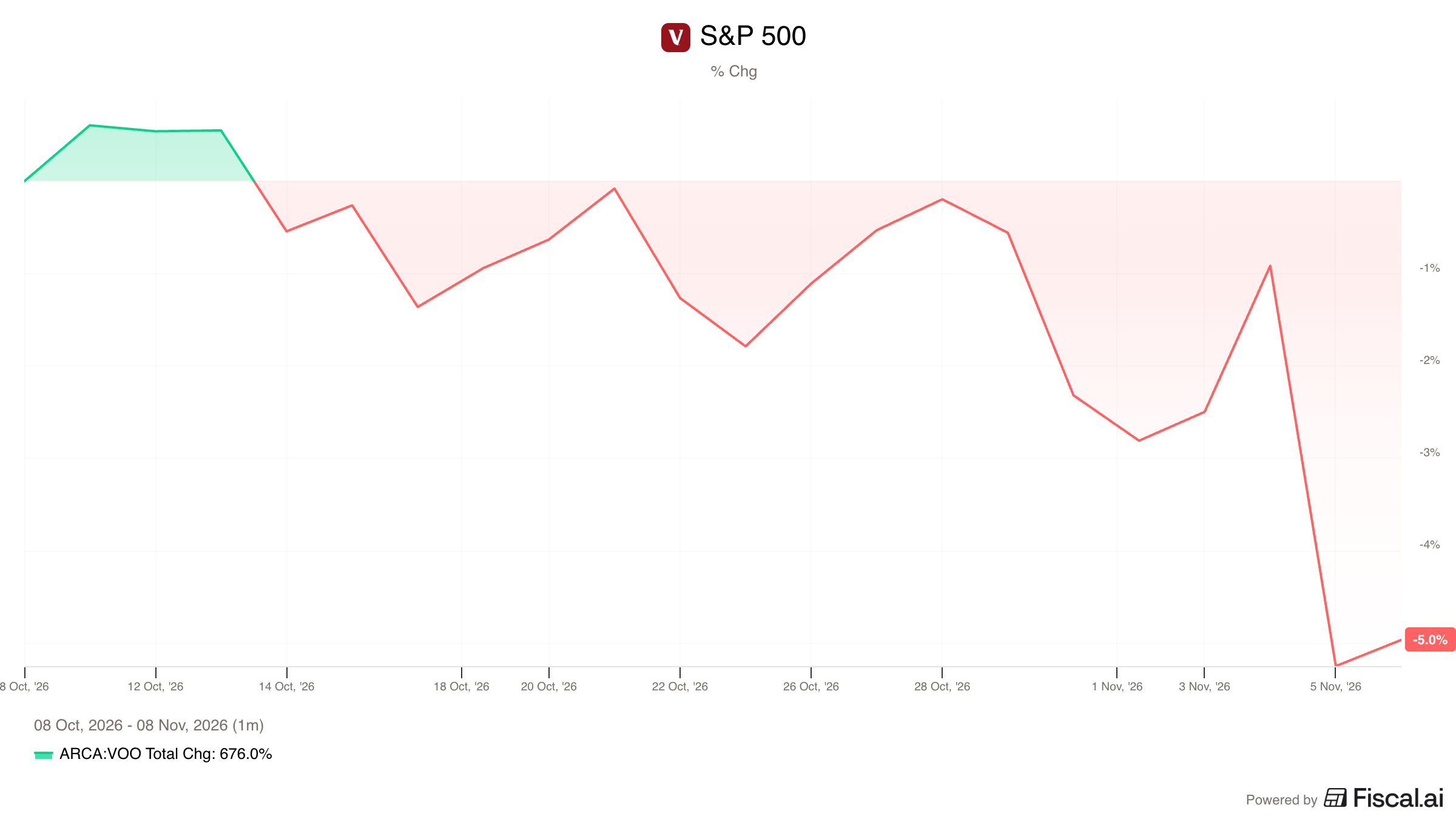
The S&P 500 is down -5.0% in the past month.
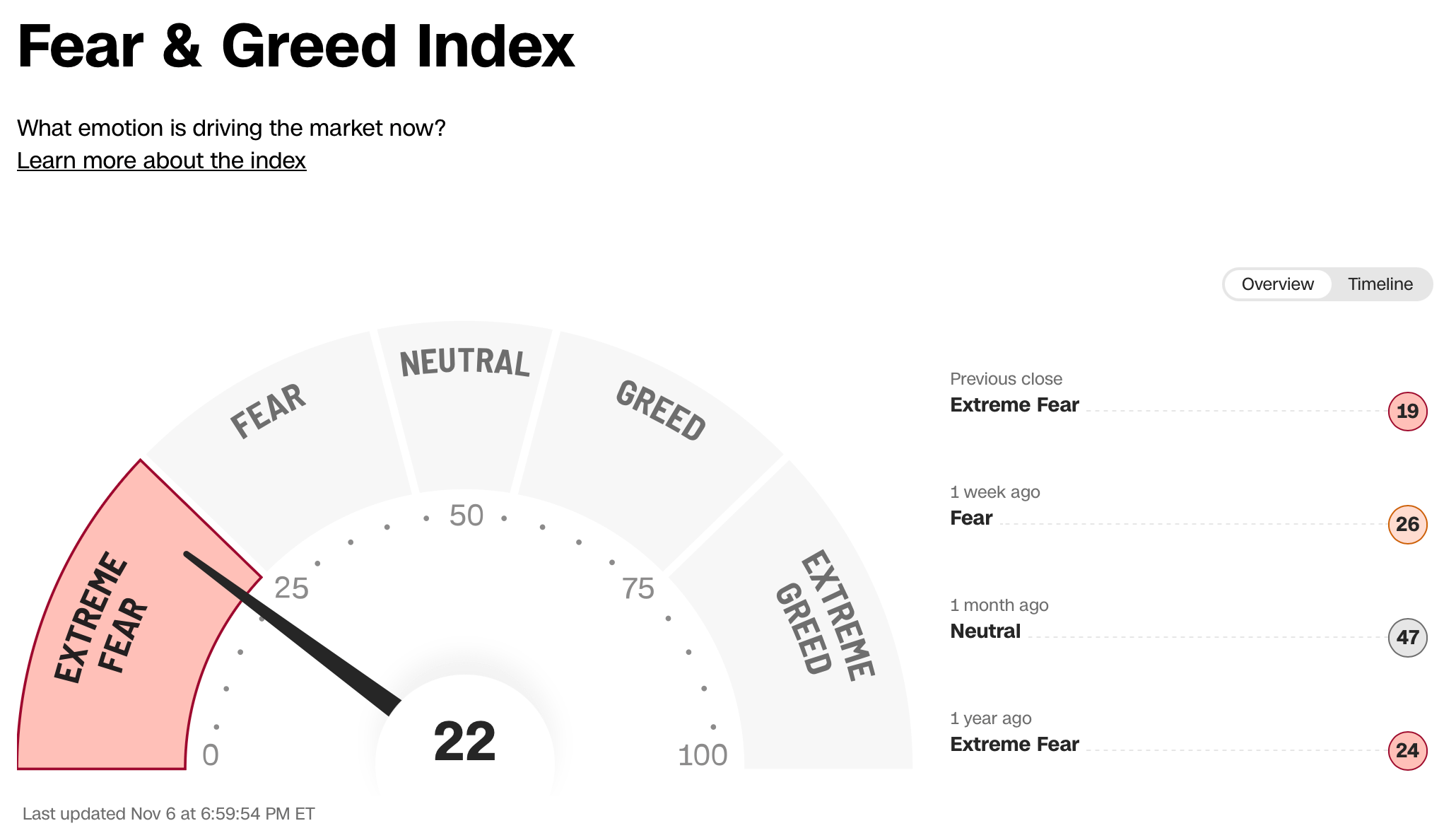
Investors are in extreme fear today according to the Fear & Greed Index:
Best & Worst Performers
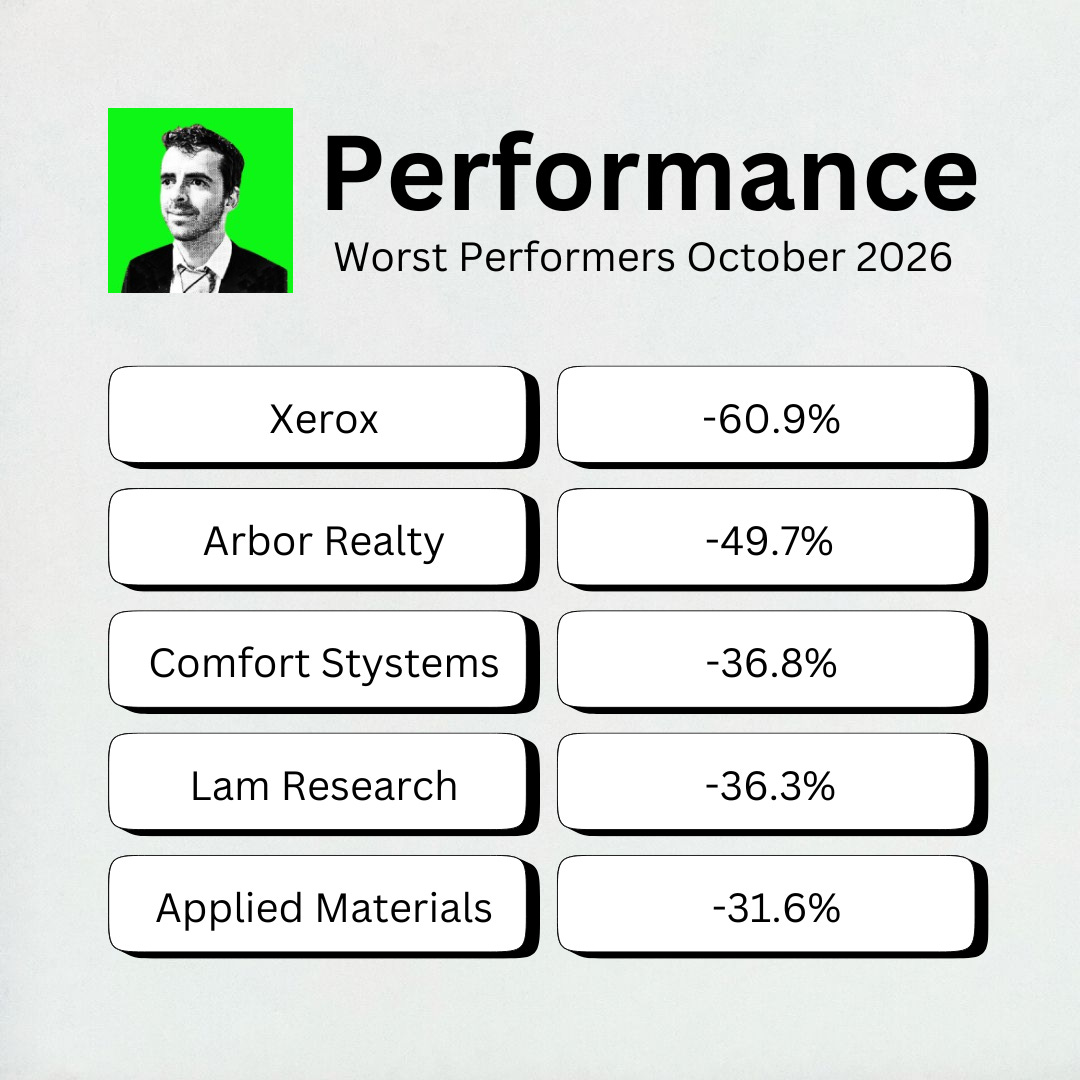
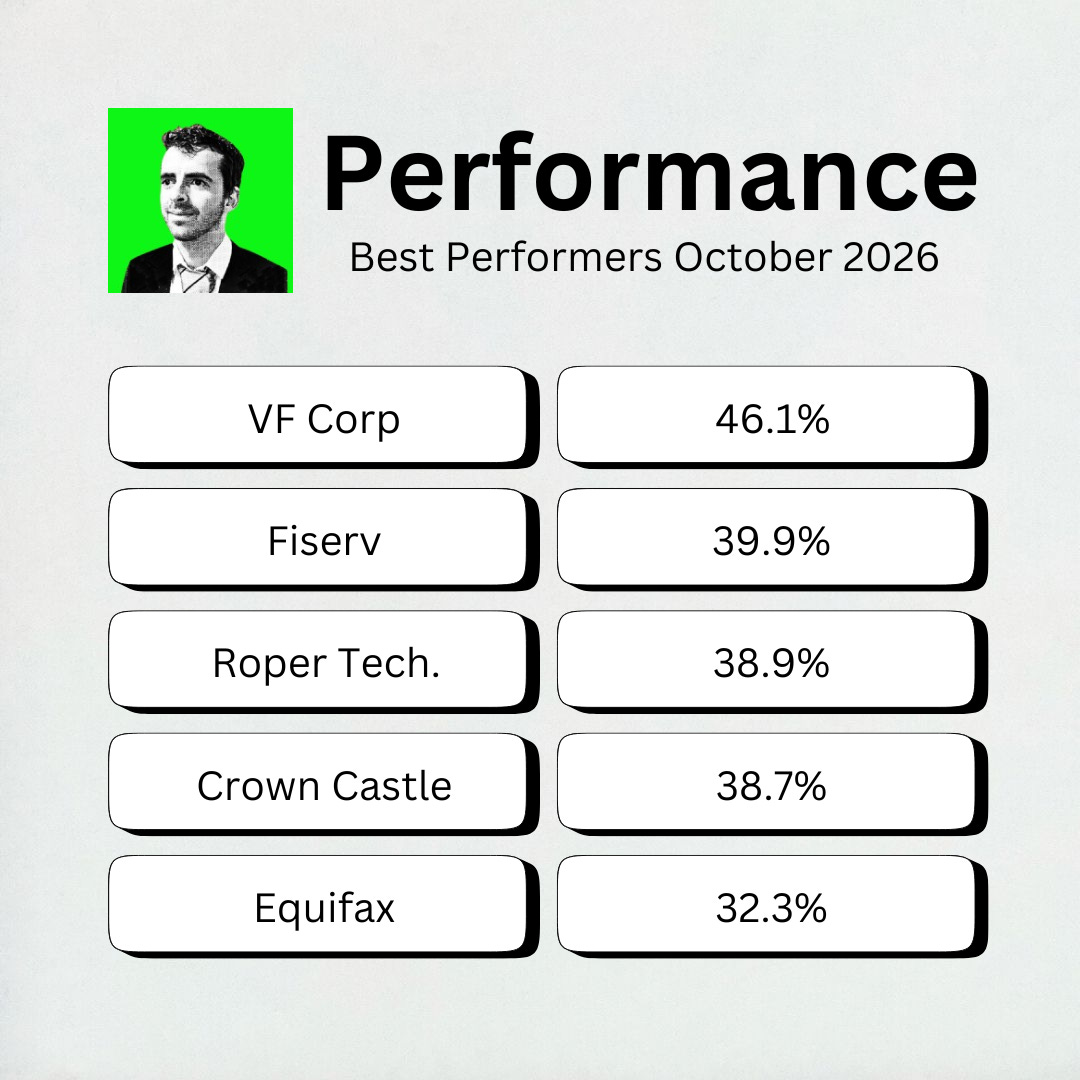
This overview shows you the best and worst performers in our investable universe.
Worst performers
The cheaper we can buy great companies, the better.
The biggest decliner this month? Xerox, losing -60%.
Xerox Holdings Corporation specializes in printing equipment and digital IT services.
The stock has sold off because the company cut 2026 profit and free cash flow forecasts, and suspended its dividend.
Best Performers
VF Corporation was this month’s best performer, increasing by 46%.
V.F. Corporation is an apparel, footwear, and accessories conglomerate that owns a portfolio of active and outdoor brands like Vans, The North Face, and Timberland.
The stock is up because the company has reduced its debt by $1.1 billion and had a better-than-expected quarterly earnings report with strong Vans sales.
Spotlight: The REIT Industry
Most investors assume that higher interest rates are always bad for real estate.
But reality is more nuanced than that.
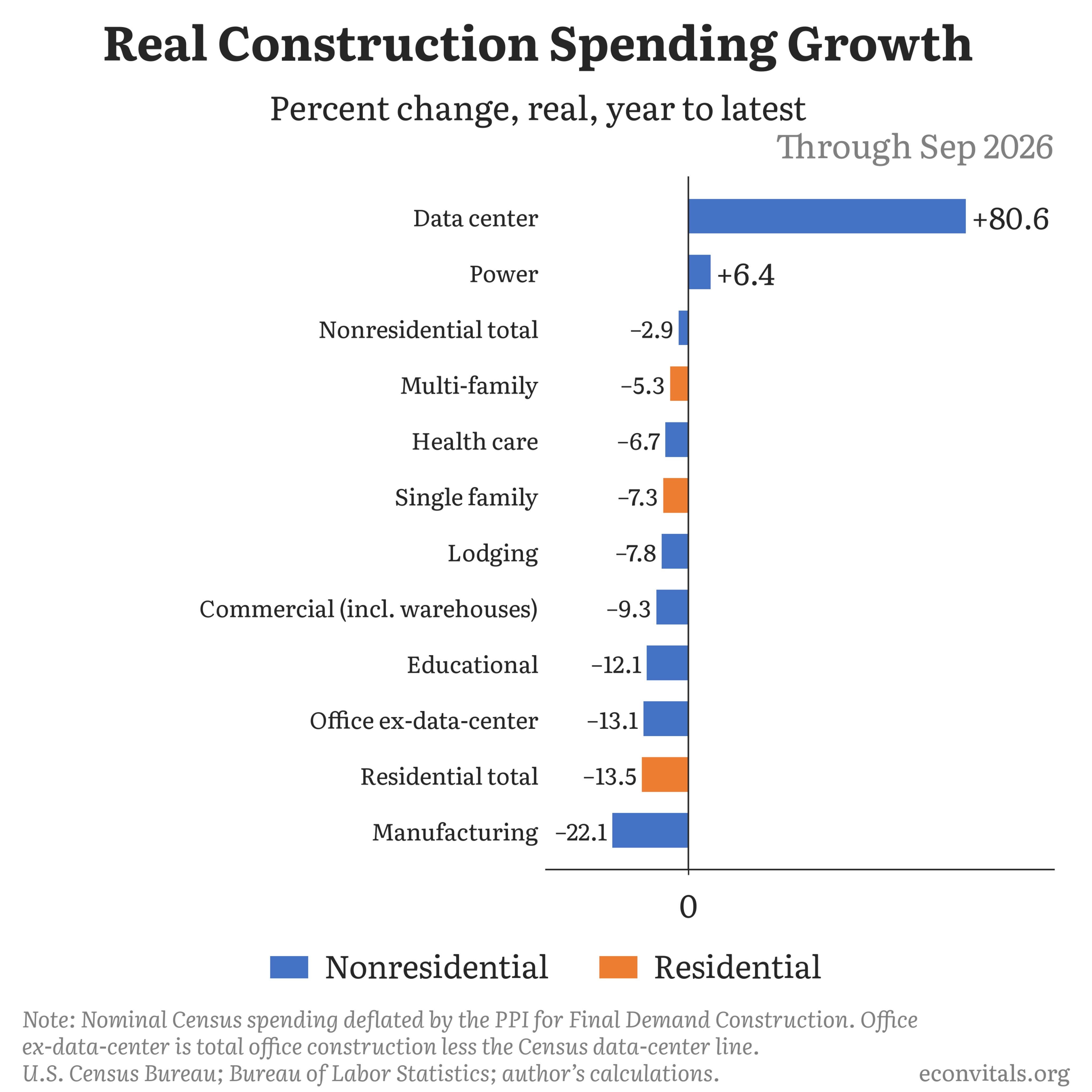
Higher rates increase borrowing costs, but they also discourage new construction, reduce future supply, and let existing landlords raise rents.
Today, the average REIT has a Loan-to-Value (LTV) of around 34%, mostly fixed-rate debt and staggered maturities.
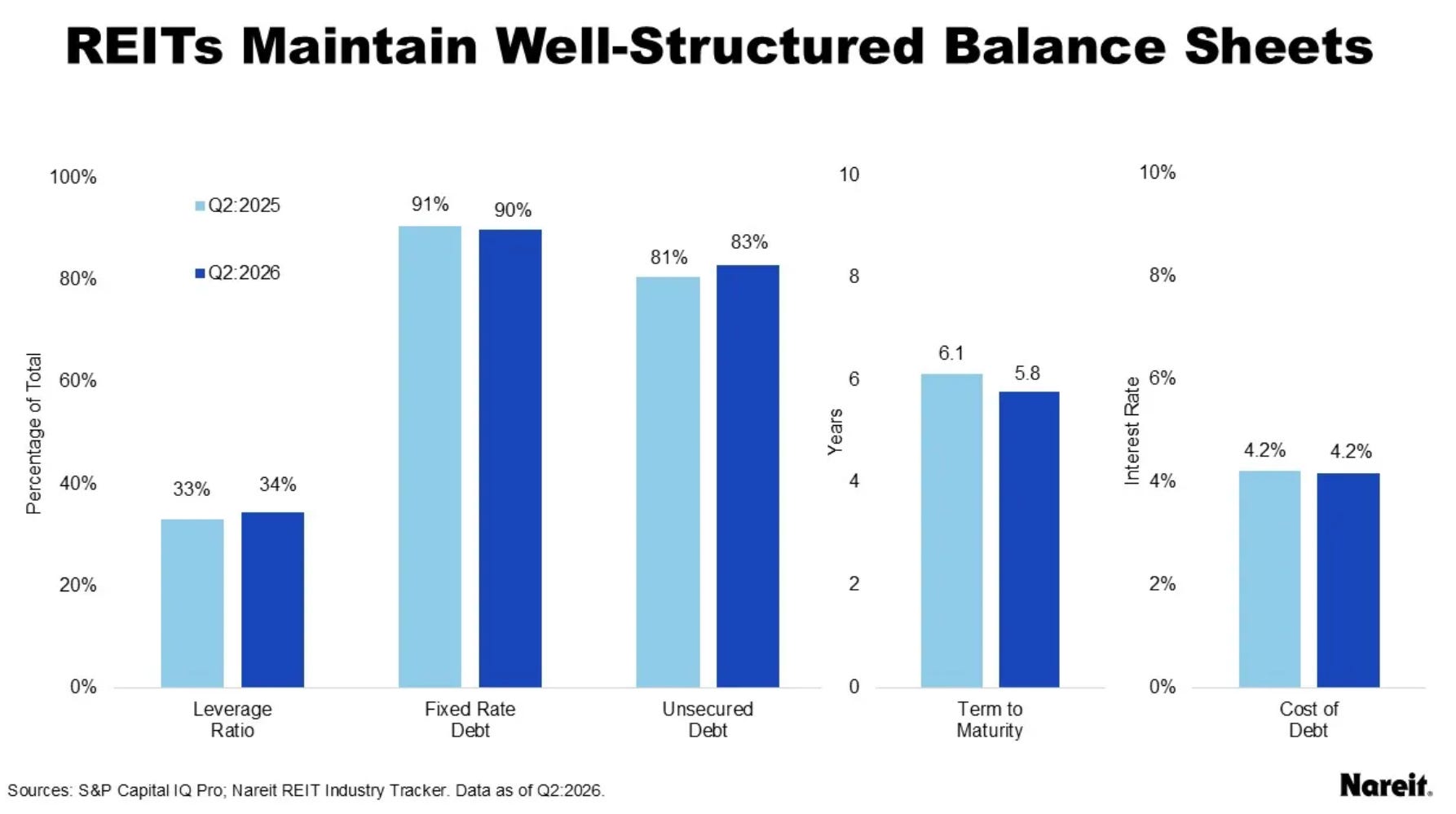
Because of this, higher interest rates affect borrowing costs gradually.
But the slowdown in new construction raises rents across 100% of existing properties.
I think the market is missing this dynamic.
Right now, publicly traded real estate (REITs) is a much better deal than private real estate.
Recent data shows two main things:
They are cheaper: REITs are priced at a significant discount (offering higher yields) compared to private real estate across all major property types (office, apartments, industrial, and retail).
They are fuller: Despite being cheaper, REIT properties generally have higher tenant occupancy rates than private buildings, meaning they are better managed.
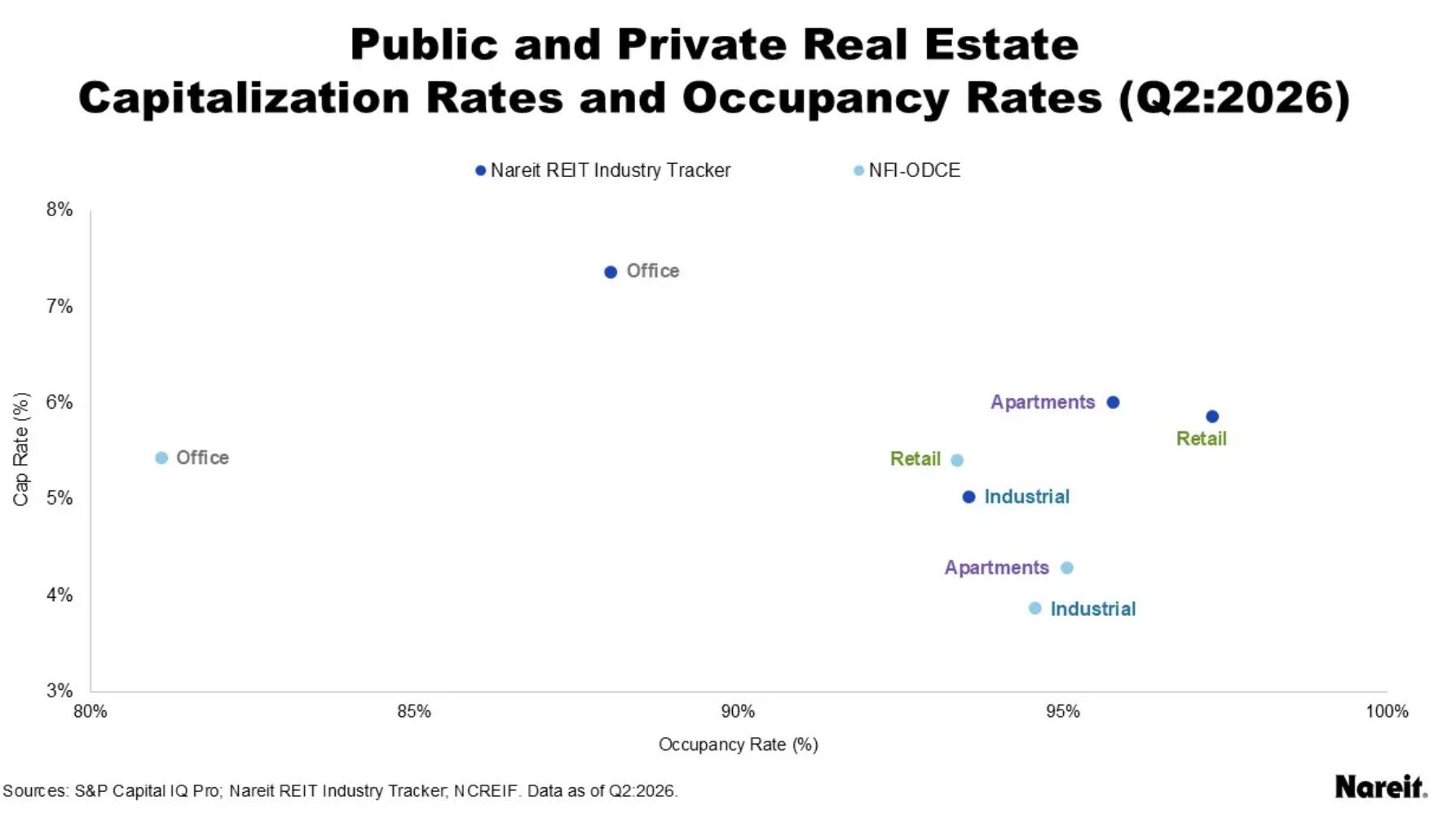
The takeaway is that investors can currently buy higher-quality, fuller buildings at a discount through public REITs than they can in private real estate.
November Best Buys
The current discount on REITs is why this month’s best buys are all REITs.
Let’s dive into 5 of our favorite income ideas for this month!
5. CTO Realty Growth ($CTO)
How does the company make money?
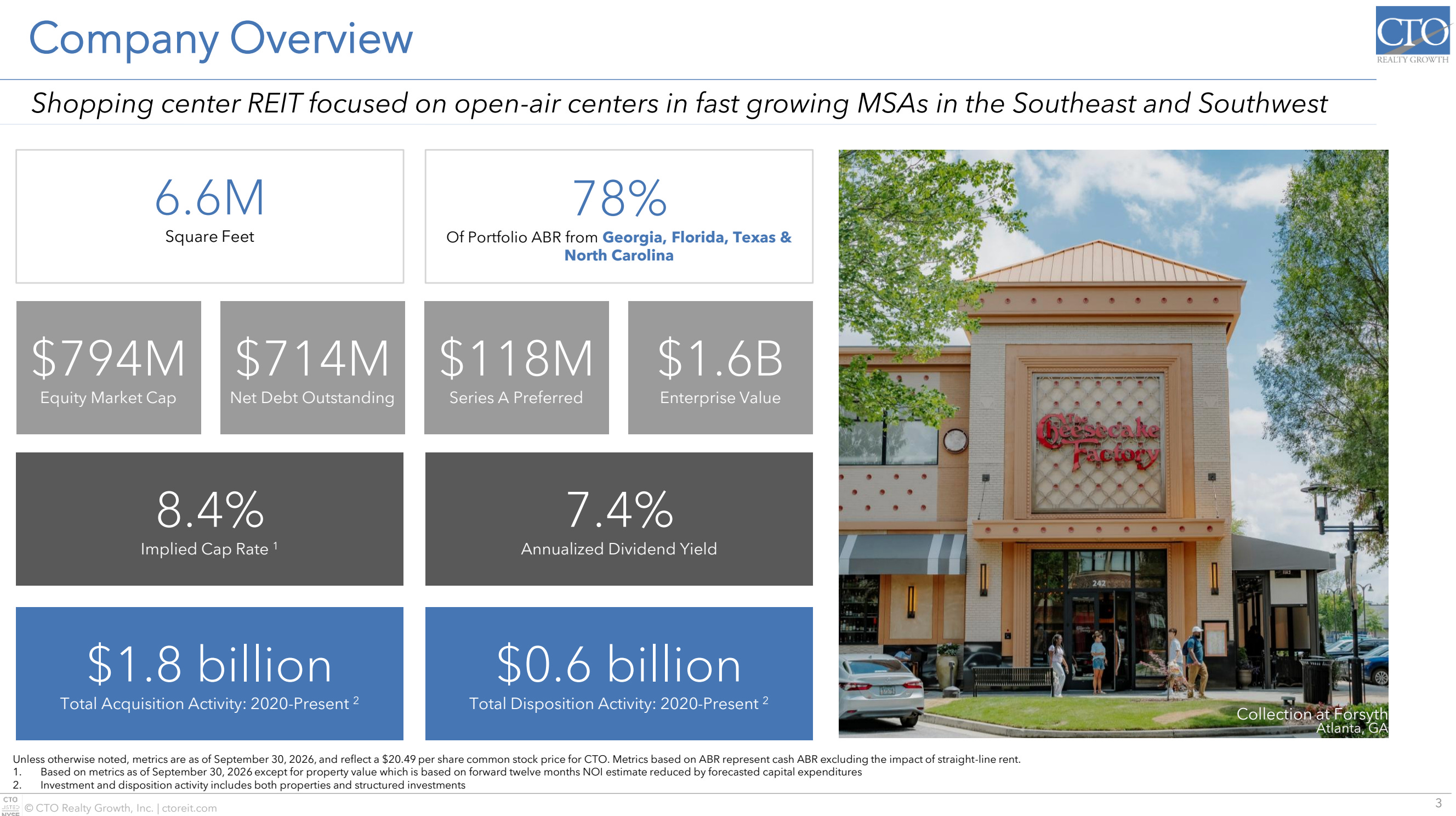
CTO Realty Growth owns and operates retail shopping centers in high-population density and high-income markets.
It also owns a stake in Alpine Income Property Trust ($PINE).
Why is it an interesting company?
CTO’s fundamentals look good.
In the most recent quarter, Core FFO per share grew 10% year-over-year, and management raised guidance.
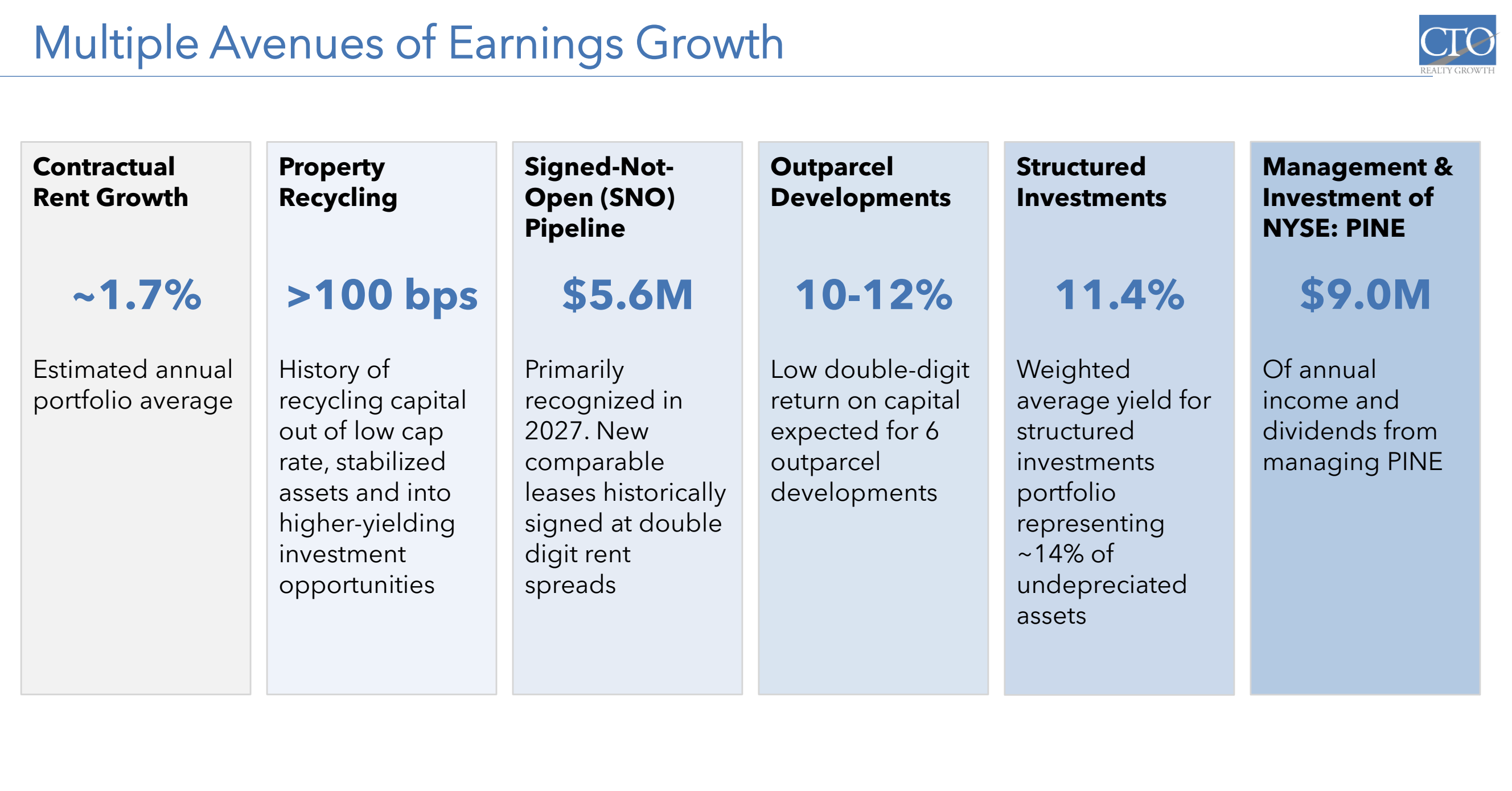
CTO has multiple ways to grow earnings.
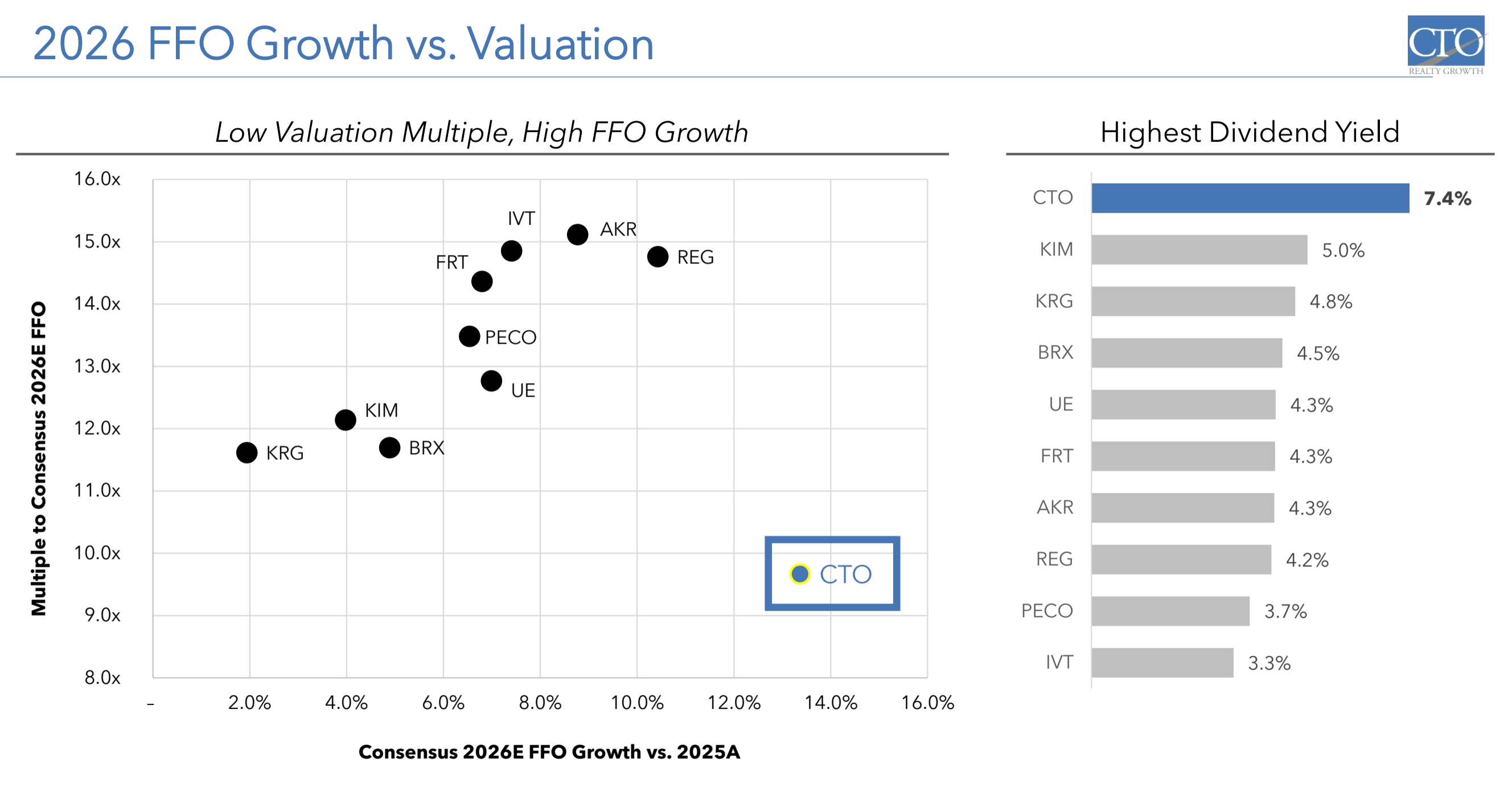
Despite that, it trades at a much cheaper multiple (and higher dividend yield) than peers.
4. Camden Property Trust ($CPT)
How does the company make money?
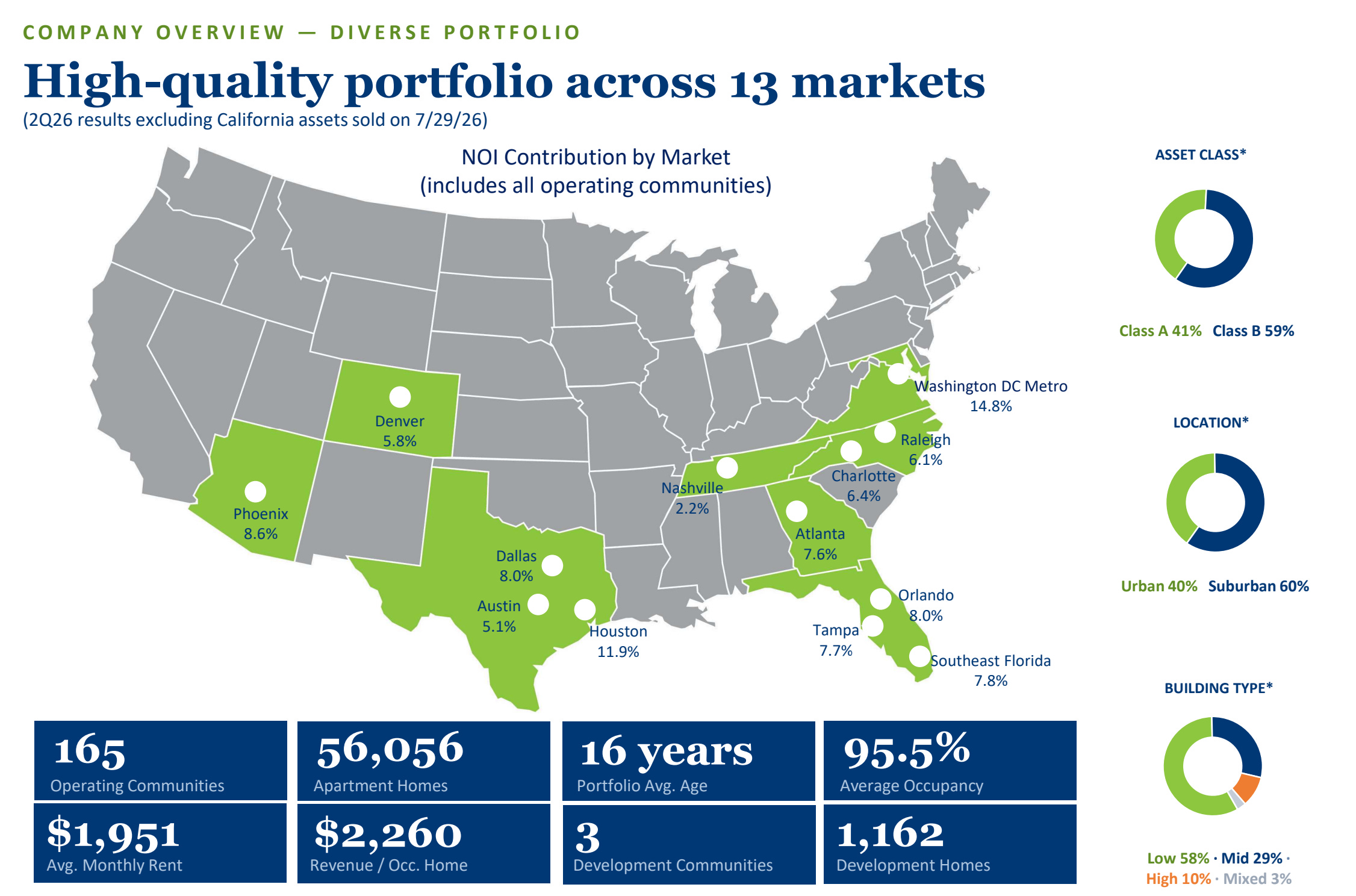
Camden is a residential REIT that owns and operates apartment communities across high-growth Sun Belt markets.
Why is it an interesting company?
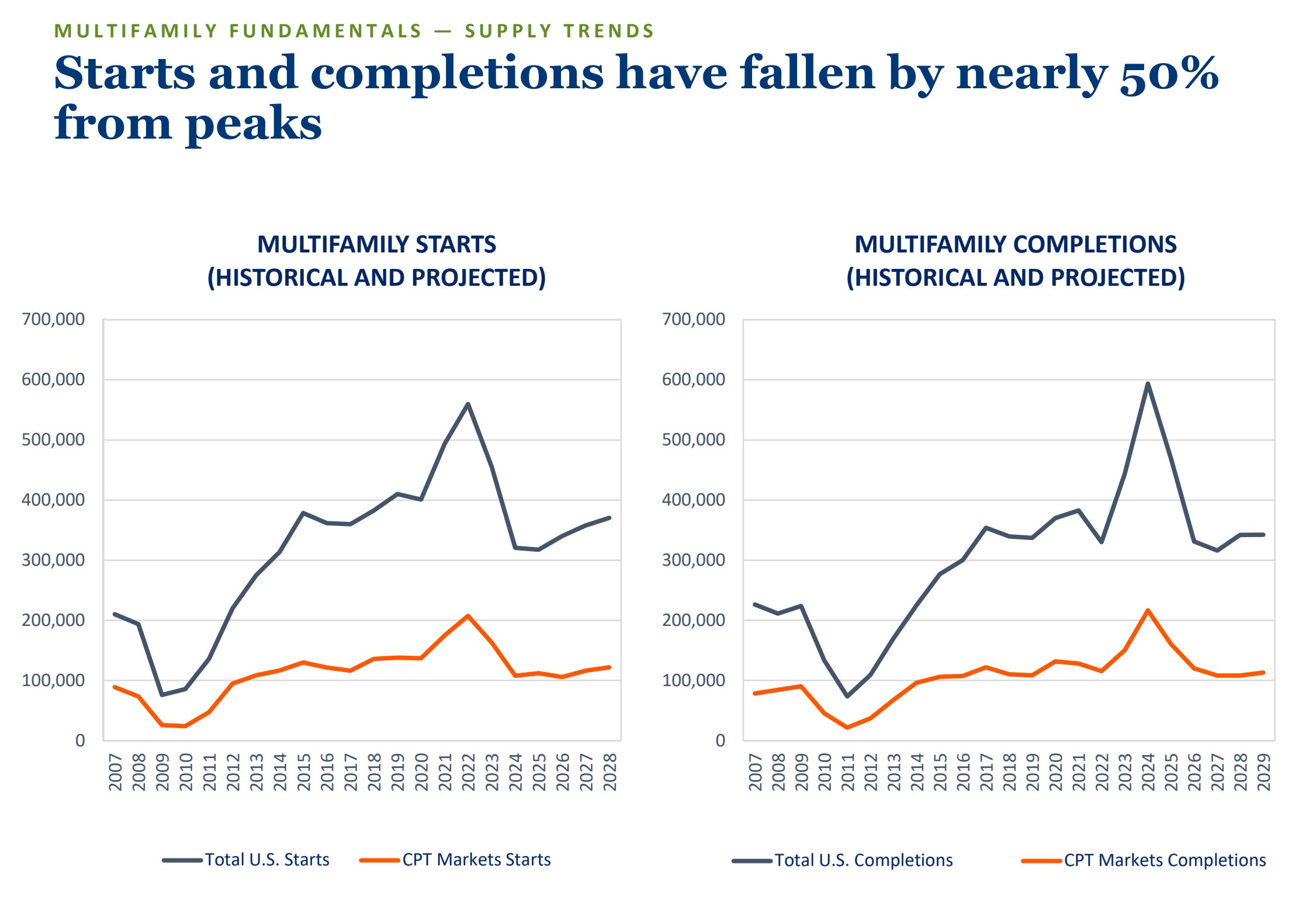
Years of oversupply hurt landlords like Camden, but new construction has now collapsed.
Higher interest rates have made it very difficult to build profitable new apartment developments.
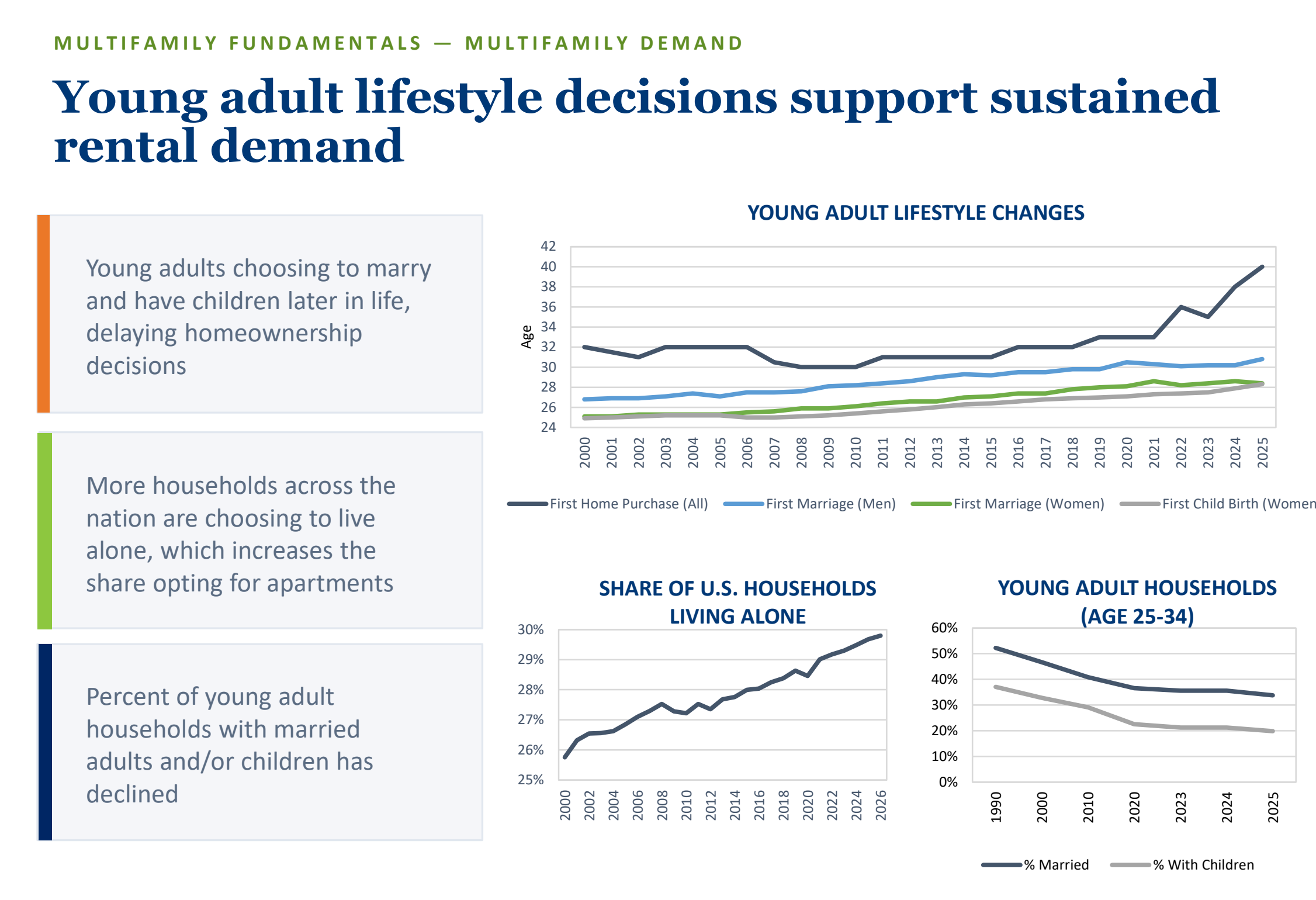
Demographic trends should keep apartment demand high.
Young adults are marrying and having children less, more of them are living alone, and the average age of the first-time homebuyer is increasing.
Upgrade for the Top 3
As a paid subscriber, you get immediate access to:
The full analysis, thesis, and valuation targets for our top 3 picks
Our complete Buy-Hold-Sell List tracking hundreds of quality compounders
Full access to our portfolio and real-time trade alerts
One Dividend At A Time,
-TJ
Used sources
Interactive Brokers: Portfolio data and executing all transactions
Fiscal.ai: Financial data
Disclaimer
As a reader of Compounding Dividends, you agree with our disclaimer. You can read the full disclaimer here.