

A new month, a new Best Buys List.
Each month, I’ll give an overview of my favorite stocks of the month.
Let’s dive into this update and show you some of my favorite stocks.
September 2026
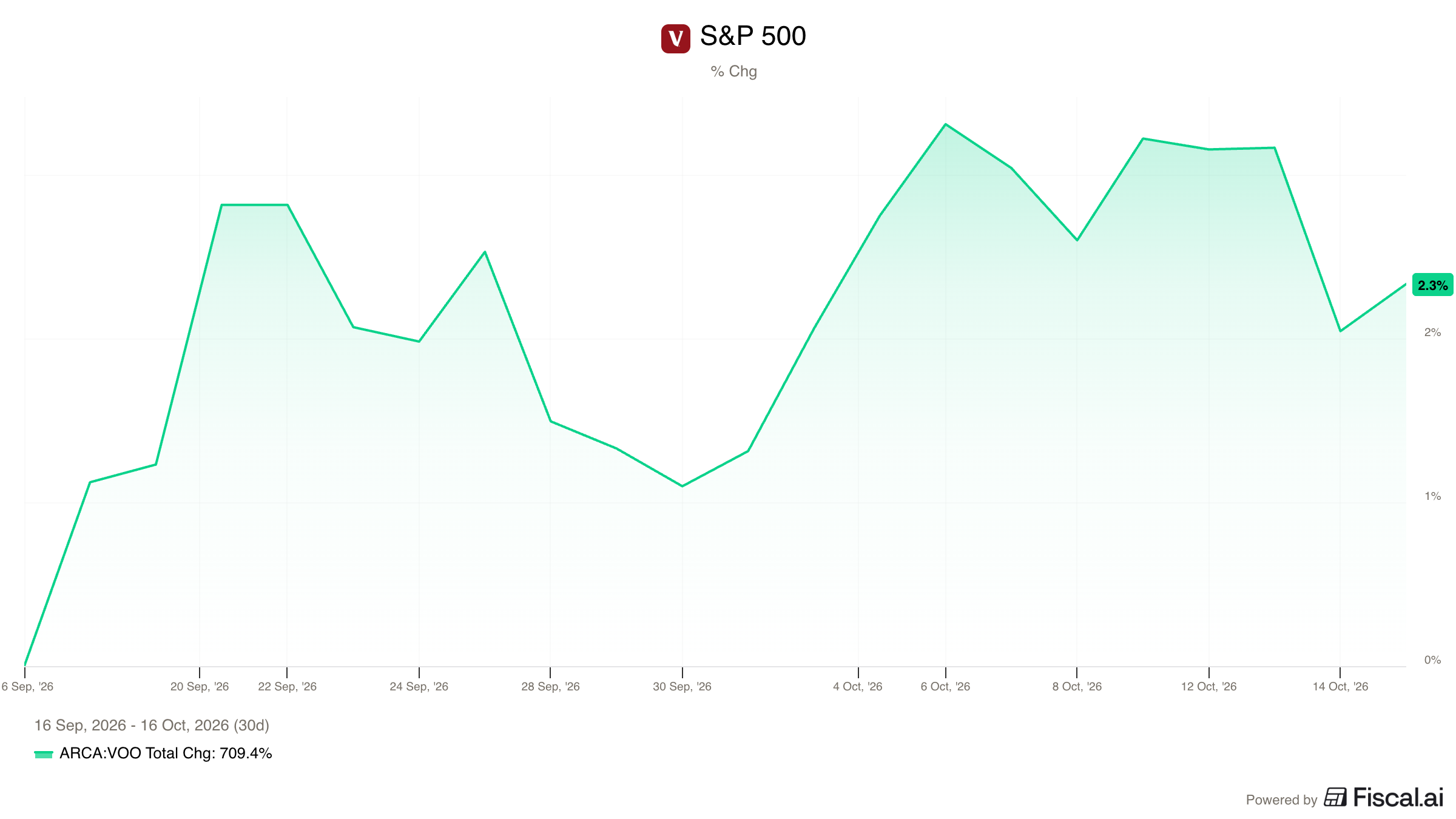
The S&P 500 is up +2.3% in the past month.
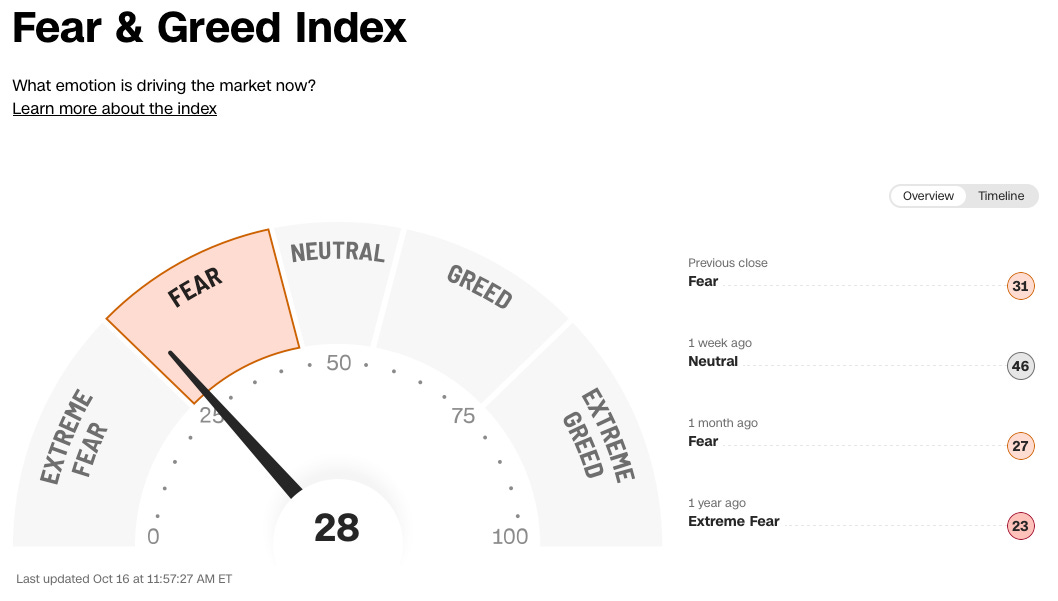
Investors are fearful today according to the Fear & Greed Index:
Best & Worst Performers
This overview shows you the best and worst performers in our investable universe.
Worst performers
The cheaper we can buy great companies, the better.
The biggest decliner this month? Arbor Realty, losing 38%.
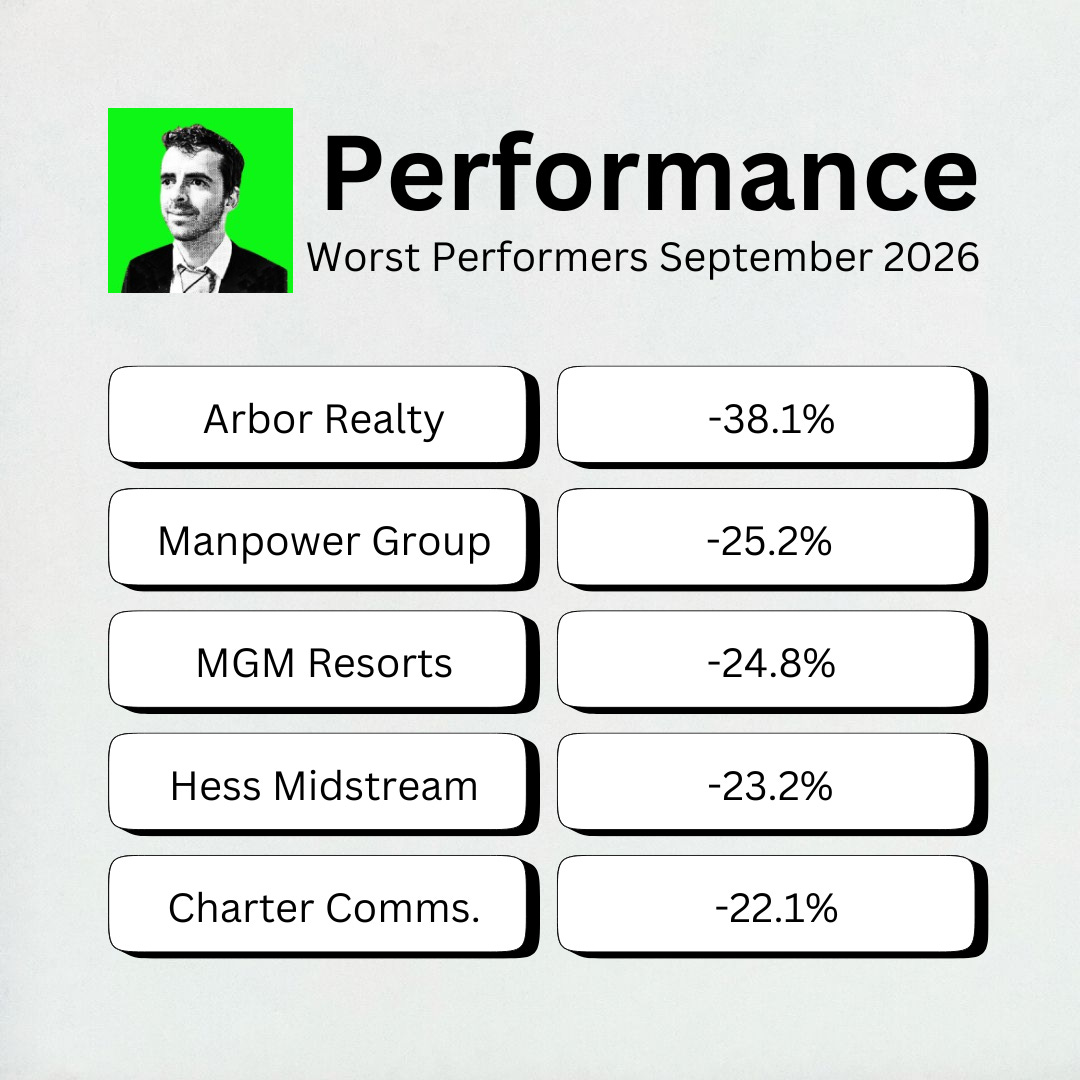
Arbor Realty Trust is a mortgage real estate investment trust (mREIT) that specializes in bridge loans and financing for multifamily and commercial real estate properties.
The stock has sold off due to higherTreasury yields, analyst downgrades, and concerns over distressed multifamily loans and dividend sustainability.
Best Performers
Kohl’s Corporation was this month’s best performer, increasing by 37%.
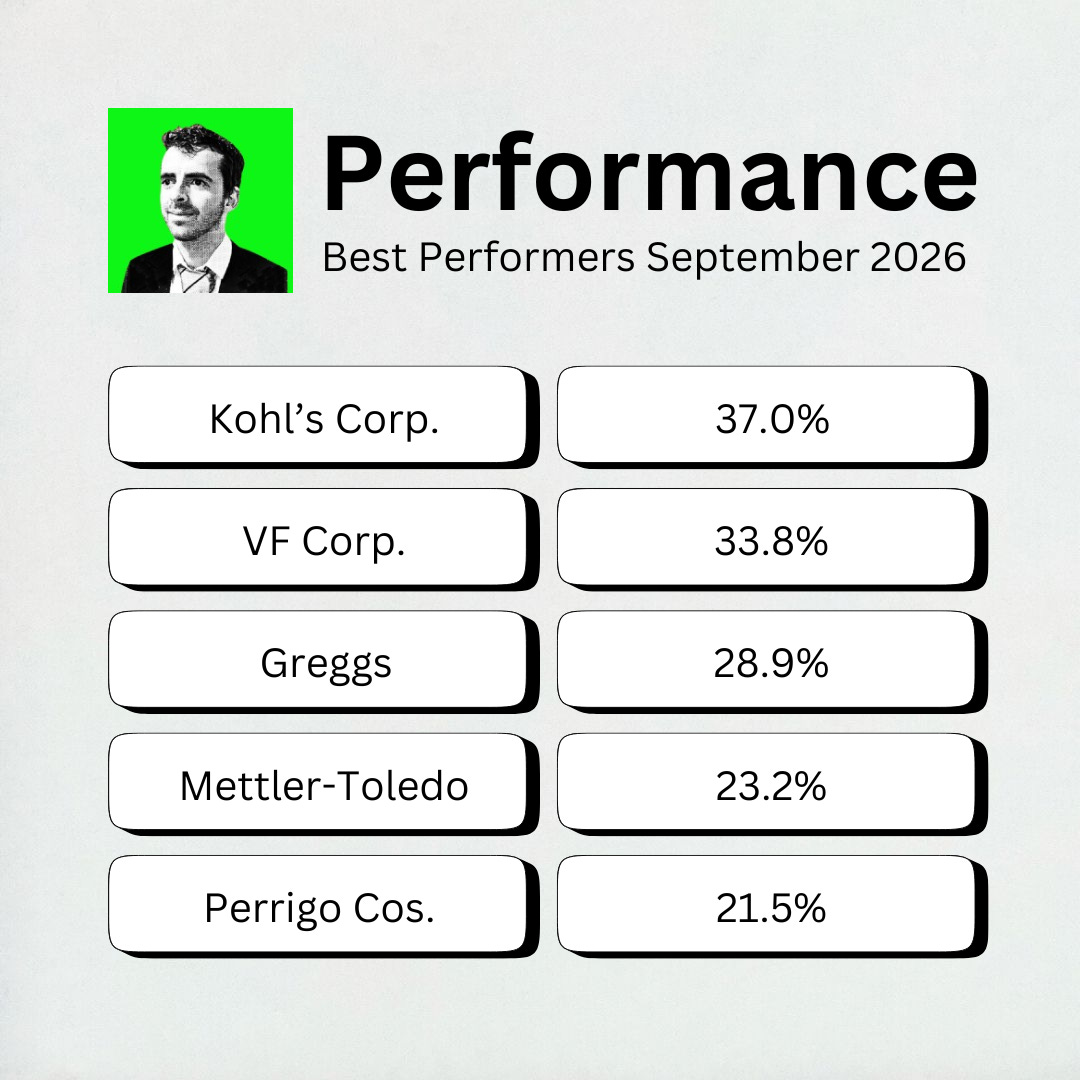
Kohl’s Corporation is a department store retail chain operating hundreds of locations across the United States alongside an e-commerce platform.
The stock is up after a better-than-feared quarterly earnings report, where the company delivered an earnings beat, expanded gross margins, raised its full-year profit guidance, and announced the resumption of its share repurchase program.
Spotlight: Stryker ($SYK)
How Stryker Makes Money
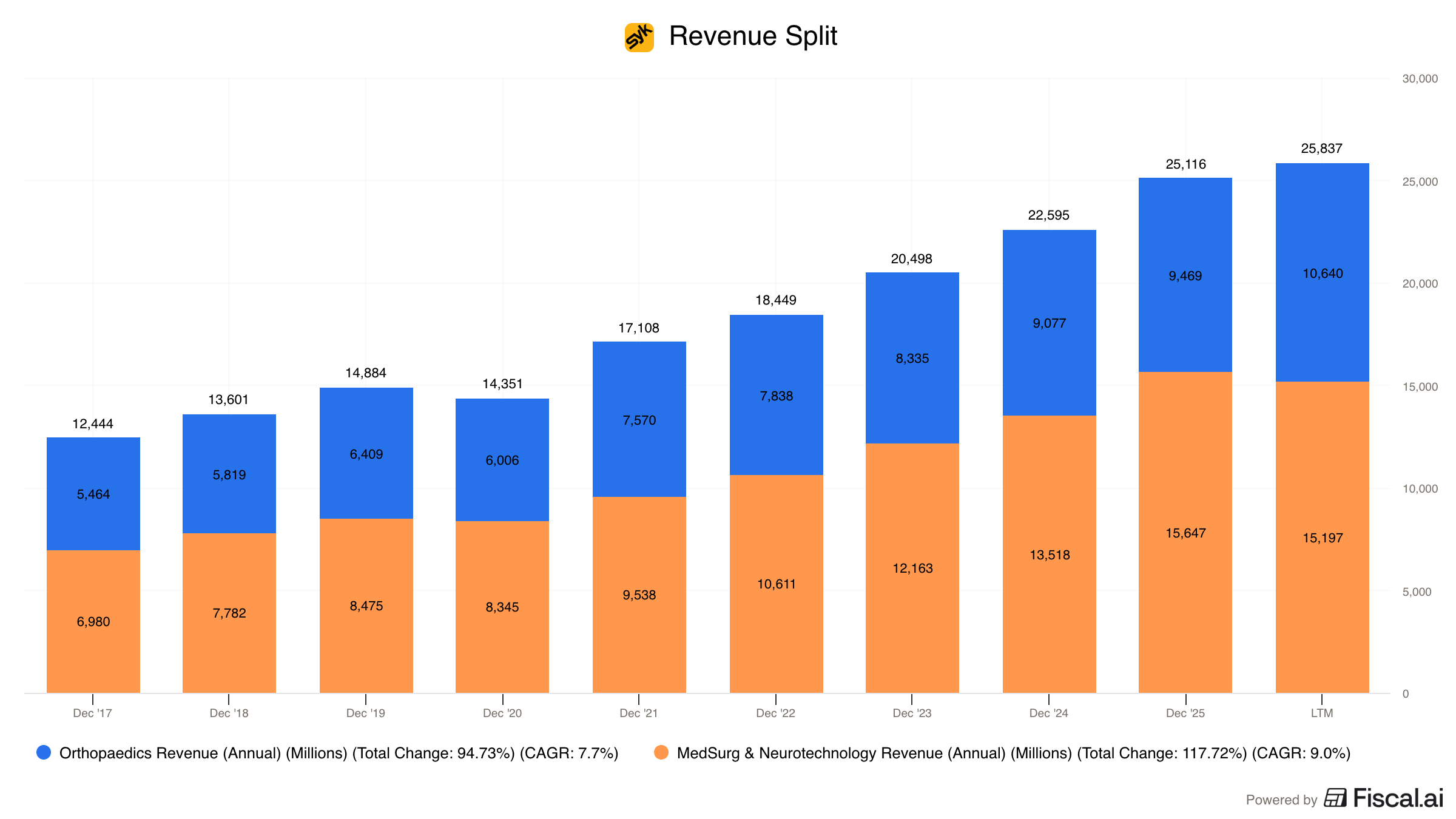
Stryker is a leader in medical technologies, providing surgical equipment and implants to healthcare facilities.
Stryker provides products across two main segments:
Orthopaedics and Spine (joint replacements, trauma implants)
MedSurg and Neurotechnology (surgical equipment, robotics, navigation systems)
Why Stryker deserves to be in the spotlight
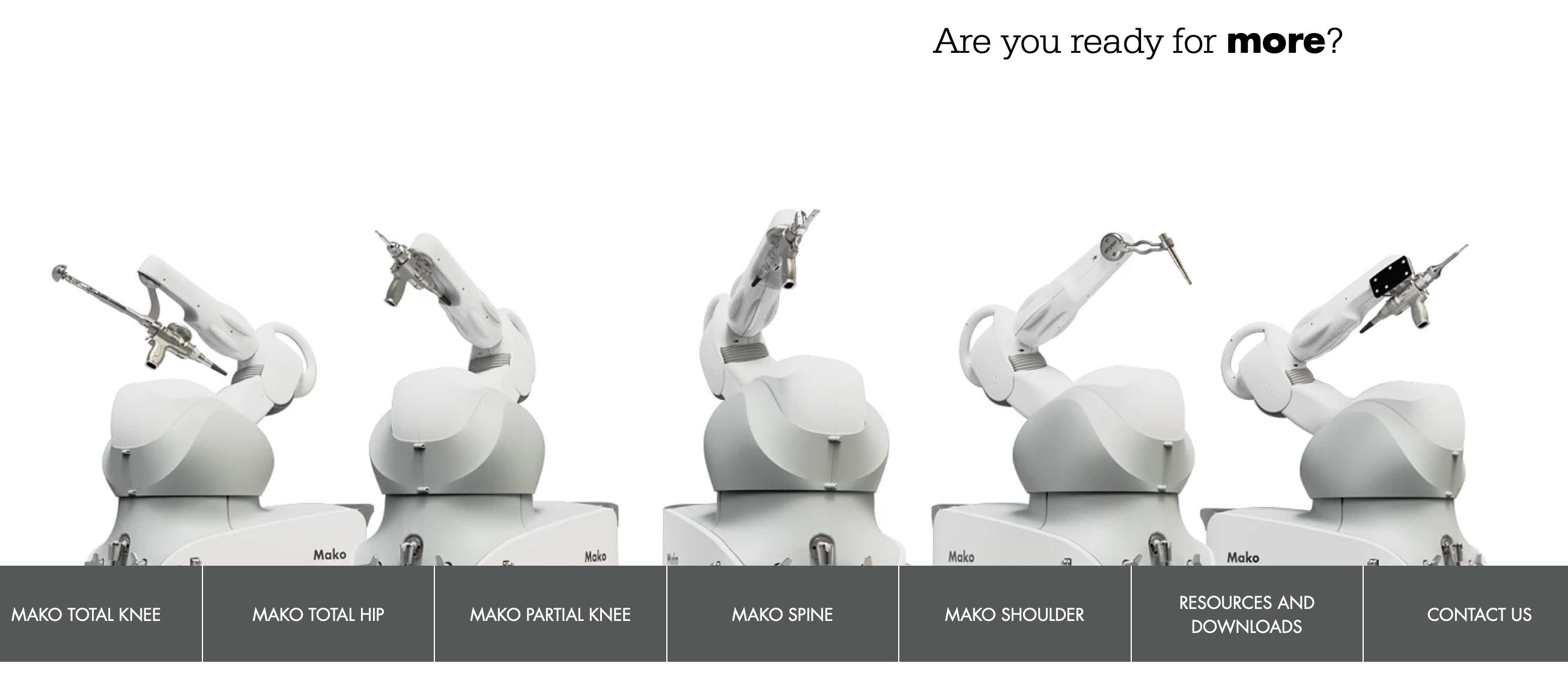
Robotic Leadership
Stryker’s Mako robotic-arm assisted surgery platform is a massive growth driver that creates a sticky ecosystem for hospitals. Once surgeons train on Mako, they rarely switch.
Recession Resistance
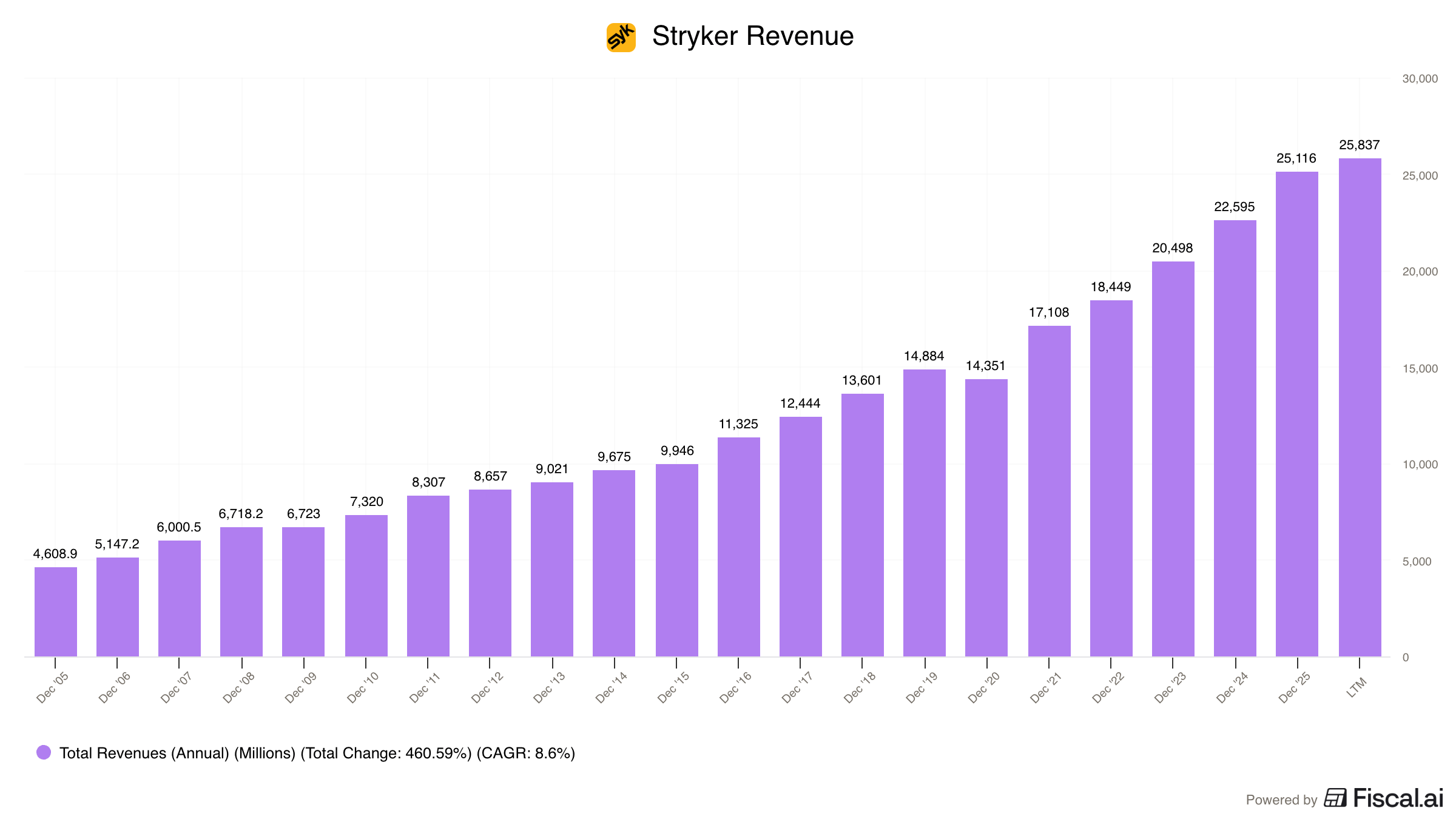
Healthcare is an ongoing, non-discretionary need, meaning hospitals and patients keep using Stryker’s devices no matter what the economy is doing.
Strategic Acquisitions
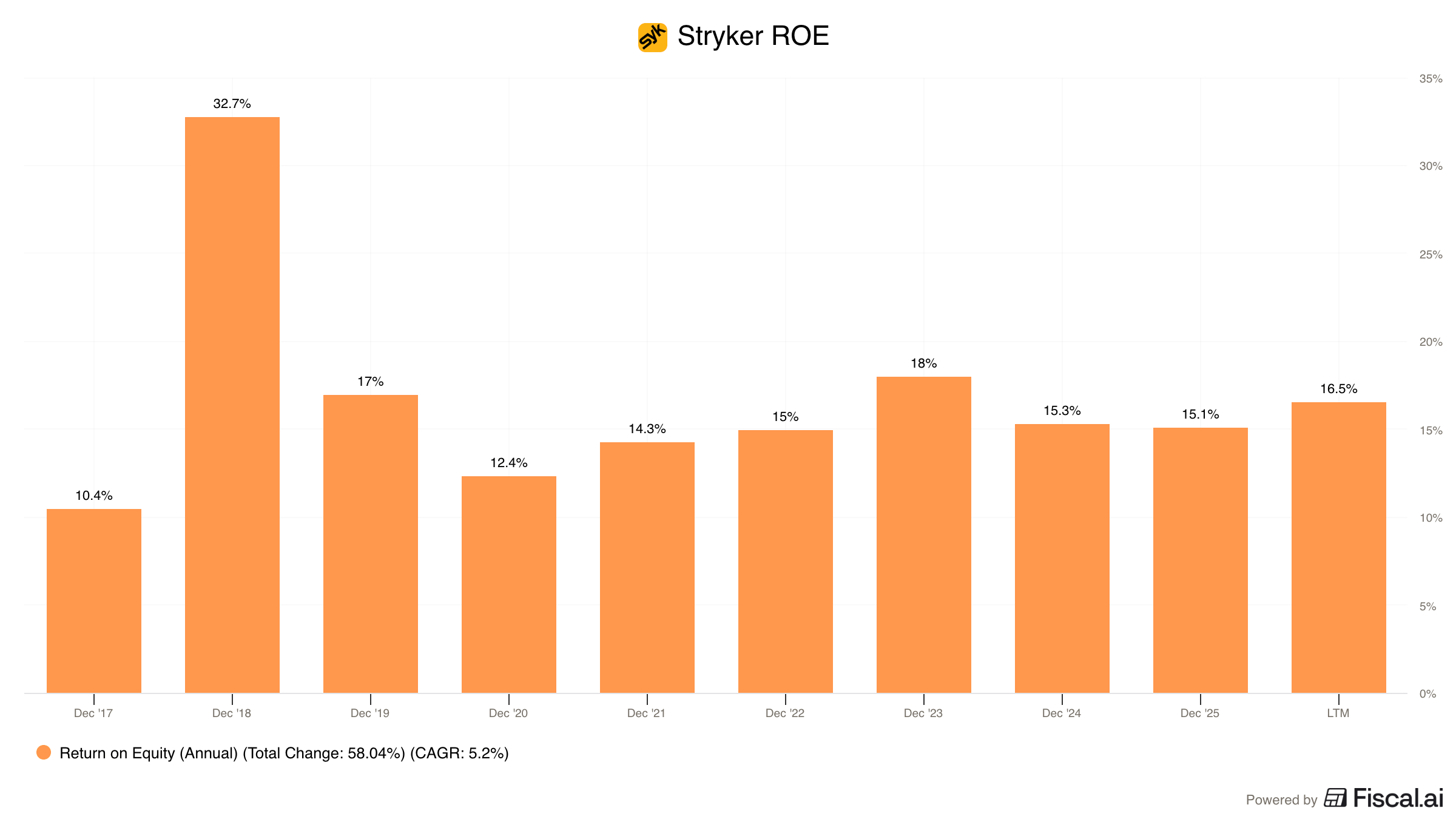
Stryker consistently uses its cash flow to acquire high-growth companies, recently expanding its portfolio with acquisitions like care.ai and Vertos Medical. They consistently deliver attractive returns on shareholder’s capital.
Why the stock is down:
Stryker is an incredibly strong business, but because it is an industry leader, the stock is almost always priced for perfection.
It’s traded at an average P/E ratio of 40 over the past decade.
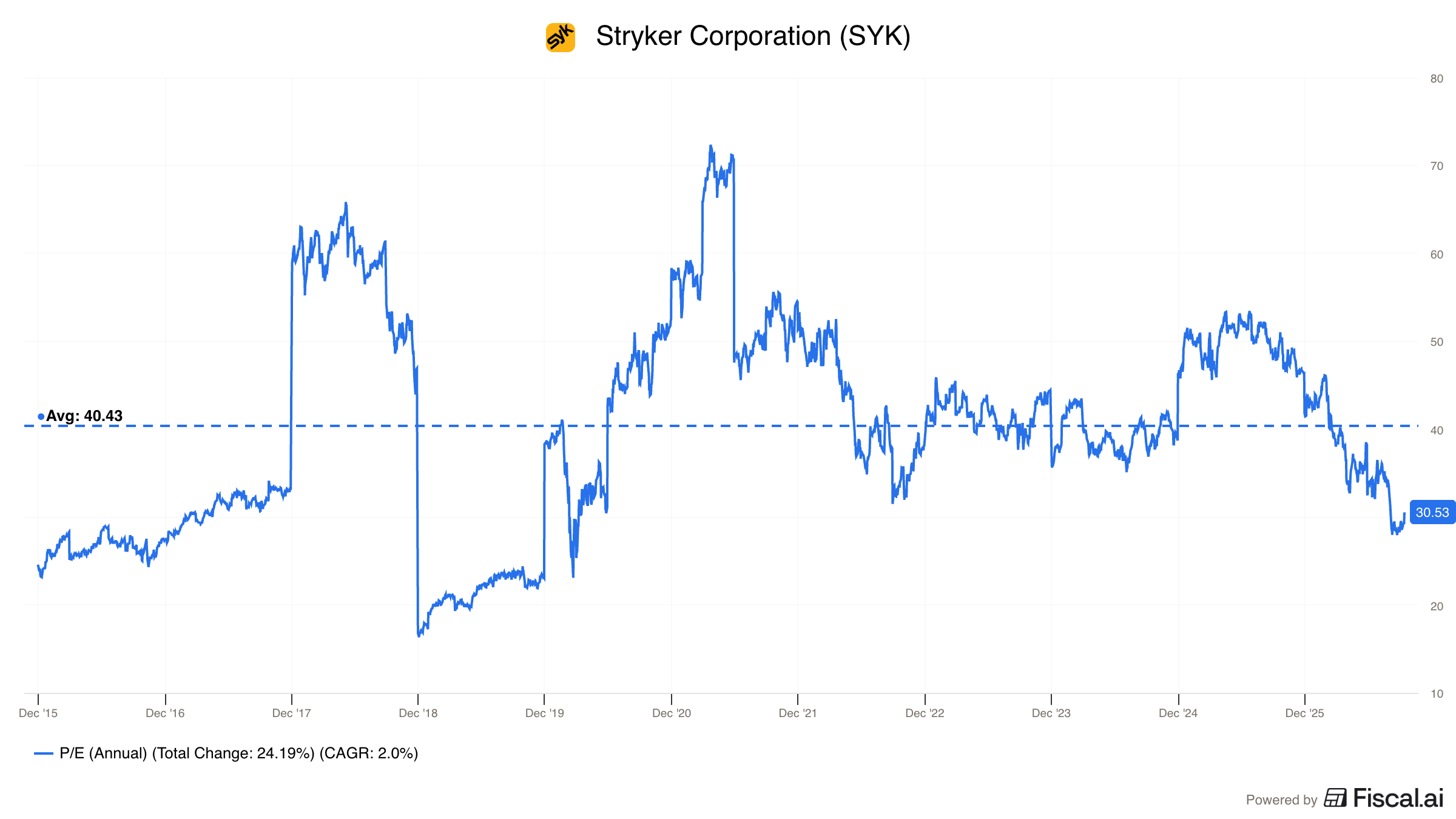
Recently, the market has worried about hospital capital equipment budgets.
There are also worries about whether GLP-1 weight-loss drugs could reduce the long-term need for joint replacements.
That has led to the stock steadily decreasing since the spring.
Stryker stock is down nearly 25% this year.
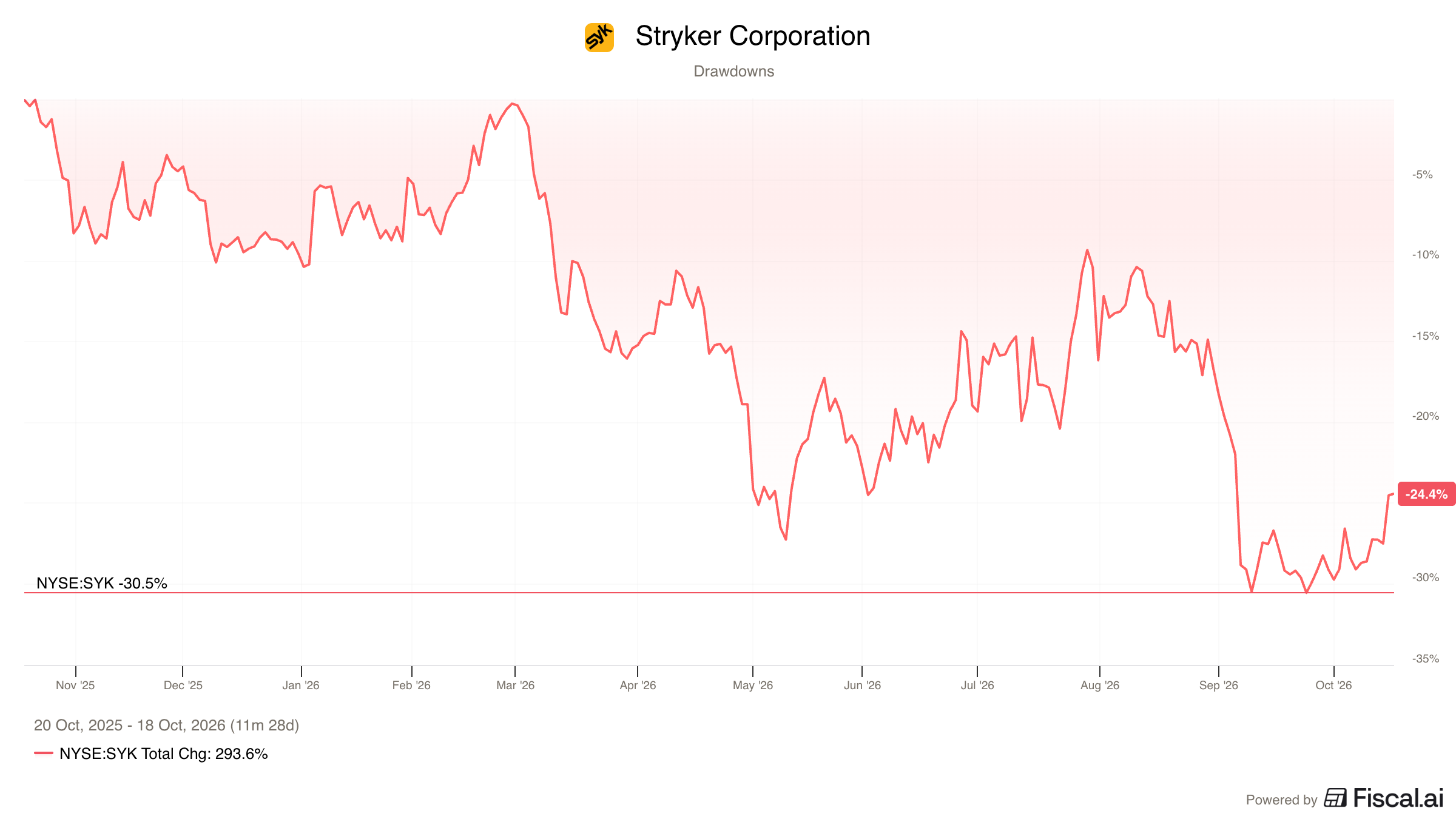
That’s brought it down from a very expensive valuation to a more reasonable multiple.
October Best Buys
I scanned our Buy-Hold-Sell List for great quality compounders, defensive stalwarts, and dependable dividend payers trading at attractive discounts.
Let’s dive into 5 of our favorite income ideas for this month!
5. Rollins ($ROL)
How does Rollins make money?
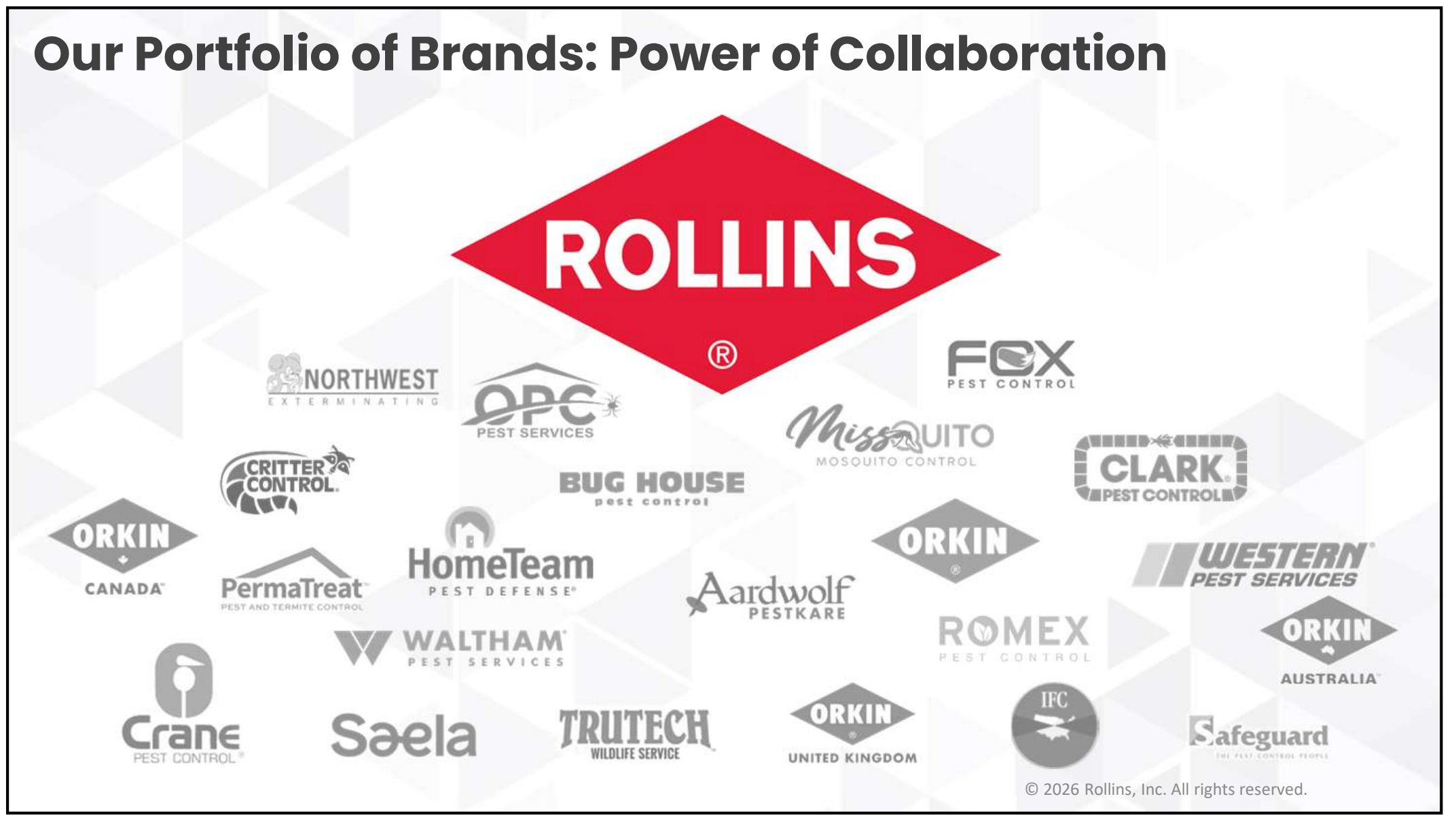
Rollins is the parent company of Orkin and a global leader in pest and termite control.
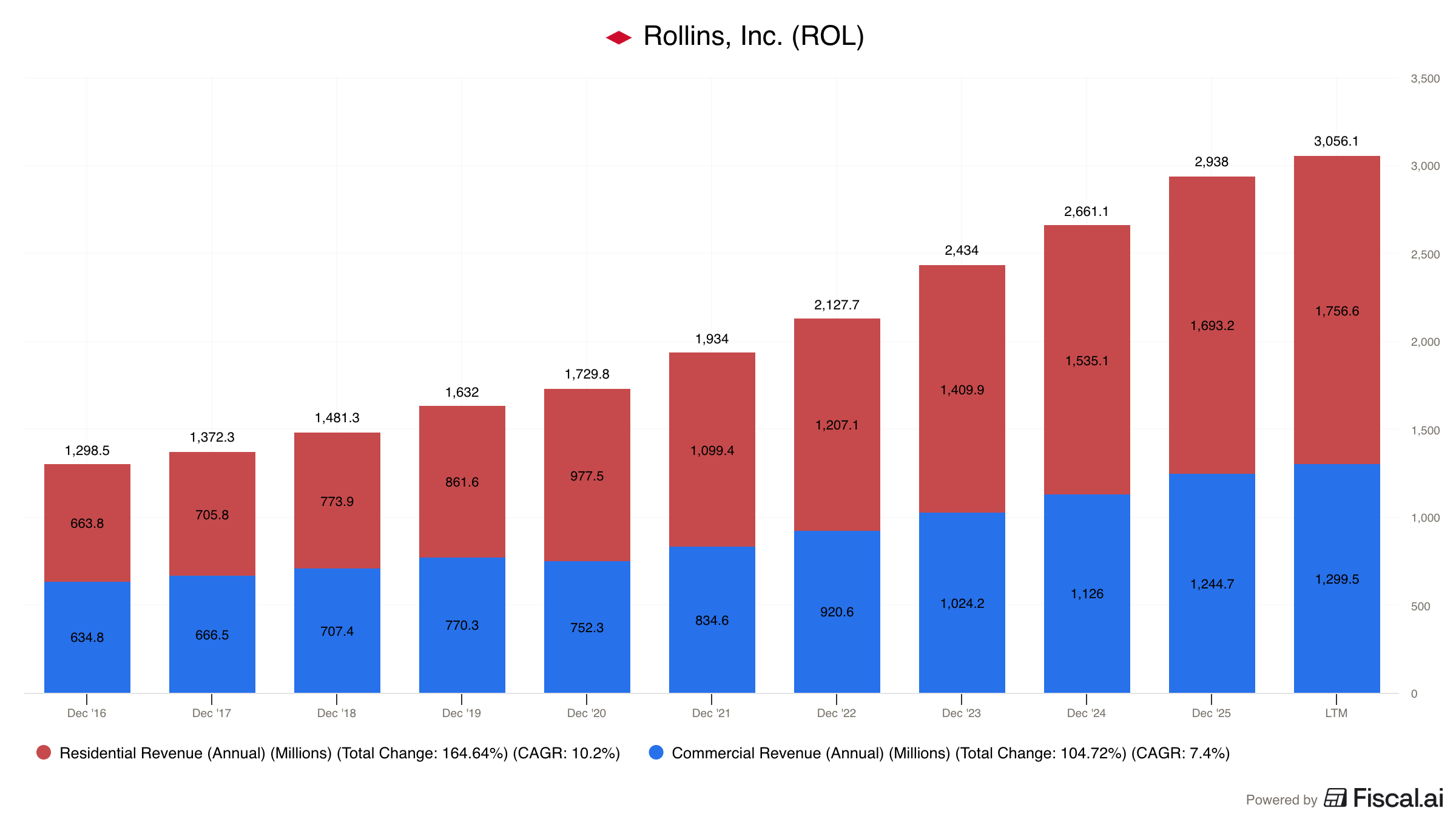
Rollins provides service to two main groups:
Residential homeowners
Commercial businesses
Pest control is a highly localized business.
The more customers Rollins has in a neighborhood, the less time technicians spend driving, creating route density and operating leverage.
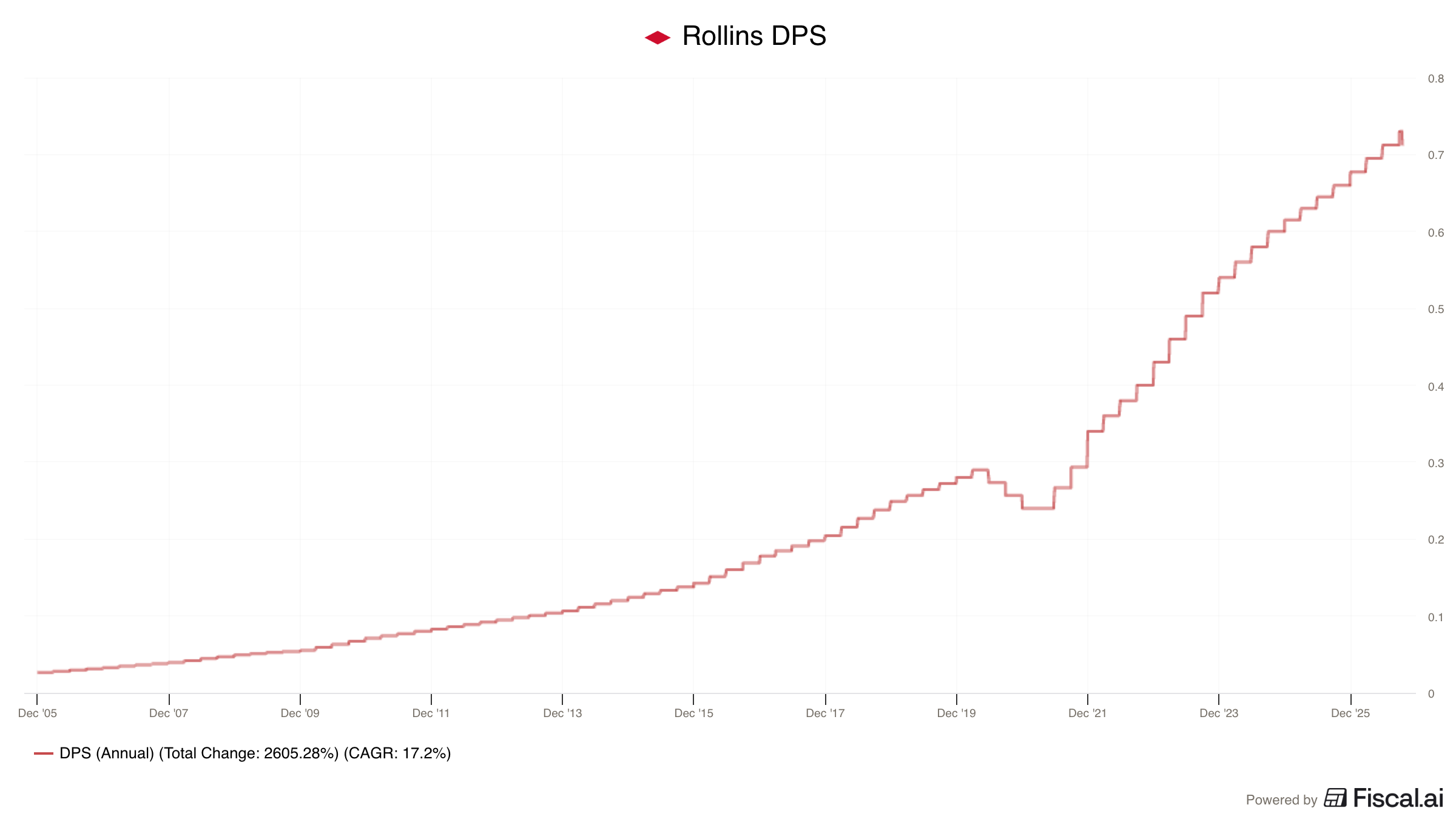
Customers usually sign long-term, recurring contracts, giving Rollins predictable, stable revenues to keep acquiring businesses and grow its dividend.
4. Lowe’s ($LOW)
How does Lowe’s make money?
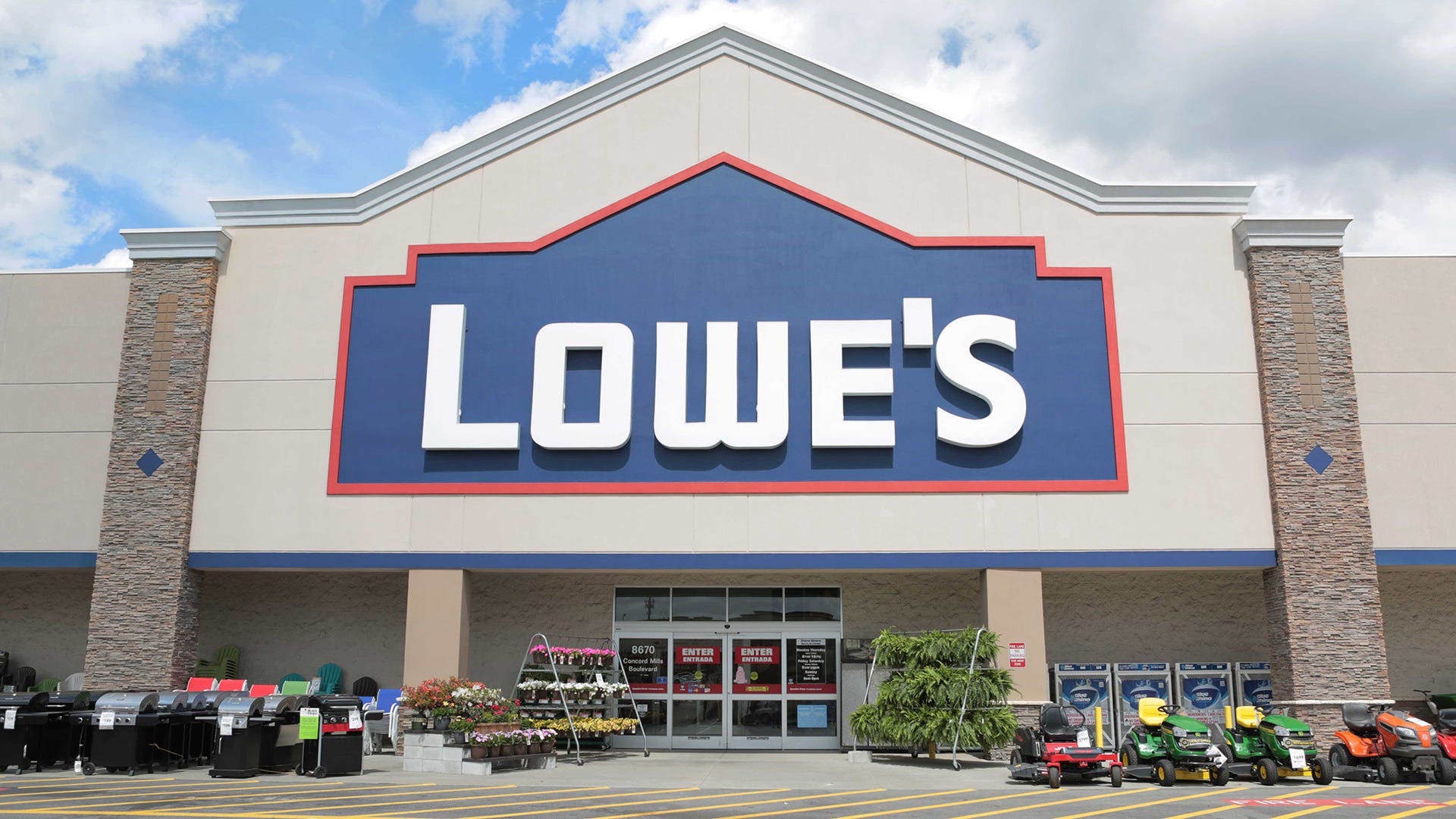
Lowe’s is one of the largest home improvement retailers in the world, operating nearly 2,000 stores across North America.
They serve two main customer bases:
Do-It-Yourself (DIY) retail customers
Professional contractors (Pros)
Home sales have been declining in the U.S. for two main reasons.
The pandemic pushed home prices up
Rising interest rates have made borrowing to buy a home more expensive
There were also a lot of big DIY projects completed during the pandemic, and the higher interest rates is making people hold off on them right now.
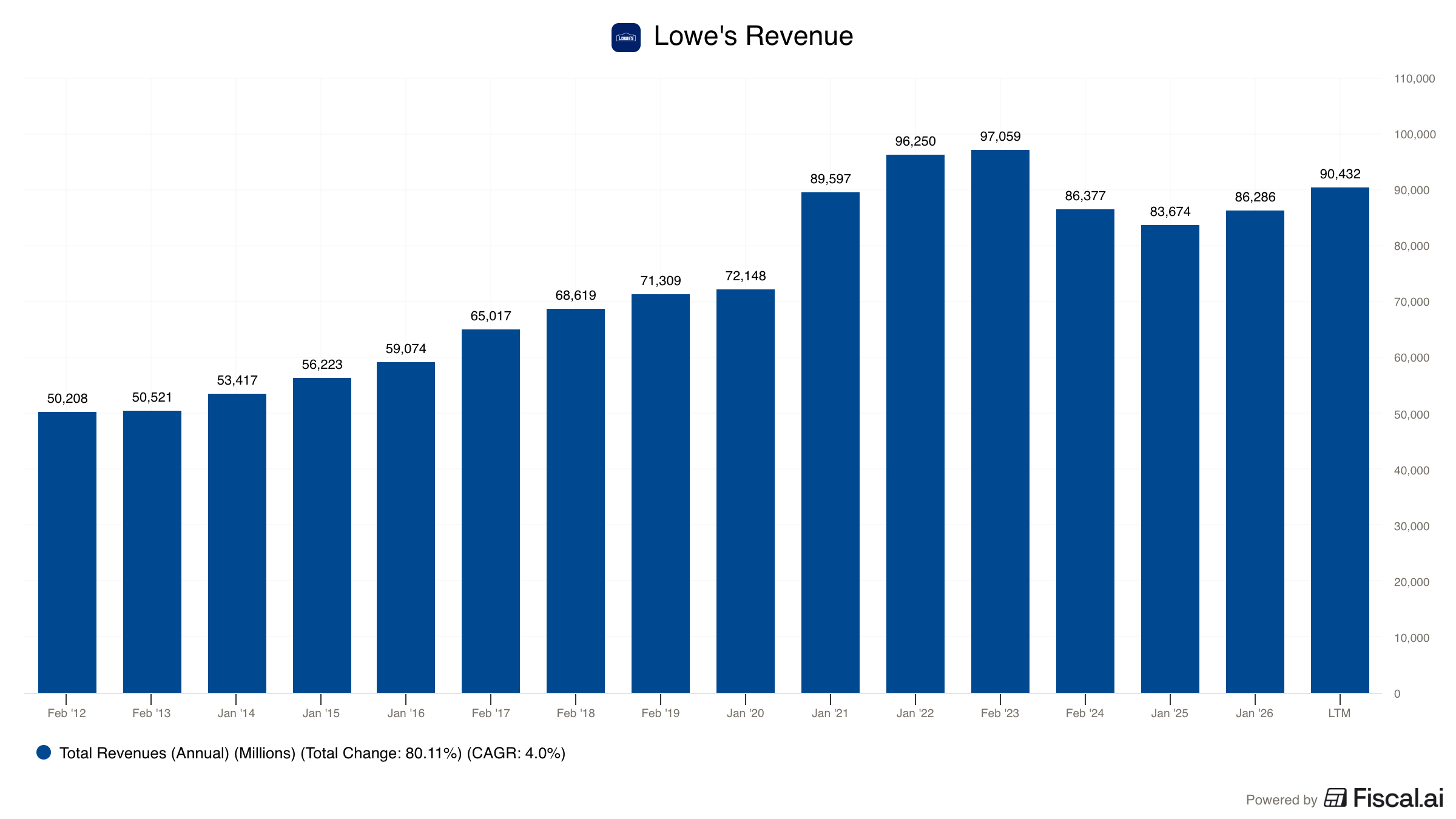
That’s why Lowe’s saw a big jump in revenue, followed by a pretty flat trend.
However, the U.S. housing stock is steadily aging.
Nearly half of the homes in the U.S. were built before 1980.
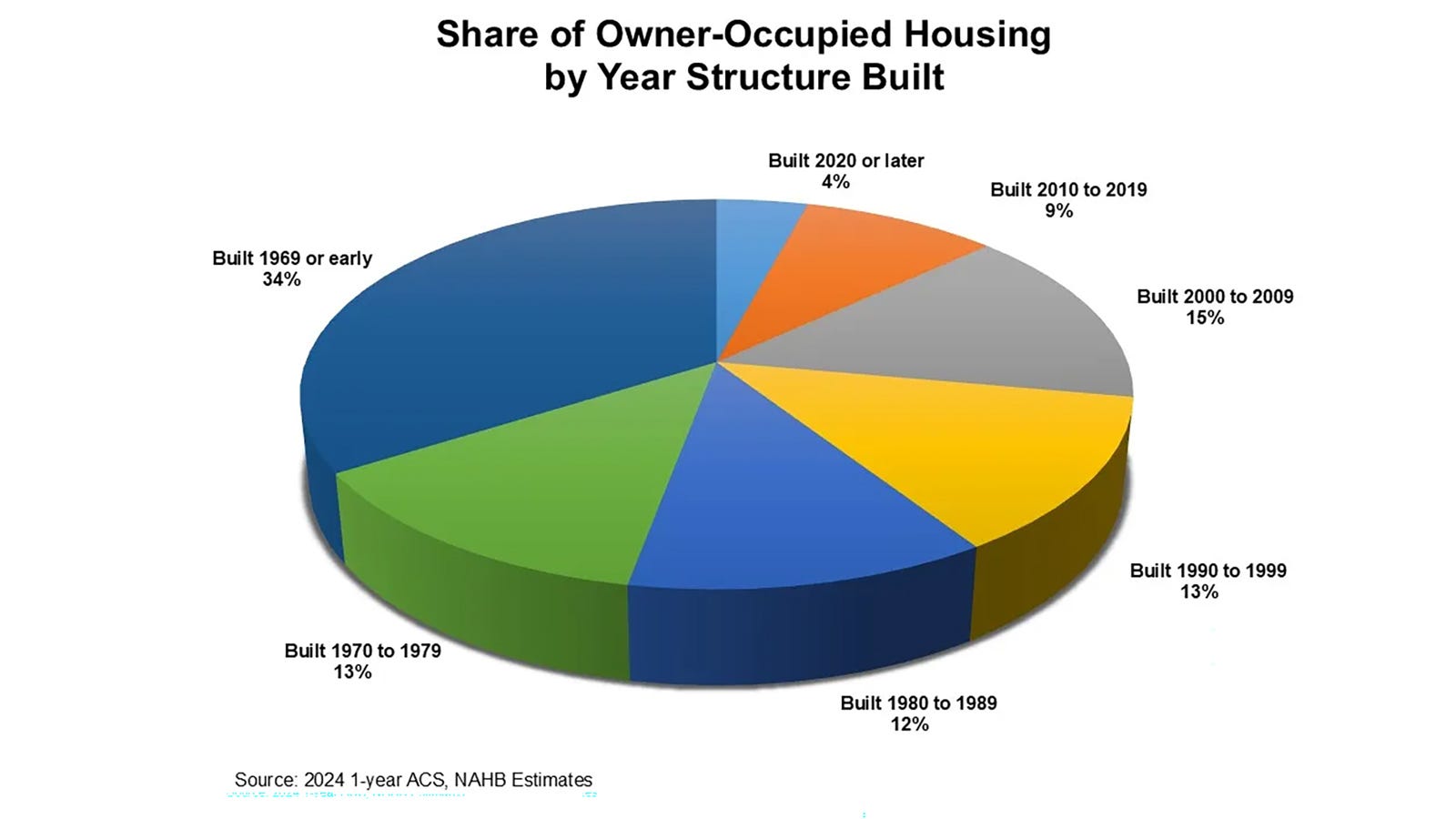
That means there’s a massive, deferred backlog of necessary repair and remodel demand that Lowe’s will eventually capitalize on.
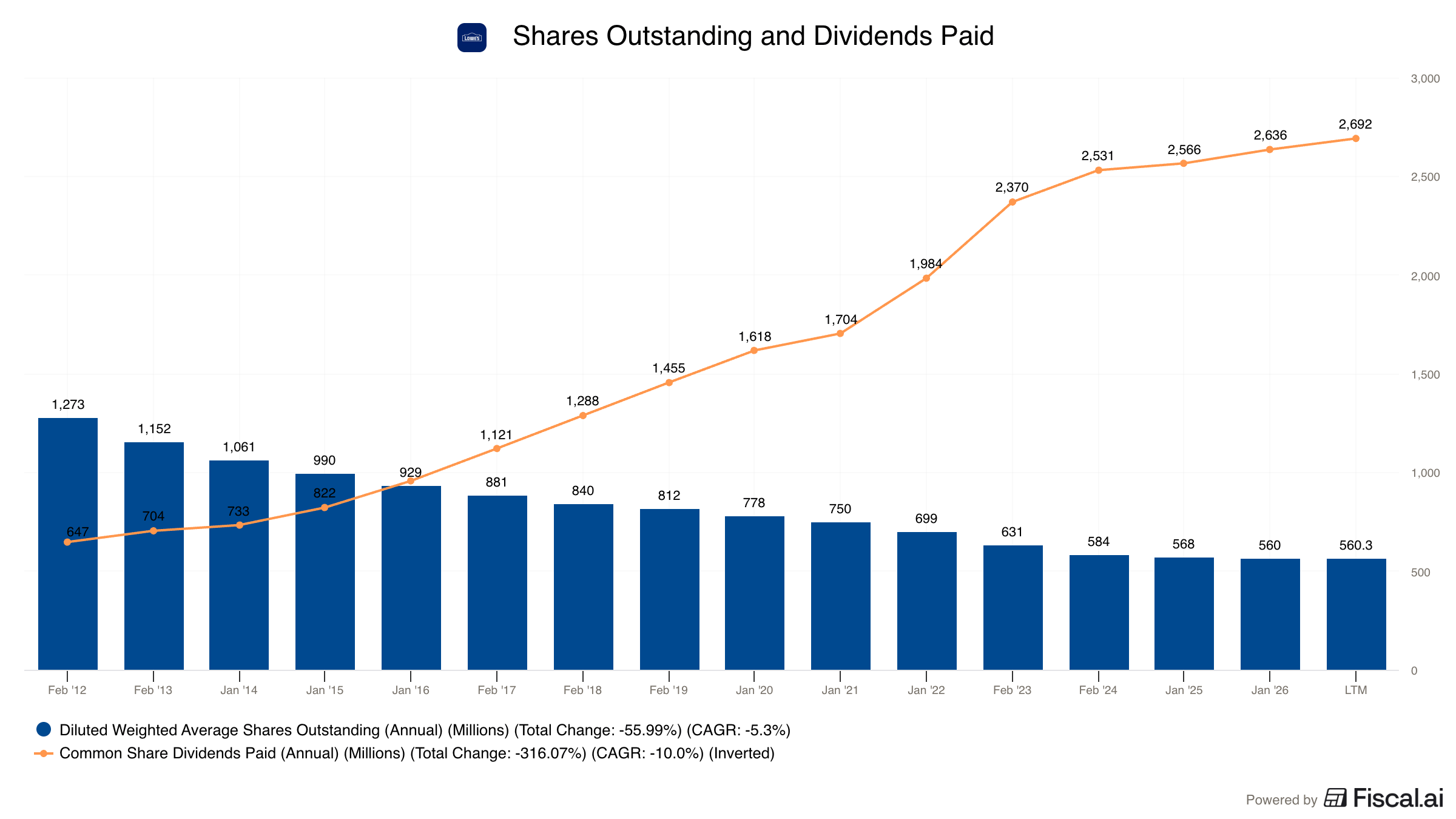
They have a long history of returning a lot of capital to shareholders through both dividends and buybacks.
Upgrade for the Top 3
As a paid subscriber, you get immediate access to:
The full analysis, thesis, and valuation targets for our top 3 picks
Our complete Buy-Hold-Sell List tracking hundreds of quality compounders
Full access to our portfolio and real-time trade alerts
One Dividend At A Time,
-TJ
Used sources
Interactive Brokers: Portfolio data and executing all transactions
Fiscal.ai: Financial data
Disclaimer
As a reader of Compounding Dividends, you agree with our disclaimer. You can read the full disclaimer here.
Arbor Realty falling 38% on higher Treasury yields and distressed multifamily loan worries, while Kohl's gained 37% on a guidance raise and resumed buybacks, is a stark split in one month. Good to see the reasons behind each move laid out.