

Today is Dividend Day.
The series where I teach you 5 things about dividend investing in less than 5 minutes.
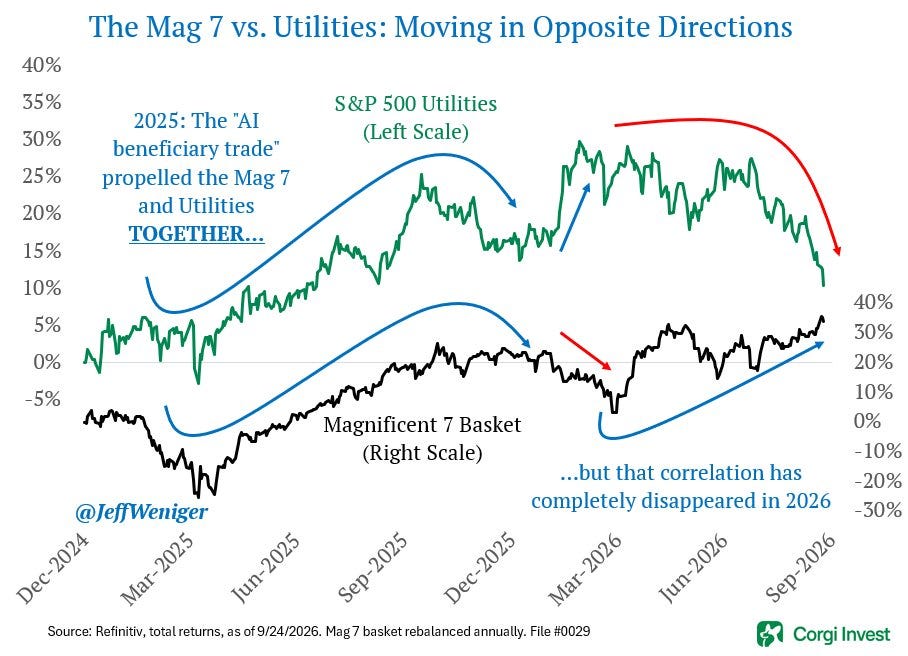
1️⃣ Utilities and The Mag 7 Now Move In Opposite Directions
Through 2025, utilities and the Magnificent 7 stocks traded together.
Utilities were seen as beneficiaries of the AI buildout.
But in 2026, that correlation has completely reversed.
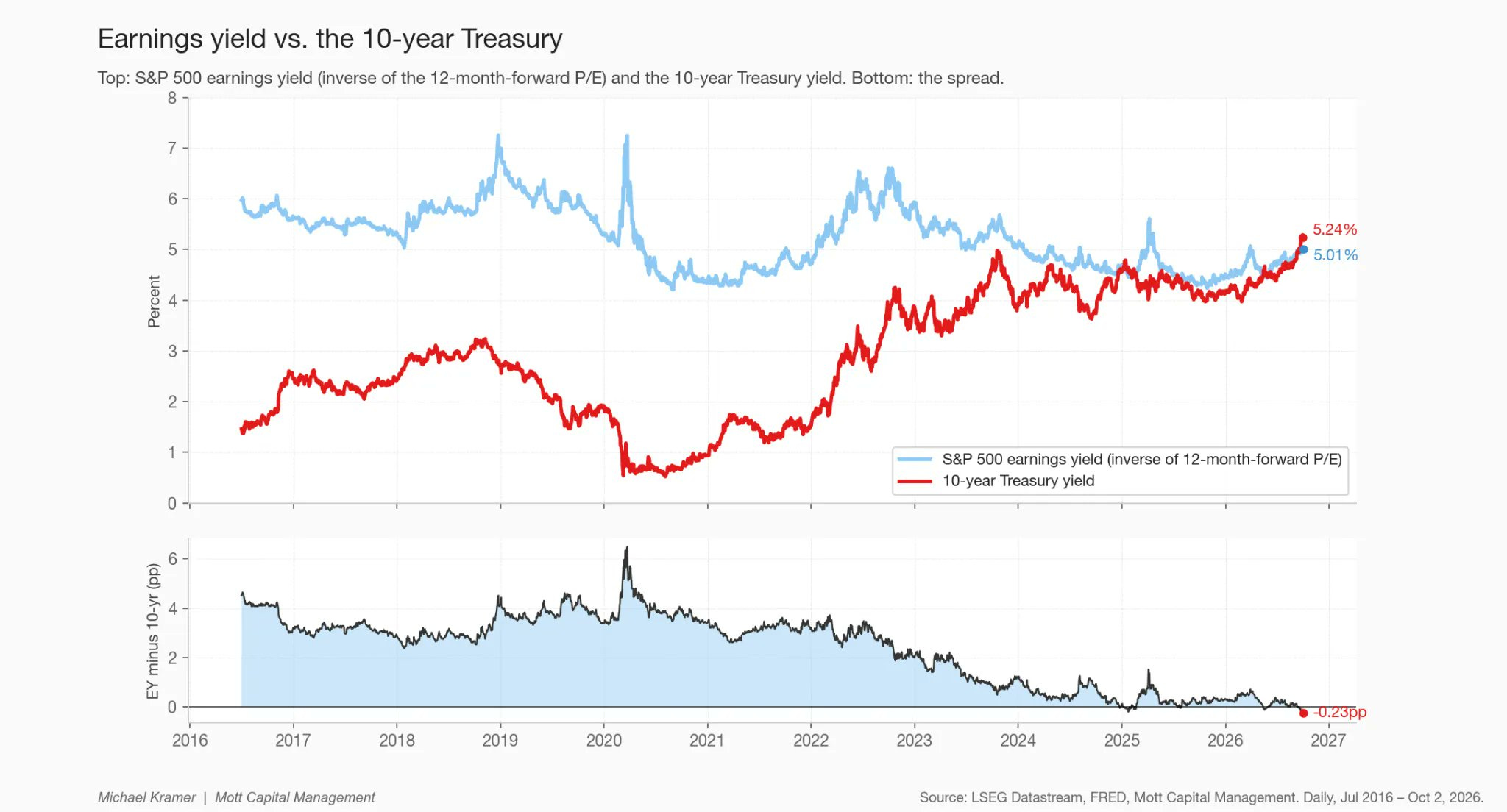
2️⃣ Bonds Now Yield More Than Equities
The 10-year Treasury yield (5.24%) is above the S&P 500's forward earnings yield (5.01%).
The earnings yield simply measures how much companies are expected to earn relative to their current stock price (the inverse of the P/E ratio).
Because the 10-year Treasury pays more than the stock market's earnings yield, the risk premium for stocks is now gone.
If Treasury yields keep climbing, either corporate earnings must rise rapidly, or stock prices must fall to make stocks competitive again.
3️⃣ An Investing Quote
Warren Buffett knows the importance of interest rates.
When they go up, it changes the return investors (should) demand from stocks.
“Interest rates are to stock prices what gravity is to matter. If interest rates were nothing and they’re going to be nothing forever, you’d be buying stuff that would yield you one percent or two percent.”
— Warren Buffett

4️⃣ An Investing Resource
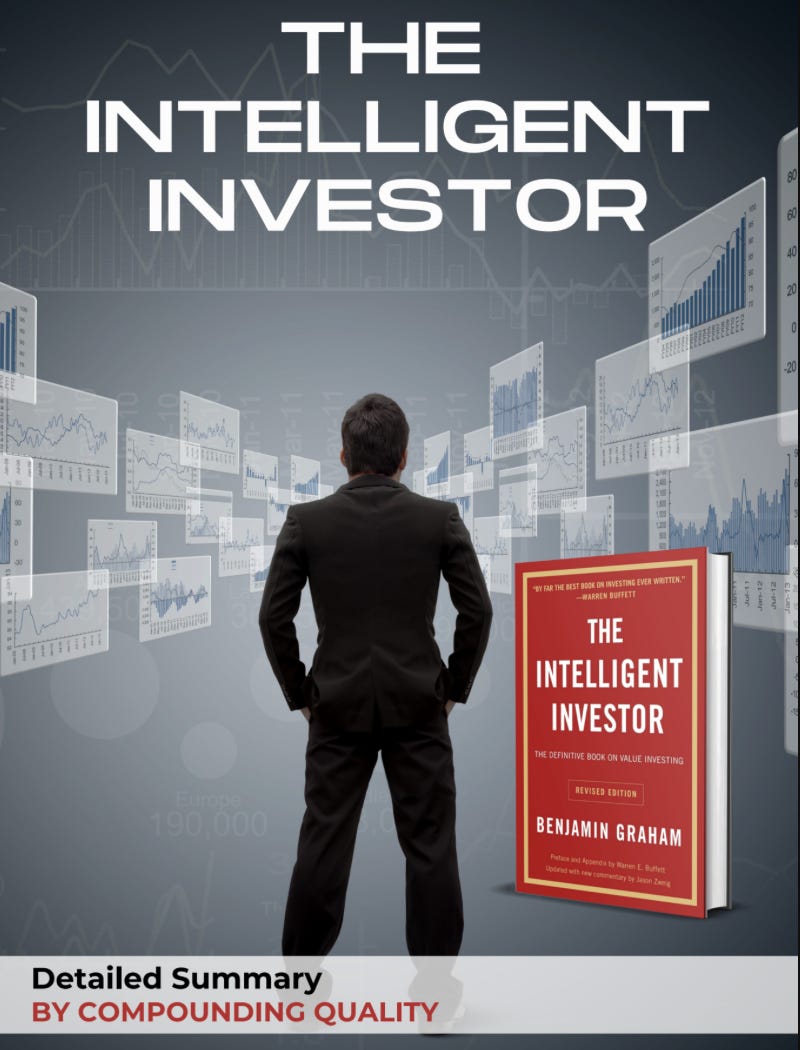
If you want to know how to think about the earnings yield on stocks versus the risk-free rate, we can look to the father of value investing.
In The Intelligent Investor, Benjamin Graham said that a defensive investor should demand an equity earnings yield that is at least twice the AAA bond yield.
If you want a full summary of The Intelligent Investor you can get it here.
5️⃣ Example of a Dividend Stock
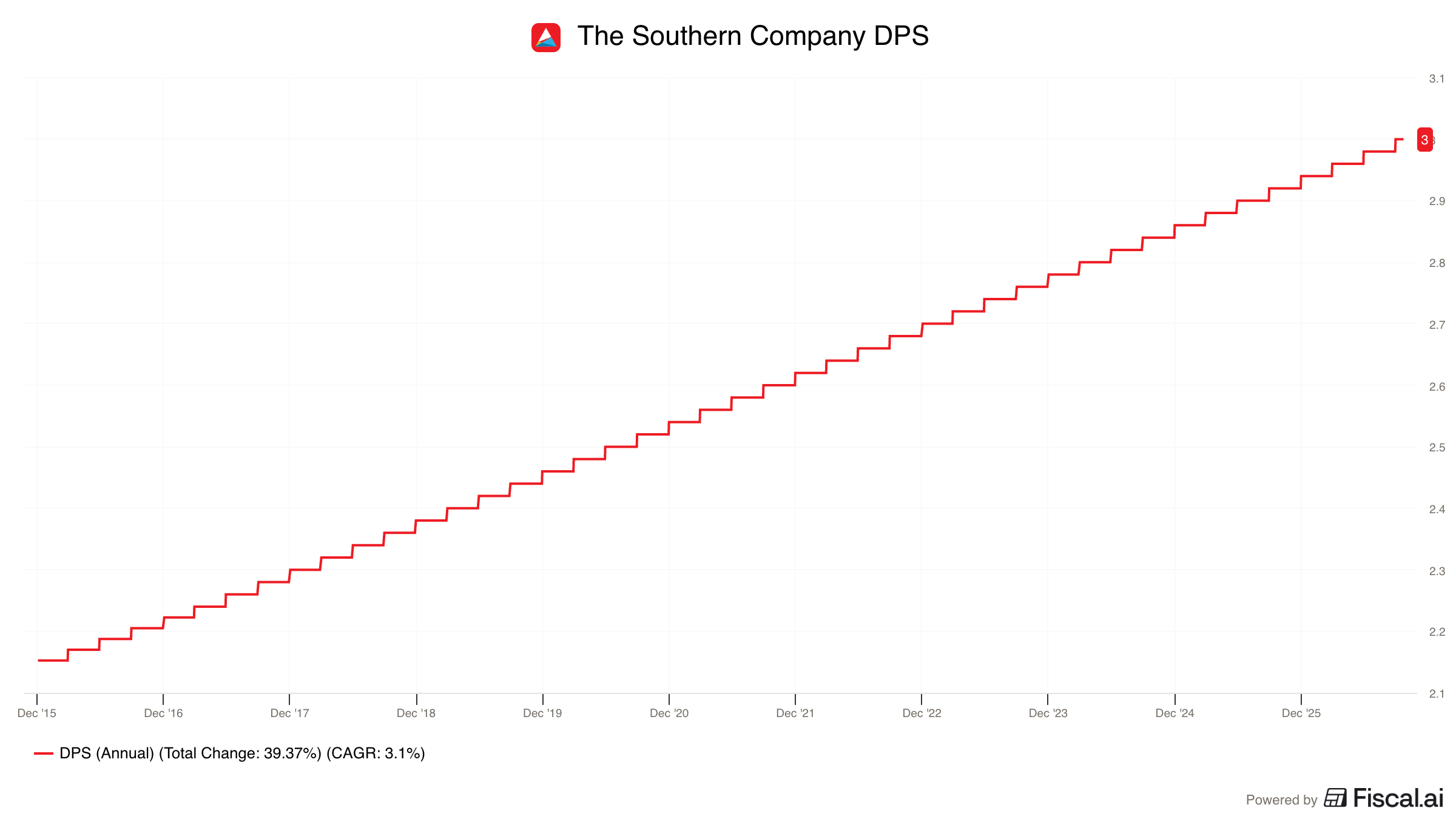
Southern Company is a recently crowned Dividend Aristocrat.
It’s a large, diversified company managing traditional electric utilities across multiple states as well as nuclear, solar, and natural gas assets.
Key numbers from Fiscal.ai:
Profit Margin: 15.2%
Forward PE: 20.1x
Dividend Yield: 3.2%
Payout Ratio: 66.6%
Used sources
Interactive Brokers: Portfolio data and executing all transactions
Fiscal.ai: Financial data
P.S.
Paid partners get full access to the Compounding Dividends Portfolio, our High Yield Portfolio, and the Community.
Disclaimer
As a reader of Compounding Dividends, you agree with our disclaimer. You can read the full disclaimer here.
The comparison is a useful warning, but earnings yield and a bond yield are not the same kind of return. A bond coupon is fixed, while company earnings can grow, so a gap today can close without prices falling. The better question is how fast earnings need to grow for stocks to beat the bond, which depends on the price paid.
That 5.24% is already old, the 10-year is around 4.91% now. But even at 5.24% I don't think the premium is gone, because these two yields measure different things.
A coupon is fixed the day the bond is issued. Earnings get repriced with inflation, so an earnings yield is closer to a real return than a nominal one, and its fair rival is TIPS. When Jeremy Siegel ran that math in early October, 30-year TIPS paid about 3.35% over inflation and stocks at 20x earned about 5%. That's a premium of roughly 1.65 points. Thin, and down fast from 2.5–3 points in June, but not zero.
Dividend investors have lived through this flip before. In mid-1958 stocks yielded 3.9% against 2.9% on 10-year Treasuries. Three months later it was 3.3% against 3.8%, and the old rule that stocks must pay more than bonds was dead. Anyone who sold on that signal missed about 60% above inflation over the next ten years.
The reading I'd actually fear is a different one: inflation cooling while real yields stay above 3%. Earnings lose their tailwind and TIPS keep paying. That's when the premium really goes.