

Walk down almost any aisle in your local grocery store, and you are looking at products made by a company you’ve probably never heard of.
But the manufacturers of all that food know them well.
They make the patented, specialized ingredients that give your favorite foods their texture, crunch, and sweetness.
Right now, Wall Street is looking the other way.
• The stock is trading at a significant discount to intrinsic value
• Management estimates a single operational fix embeds ~$20/share in upside
• The dividend yield sits above 3% with more than a decade of consecutive hikes
• A pending acquisition will push high-margin specialty sales over 50%
It is rare to find a boring, cash-generative compounder trading at a steep discount for reasons that are entirely fixable.
The Business Sells Science
Most people think food processing is a low-margin commodity race.
For basic grains, it is.
But this company operates a two-tiered engine that separates it from standard agricultural processors:
A Regional Moat: The company owns massive local infrastructure across Latin America and North America (owning more plants in its key regions than all competitors combined). Because liquid syrups and wet starch slurries are heavy and cost-prohibitive to transport, 90% of what they make is sold locally, making it hard for foreign competitors to compete.
Hedged Margins: Management is incredibly good at hedging volatile commodity prices. The proof? The business has not posted a single quarterly operating loss in over a decade, even during historical crop droughts.
The Real Crown Jewel: The fastest-growing division of the company isn’t selling bulk grain; it sells texture science and reformulation solutions.
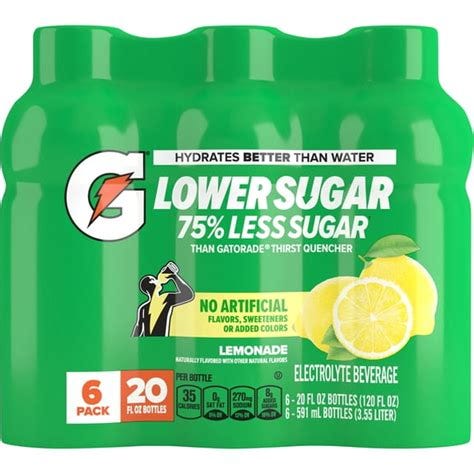
When global food giants are forced to cut sugar by 40% without making the product taste like cardboard, or when plant-based brands need to eliminate that chalky bite in protein bars, they don’t develop the science in-house.
They partner with this firm’s global food labs.
Massive Switching Costs
Food brands are not price-sensitive when it comes to specialty ingredients, they are risk-sensitive.
Consider a recent case study: A European private-label brand set out to launch an all-in-one meal replacement drink with 45 distinct vitamins and nutrients. Early prototypes were gritty and bitter.
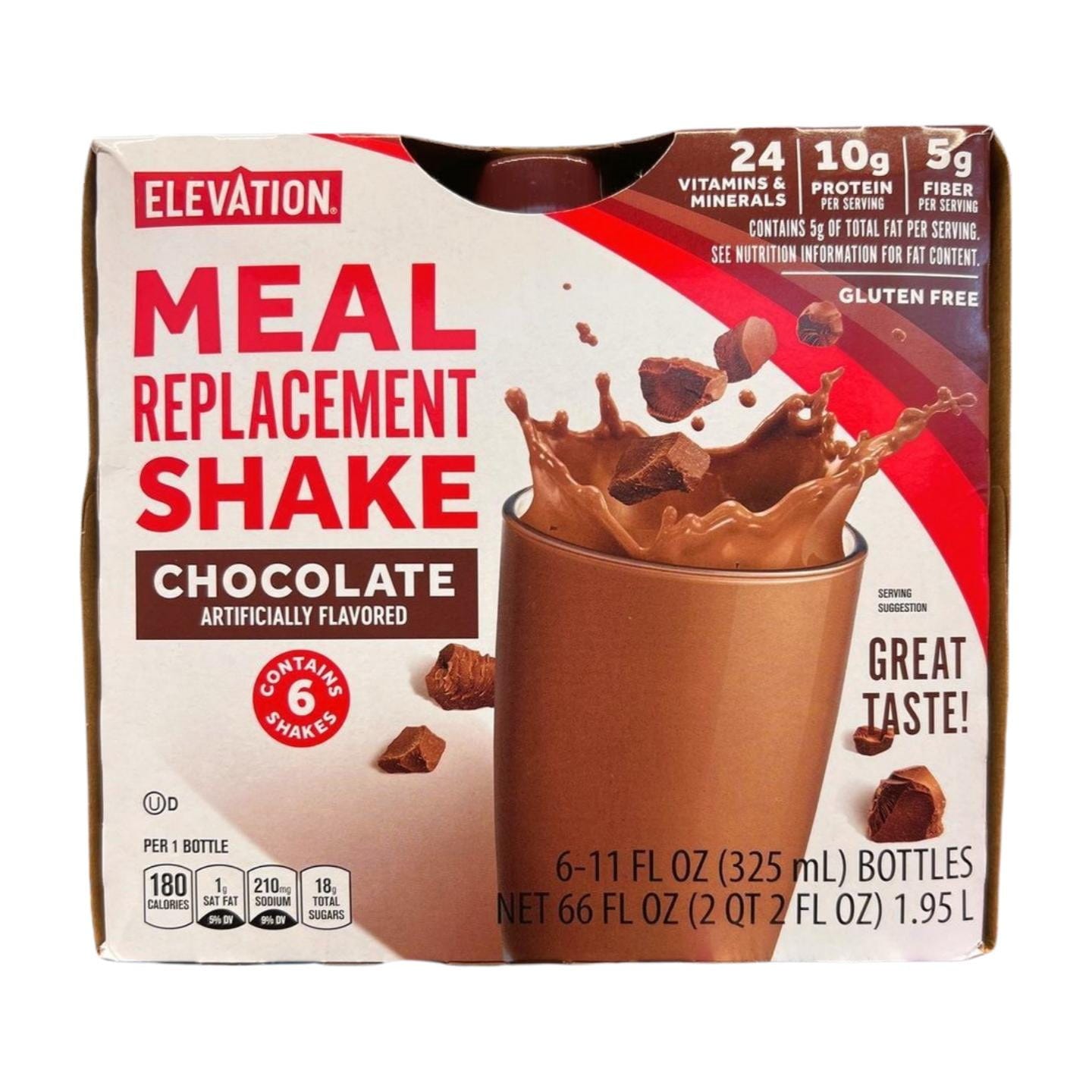
They brought the problem to this company’s scientists, who engineered a proprietary, clean-label solution that tasted great.
The product hit store shelves in under three months.
Once a custom ingredient is baked into an assembly line and printed on millions of product packages, a manufacturer will almost never switch suppliers to save a few pennies.
Swapping out a texturizer risks changing the taste, mouthfeel, and customer loyalty.
A $20/Share Temporary Problem, That’s Already Solved
Why is the stock cheap?
Over the past four quarters, the company battled unexpected downtime at its largest production facility.
Because this plant handles an enormous share of regional volume, rerouting supply and making repairs cost the business roughly $80 million in lost operating profit.
The plant returned to normal production over the summer, but the market has yet to re-rate the stock.
In a recent presentation, the CEO addressed the market’s overreaction directly:
“We believe that perhaps there is a $20 impact in the stock related to that facility... and we have got to earn back the right to get that $20 back in the stock price.”
Simply restoring this single facility back to historical run-rates gives up an upside of roughly $20 per share.
A Transformational Acquisition
While the market is distracted by temporary plant repairs, the company is preparing to close a massive, all-cash acquisition of a competitor.
The deal permanently transforms the company’s financial profile:
Shifts specialty ingredients from about 1/3 to more than 1/2 of total revenue
Creates a $10 Billion global giant
Expected to be >15% accretive to adjusted EPS in Year 1
Valuation: Three Ways to Win
At current prices, the stock offers an asymmetric setup:
Dividend Yield vs. History: The stock’s yield is about 30% higher than the historical average
The $20 re-rate: Management has already told us that fixing the issues with the manufacturing plant could add $20 back to the share price
Expected Return: Assuming conservative 5% earnings growth, and modest multiple normalization, long-term investors can reasonably project an annualized total return above 10%, and those numbers undersell the pending acquisition by a lot.
Unlock the Full Deep Dive
The complete 30+ page research report, including the company name, ticker symbol, complete financial models, and balance sheet breakdown is available exclusively to paid members.
If you want to read the full case, and get immediate access to our entire Portfolio, join us today.
One Dividend At A Time
-TJ
Used sources
Interactive Brokers: Portfolio data and executing all transactions
Fiscal.ai: Financial data
Disclaimer
As a reader of Compounding Dividends, you agree with our disclaimer. You can read the full disclaimer here.