

AI and the related bottlenecks and infrastructure are still driving the market right now.
Today I want to walk through two possible outcomes for AI brought up by Professor Aswath Damodaran.
Let’s see if either one can justify today’s level of investment, or stock prices.
The AI Buildout
It’s no secret that companies are spending massive amounts of money building AI.
2027 CapEx is projected to be more than $1 Trillion.
Between now and 2031, the total spend is projected to be more than $7.5 Trillion.
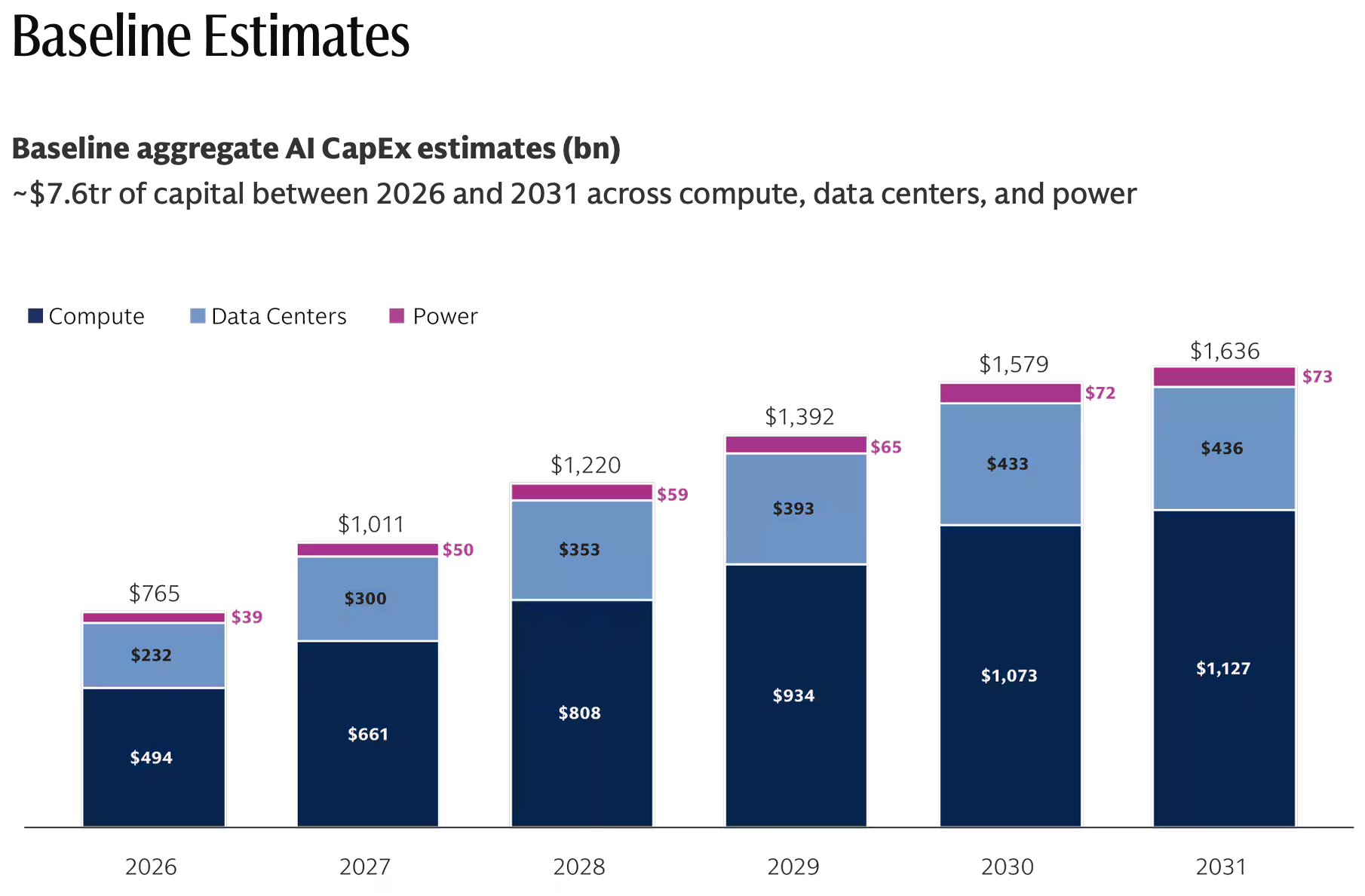
If you had $7.5 Trillion, you could buy all of Microsoft and Amazon, and still have $1 Trillion left over.
To justify spending that kind of money, companies will need to generate a lot of revenue.
In SpaceX’s IPO filings, they said their Total Addressable Market is $28.5 Trillion.
$26.5 Trillion of that is AI-related
$22.7 Trillion is AI Enterprise Applications
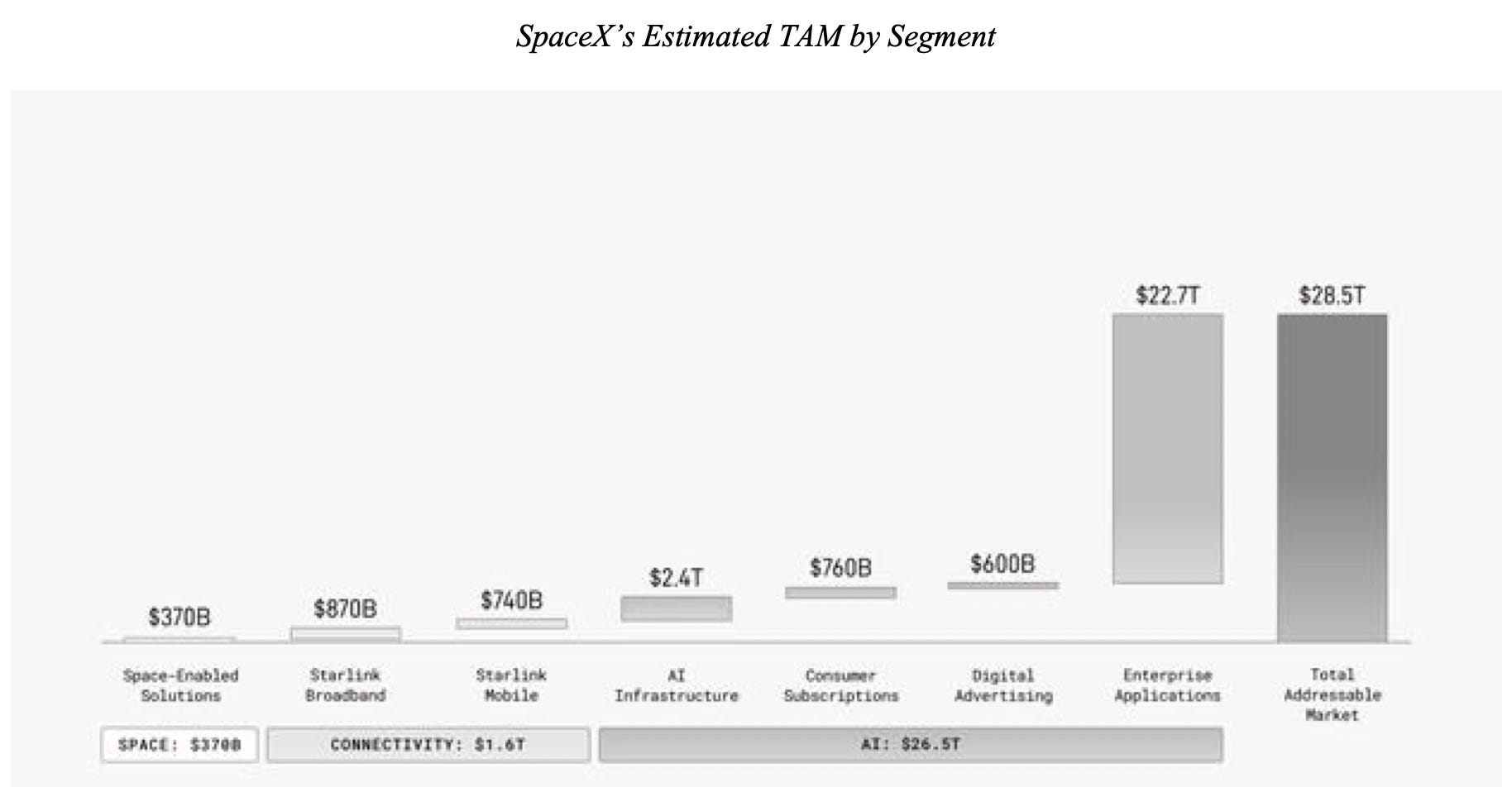
This means that SpaceX expects 80% of their market to be companies paying for AI applications.
Option 1: AI Is A Huge Success
For businesses to justify the kind of spending SpaceX projects, AI has to replace a lot of the professional class.
Companies have to be able to replace software engineers, consultants, and marketing departments at a lower cost.

That expectation - that companies will be able to cut their labor budgets, and increase profit margins is what’s driving the current valuations of everything related to AI right now.
It seems like a pretty obvious investment.
Big tech is pouring trillions into data centers and hardware
AI models are improving rapidly and will eventually replace human workers
Companies will see record profit margins, the AI companies will get a cut of that
Investors in both the models and the adopters get filthy rich
But investing is almost never that simple.
Especially in something as uncertain as how AI will play out.
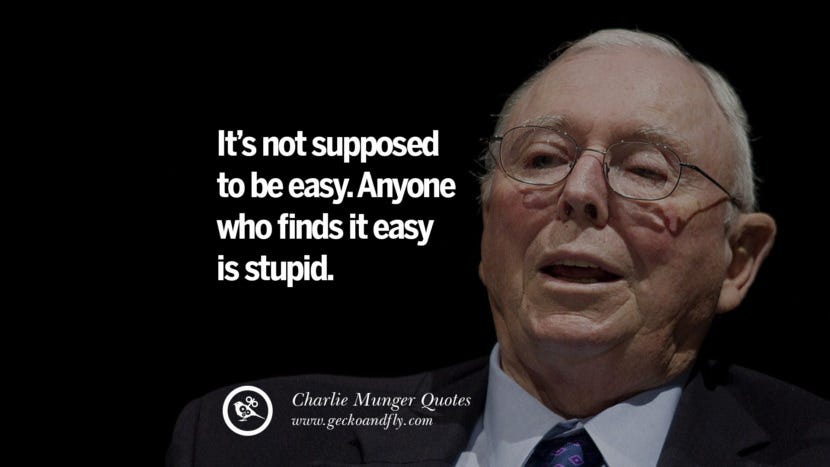
Now’s a great place for this Charlie Munger quote:
We need to go deeper.
We need to do what Howard Marks calls ‘second-level thinking’.
"First-level thinking says, 'It's a good company; let's buy the stock.' Second-level thinking says, 'It's a good company, but everyone thinks it's a great company, and it's not. So the stock's overrated and overpriced; let's sell.'"
-Howard Marks in ‘The Most Important Thing’
Second-Level Thinking in AI Success
I could show you the math on the revenue and profit margins required to get a reasonable return on the planned AI spending here.
But I won’t.
The numbers are so big that they’re hard to get your head around.
Instead, I’ll just ask you the same question Professor Damodaran asked - what happens if the AI companies are right?
What if AI really does replace consultants, lawyers, software engineers, and eventually plumbers and welders through robots?
This ‘success’ creates a huge problem.
Who Buys All The Products?
A business needs customers (with money) to purchase its goods and services.
If the AI companies succeed and replacing even half of white-collar workers, those employees lose their incomes.
If nobody has a salary, who buys all the stuff that this hyper-efficient AI economy is producing?
Sure, AI will likely create new jobs, but there will certainly be a period where the old jobs are gone and the new jobs aren’t here yet.
During that period, what happens to all the debt these companies are piling on to their balance sheets to build out AI?
Option 2: What If AI Is A Moderate Success?
I think it’s pretty clear by now that AI is real, and it has real uses.
But what happens if the technology doesn’t replace the workforce?
What if it turns out to be just a tool, like a really advanced spreadsheet?
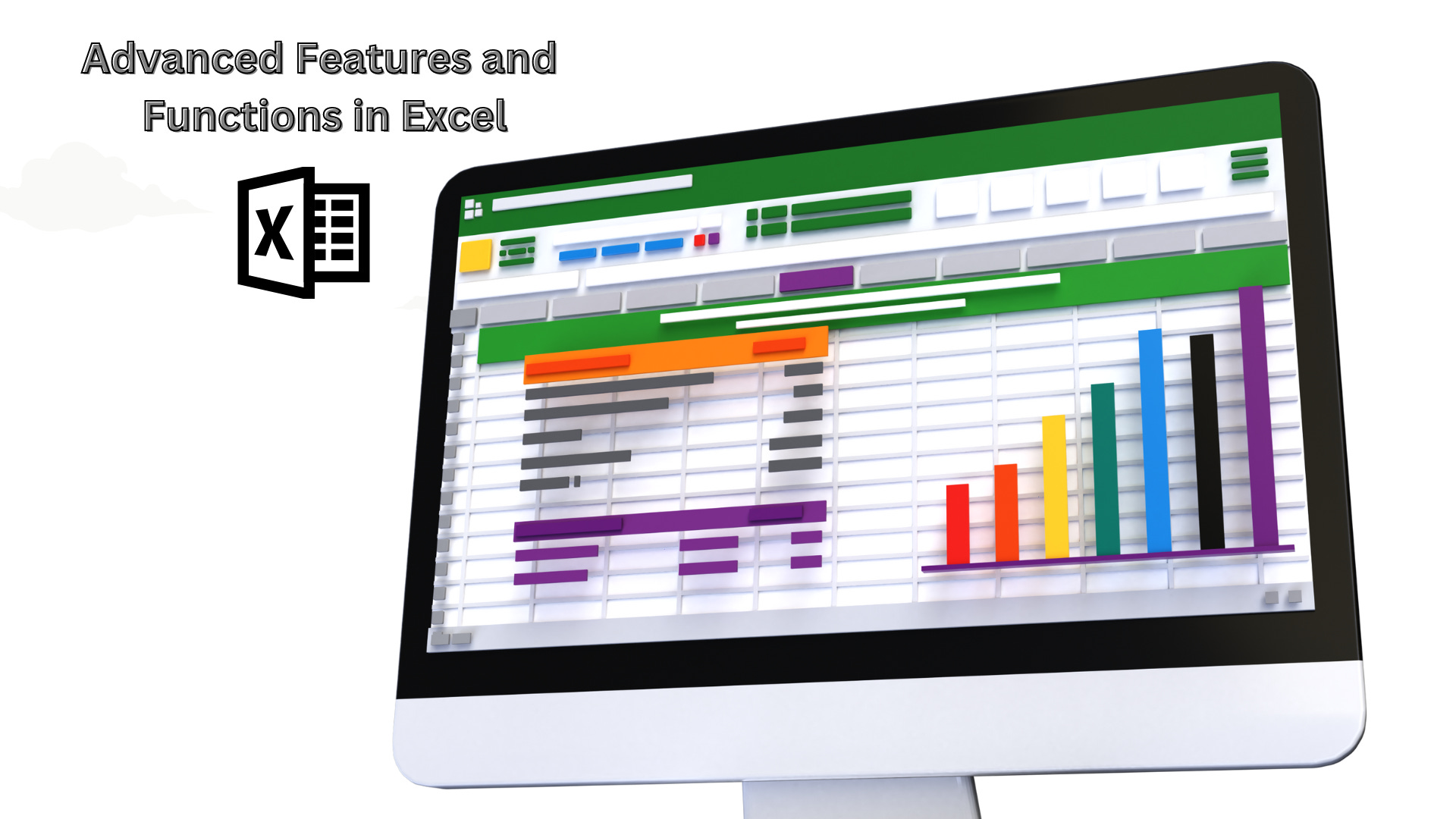
In that case, the total addressable market is way smaller than what the current pricing demands.
This creates a different problem.
Building and running AI models is very capital-intensive.
And so far, the AI companies aren’t making very much money, if they’re making any at all.
Most of them are still trying to figure out a real business model.
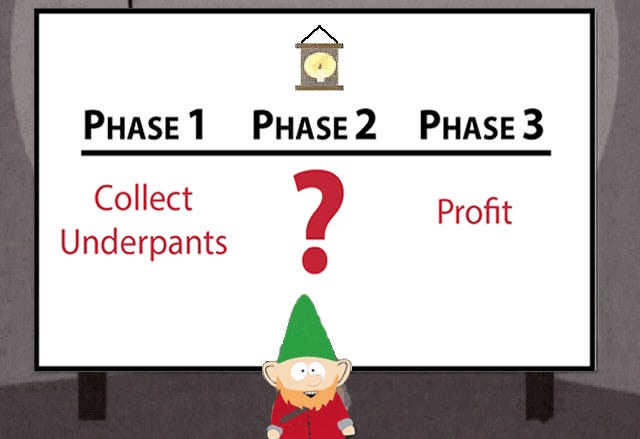
If AI turns out to be a capital-intensive, low-margin software tool, then the huge amounts of money being invested will never generate the required returns.
Growing that kind of business very quickly destroys value and capital.
What To Do About It
The good news is that there are no extra points in investing for degree of difficulty.
You don’t have to predict which AI company will win, or how big the market will be.
You can just opt out.
You can still generate attractive returns over the long-run by buying businesses with:
Durable Economic Moats: Look for companies selling products and services that consumers and businesses will need no matter what happens with AI
Strong Free Cash Flow: We want businesses that generate real, hard cash, not just accounting earnings
Great Capital Allocation: Find management teams that reinvest to keep the business healthy and growing, then return the excess capital to shareholders via consistent dividend growth and share repurchases when the price is right.
I don’t know how AI plays out, but I do know that people will need clean water, garbage collected, and homes with climate control and doors that lock.
Those are the kinds of businesses that we’ll keep buying and letting the dividends compound.
One Dividend At A Time,
-TJ
Used sources
Interactive Brokers: Portfolio data and executing all transactions
Fiscal.ai: Financial data
Disclaimer
As a reader of Compounding Dividends, you agree with our disclaimer. You can read the full disclaimer here.