

I recently wrote a 3-part series on Terry Smith.
Smith completely changed the way he invests because he believes the stock market has fundamentally changed.
But Terry Smith isn’t the only investor who noticed this change. David Einhorn saw it, too.
And he came to a very different conclusion about what to do about it.

Einhorn runs Greenlight Capital, a hedge fund he launched in 1996.
In the first 10 years, he returned an average of 26% per year, well above the market.
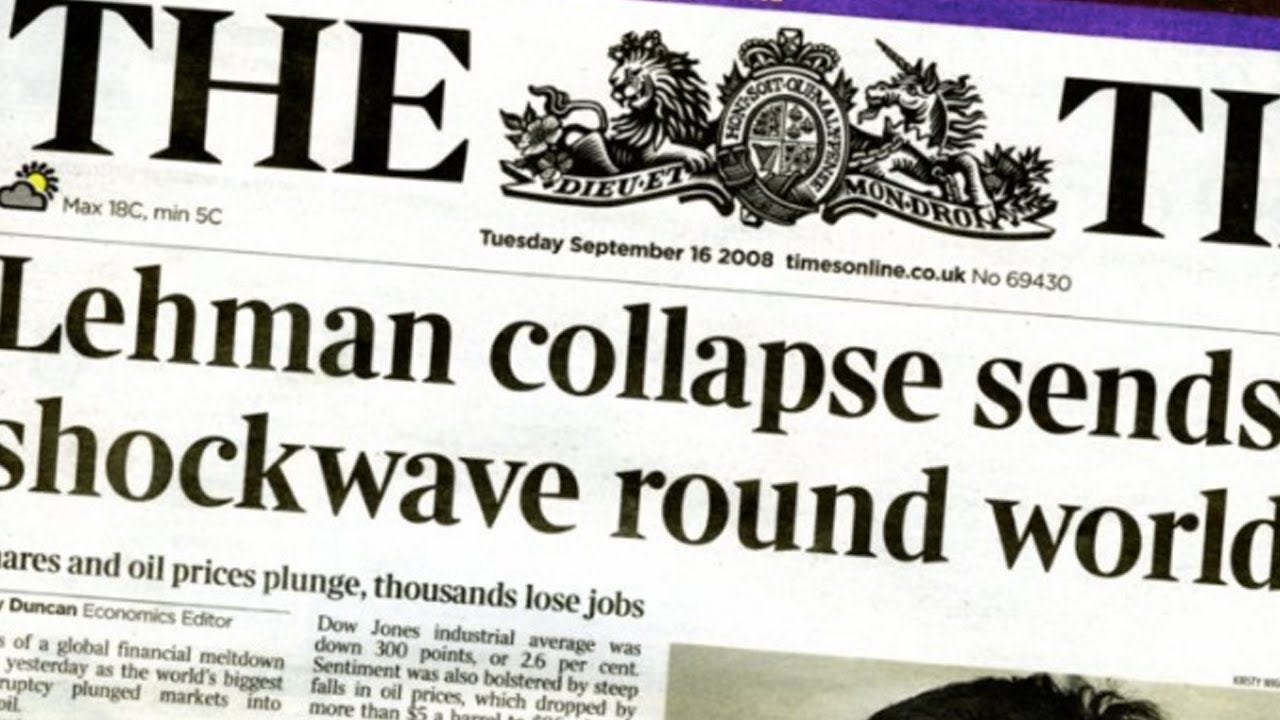
He’s also well known for shorting Lehman Brothers in July of 2007.
Lehman went bankrupt in September of 2008, kicking of the Great Financial Crisis.
But investing is a difficult game, and Einhorn hasn’t always been a winner.
From 2014 to 2018, Greenlight Capital’s assets under management went from $12 billion down to just $5.5 billion.
The fund dropped 11.3% over a three-year stretch, and then wend down another 34% in 2018 alone.
What happened?
Einhorn believed that the market had changed.
In a 2017 letter to his investors, a frustrated Einhorn wrote:
”What if equity value has nothing to do with current or future profits and instead is derived from a company’s ability to be disruptive, to provide social change, or to advance new beneficial technologies, even when doing so results in current and future economic loss?”
He was clearly starting to question his own strategy.
And it’s pretty easy to see why, just look at Tesla.

In 2017, Tesla was unprofitable.
It was burning through billions of dollars in cash.
By every traditional financial metric, it was a disaster waiting to happen.
So, Einhorn shorted it.
The stock went up 43% that year.
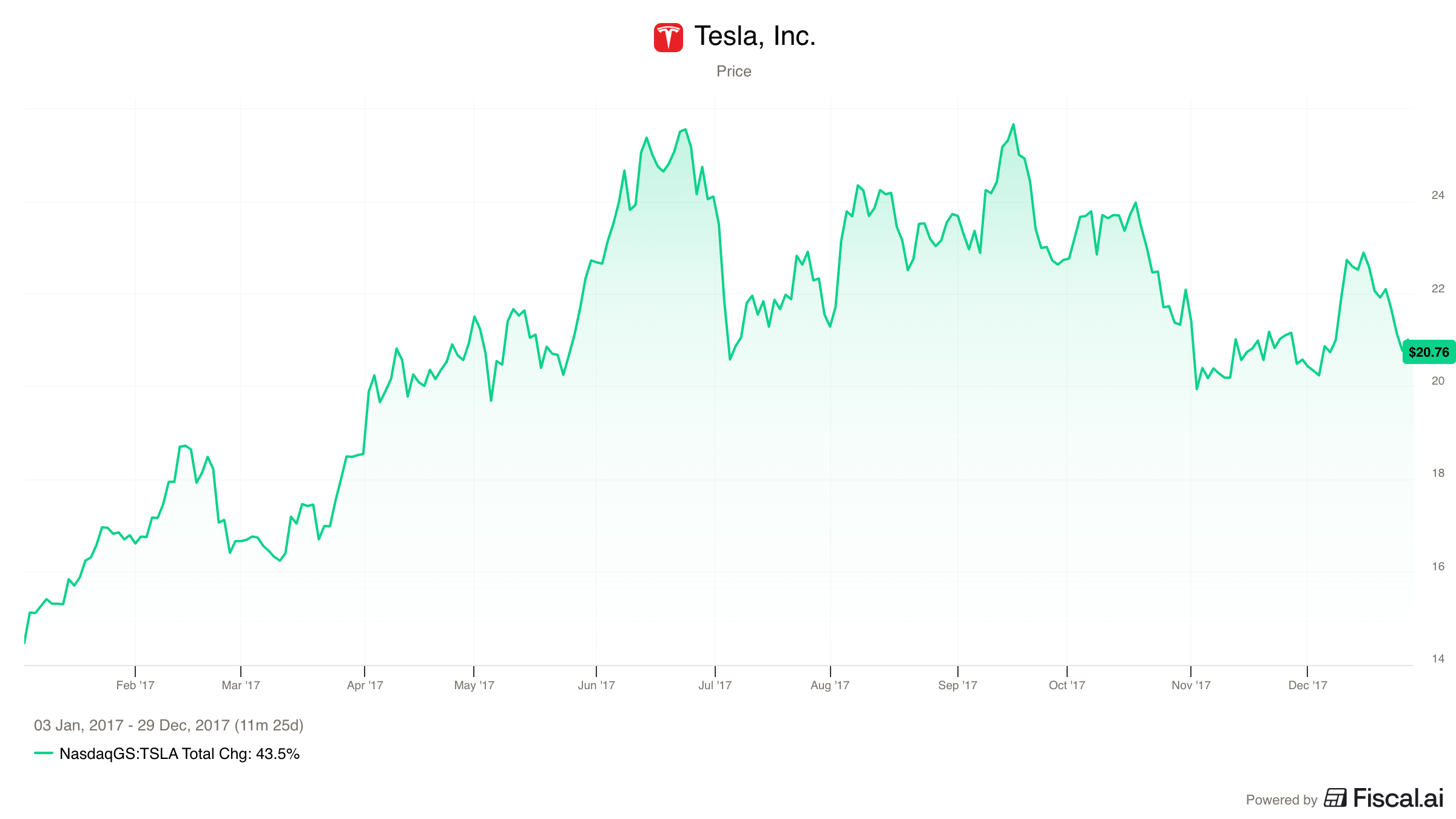
We don’t know exactly when Einhorn put the short on, or when he finally covered, but it’s a very safe bet he lost money.
Here is the craziest part: He was absolutely right about the company.
Years later, in 2020, Elon Musk publicly admitted that during the Model 3 production ramp-up, Tesla was about a month away from total bankruptcy.
This was during the period that Einhorn shorted the company.

They were on the edge of collapse.
But the stock market didn’t seem to care.
During that period, Tesla’s stock only fell about 30%, and most of that decline came right at the end.
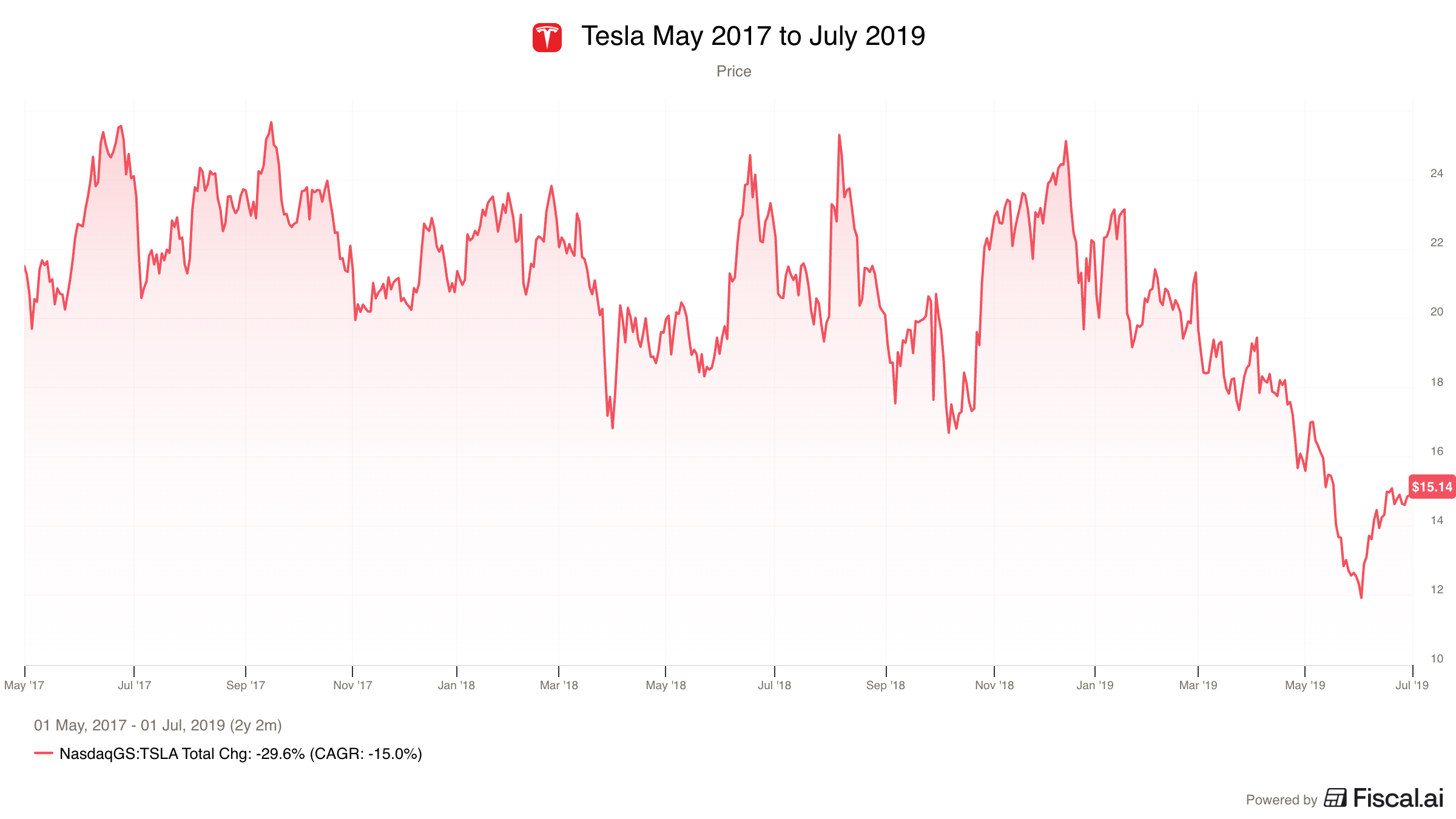
If you zoom out a little further and it gets even crazier.
From January 2017 through the end of 2019, Tesla was actually up almost 93%.
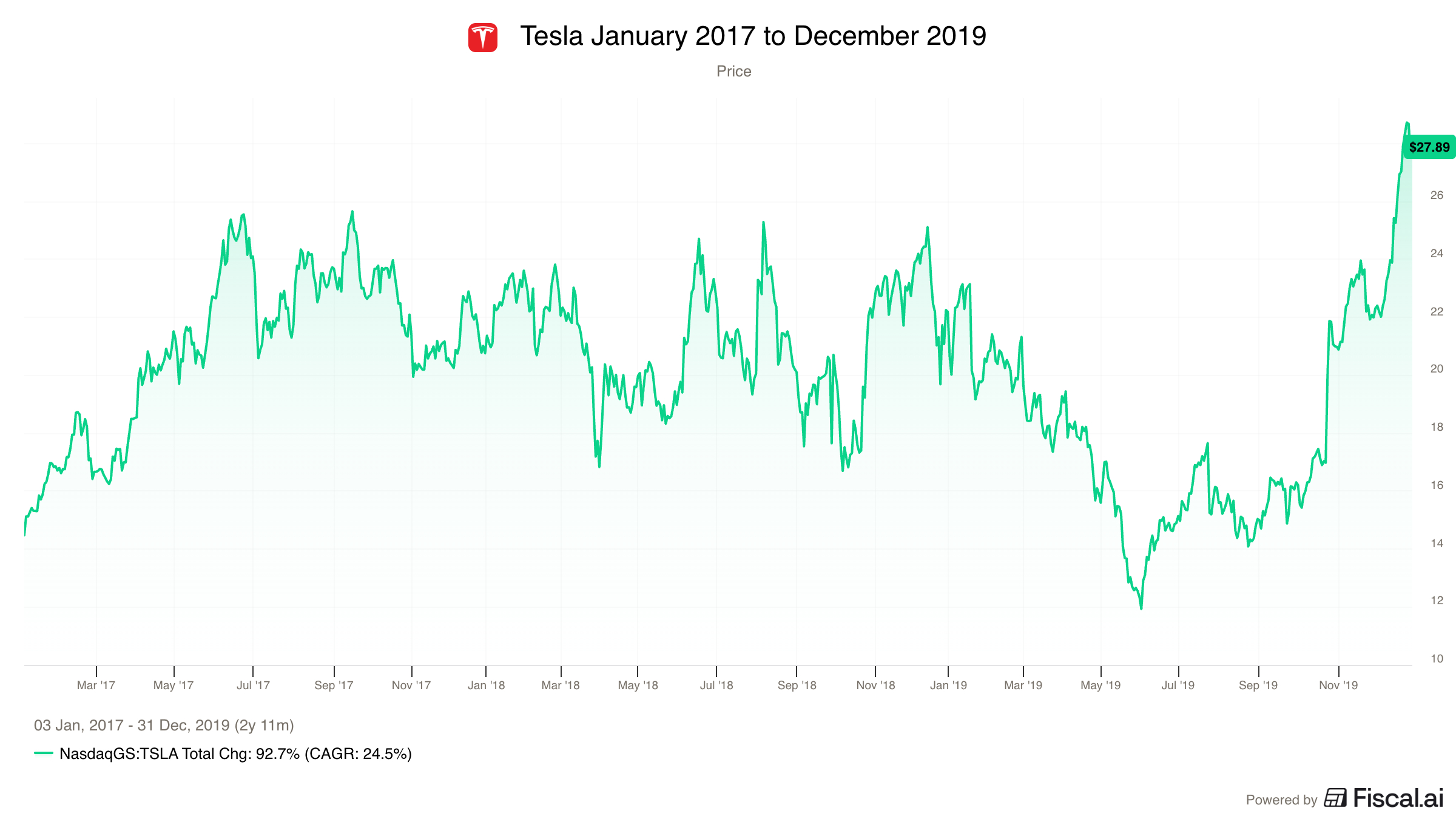
Imagine being absolutely right about the business and still losing money.
Einhorn correctly identified the financial problems at Tesla.
But that didn’t matter. The stock price was driven by something else.
And this is where Einhorn and Terry Smith took two very different paths.
Smith decided to adapt to the new market.
Einhorn decided to become less dependent on it.
In his Q4 2023 letter, Einhorn told us exactly how he shifted his style.

He stopped buying cheap companies and waiting for the market to bid them up.
Instead, he started buying high-quality businesses that generated so much cash they could force their own returns by:
Paying out significant divdends
Buying back a lot of their own stock
Getting bought by another company at a premium
He stopped relying on the market to pay him.
He started relying on the companies to pay him.
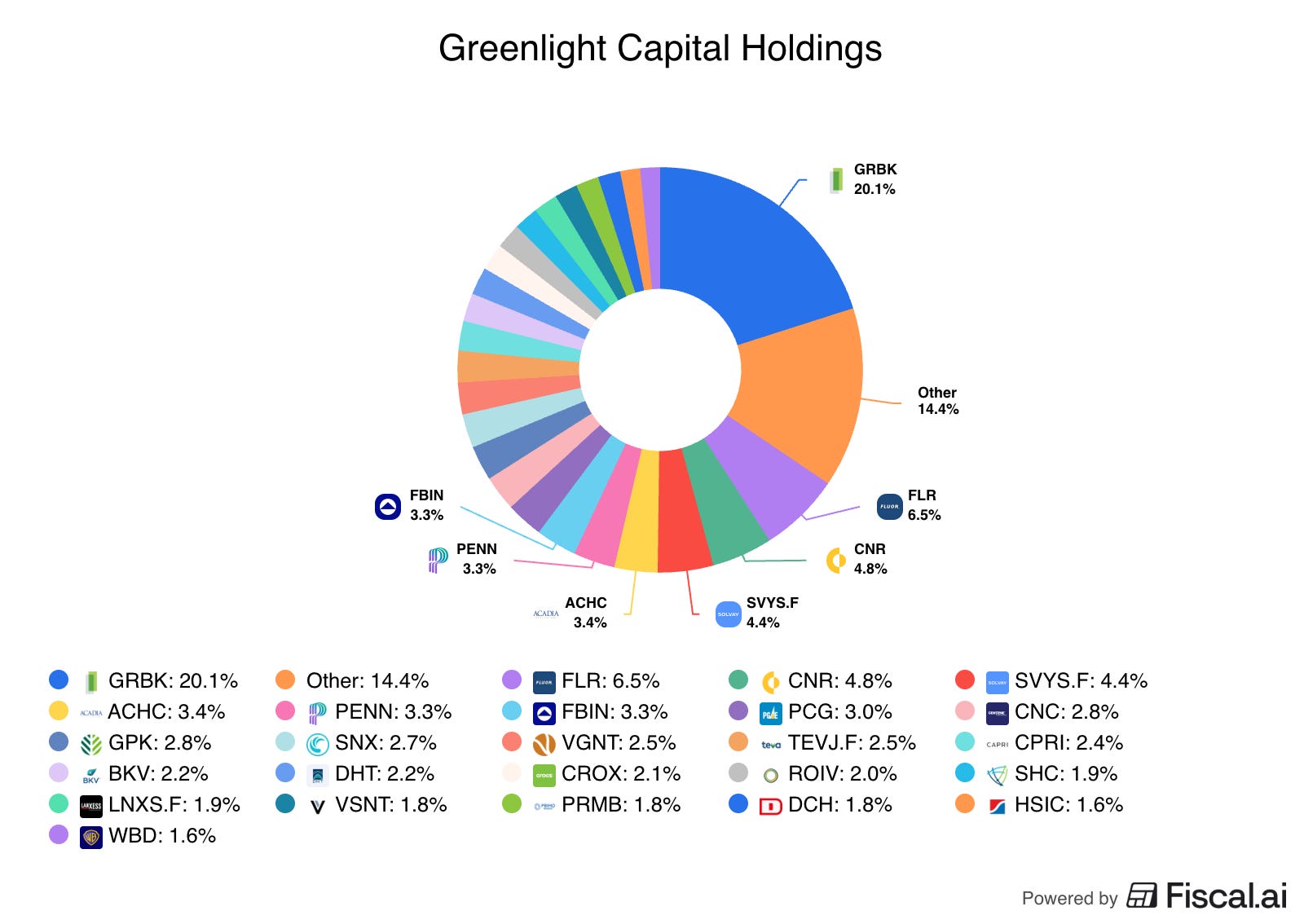
Sound familiar?
That’s the exact philosophy behind Compounding Dividends.
Terry Smith chose to adapt by joining the momentum.
That means competing with everyone else chasing the same companies.
Einhorn chose a different path.
He reduced his dependence on the market itself.
I like Einhorn’s solution a lot more.
We don’t need to hope the market suddenly falls in love with our stocks.
We just need to own great businesses that generate lots of cash, and let those businesses pay us.
That’s a strategy that can work regardless of what the market decides to chase next.
And we’re getting ready to put this philosophy into action again.
I’m finalizing a brand-new stock purchase for our portfolio.
It’s a company that fits this philosophy almost perfectly: high quality, strong cash flow, and a track record of returning that cash to shareholders.
And when we announce the new position, we’re also going to open a special, limited-time offer to join us.
Keep an eye on your inbox.
If you like the idea of letting great businesses pay you rather than waiting for the market to reward you, you won’t want to miss this one.
Want to make sure you’re the first to get it?
Your Immediate Bonus:
You don’t have to wait until the report drops to get started.
When you add your name to the VIP list today, I will instantly send you the Dividend Growth and Reinvestment Calculator.
You can download it right now, plug in your own starting capital, adjust your monthly contribution goals, and see exactly how the cash your companies are paying you will grow.
Used sources
Interactive Brokers: Portfolio data and executing all transactions
Fiscal.ai: Financial data
Disclaimer
As a reader of Compounding Dividends, you agree with our disclaimer. You can read the full disclaimer here.