

The stock market offers thousands of opportunities every moment it’s open.
It’s easy to get overwhelmed, or to start chasing hot stocks or sectors.
Let’s teach you how to quickly figure out which dividend growth stocks deserve your attention.
Look At The Company Profile
The first step isn’t about profits, prices, or dividends.
It’s about understanding the business.
If you can’t explain what a company does, how it makes money, and why its customers love it in one sentence, move on.
Warren Buffett calls this staying inside your Circle of Competence.
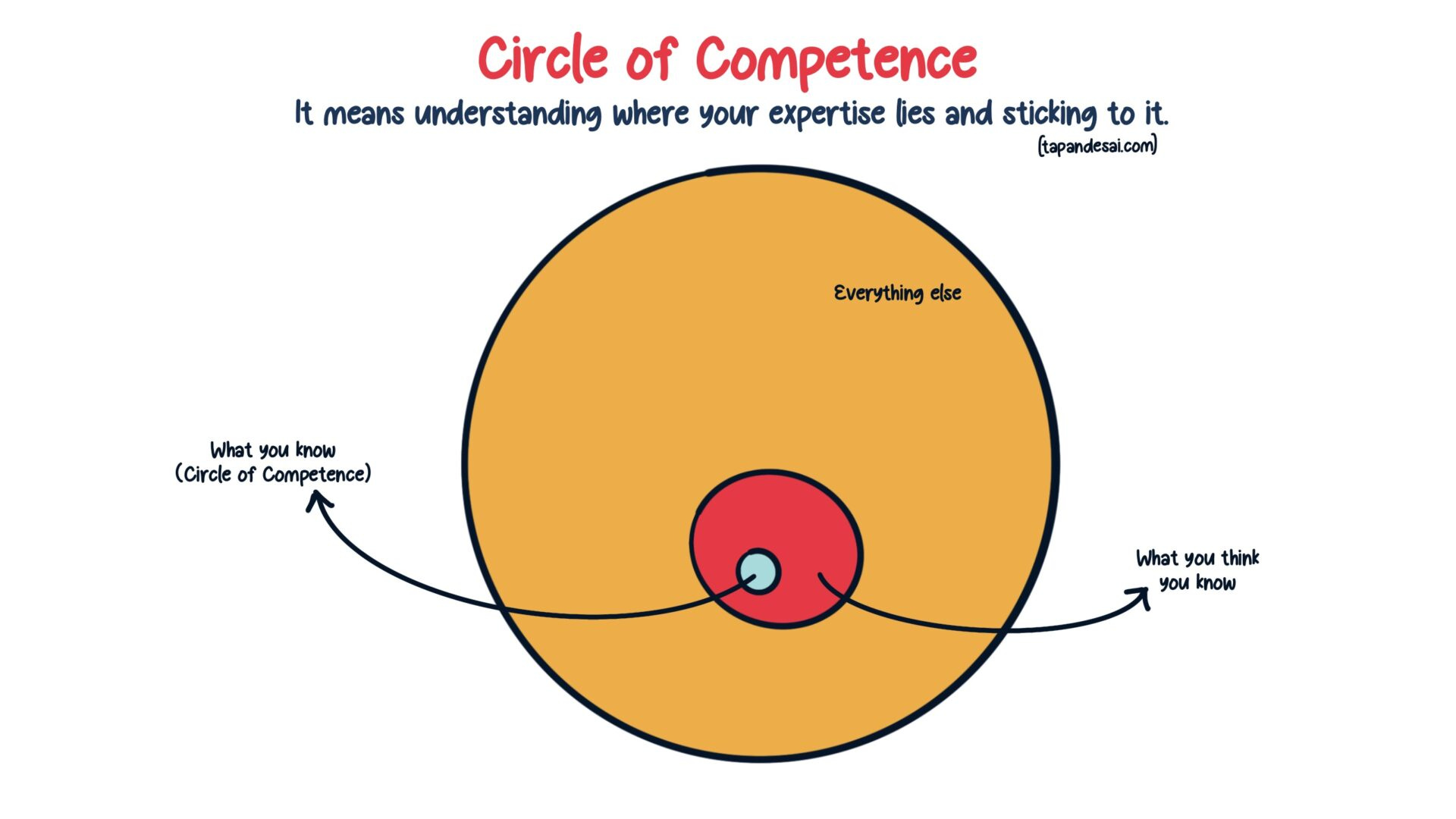
This is important. You have to understand how the business makes money in order to:
Understand its competitive advantage
Understand the financial statements
Know if you should sell or hold when the price drops
You should be looking for simple, durable businesses.
Rollins is a great example:

Look At The Profitability
Next, you want to make sure the business is profitable.
High margins mean the business has pricing power.
A company that can charge what it wants despite competition is a company built on something durable.
High margins also act as a cushion to protect the company during inflationary periods or economic downturns.
A good rule of thumb is to look for:
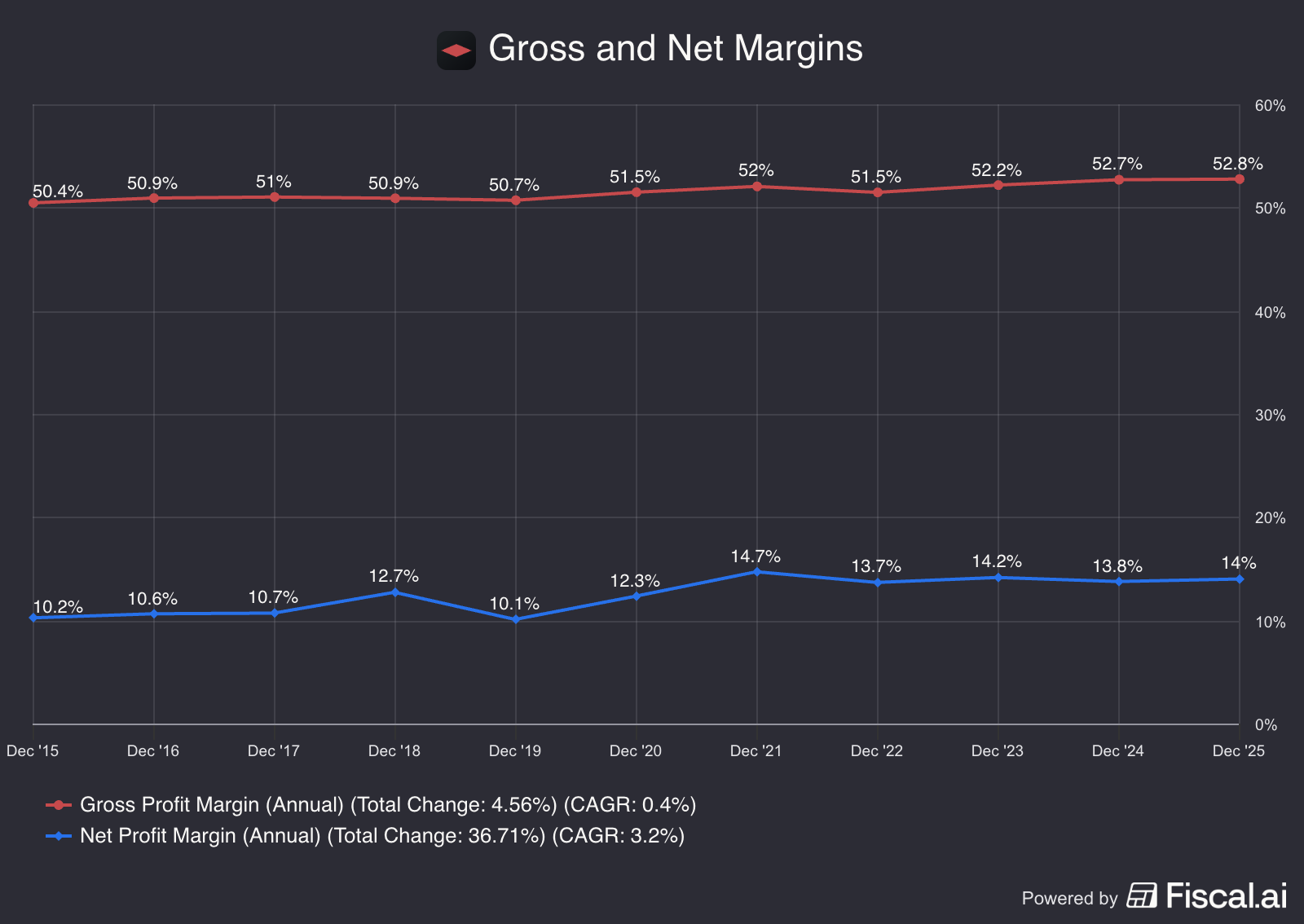
Gross Margin: > 40%
Net Margin: > 10%
You also want to see that the margins are stable or increasing over time.
Look At Capital Allocation
Management’s most important job is capital allocation.
A management team that consistently generates strong returns on every dollar it invests is compounding your wealth.
One that can't is diluting it.
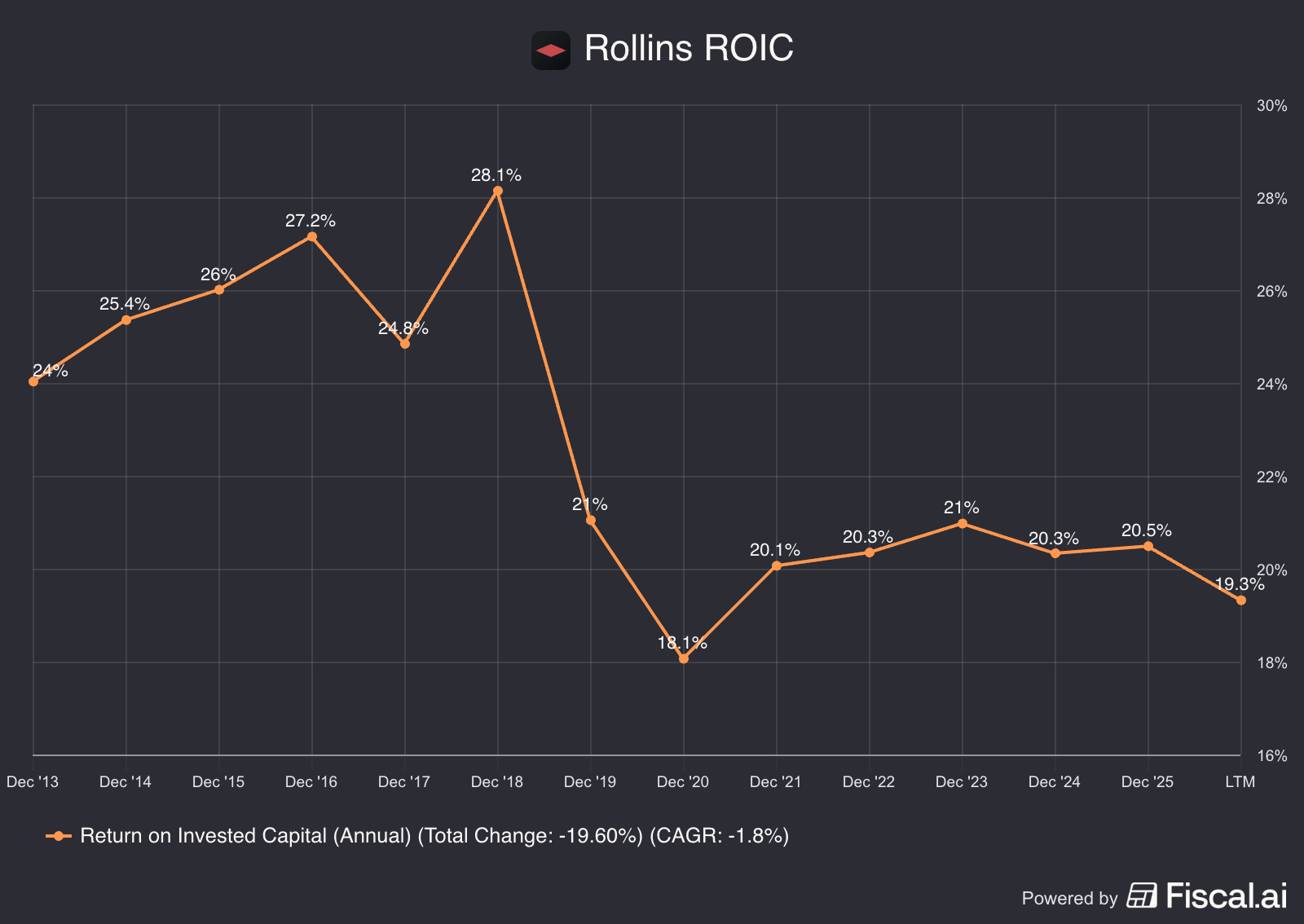
Return On Invested Capital or ROIC is the gold standard for measuring how efficiently a company turns capital into profit.
8% to 10% is a good baseline to look for here, as it matches the long-term average of the stock market.
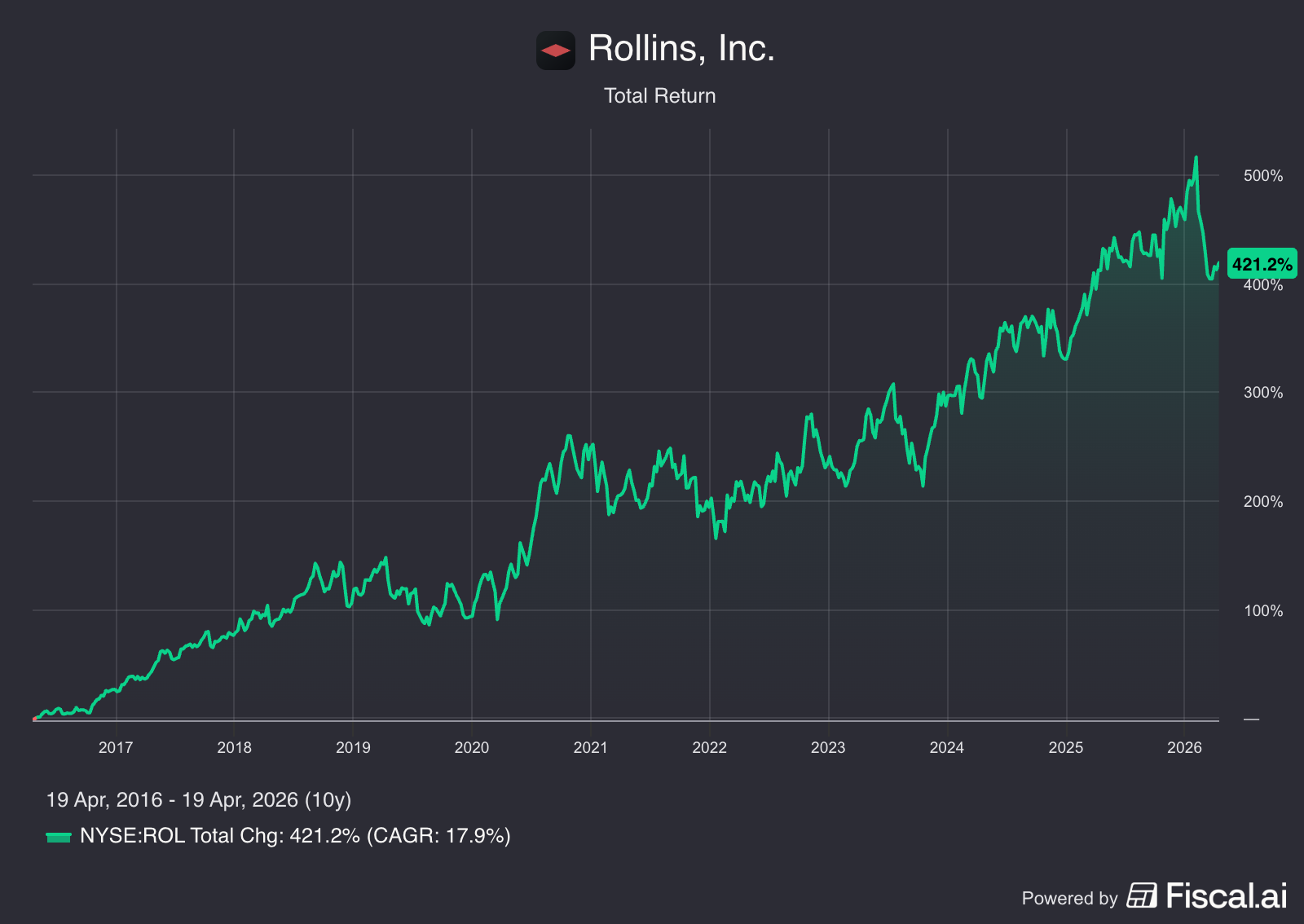
Look For Proven Winners
Great businesses tend to stay great.
They have the culture, the talent, and the scale to keep on winning.
Past performance is not a guarantee of the future, but it does indicate something has kept the business growing - structural advantages, loyal customers, or great reinvestment decisions.
Look for a business that has compounded shareholder value by at least 10% per year for the past decade.
Look For Growth
Stock prices follow intrinsic value over time.
Intrinsic value, and dividend payments grow with earnings.
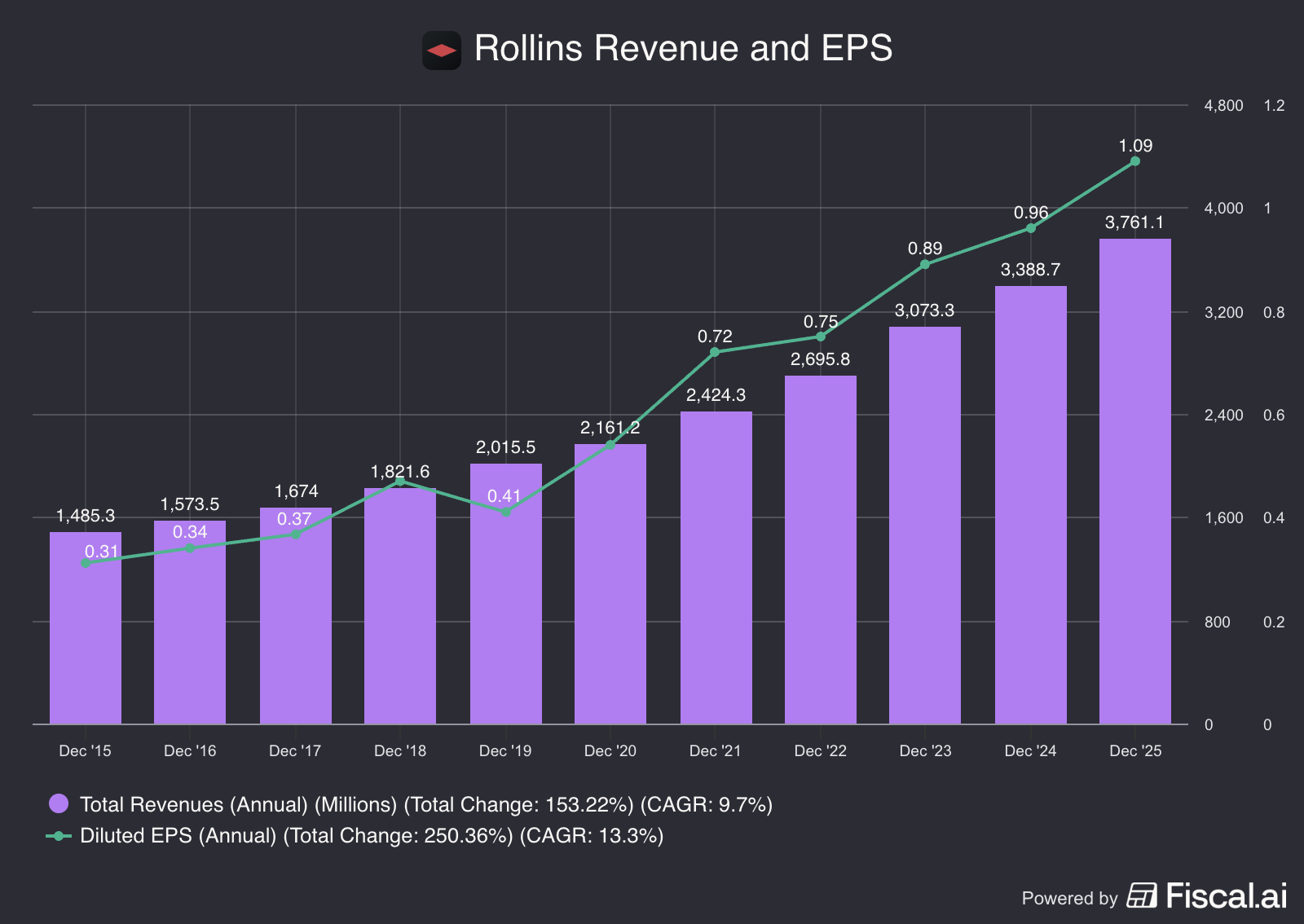
Look for real, measurable growth in both the top and bottom line.
A rule of thumb to follow here is:
Revenue Growth: > 8%
Earnings Growth: > 10%
Look At The Payout Ratio
A dividend is only as reliable as the earnings behind it.
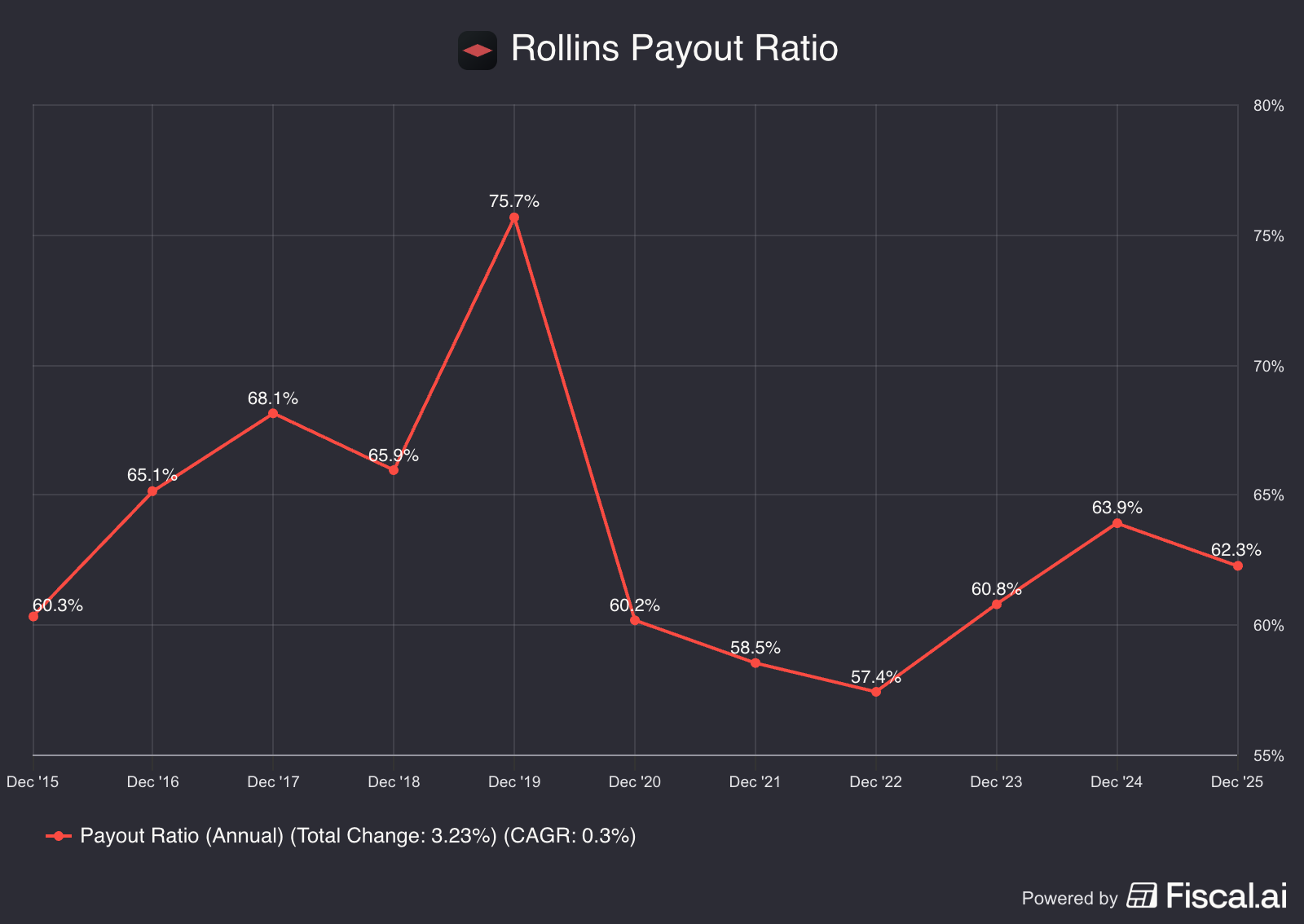
The Payout Ratio (Dividend Per Share / Earnings Per Share) tells you how much of the businesses’ profits are being paid out as a dividend.
A business paying out 90% of its earnings has almost no room to grow the dividend, survive a downturn, or reinvest in the business.
A good rule of thumb for dividend growth stocks is to look for a Payout Ratio of 60% or lower.
Look At The Valuation
A wonderful company at a terrible price is still a terrible investment.
Valuation is the last checkpoint.
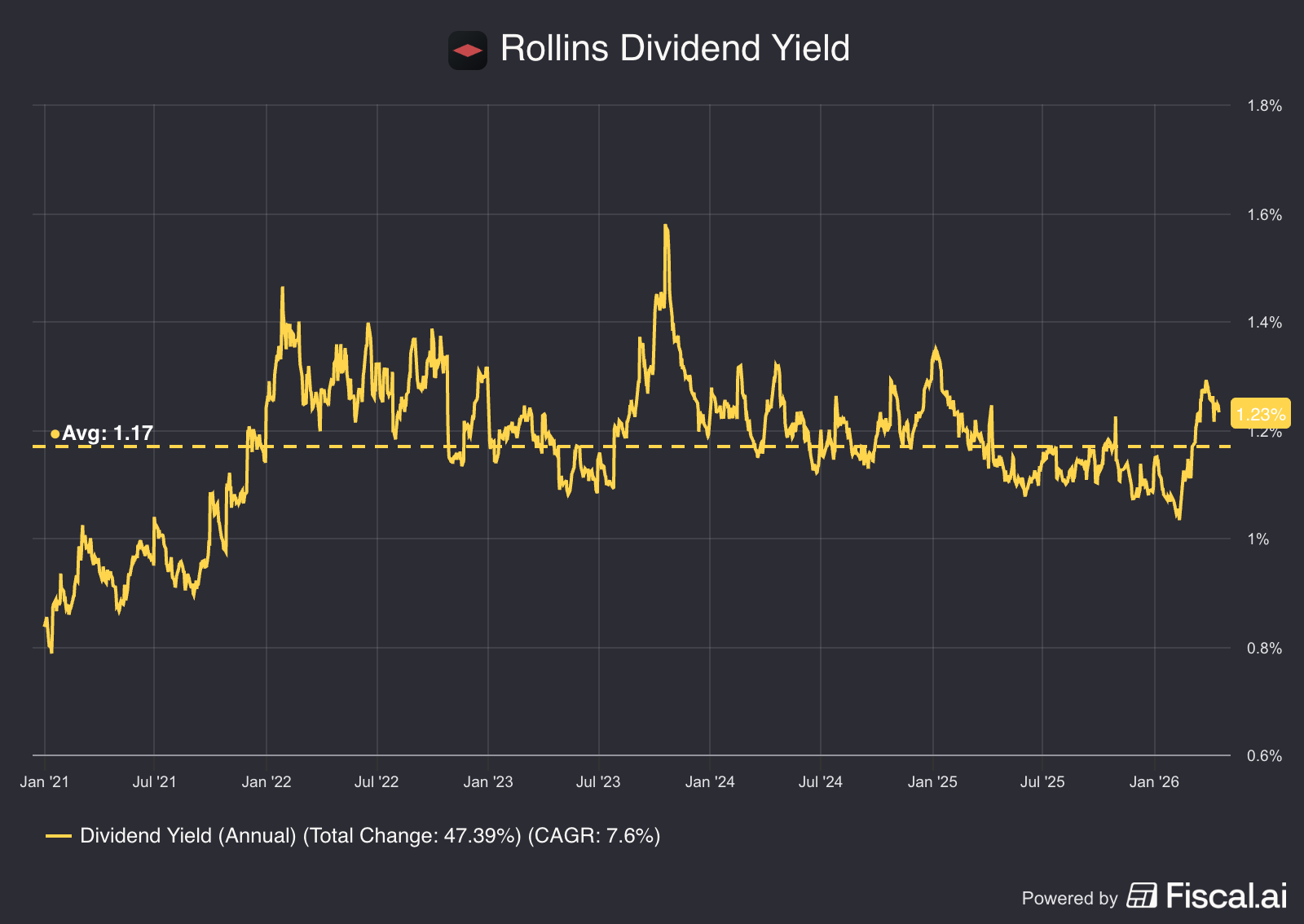
The quickest and easiest check is to compare the current Dividend Yield to the company’s own five-year historical average.
If the stock is trading at a significantly lower yield than its own history, you’re likely buying at high price.
If the current yield is significantly higher than the past average, it might trading at a low price.
Conclusion
This framework won’t catch every winner.
No framework does.
What it will do is quickly filter out the losers.
If a business fails any of these checks, move on.
Your job isn't to find reasons to buy.
The stock market is a game of No-Called Strikes.
You can stand at the plate and let 1,000 pitches go by.
You only need to swing at the 2 or 3 that land perfectly in your sweet spot.
One Dividend At A Time
-TJ
Used sources
Interactive Brokers: Portfolio data and executing all transactions
Fiscal.ai: Financial data
Disclaimer
As a reader of Compounding Dividends, you agree with our disclaimer. You can read the full disclaimer here.
Yield discipline beats yield chasing every time. Free cash flow coverage and reinvestment runway are where the real durability sits.