

We all want the same thing: an investment that goes up every single year, and never drops in value.
But as Howard Marks has spent decades telling his clients that this goal is impossible.
As an investor, you have to accept a hard truth: You cannot maximize your gains and minimize your losses at the same time.
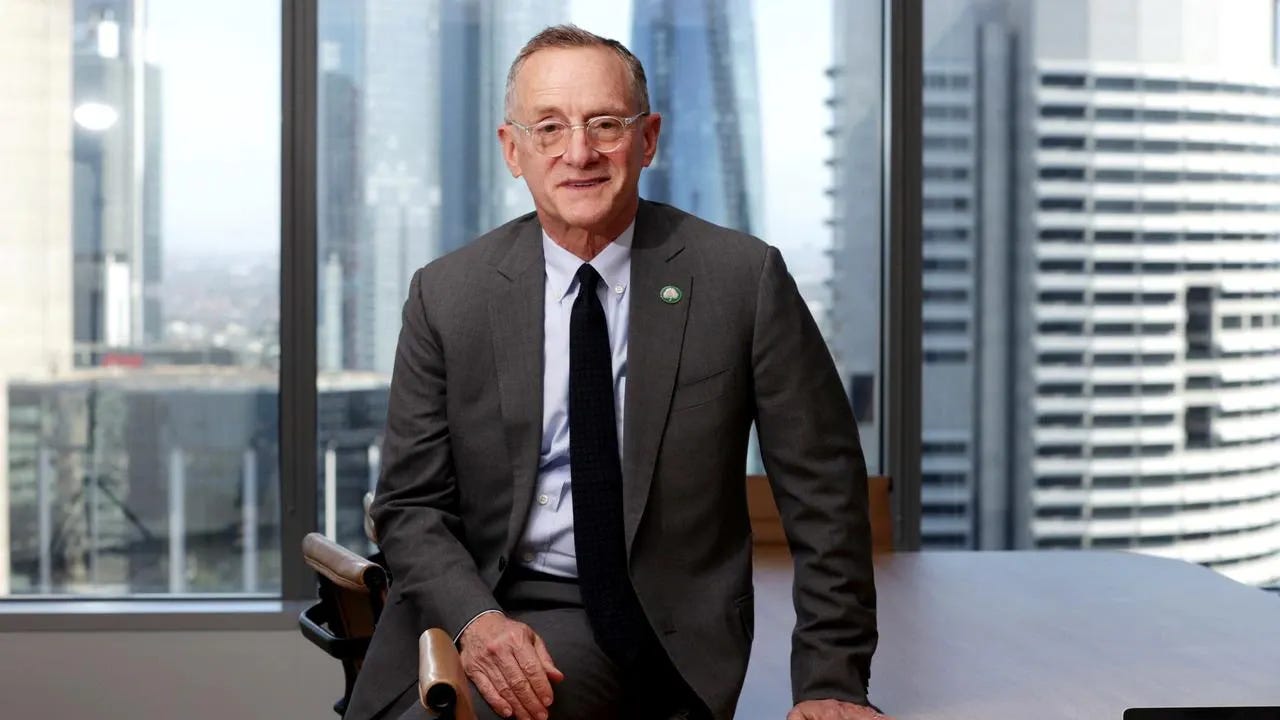
Who is Howard Marks?
Howard Marks is the co-founder of Oaktree Capital Management, a massive investment firm that manages billions of dollars.
He is most famous for his memos.
These are regular letters to clients that are so insightful that even Warren Buffett says they are the first things he opens and reads when they land on his desk.
Marks often focuses on the psychology of risk and surviving the worst times in the markets, instead of chasing the best ones.
The Two Risks We Face
Most people think of “risk” as the chance that you might lose money.
But Howard Marks says that investing is about balancing two very different types of risk:
The Risk of Losing Money: The stock price might crash or a company could go bankrupt
The Risk of Missing Opportunities: You could be too cautious and not earn enough money to meet your long-term goals.
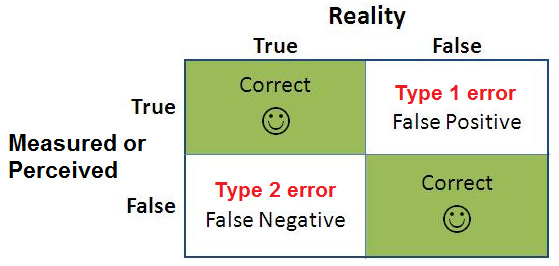
If you try to completely eliminate the first risk by putting all your money in a savings account, you’re guaranteed to fall victim to the second.
You won’t lose your principal, but you won’t have the growth you need to retire comfortably.
We Have to Take Some Risk
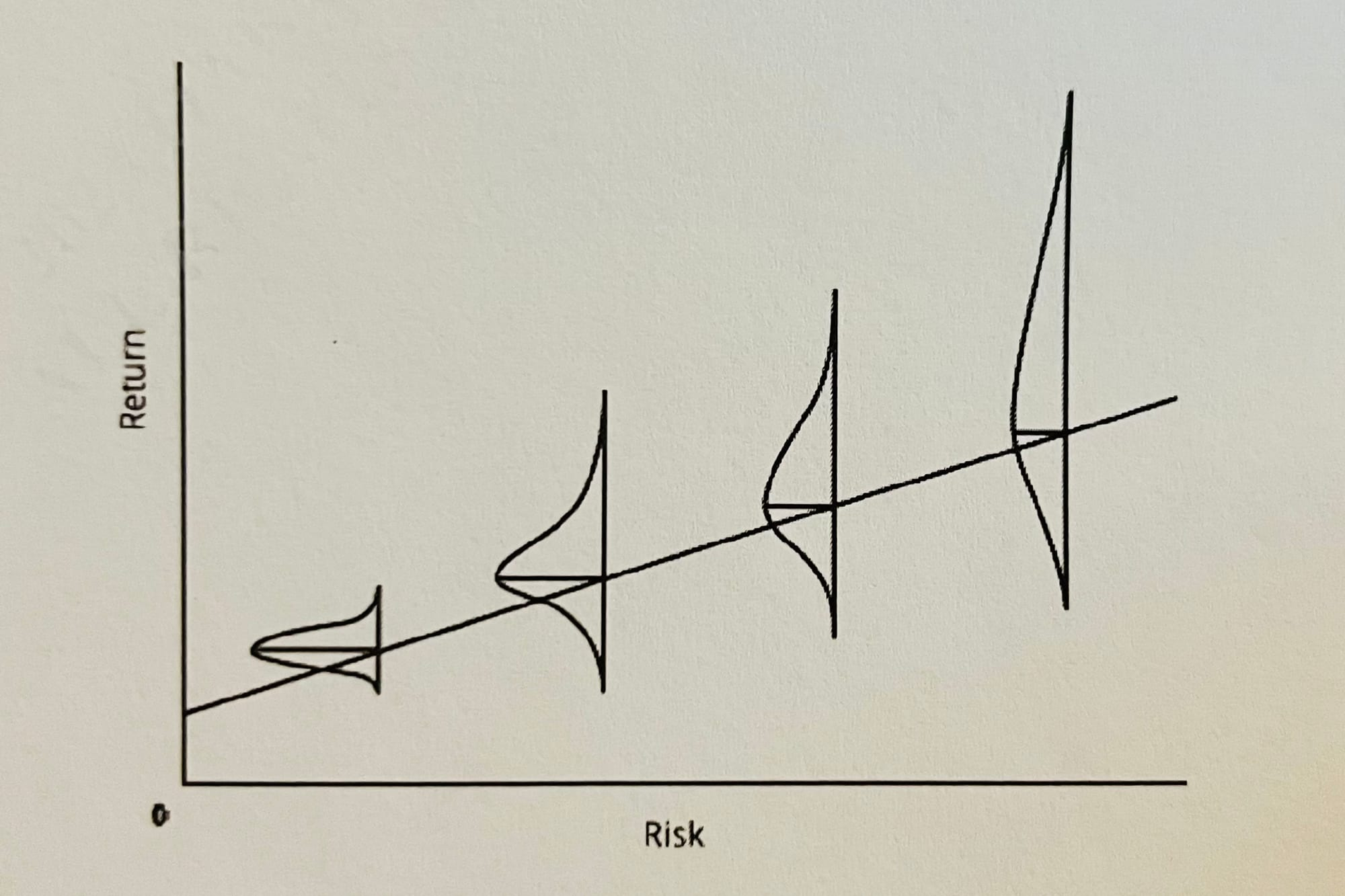
Good investing isn’t about avoiding risk entirely, it’s about finding the right spot on the risk spectrum.
You need to take enough risk to meet your long-term return goals, but not so much that a single bad streak destroys your account.
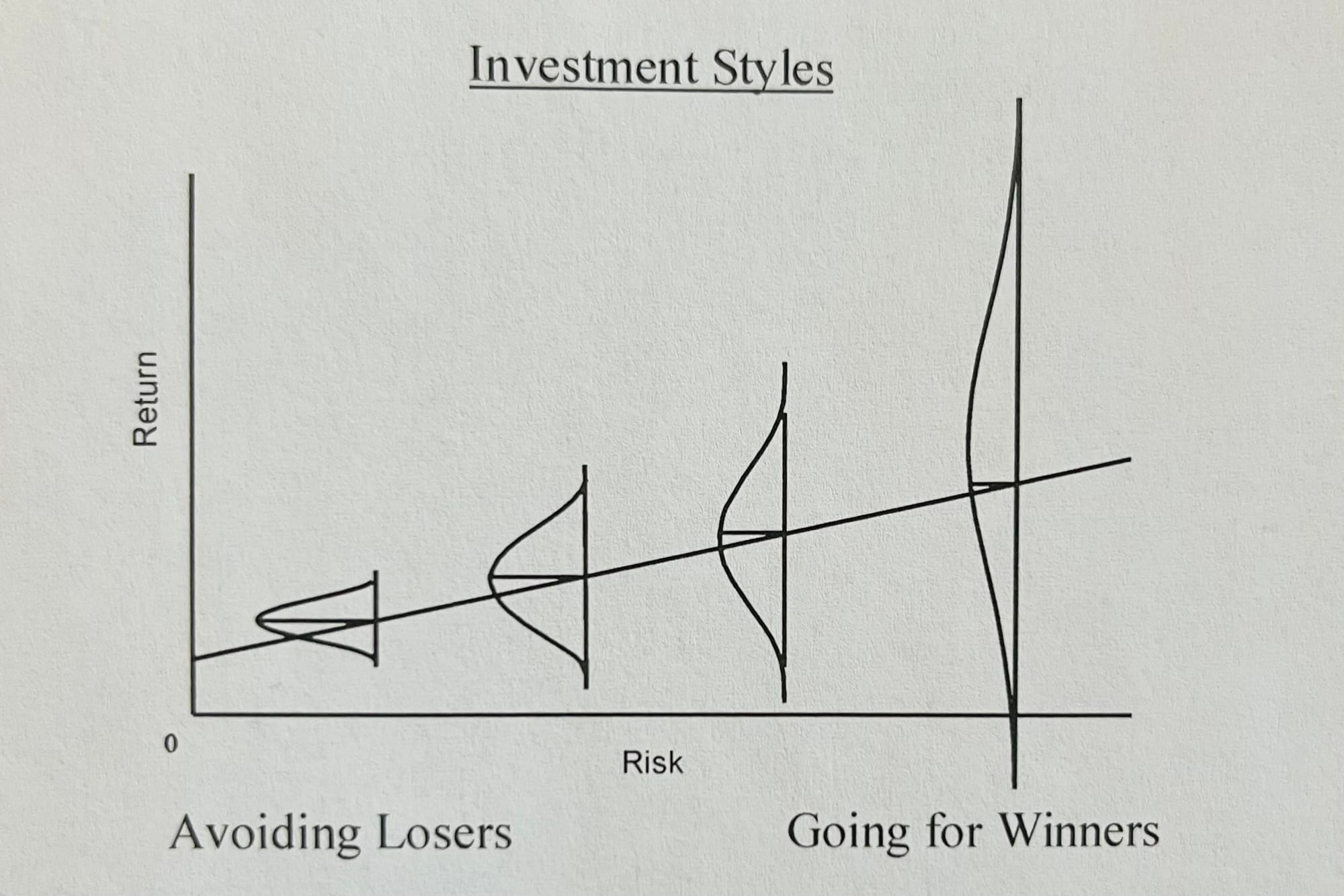
If you focus on minimizing losses, labeled ‘avoiding losers’ in the image, then your returns will likely fall in a relatively small range - not too bad, but not as high as they could be either.
If you focus on maximizing gains, or ‘going for winners’ the range of outcomes gets a lot wider. You could end up with very high returns, but you could end up with big losses too.
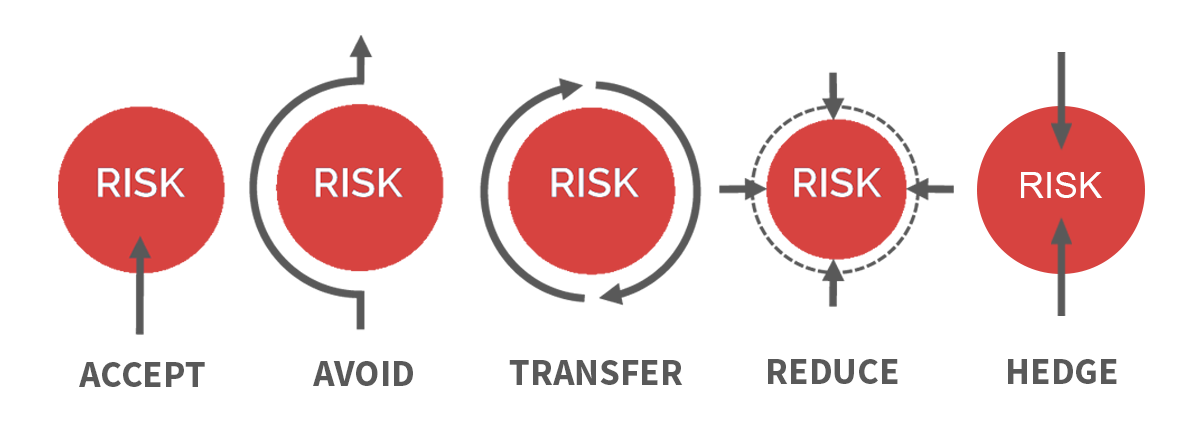
This brings us to an important idea: Risk Avoidance vs. Risk Control.
Risk Avoidance is when you avoid doing anything where the outcome is uncertain. In the end, avoiding all risk usually leads to return avoidance.
Risk Control is the “intelligent bearing of risk for profit”. It means not taking risks that are more than you can live with or risks that you’re not being well-rewarded to take.
Risk Control
At Compounding Dividends, we practice risk control by buying great companies.
We look for businesses with strong moats that share their profits with us as owners.
This creates an asymmetry - we get access to the upside potential of the equity markets without taking on 100% of the downside risk.
Dividends Create a Floor: Stock prices fluctuate, but stable dividends from high-quality companies create a “floor” to your total return.
Margin of Safety: Paying a price that’s low relative to the company’s fundamentals helps us reduce risk too. Howard Marks says that the the price you pay determines the risk.
Avoiding Losers: Bond investors win by not buying companies that will default. Dividend investors win by avoiding companies with shaky balance sheets or high payout ratios.
By taking the right amount of risk, and focusing on intelligently controlling it, we can shift the probability of success up like this:
Conclusion: The Art of Survival
Howard Marks’ tells a story about having dinner with David VanBenshoten, the head of Genral Mills’ pension fund.
During VanBenshoten’s 14 years running the fund, the return had never been above the 27th percentile of pension fund returns or below the 47th.
Guess where that put the fund’s returns for the 14 years overall?
In the 4th percentile!
The best foundation for above-average long-term performance is an absence of disasters.
If you want to be in the top 5% of performers in any single year, you have to be willing to be in the bottom 5%, too.
At Compounding Dividends, we’re not looking for the highest short-term gains.
We’re focusing on risk control and survival, to make sure we stay in the game long enough for time and compounding to do the heavy lifting for us.
After all, if we avoid the losers, the winners will take care of themselves.
One Dividend At A Time,
-TJ
P.S…
We will have a limited number of discounted memberships that will reopen later in 2026.
If you want your name on the list, so you get notified before anyone else,
you can do that here:
You’ll also get a copy of my 10 favorite cannibal stocks when you do.
Used sources
Interactive Brokers: Portfolio data and executing all transactions
Fiscal.ai: Financial data