

On Monday, we talked about Costco’s $30-per-share special dividend.
They’re paying out $13.3 billion in cash.
Double the $15 special dividend they paid out in 2023.
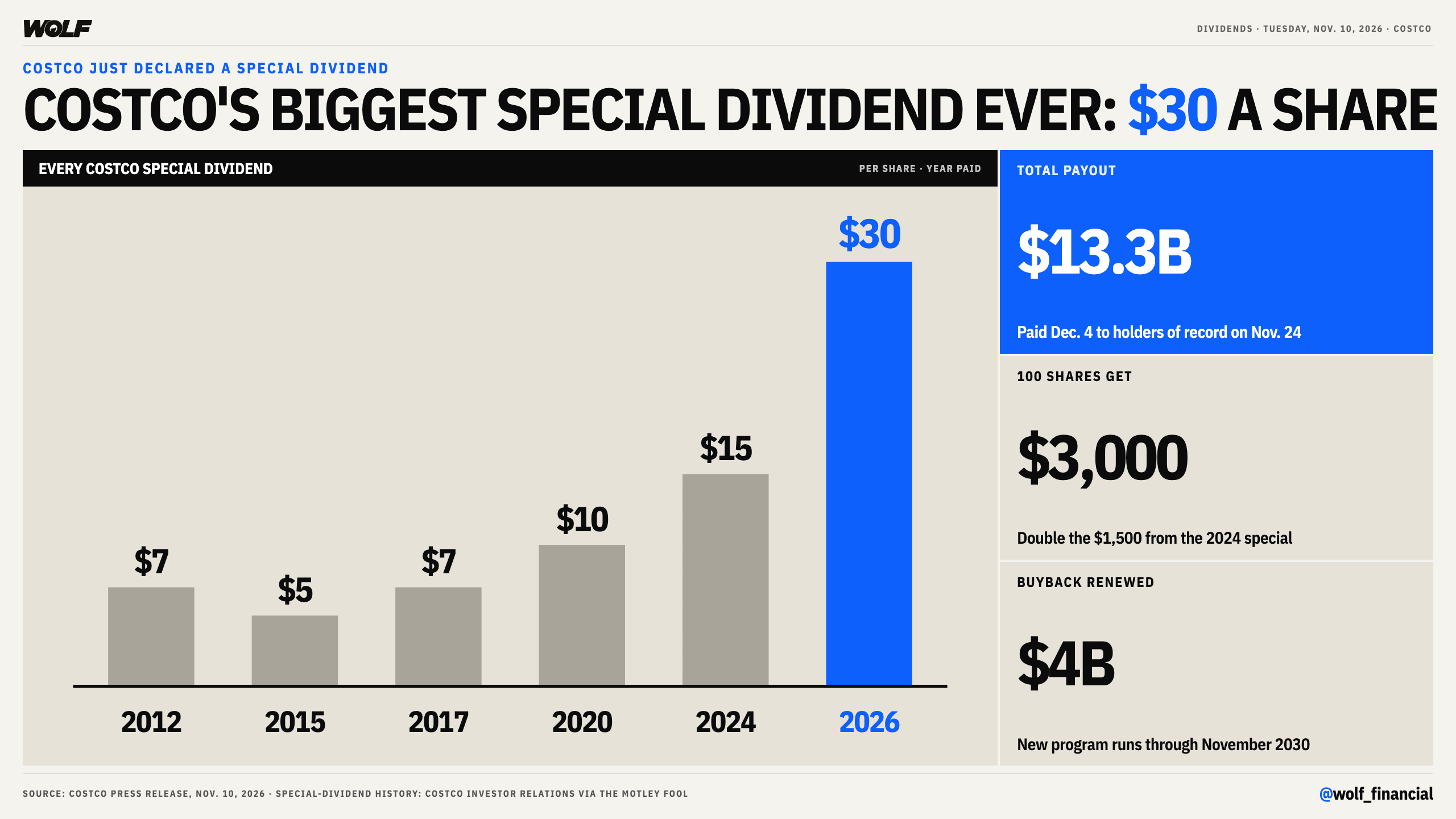
How does a company famous for capping its own profit margins and selling $1.50 hot dogs afford to hand $13.3 billion back to its owners?
To find out, we’ll look at the philosophy of one of the greatest modern investors, Nick Sleep.
The Nomad Philosophy
Nick Sleep and his partner Qais Zakaria ran the Nomad Investment Partnership from 2001 to 2014.
In that time, they returned 921% before closing the fund to manage their own money.
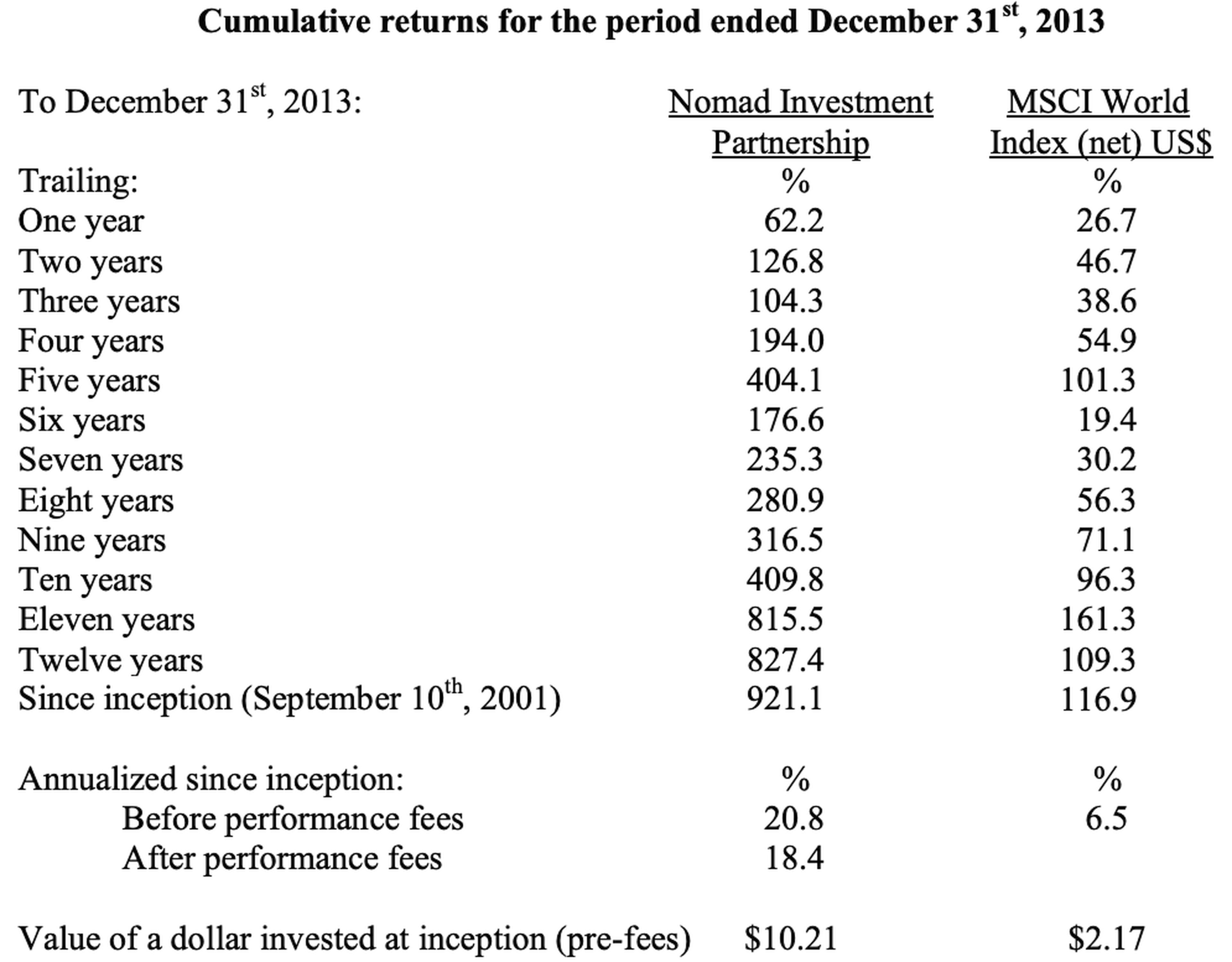
Nomad was truly a long-term fund.
In his letters to partners, Sleep repeatedly stressed multi-year (or multi-decade) time horizons.
He argued that Nomad’s key competitive advantage was the patience of its partners:
“We are genuinely investing for the long term (few are!), in modestly valued firms run by management teams who may be making decisions the fruits of which may not be apparent for several years to come.”
To find these businesses that could be held for a long time, Nomad used “destination analysis”.
Sleep and Zakaria would try to figure out where a business was likely to be in 10–15+ years (the destination) and what its underlying business would look like.
They thought that by looking further out than the short-term crowd they could outperform it.
Based on their returns, they were right.
Of course, the hard part here is not doing anything while you let your businesses grow.
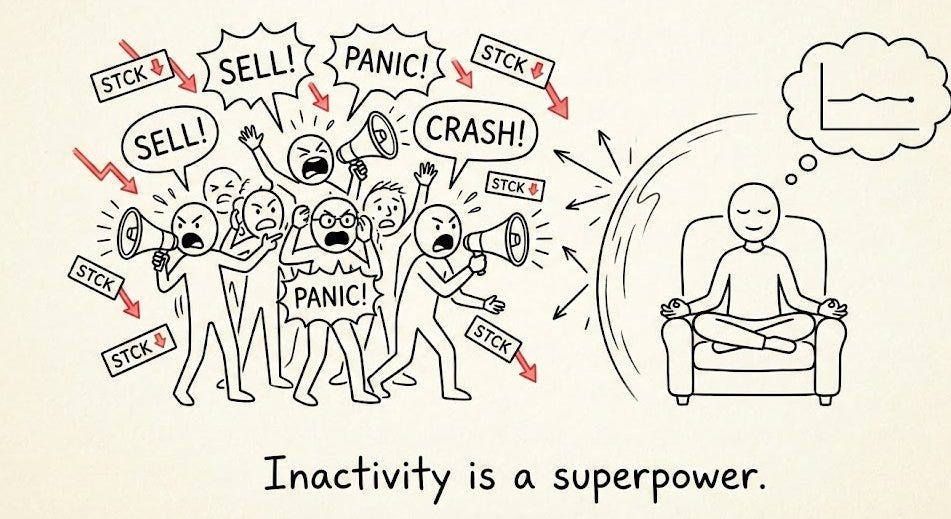
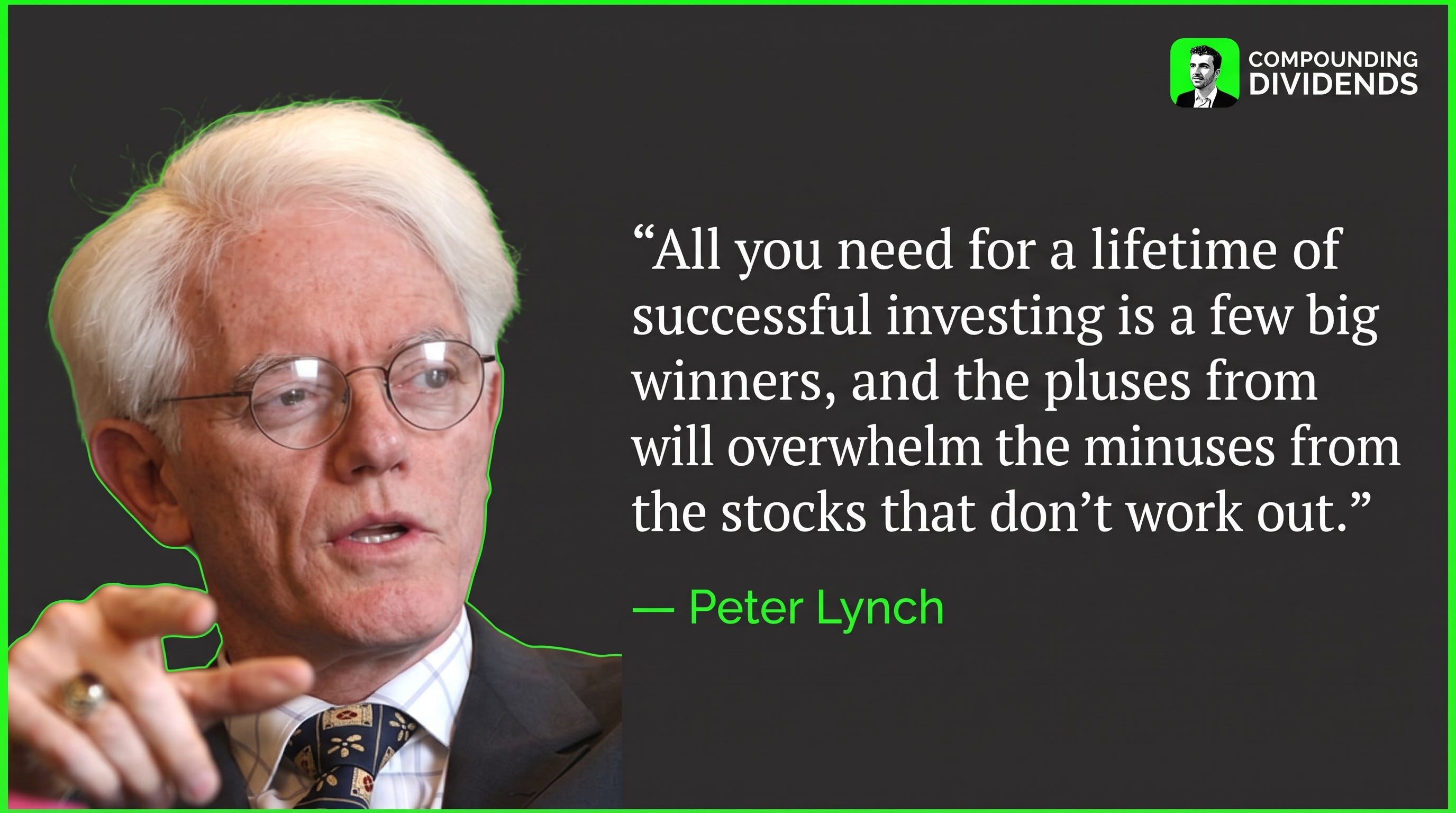
Because Nomad was able to be inactive, they held their biggest winners for years.
Peter Lynch says you only need a few of these.
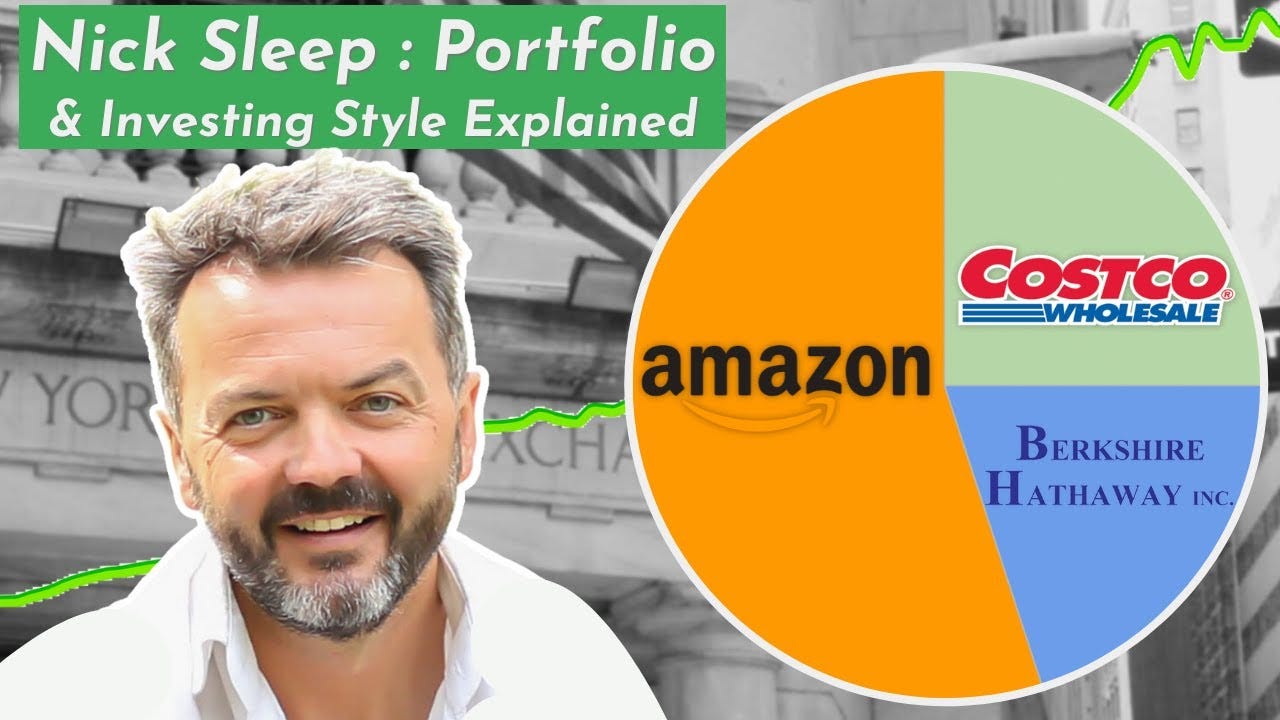
That’s how the Nomad Portfolio wound up concentrated in just three businesses:
Amazon
Berkshire Hathaway
Costco
What tied them together was a concept Sleep coined as “Scale Economics Shared.”
Scale Economies Shared
Most companies will follow a standard playbook:
Grow the company
Get economies of scale
Lowers the per-unit costs
Use those savings to widen the profit margins
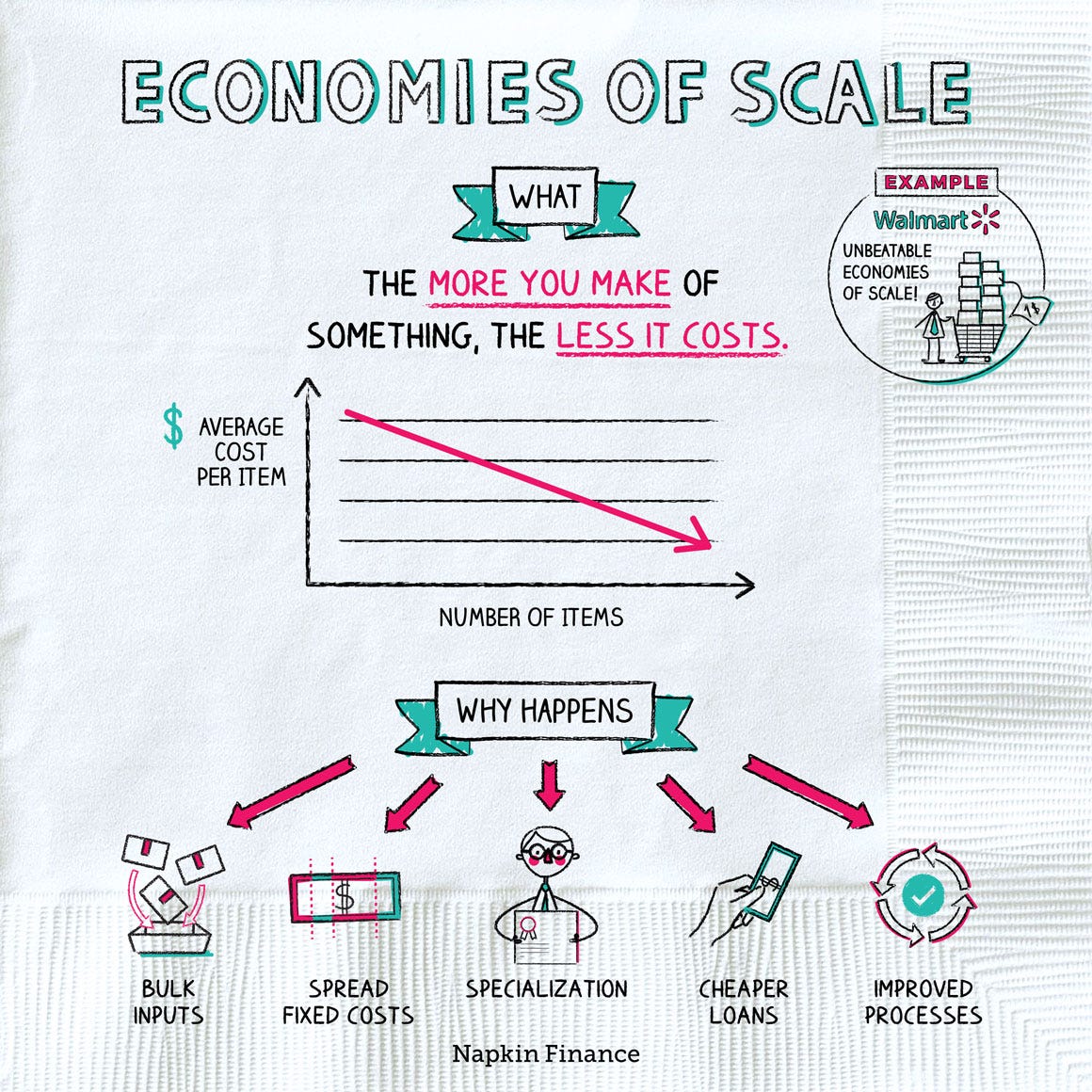
This looks fantastic on a quarterly earnings report, most investors (and Wall Street) love to see margin expansion.
But those fat margins eventually bring on competition.
Sleep noticed that a few high-quality companies did the exact opposite.
As they grew and their costs fell, they gave those savings back to the customer in the form of lower prices.
This creates a powerful flywheel:
The company lowers prices.
Customers buy more and become more loyal
Sales volumes grow
Higher volume gives the company even more negotiating power with suppliers
Costs fall further, allowing for even lower prices
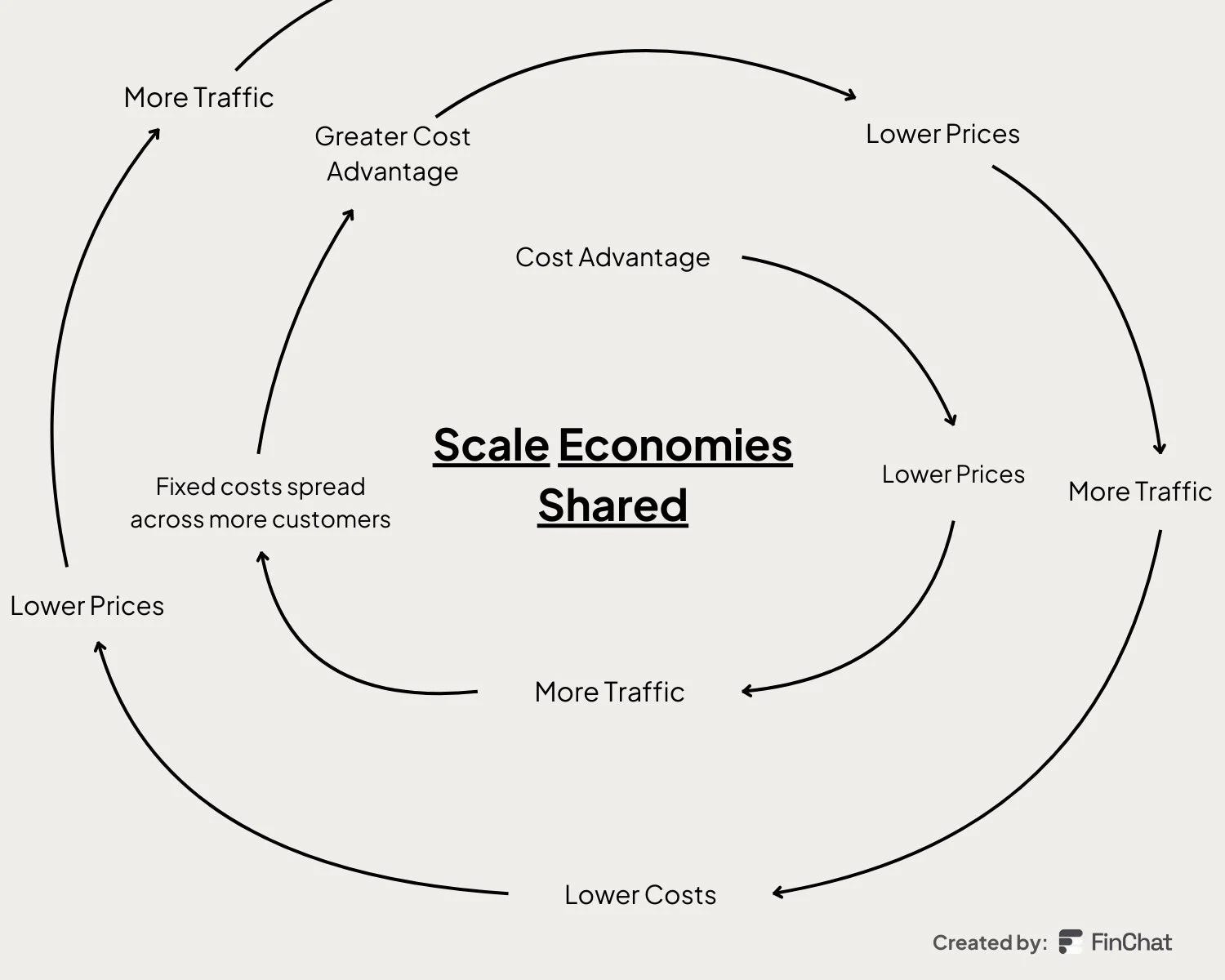
Sleep called this “investment in price-giveback.”
He saw it as the most powerful, long-lived economic moat in capitalism because once it gets going, it’s very hard to break.
This is exactly how Costco works.
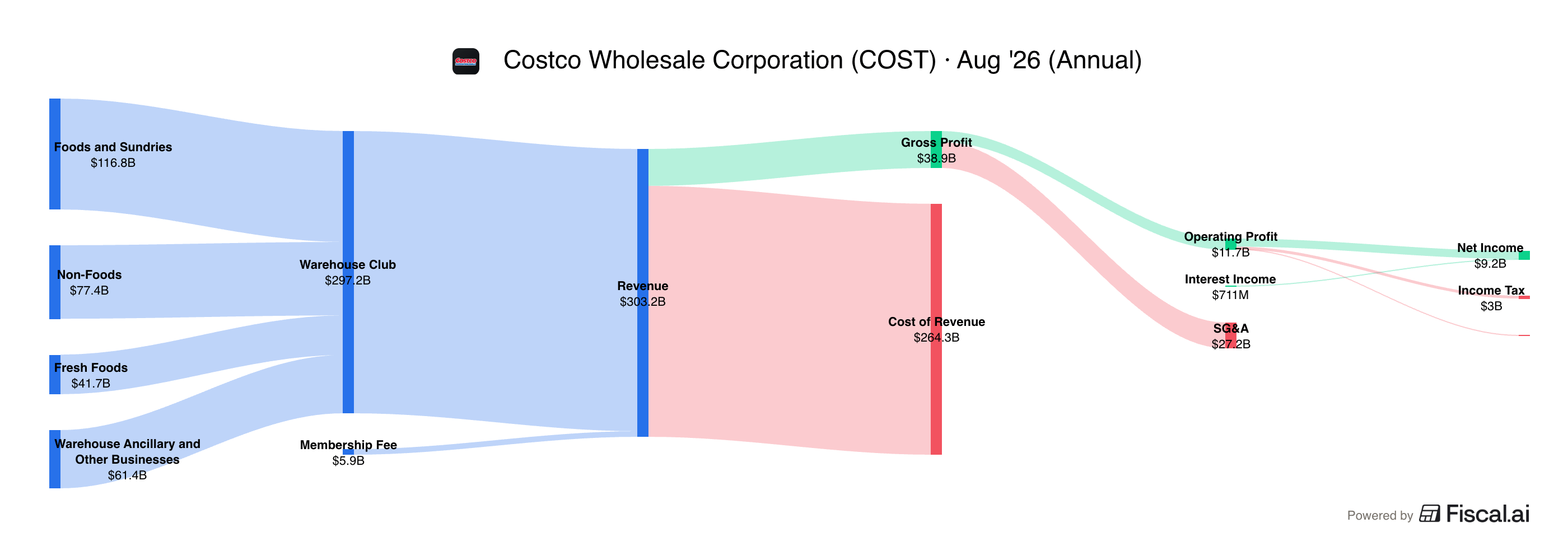
It’s why they have such low profit margins, on a lot of revenue.
Where Did The Special Dividend Come From?
If a company gives its scale benefits to the customer, where does the shareholder return come from?
Costco has low profit margins, but their sales per square foot are multiples higher than most traditional supermarkets.
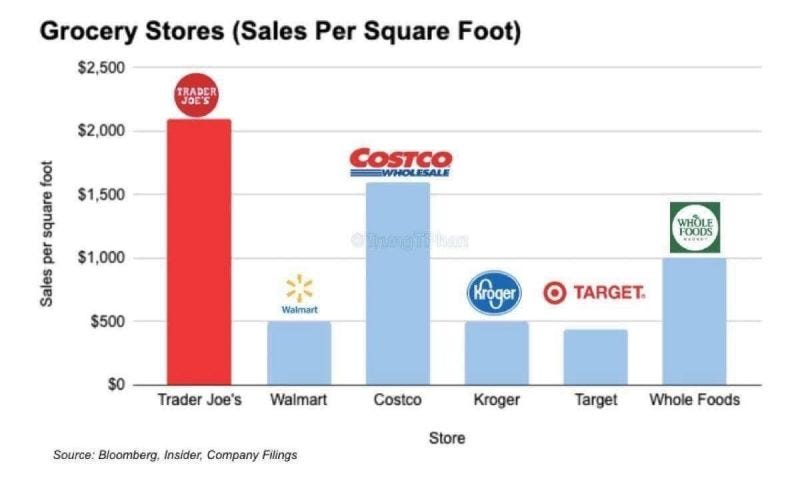
Costco makes its money from selling a lot of volume, and from membership fees.
They have very loyal members, with membership retention rates over 90%.
Costco doesn’t make acquisitions, spend a lot on marketing or R&D, and it’s not building new stores that quickly.
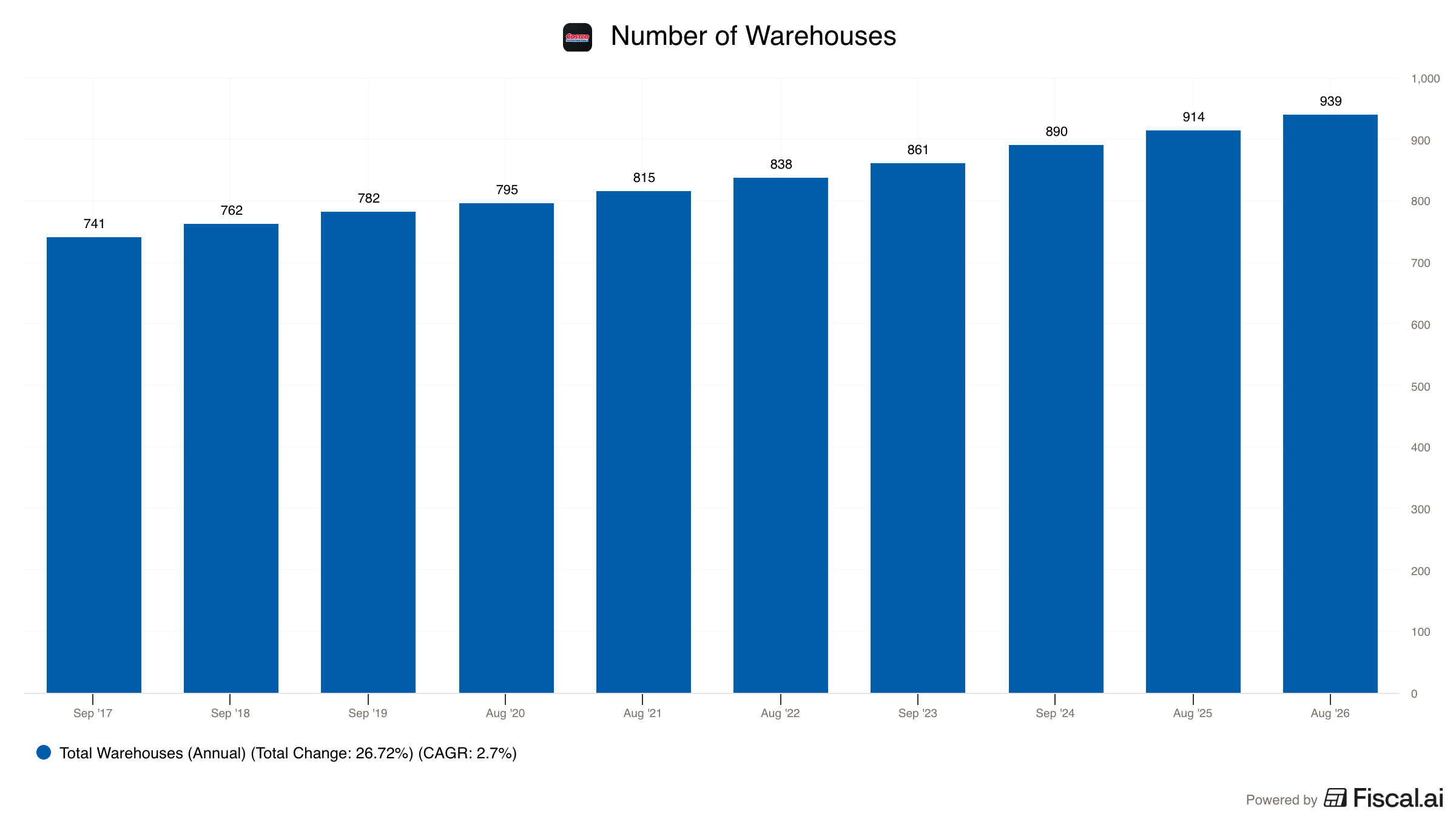
Costco’s net income is growing much faster than the number of warehouses.
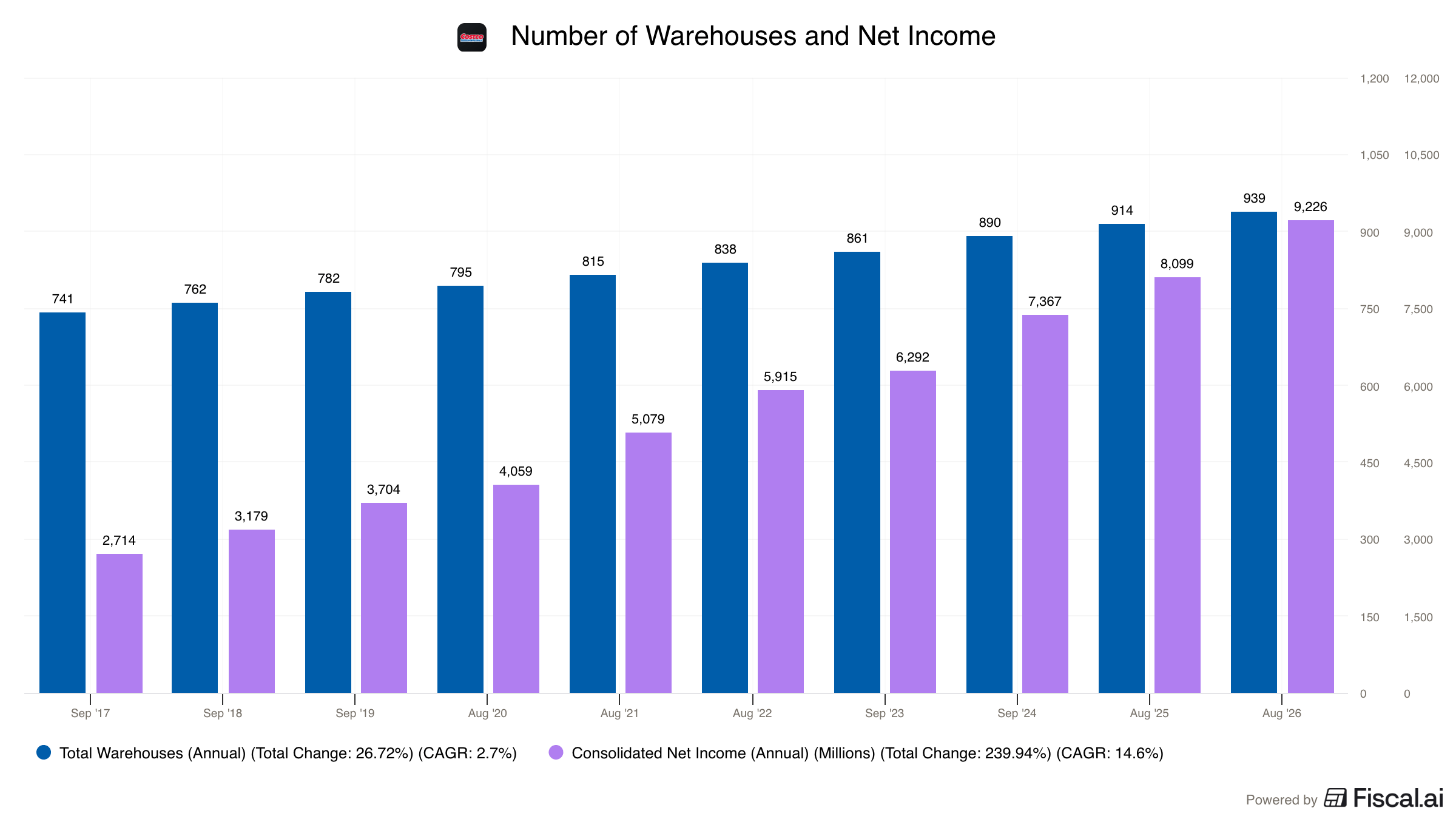
So, when the cash pile on the balance sheet gets too big, they return it to the owners.
The $30 special dividend is the end-result of Scale Economics Shared compounding over decades.
What Dividend Investors Can Learn From Nick Sleep
Think long term. That’s the whole game.
Nick Sleep and Nomad didn’t chase trends or high yields.
They just focused on where the business would be in 10–15 years.
That’s what dividend growth investors should do too.
Here are the three most important things you should remember from Nick Sleep:
A strong AND durable moat is everything: The best businesses get stronger over time.
You have to understand the business model: You need to understand how the company actually makes money and why that can continue for years.
Patience is a huge advantage: The hardest part isn’t finding great businesses, it’s doing nothing while they compound.
These lessons can lead to decades of growth in the dividend, as well as the intrinsic value of the business.
One Dividend At A Time,
-TJ
Used sources
Interactive Brokers: Portfolio data and executing all transactions
Fiscal.ai: Financial data
Disclaimer
As a reader of Compounding Dividends, you agree with our disclaimer. You can read the full disclaimer here.