

Most investors spend their lives focus on price.
Watching tickers move up and down every day.
But there’s a problem with that…
in the short and medium term, price just reflects the market’s mood.
As Ben Graham told us:
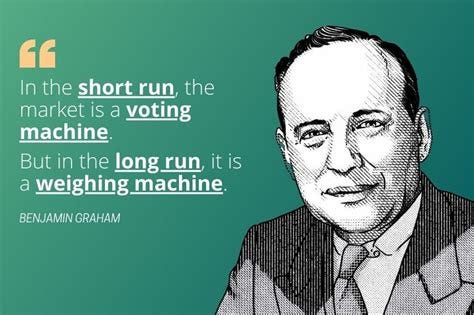
The ‘long run’ can be much longer than you think.
Watching price is volatile, it’s emotional, and it often has very little to do with what a business is actually worth.
It sets you up to make emotional decisions - buying high and selling low.
This is a lot of the reason that the average investor tends to underperform.
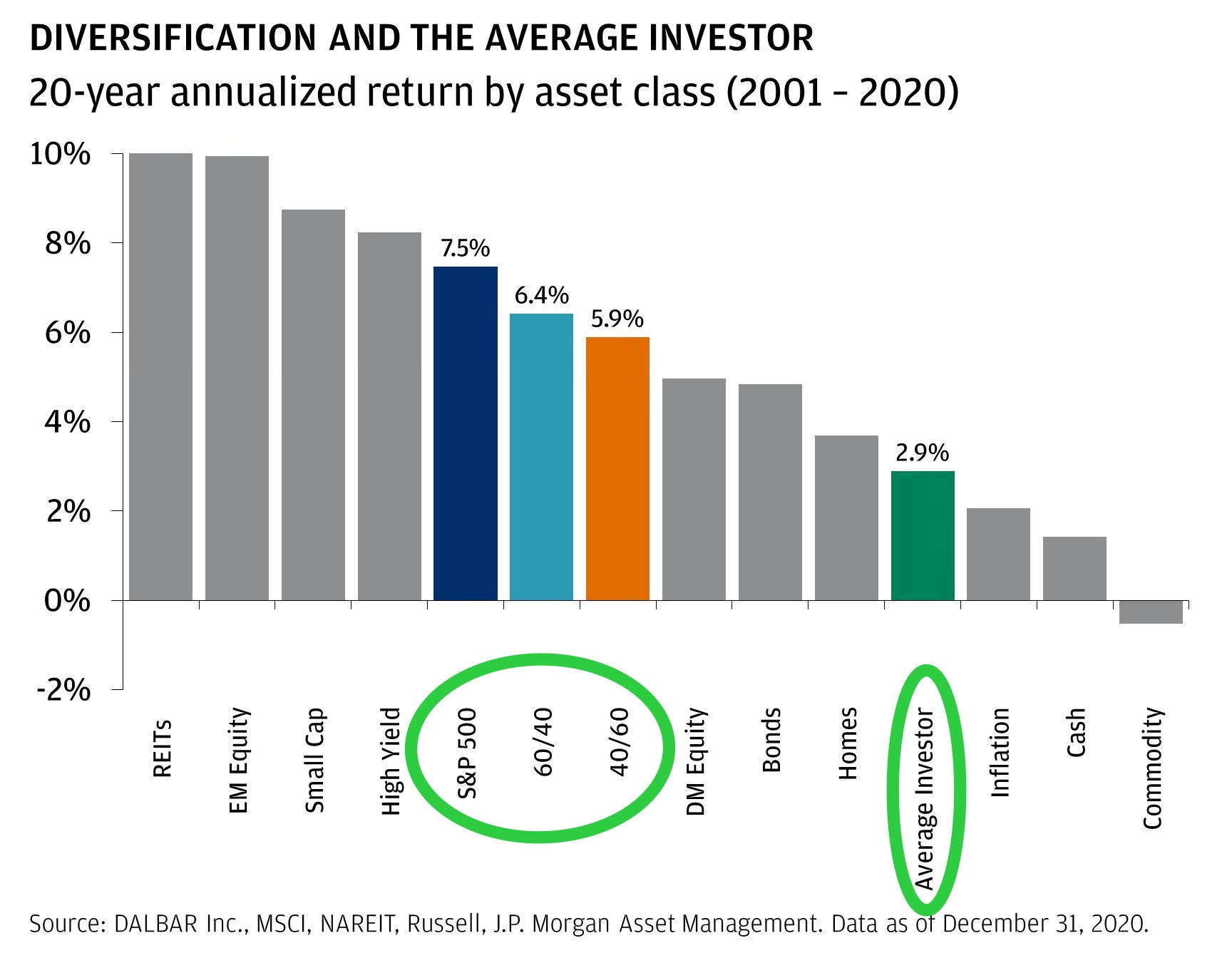
If we want to build lasting wealth without the stress, we need to focus on more than price.
Total Return
Total return looks at more than price.
It’s generally defined as Capital Gains (Price Growth) + Dividends.
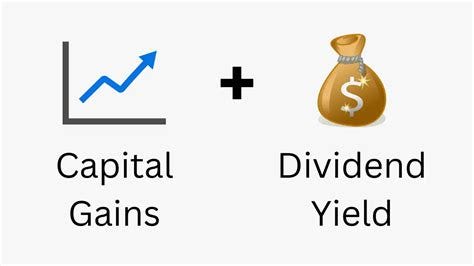
The financial industry treats these two things as equal, but there are important differences.
Price appreciation is theoretical, until you sell your shares.
It’s paper profit that changes constantly while the markets are open.
Dividends are the only tangible link between you and the business’s earnings.
They are cash in your hand.
They represent an actual business outcome.
Profit delivered to your account.
Just look at the difference between the dividends and price for Genuine Parts Company.
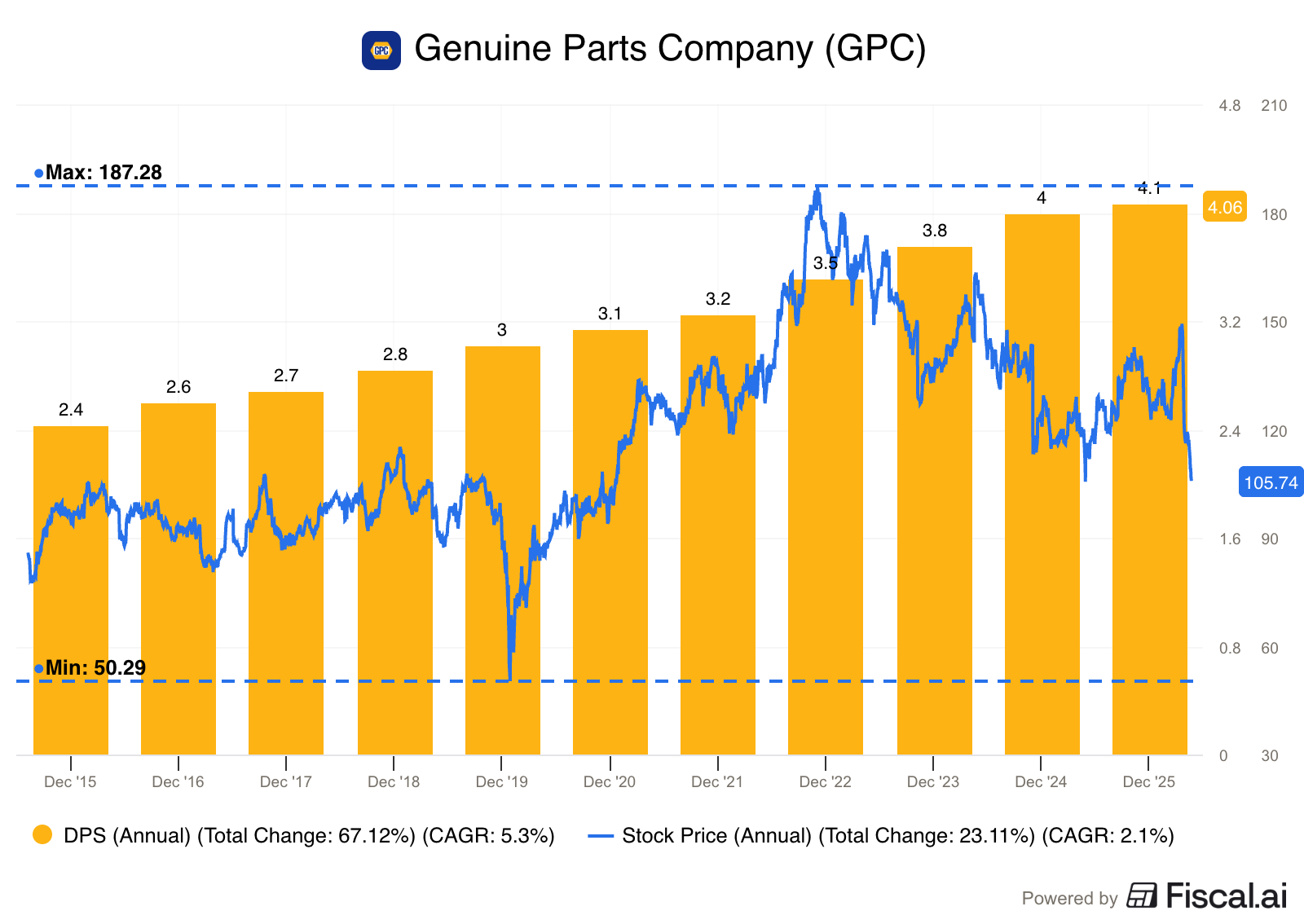
The stock price at the beginning of the chart is $85.
If you bought then, between 2015 and 2025 you could have sold those shares for anywhere between a 43% loss and a 120% gain.
But you got paid a bigger dividend every single year.
Multiple Roads to Rome
Even though I think these differences are important, the investment industry doesn’t.
If we look at things through their lens, then there are multiple ways to get to the same place.
If your goal is a 10% return, then there’s a lot of ways to get there.
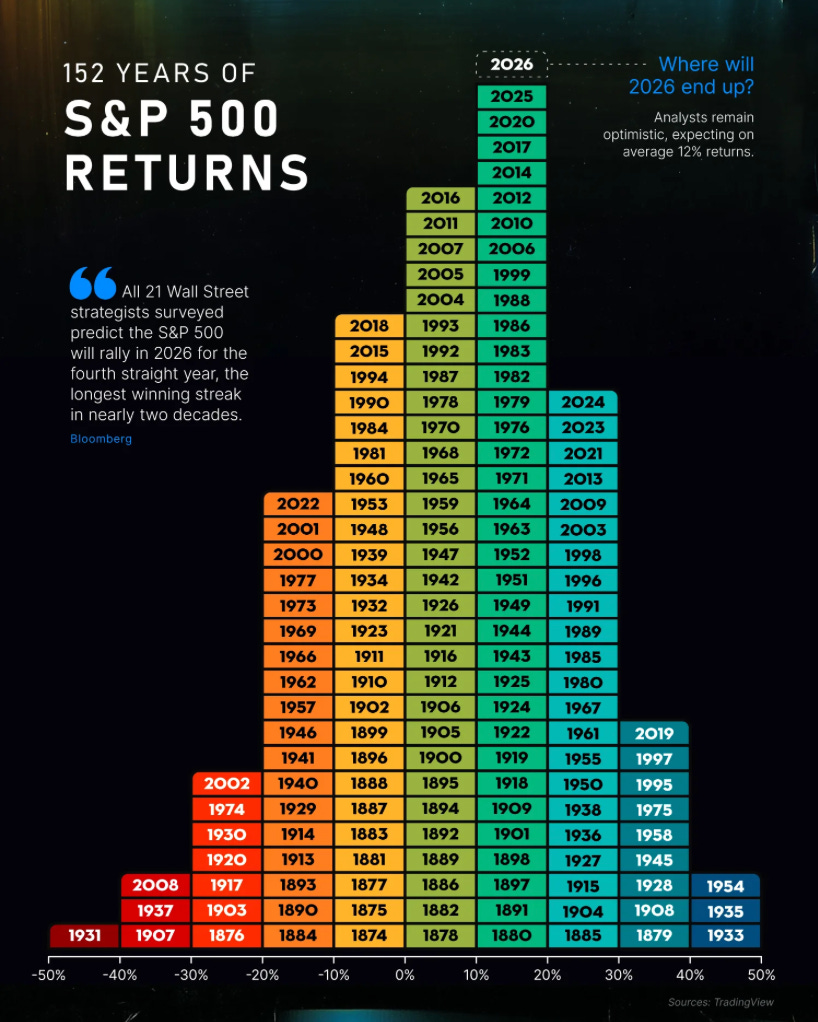
At the extremes we have:
A stock that grows its price by 10% per year and pays no dividend (making you 100% dependent on market prices)
A security that pays a 10% dividend yield. (You are now 0% dependent on the market’s mood to hit your target).
Of course, any combination of the two that adds up to 10% will get you to the same place. (9% growth + 1% dividends, 5% growth + 5% dividends, etc.)
The more yield you have, the less dependent on the market you are.
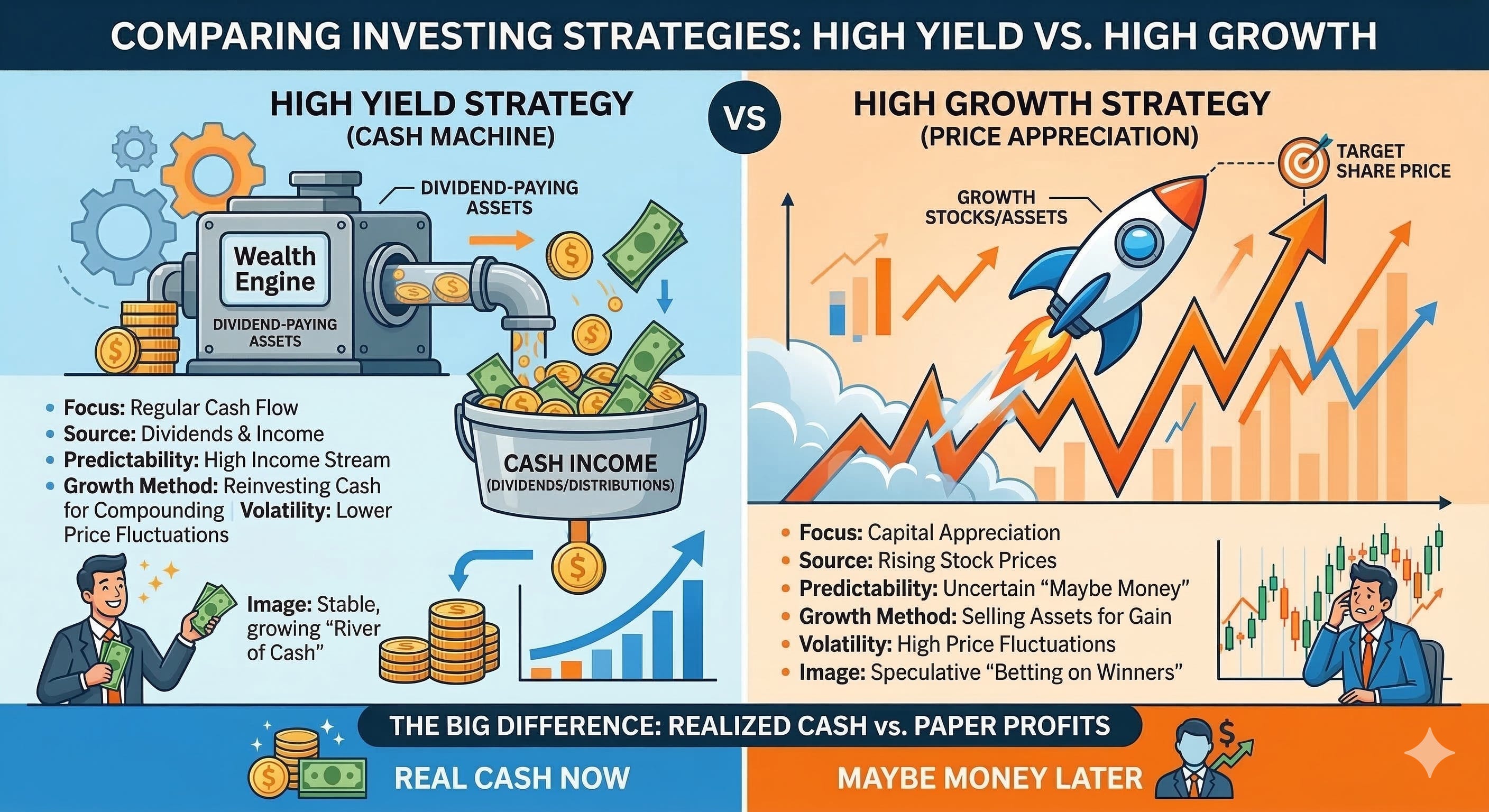
In the higher yield scenarios, you don’t need growth in the traditional sense.
You just need to keep getting paid.
A Note on Taxes
I know some reading this are thinking ‘dividends are taxed, unrealized capital gains aren’t. True, but I don’t think you should let the tax tail wag the investment dog. Taxes are an individual puzzle, and many use tax-free accounts (like a Roth) or tax-advantaged tools like MLPs to minimize taxes. Focus on the math of the engine first, figure out where you’re going to put your investments later.
Reinvestment is Your Growth Phase
When you focus on the yield, your growth doesn’t come from a rising stock price, it comes from reinvestment.
Even when we look at the S&P 500, we see that dividend reinvestment makes up a large portion of the total return over time.
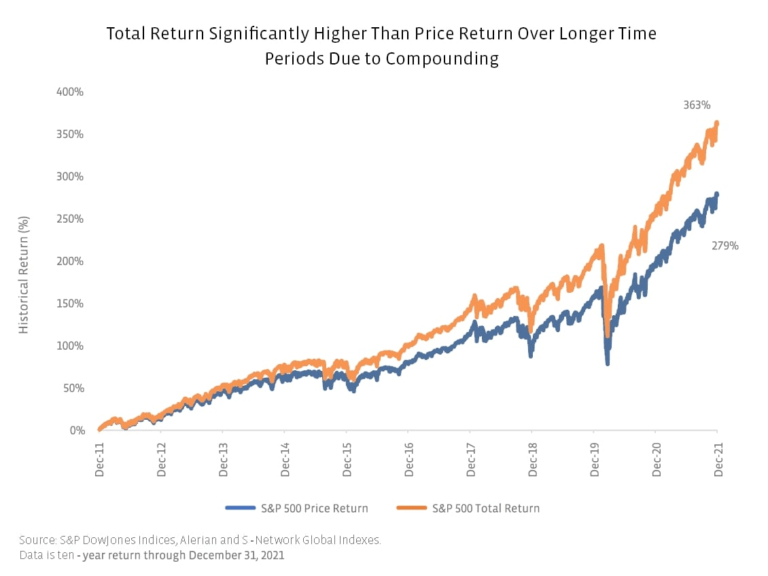
Every time you take a dividend and buy more shares, you are growing your income machine.
This creates a beautiful paradox: Lower prices are actually better for you.
If the market drops and the price of your holdings goes down, your paper value takes a hit.
But for an income investor, that lower price means a higher yield.
Here’s GPC again.
As price (gold) goes down, yield (blue) goes up and the other way around.
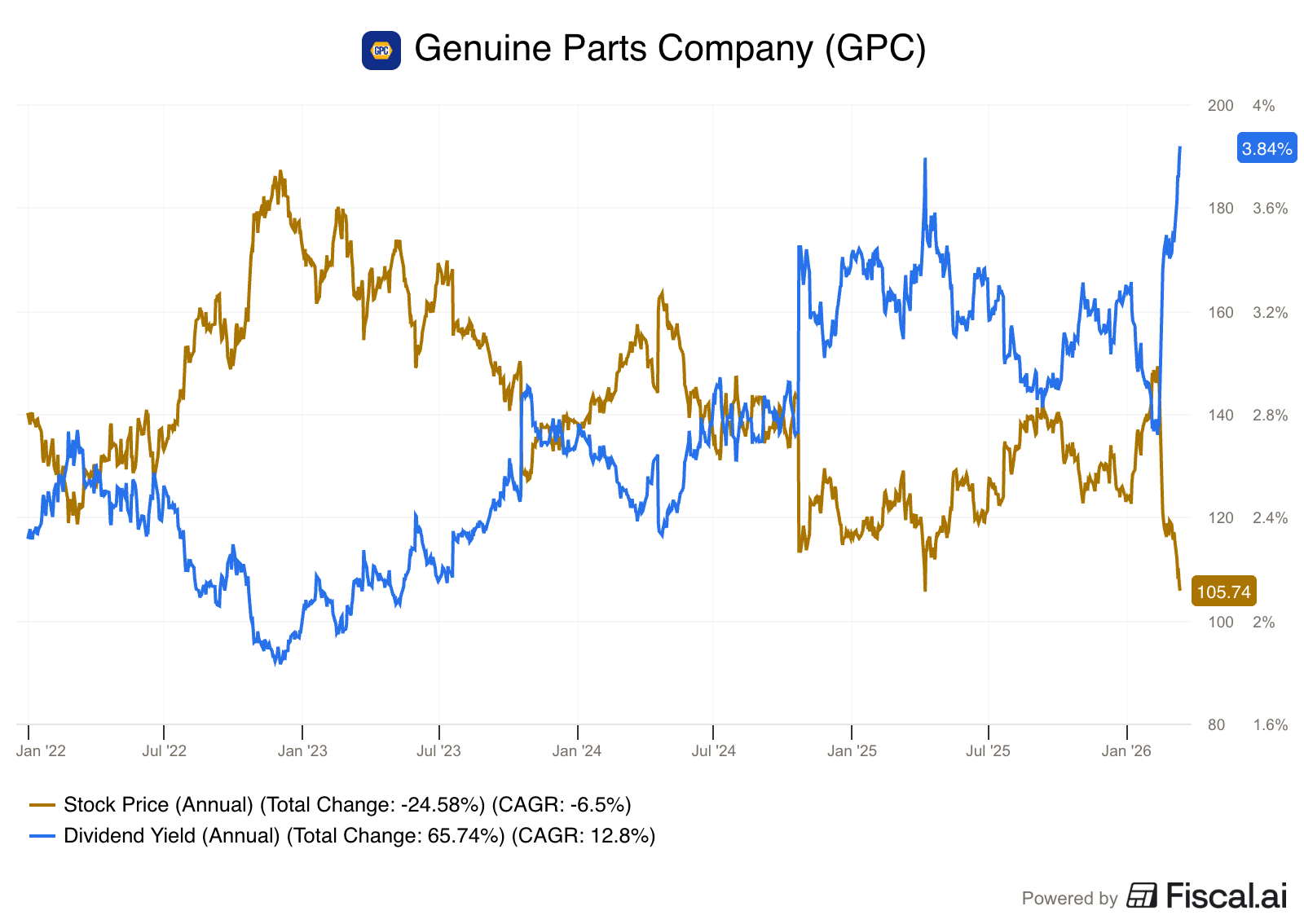
When prices are low, your dividends buy even more shares than they did last month.
You aren’t realizing a loss, you’re getting a raise.
Choose Your Path
Ultimately, there are multiple roads that lead to Rome.
If you have the stomach to focus on price and weather 50% drawdowns in the next growth stock, that is a perfectly valid path to building wealth.
But it isn’t the only path.
If you don’t want to rely on the whims of Mr. Market, increasing the portion of your return that comes from dividends can do that.
It shifts the focus from the market back to the business.
Price changes are market outcomes: They are driven by sentiment, interest rates, and headlines. They are fickle.
Dividends are business outcomes: They are driven by cash flow, profitability, and management. They are tangible.
For a lot of investors, it’s easier to stay the course emotionally when you see a stream of cash rolling into your account every month or quarter, regardless of whether the ticker is red or green.
When you stop obsessing over paper profits and losses and start focusing on your growing cash machine, you stop being a gambler and start being a business owner.
Pick the road that lets you sleep at night.
For me, that’s the one paved with steady, compounding dividends.
One Dividend At A Time,
-TJ
Used sources
Interactive Brokers: Portfolio data and executing all transactions
Fiscal.ai: Financial data
Disclaimer
As a reader of Compounding Dividends, you agree with our disclaimer. You can read the full disclaimer here.
Dividends work when backed by earnings, not debt. Protect the downside first. Yield is a byproduct, not the strategy.