

Warren Buffett has spent over 70 years watching investors make the exact same mistakes over and over again.
Today we’ll look at Buffett’s 7 Deadly Sins of Investing.
And more importantly, learn how to avoid them!
1. Treating the Stock Market Like a Casino
When markets get greedy, people start betting on momentum and stock prices.
They forget that a share of stock is partial ownership of a real business with real products and real cash moving in and out the door.
During the height of the dot-com bubble in the late 1990s, investors mocked Buffett for missing out on the ‘easy money’ in tech stocks.
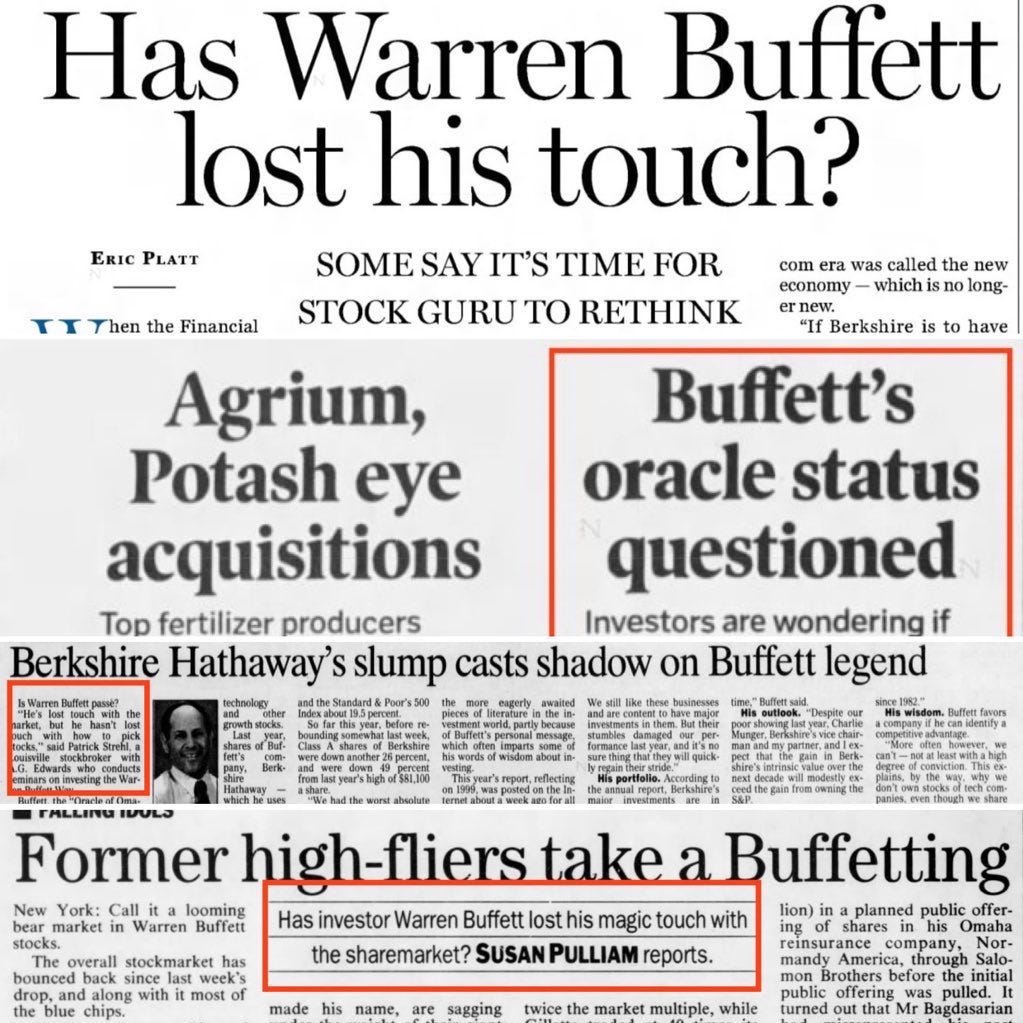
But when the bubble burst, those ‘innovative’ companies crashed or went bankrupt.
Meanwhile, Buffett was collecting cash flows from boring, real-world businesses like See’s Candies and Coca-Cola.
“Games are won by players who focus on the playing field—not by those looking at the scoreboard.” — Warren Buffett
2. “Sucking Your Thumb”
Buffett calls this the sin of omission.
You find a wonderful business, but you hesitate.
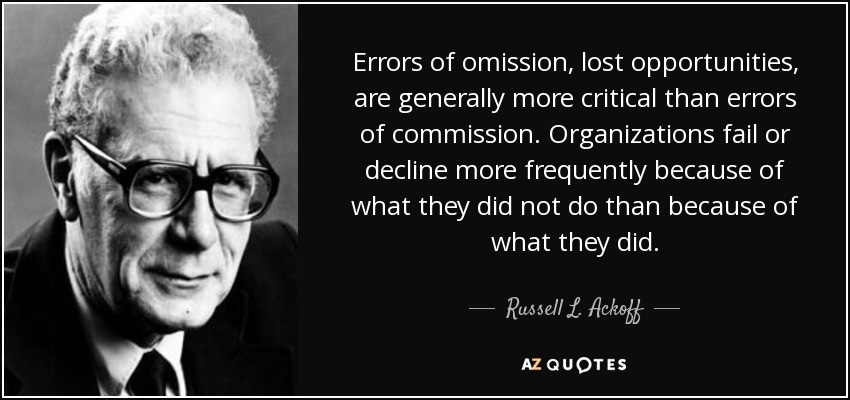
The hardest part is that it’s easy to convince yourself that you’re being disciplined.
You’re waiting for a better price
You want to wait a few more days to see how the bad news develops
You need to read a few more earnings reports
Then the buying window closes.
You do need to be patient, and you do need to do your homework, but the best times to buy great businesses are usually the least comfortable.
If you’re confident in your research and the valuation makes sense, you have to pull the trigger.
During the 2018 Annual Meeting, Buffett talked about admiring Amazon for many years.
“Obviously, I should have bought it a long time ago.”
He said that he knew the business could be extraordinary, but he was too hesitant to take the risk.
We don't know when Buffett started looking at Amazon, but over the last 10 years, it’s returned more than 600%.
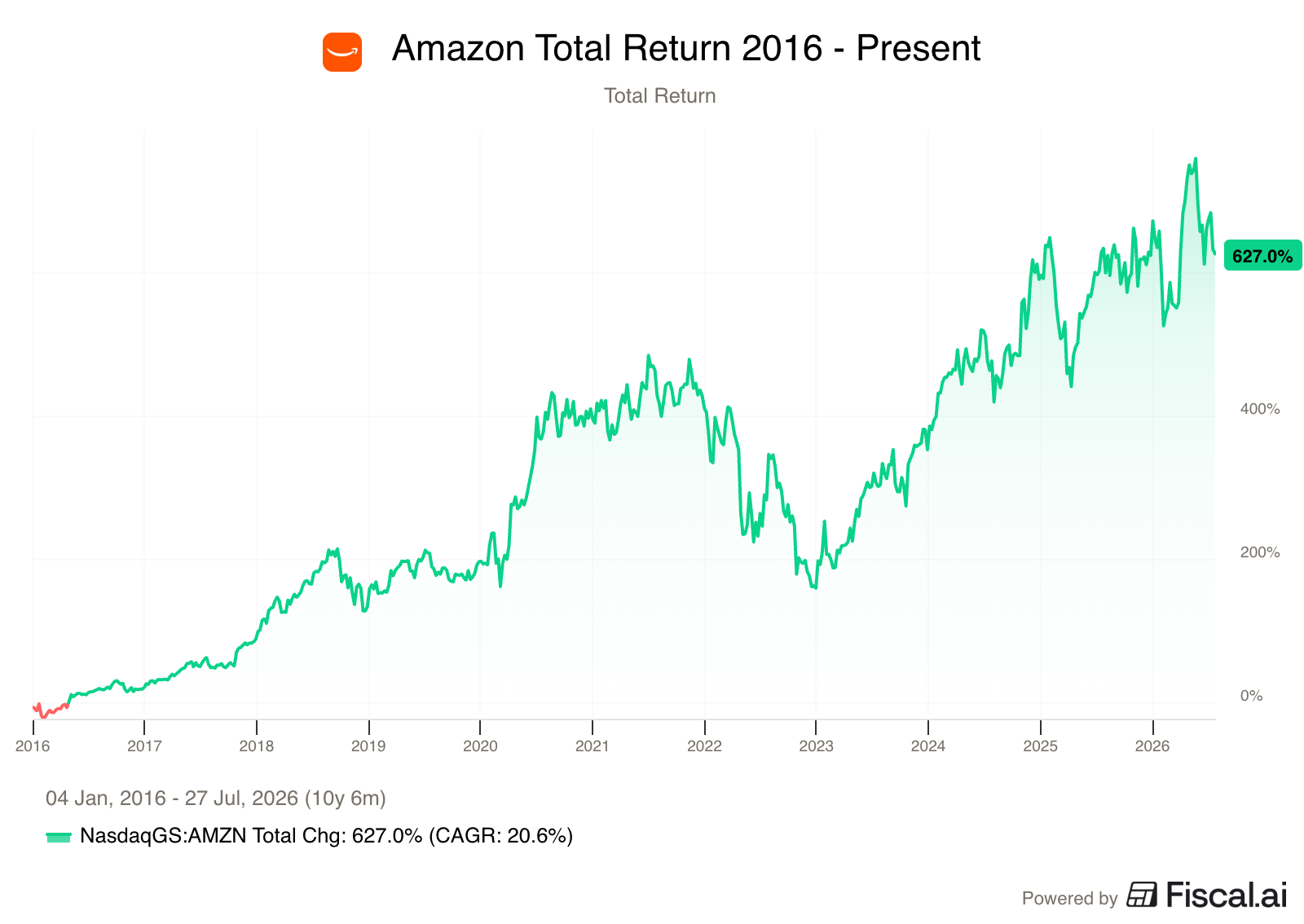
It was a $286 billion company back then, so by not buying 2% of the company, Berkshire missed out on $36 billion in gains.
“My ‘thumb-sucking’ has cost Berkshire roughly $1 billion... We have no excuses.”
— Warren Buffett
3. Buying Businesses You Don’t Understand
You do not need to have an opinion on every stock in the market.
In fact, trying to have one is a terrible idea.
You just need to know a handful of great businesses well:
How they make money
Why their dividend is safe
What the biggest risks are
Figure out what your Circle of Competence is, and stay well within it.
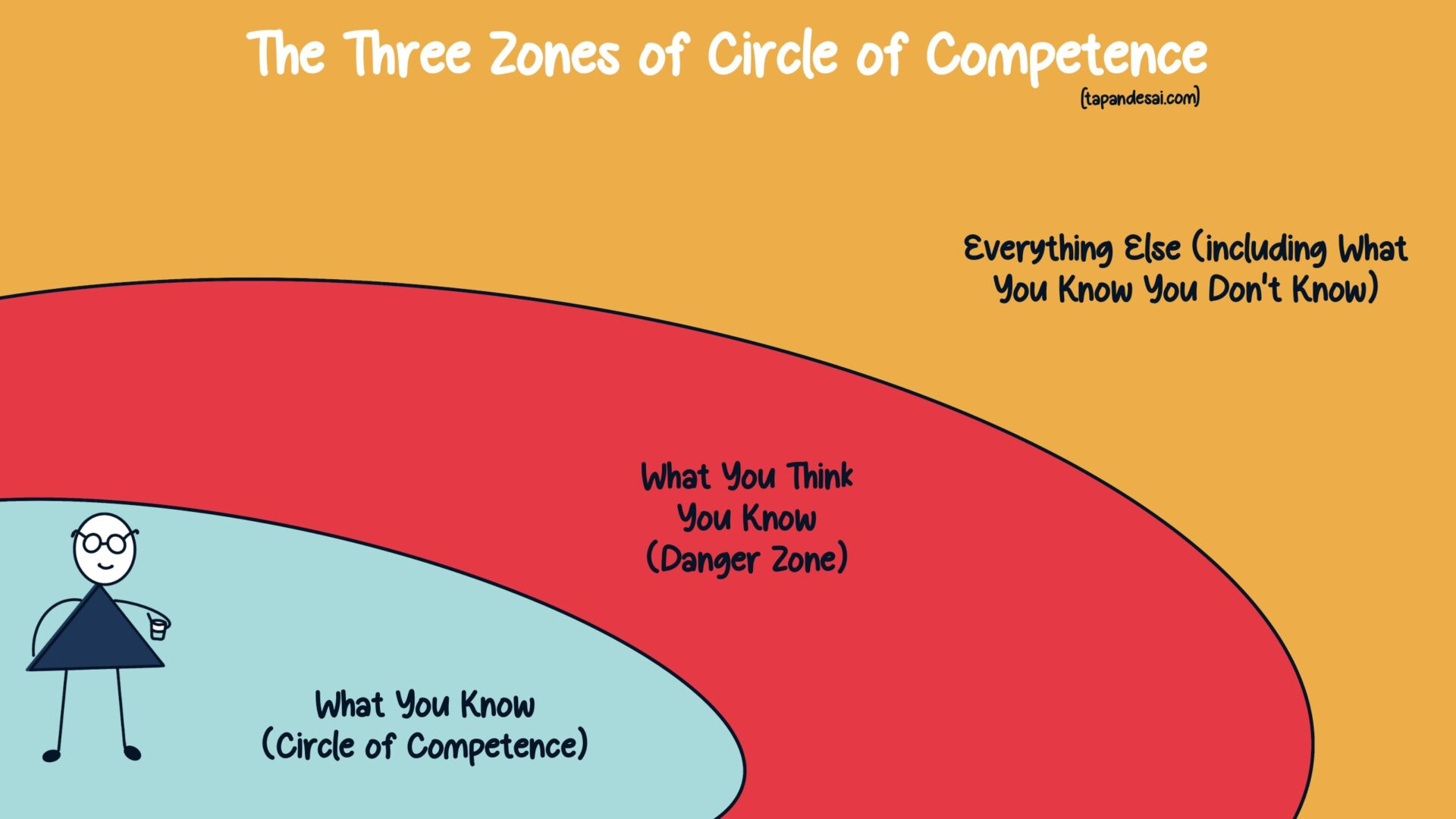
It will start out small, but it can grow.
For decades, Buffett completely avoided technology stocks because he said that he couldn’t predict their long-term competitive landscape.
But in 2016 that he took a massive position in Apple.
What changed?
He realized Apple wasn’t just a hardware manufacturer anymore.
The iPhone had turned it into a consumer brand with switching costs from the Apple ecosystem.
That was squarely in his circle, and he bought.
“What an investor needs is the ability to correctly evaluate selected businesses... Risk comes from not knowing what you’re doing.” — Warren Buffett
4. Overpaying (Even for a Wonderful Business)
It’s dangerous to think that the goal is buy great businesses and ignore the price.
Paying too much, even for a great business with a wide moat can still lead to disappointing investment returns.
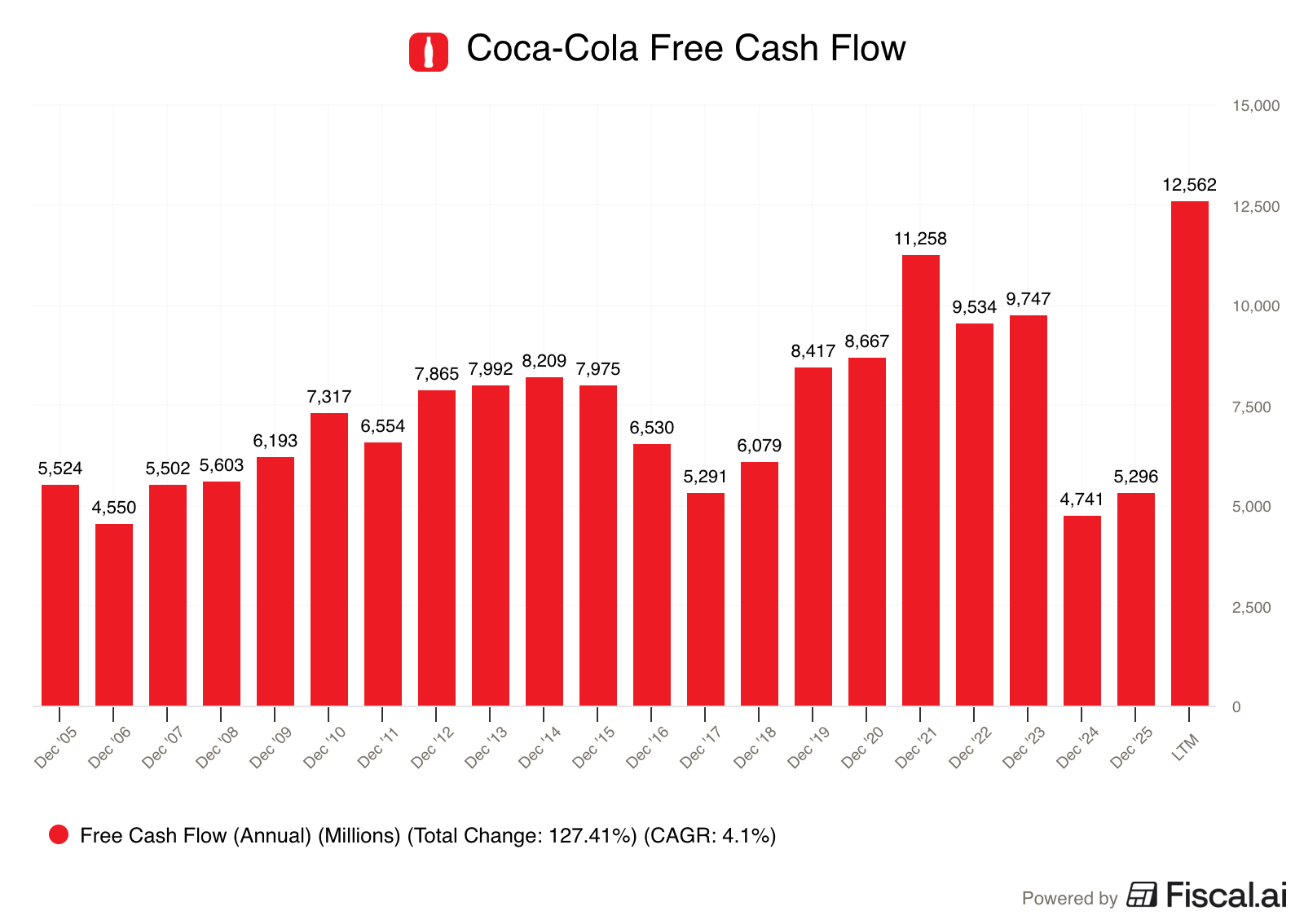
Buffett clearly considers Coca-Cola a wonderful business.
He’s held it since the late 1980’s.
But in 1998, Coke got very expensive.
Investors who bought at the peak, had to wait until 2012 to break even , and had a short window in 2013 to sell for some gain.
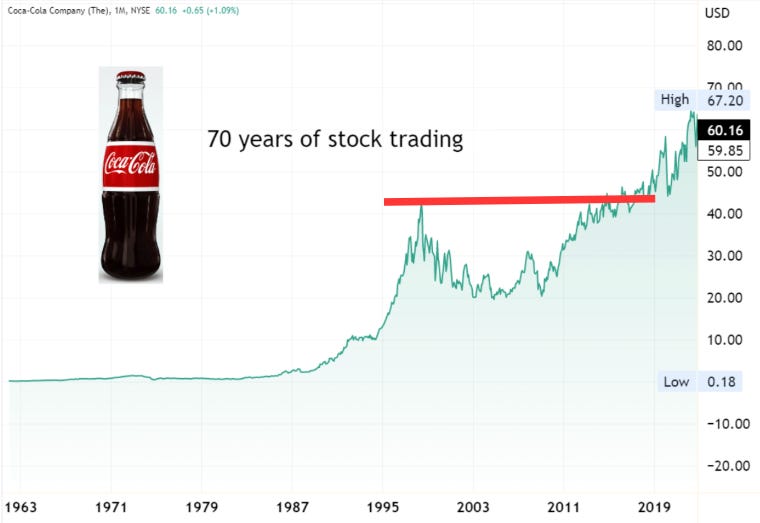
“For the investor, a too-high purchase price for the stock of an excellent company can undo the effects of a subsequent decade of favorable business developments.” — Warren Buffett
5. Letting Your Emotions Drive
Having a high IQ doesn’t mean you’ll be a great investor.
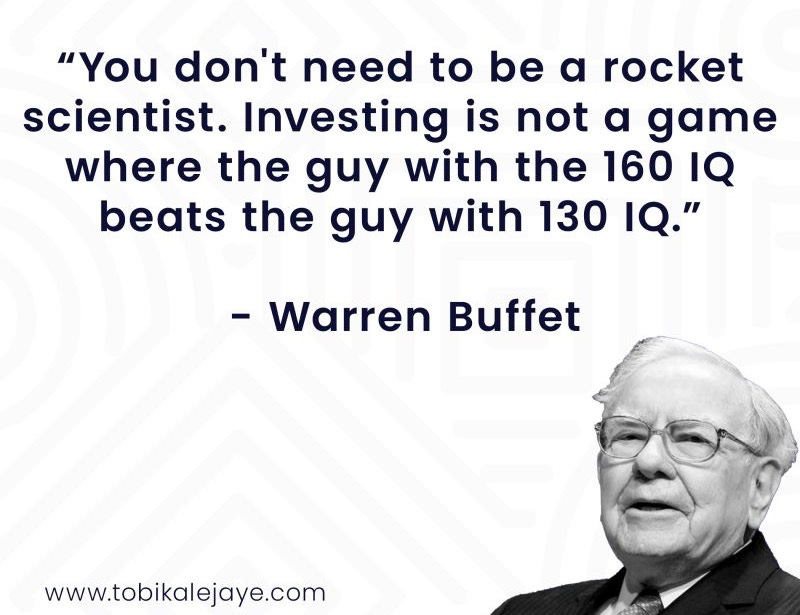
So if you don’t need a high IQ, what do you need?
The right temperament.
The market is often driven by emotions, moving from fear to greed.
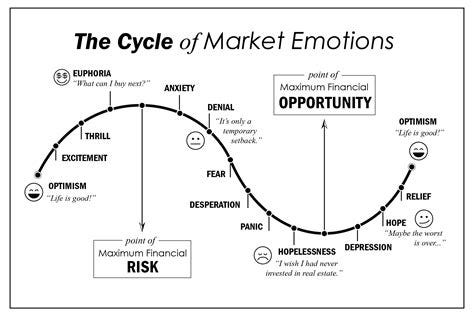
That makes most investors buy when stocks are expensive, and sell when they’re cheap and everyone is panicking.
During the 2008 crisis Wall Street was in a panic.
Buffett used the fear to buy $5 billion in preferred shares of Goldman Sachs, yielding a 10% dividend.
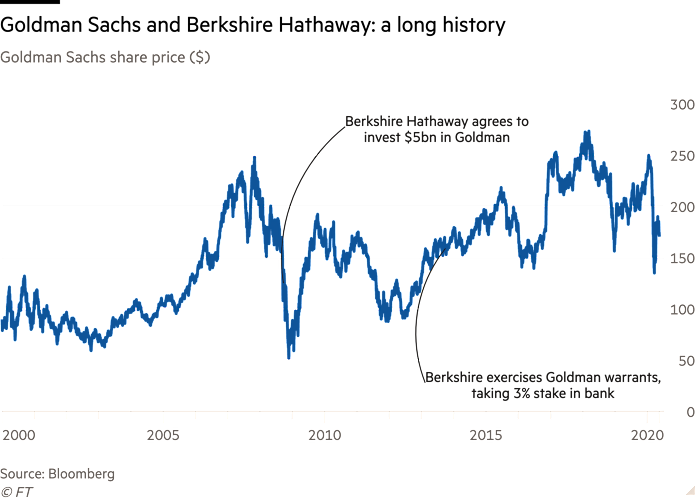
Goldman had the right to buy back those preferred shares.
Which they did in March 2011, paying Buffett $5.64 billion.
That included:
The original $5 billion in principal
A $500 million bonus for early repayment
$140 million in dividends Buffett was due at the time
But Buffett was also collecting dividends while he held the shares, amounting to roughly $1.1 billion.
So Buffett made about $1.75 billion in 3 years, a 35% return.
“We simply attempt to be fearful when others are greedy and to be greedy only when others are fearful.” — Warren Buffett
6. Using Leverage
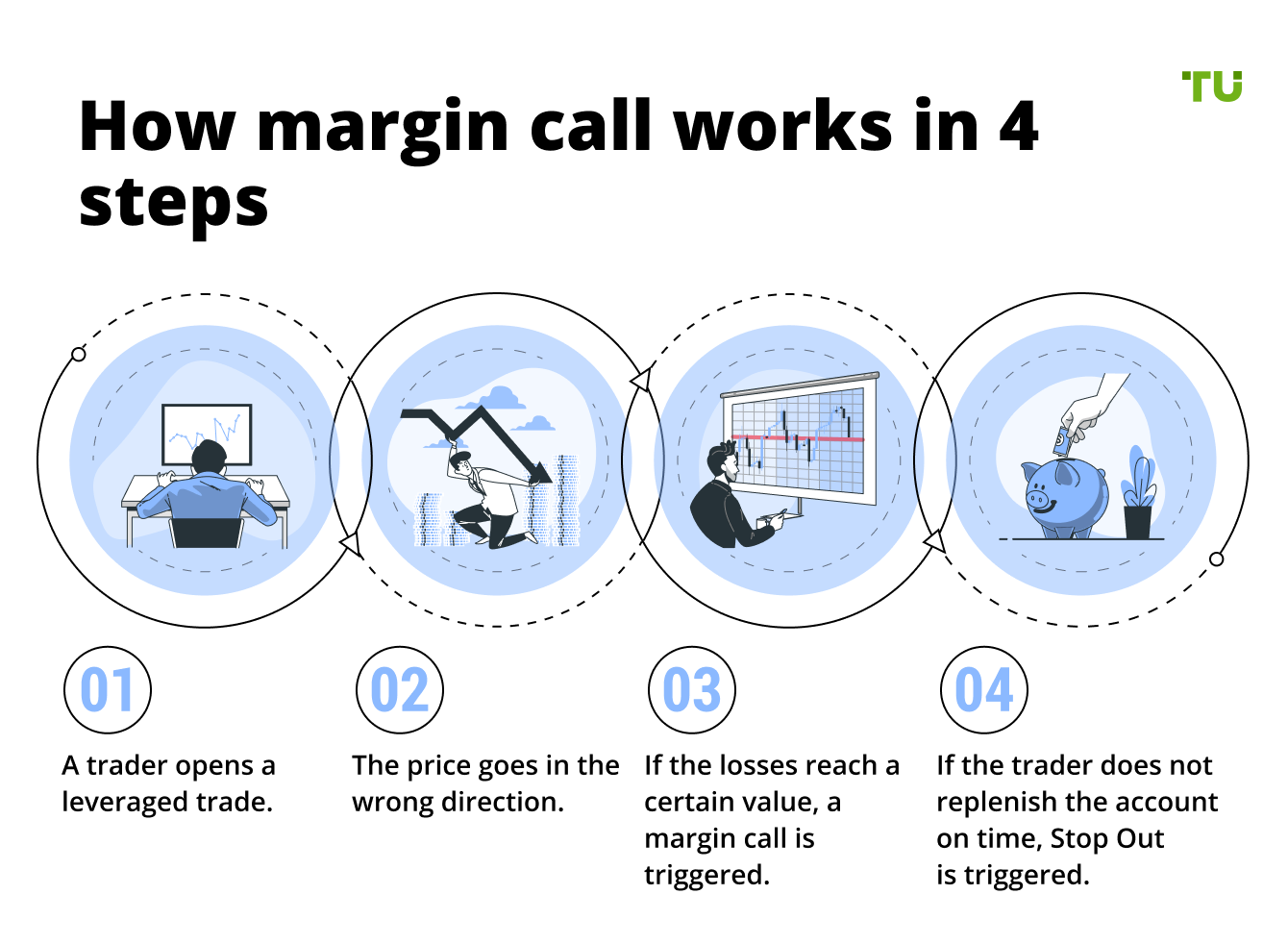
Margin creates way more risk.
If you own a high-quality dividend payer outright and its share price drops 50%, you can just collect your dividends while you wait it out.
But if you bought it on margin, a margin call could force you to sell at the worst possible time.
Buffett hasn’t lost significant amounts using leverage, but he does have a favorite example.
Long-Term Capital Management (LTCM) was a hedge fund run by Nobel laureates and Wall Street geniuses.
They did very well for a while, but in 1998, LTCM collapsed, forcing the Federal Reserve to bail it out with $3.6 billion.
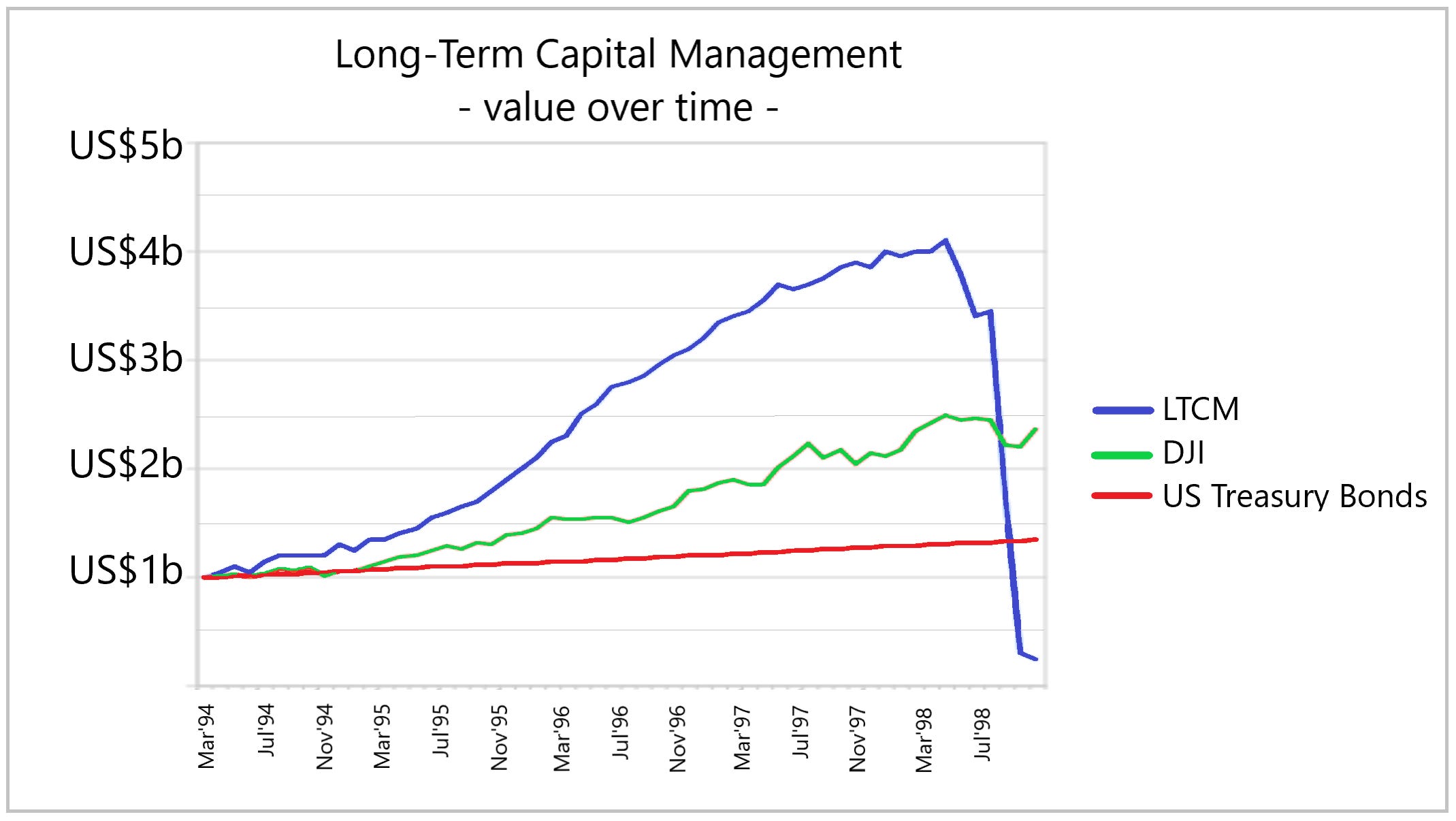
What happened?
They leveraged their bets 25-to-1.
“I’ve seen more people fail because of liquor and leverage - leverage being borrowed money. You really don’t need leverage in this world much.” — Warren Buffett
7. Doing Too Much
People might picture great investors sitting behind six monitors, trading all day long.
But Buffett built the greatest track record in history by doing almost nothing.
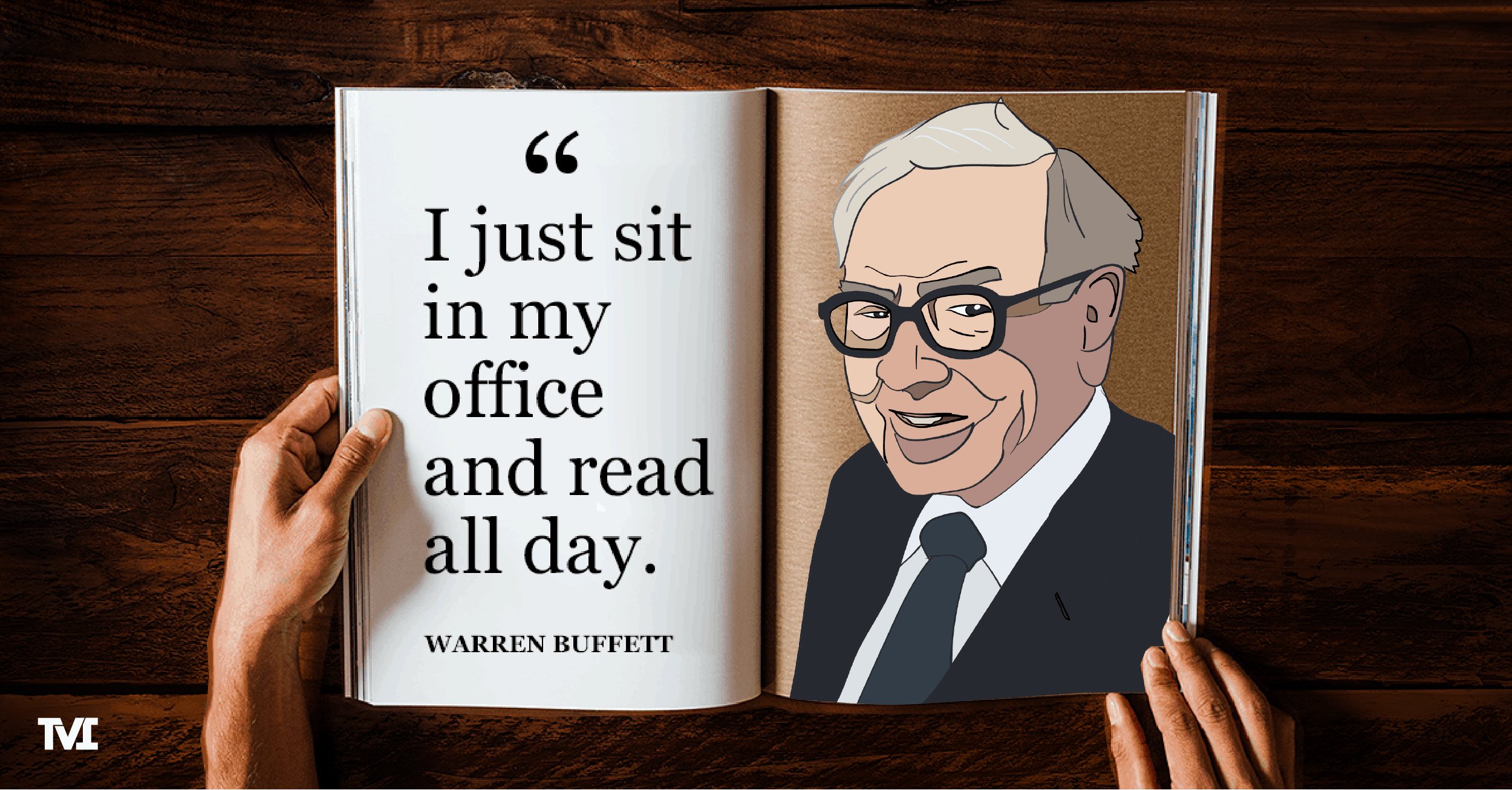
He knows that the real money is made by buying wonderful, cash-flowing businesses when they’re on sale, and then letting them compound for decades.
Buffett bought American Express way back in the 1960’s during the ‘Salad Oil Scandal’.
But in 1991 he expanded his position to $300 million.
Berkshire’s American Express position is now worth over $45 billion.
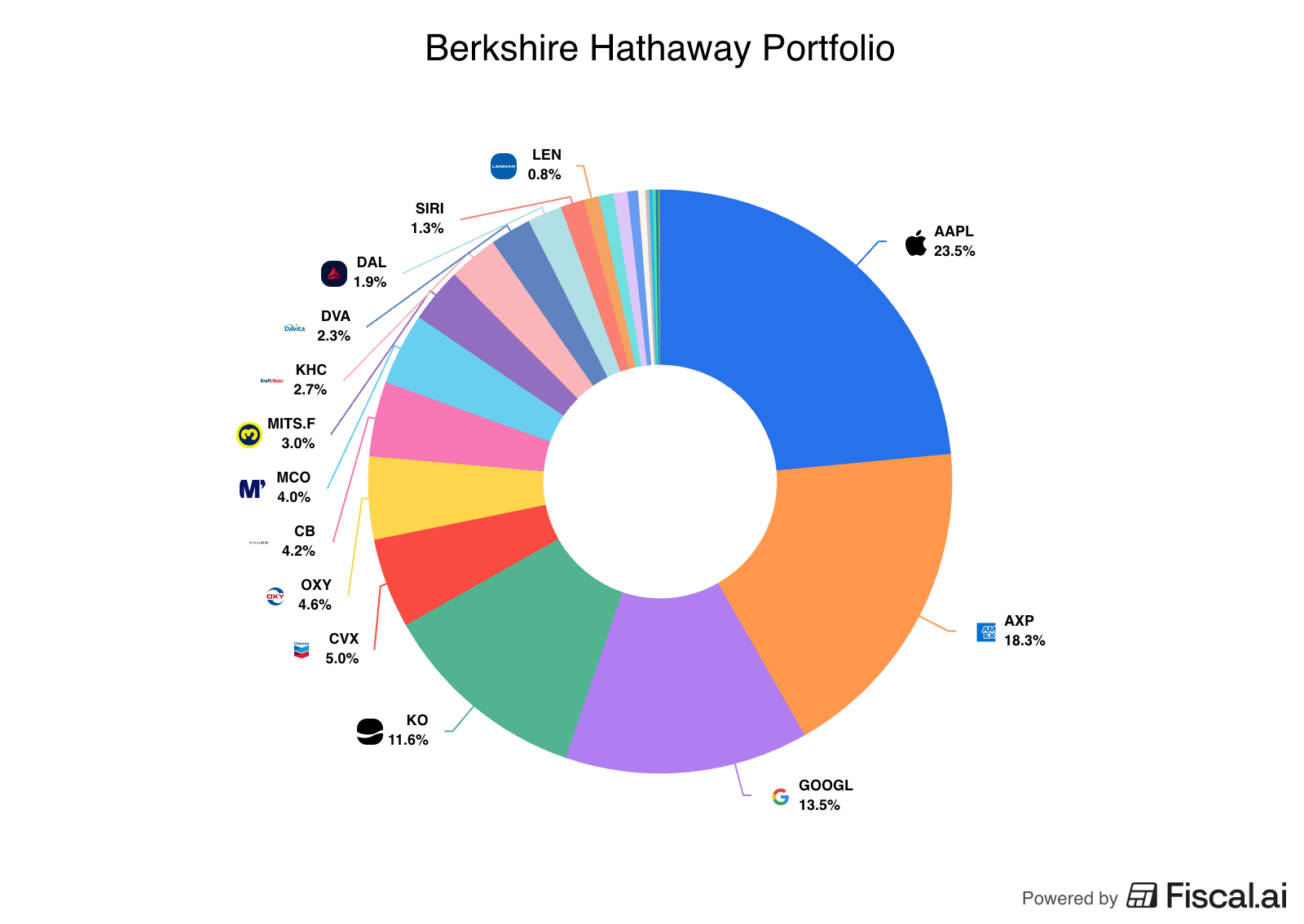
And that doesn’t include the dividends Berkshire has received along the way.
“Lethargy bordering on sloth remains the cornerstone of our investment style.” — Warren Buffett
Conclusion
That’s it for today!
Here are the 7 investing sins we learned about today and how to avoid them:
1. Treating the market like a casino: Buy real businesses, not ticker symbols.
2. Sucking your thumb: When the price is right, pull the trigger.
3. Ignoring your circle of competence: Only invest in what you understand.
4. Overpaying: Always demand a margin of safety, even for great companies.
5. Letting emotions drive: Be greedy when others are fearful, and fearful when others are greedy.
6. Using leverage: Never invest with borrowed money.
7. Doing too much: Buy wonderful businesses and let them compound.
One Dividend At A Time,
-TJ
Used sources
Interactive Brokers: Portfolio data and executing all transactions
Fiscal.ai: Financial data
Disclaimer
As a reader of Compounding Dividends, you agree with our disclaimer. You can read the full disclaimer here.