

BDCs make money by lending to small and mid-sized private businesses at high interest rates.
They have to pay out most of their income to shareholders, which is why they often offer some of the highest yields around.
Today we'll compare the important metrics of the five BDCs I highlighted on Wednesday to find the best opportunities today.

As a reminder, the 5 BDCs highlighted were:
Blue Owl Capital Corp (OBDC)
Sixth Street Specialty Lending (TSLX)
Hercules Capital (HTGC)
Ares Capital (ARCC)
Main Street Capital (MAIN)
We’ll rank these five based on:
Portfolio Construction
Financial Growth
Balance Sheets
Valuation
We’ll assign points based on objective benchmarks.
The best-scoring stock is our top opportunity today.
Let’s dive in!
Loan Portfolios
Since BDCs are lenders, the first thing to look at is what kind of loans they hold.
There are three main types:
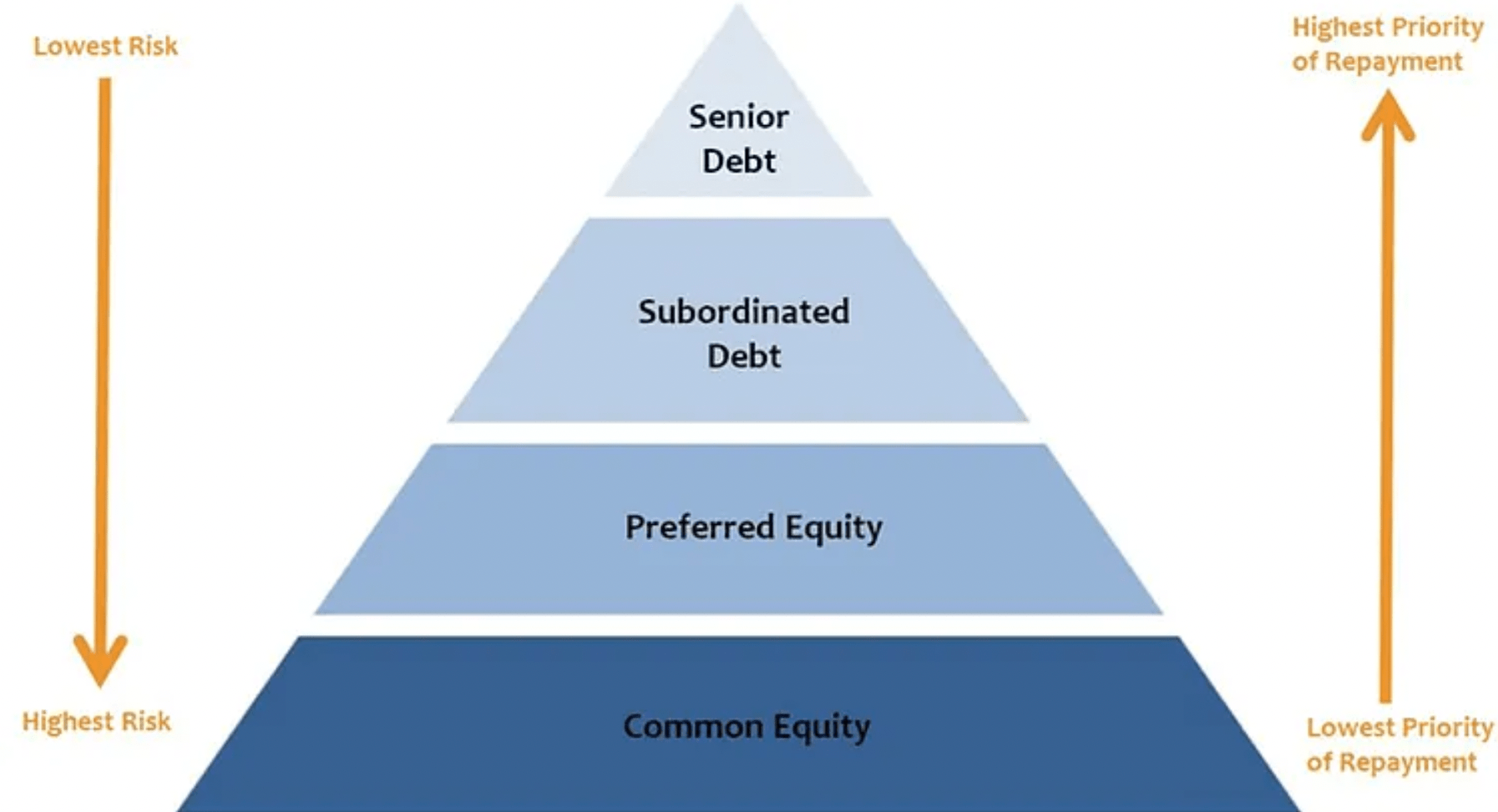
First lien loans – backed by assets, first to be repaid if a borrower fails. Lowest risk, but also the lowest interest rate.
Second lien/mezzanine loans – repaid after first lien loans. Higher risk, but these come with higher rates.
Unitranche loans – a mix of both in one package.
The lower you sit in the repayment order, the more risk you take on, but you can also earn more interest.
We also want to see a diverse portfolio.
A BDC lending to many different types of businesses across different industries is safer than one that's heavily concentrated in just one area.
Let’s look at the loan portfolios of our 5 BDCs.
Blue Owl Capital Corp
Blue Owl’s portfolio includes:
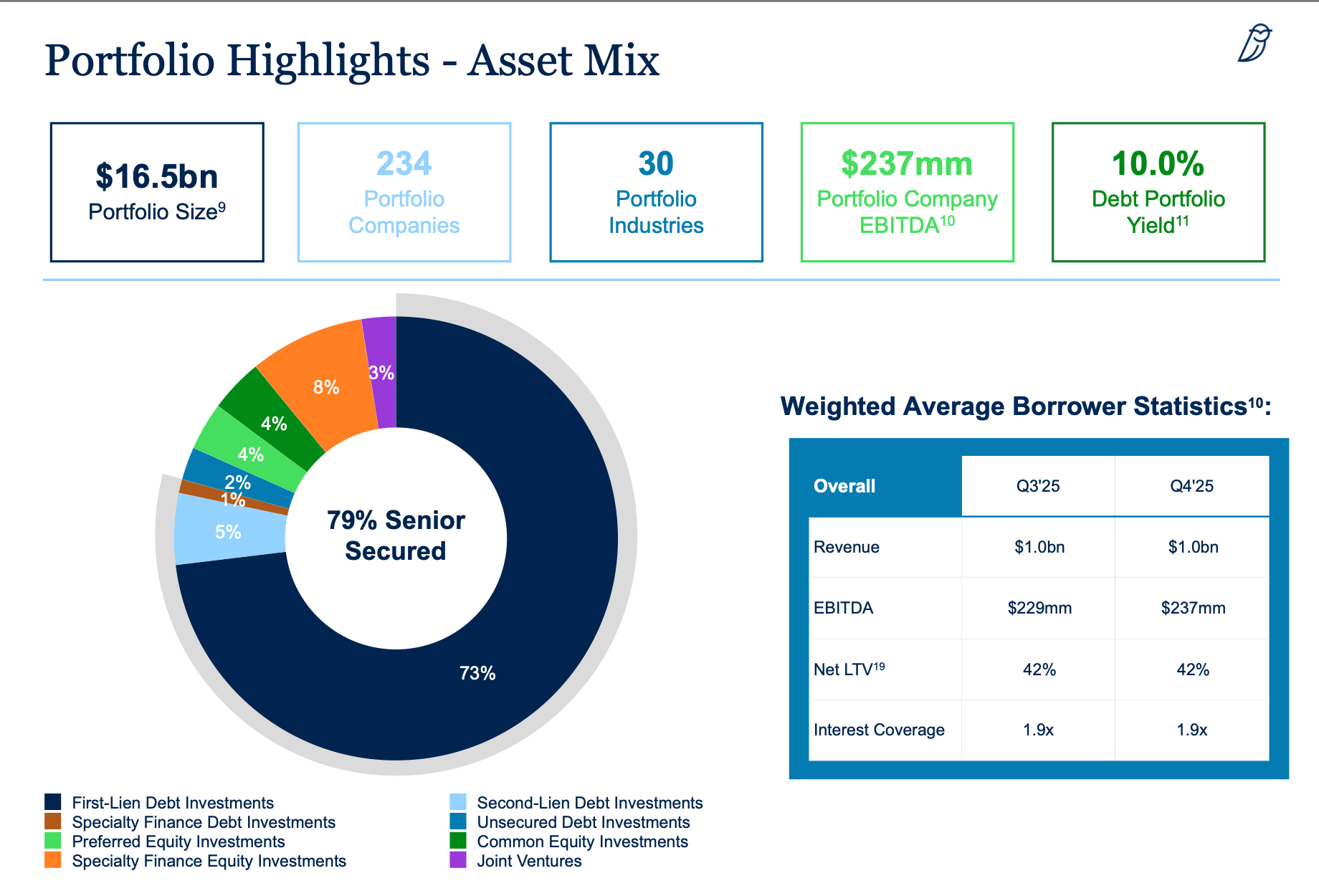
234 Companies
30 Industries
73% First lien loans
5% Second lien loans
2% Unsecured debt
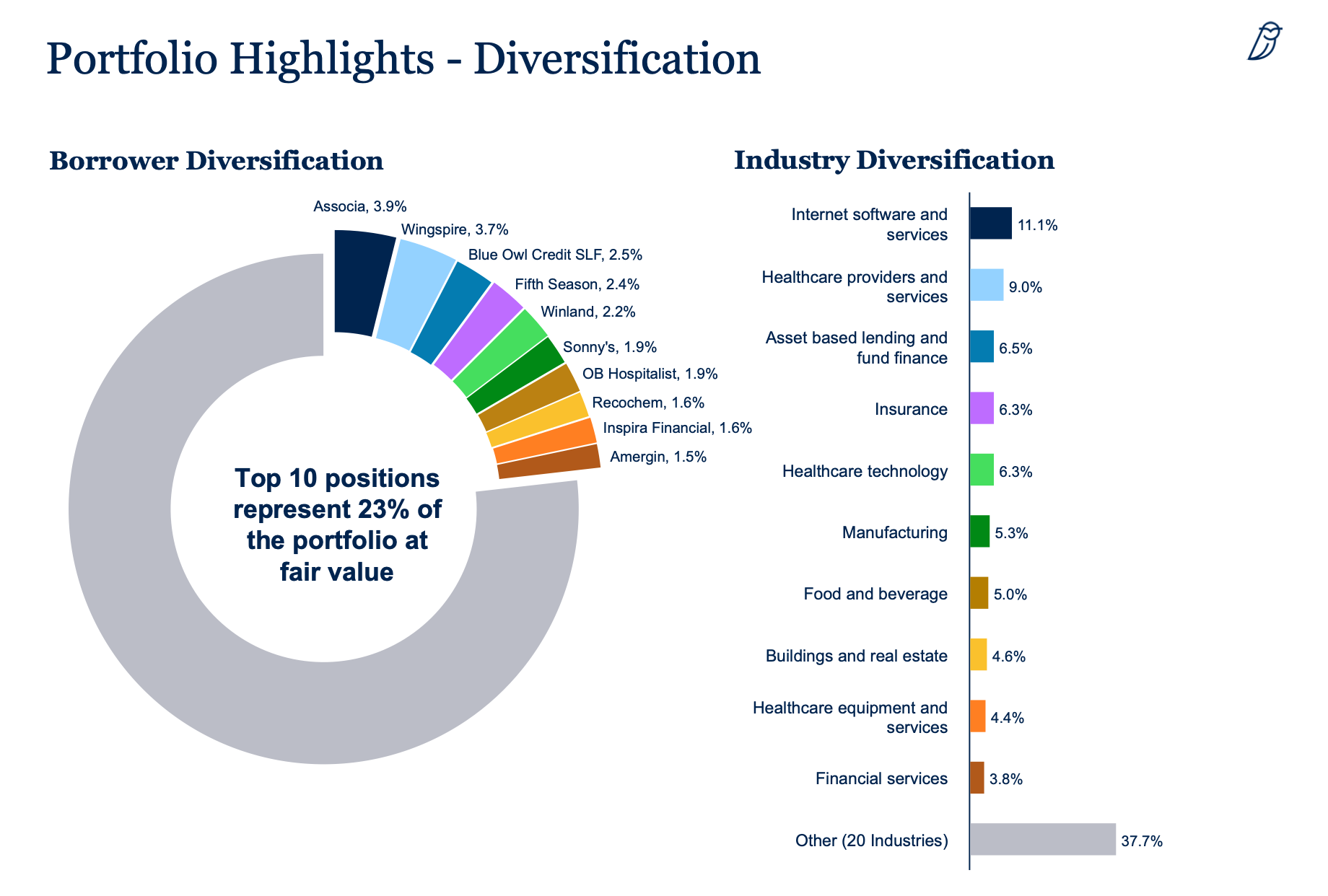
They also give us a picture of their diversification.
Internet software and services is the largest industry at 11.1%
Healthcare is next at 9%
Associa is the largest borrower at 3.9%
The top 10 positions are 23% of the portfolio
Blue Owl has a lot of secured loans spread over 234 companies in 30 industries.
This is a conservative and diversified portfolio.
Sixth Street Speciality Lending
Sixth Street is a bit different than other BDCs.
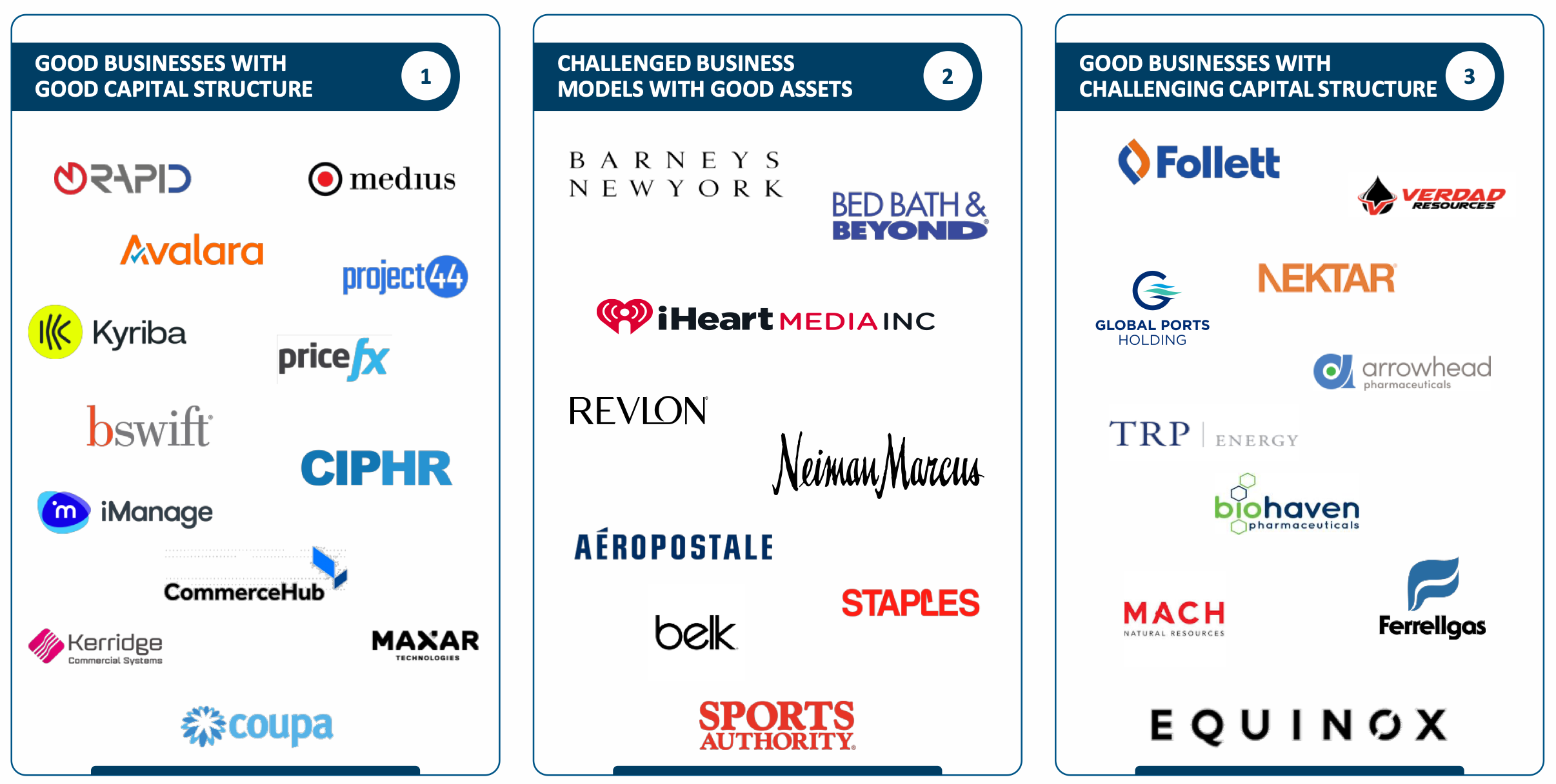
They often invest in special situations like challenged businesses with good assets or good businesses with challenging capital structure that other lenders often avoid.
That leads them to very disciplined in their underwriting.
They tend to have first lien positions, and voting control, which means if a borrower needs to change its loan terms or restructure, TSLX's vote is often required, giving them massive leverage.

Sixth Street’s portfolio includes:
143 companies
89% first lien loans
<1% second lien loans
They are more concentrated in certain industries.
18.3% of their portfolio is in internet services
13.4% is in business services
But each company is a smaller position than in Blue Owl’s portfolio.
Beto Ace Purchaser is 2.4% of the portfolio
ExtraHop Networks is 2.3%
The top 10 positions are 21% of the portfolio
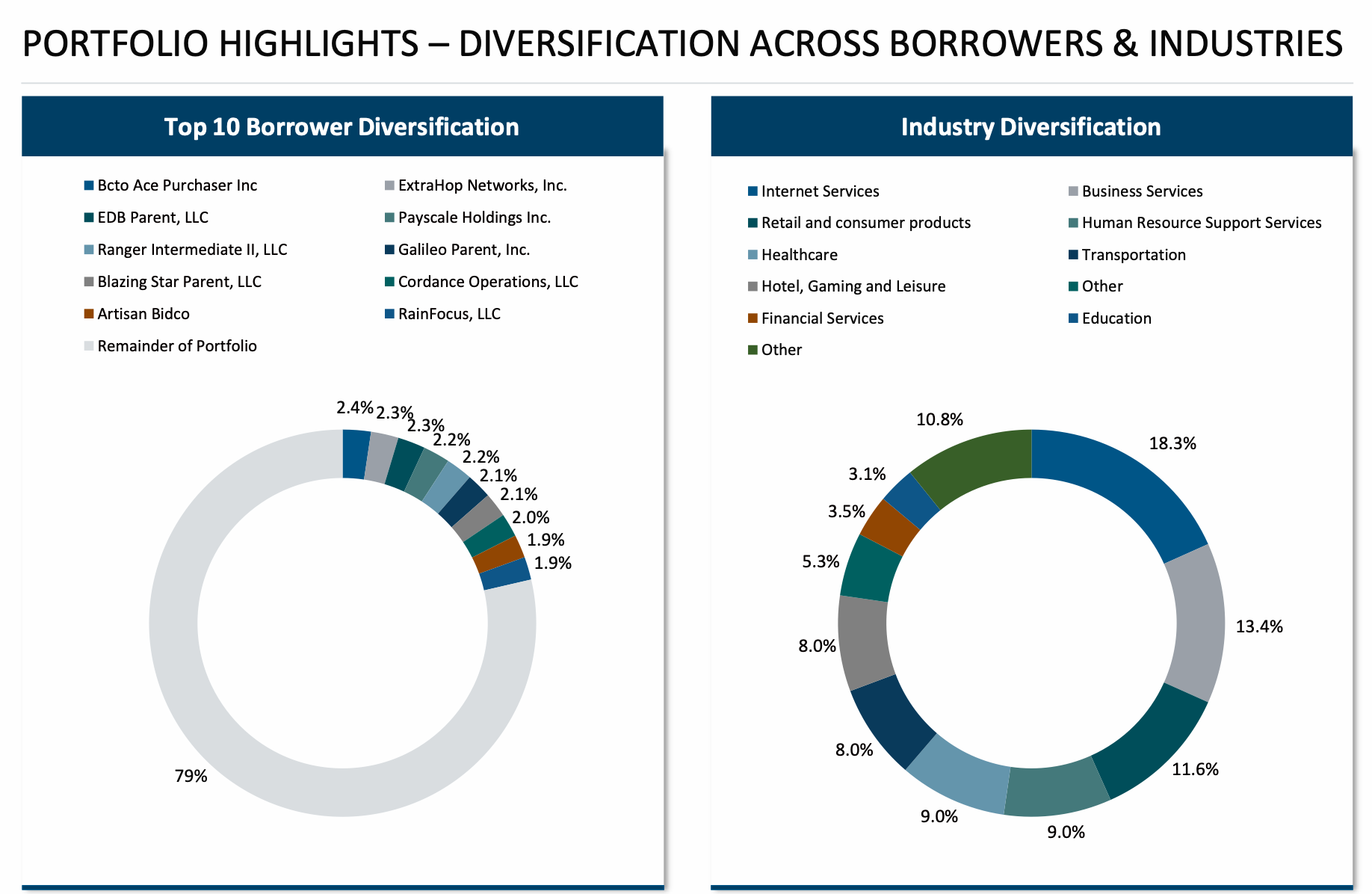
So Sixth Street has a little less diversification in their portfolio, but they have a very high number of first lien loans, and voting control to protect themselves.
Hercules Capital
Hercules is another unique BCD.
They invest in fast growing, venture-backed technology and life science companies
Their investments often include warrants (giving them the right to buy stock) or equity instead of only debt
Their debt investments tend to be short term (36-48 months)
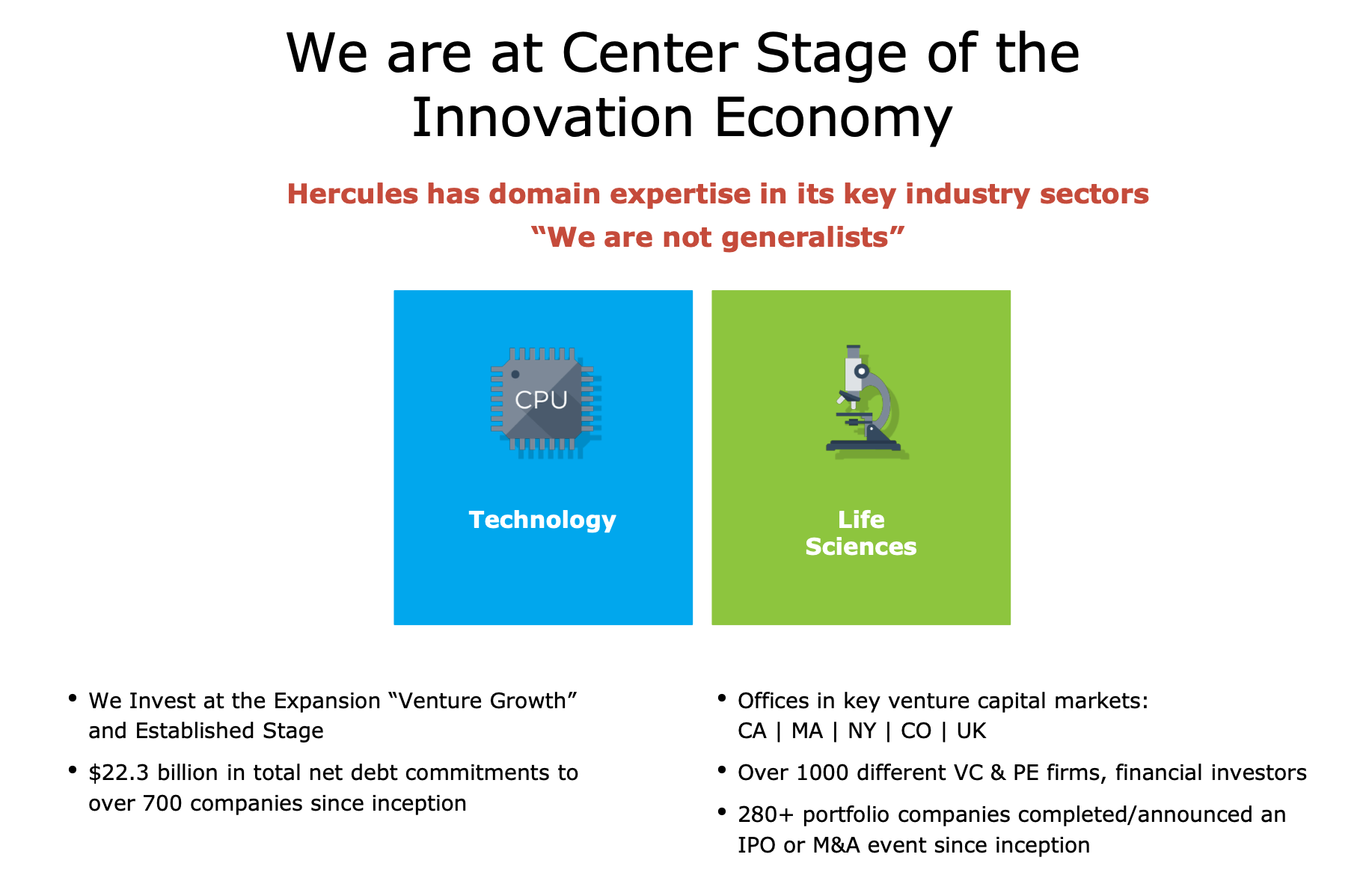
Their portfolio includes:
Debt investments in 127 companies
85.5% is first lien debt
Warrant holdings in 108 companies
Equity holdings in 74 companies
We know they’re concentrated in technology and life science companies.
24.3% of the portfolio is in application software
23.3% is in drug discovery and development
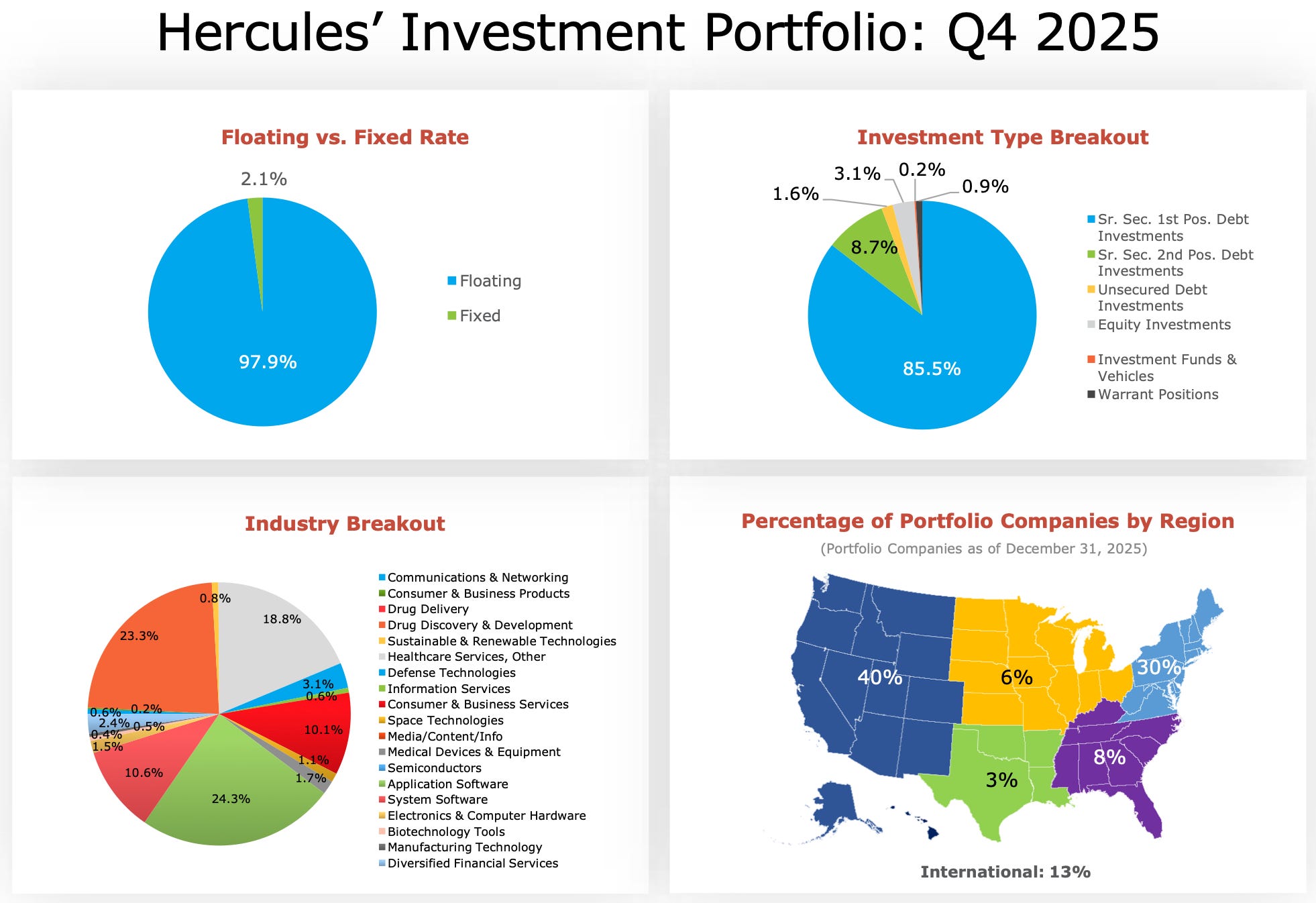
Hercules is even more concentrated than Sixth Street, but they protect themselves with a lot of short term first lien loans, and the potential upside that comes with warrants and equity.
Ares Capital Corporation
Ares is a more traditional BDC than Sixth Street or Hercules.
They’re also the largest BDC.
Their portfolio consists of:
603 companies
In 35 different industries
61% first lien secured loans
5% second lean secured loans
9% preferred equity
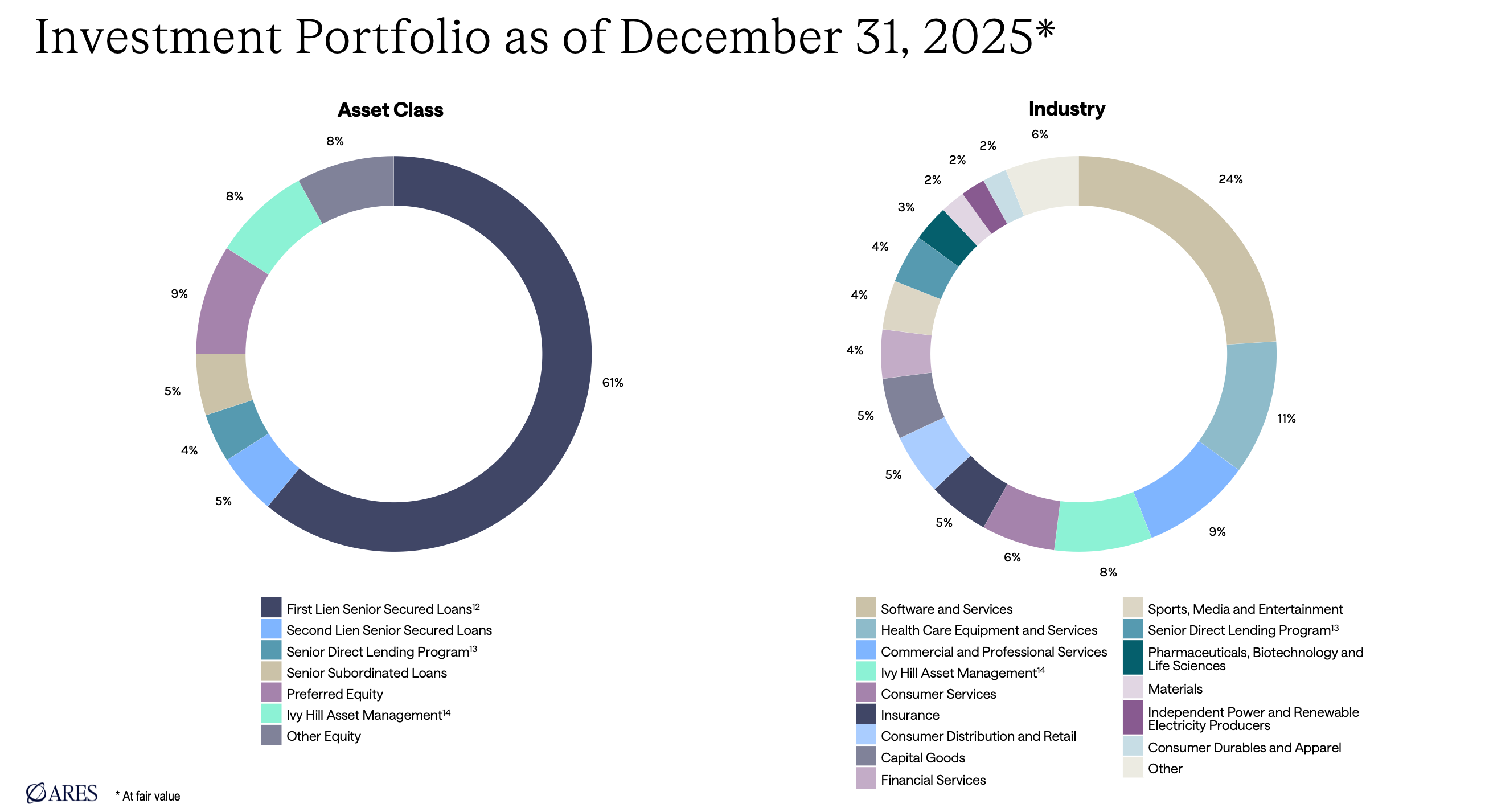
Ares does have some industry concentration.
24% of the portfolio is in software and services
11% is in healthcare equipment and services
9% is in commercial and professional services
But the average position size of a portfolio company is only 0.2%.
8% of the portfolio is Ivy Hill Asset Management
This is an asset manager that Ares Capital owns 100% of
3.8% is in Ares’ Senior Direct Lending Program
Position sizes quickly get smaller after that with the top 15 investments making up 25.4% of the portfolio
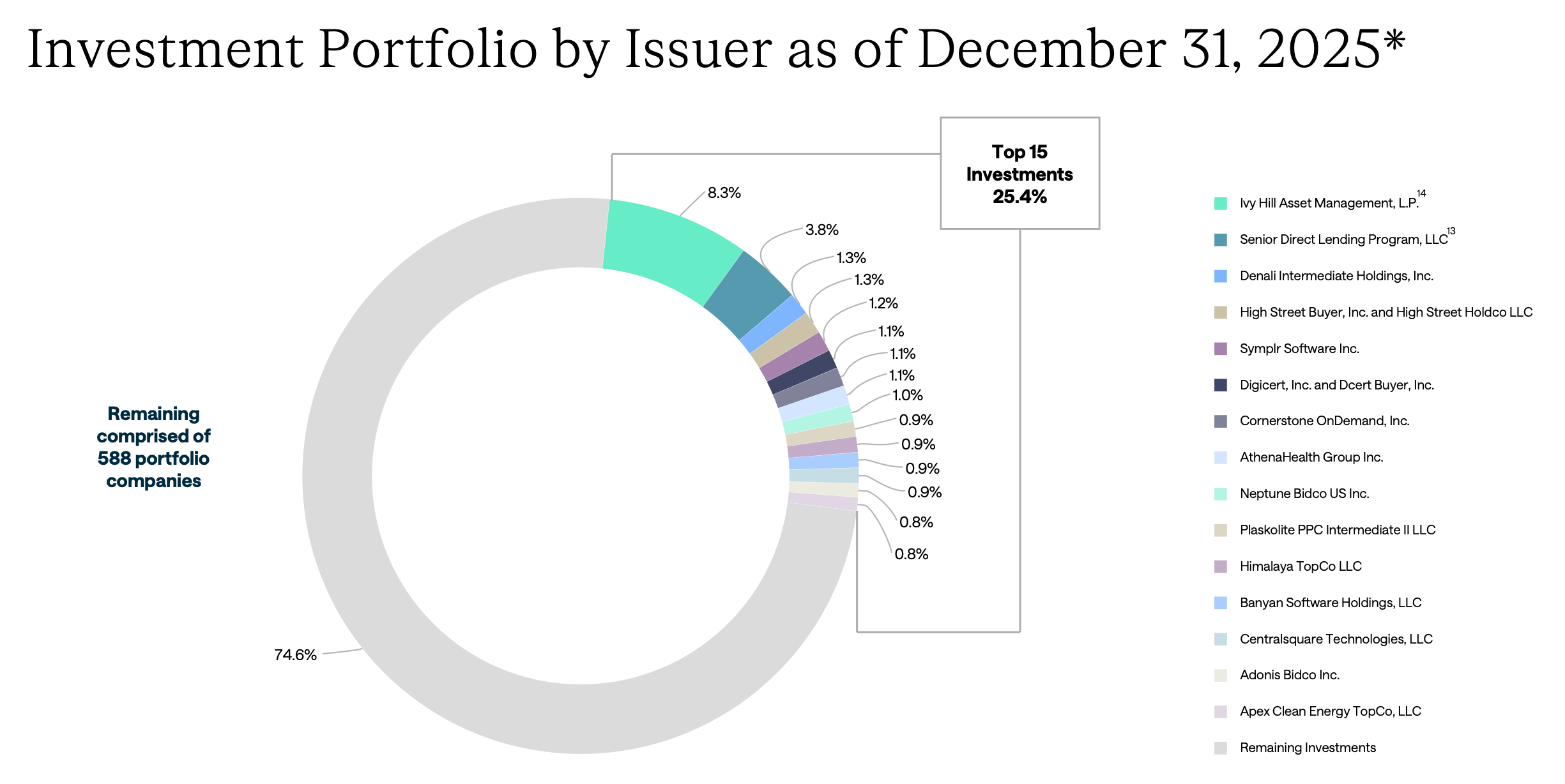
Ares Capital has its risk spread across more than 600 companies.
Even though there’s some industry concentration, the average loan-to-value is 44%.
When you combine this with the average position size of 0.2%, the Ares portfolio looks reasonably conservative and diversified.
Main Street Capital
Main Street Capital focus on very small companies where they can get higher interest rates and significant equity ownership.
Their portfolio includes:
189 companies
99% first lien debt
Across more than 30 industries
The largest individual position is 3% of the portfolio
The average company makes up less than 1% of the portfolio
Main Street Capital is well diversified across industries.
8% of the portfolio is in machinery
7% is in commercial services and supplies
6% is in construction and engineering
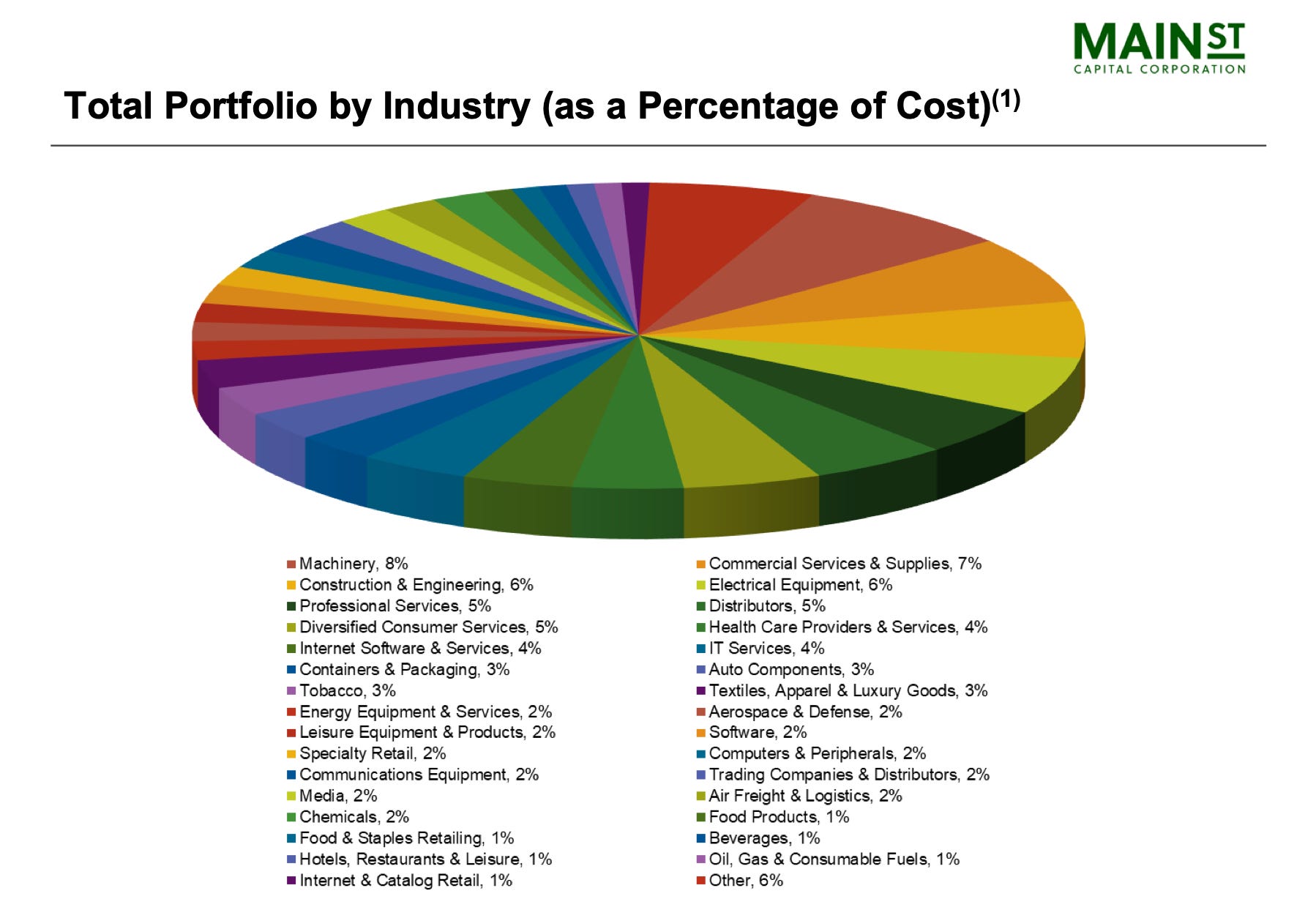
Main Street Capital has a very diversified portfolio across industries and companies.
99% of their loans are first lien, which significantly reduces risk.
Scoring the Portfolios
We want a portfolio that is safe (seniority), diverse, and has a competitive advantage.
We’ll award points for:
Seniority: One point if >80% of the portfolio is First Lien debt.
Reach: One point if the BDC lends to >150 companies.
Stability: One point if the largest industry concentration is <15%.
The Moat: One bonus point for a unique structural advantage (Voting control, warrants, or equity upside).
Main Street Capital is the only company to sweep this category.
Blue Owl earns points for its massive reach and industry stability, while TSLX, HTGC, and ARCC each earn points for their high seniority or unique advantages.
4 Points = Main Street Capital (+4)
2 Points = Blue Owl (+2), Sixth Street (+2), Hercules (+2), Ares Capital (+2)
Financial Growth
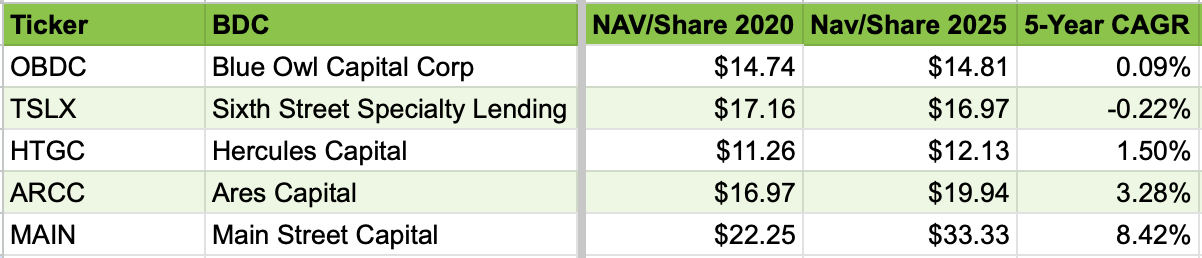
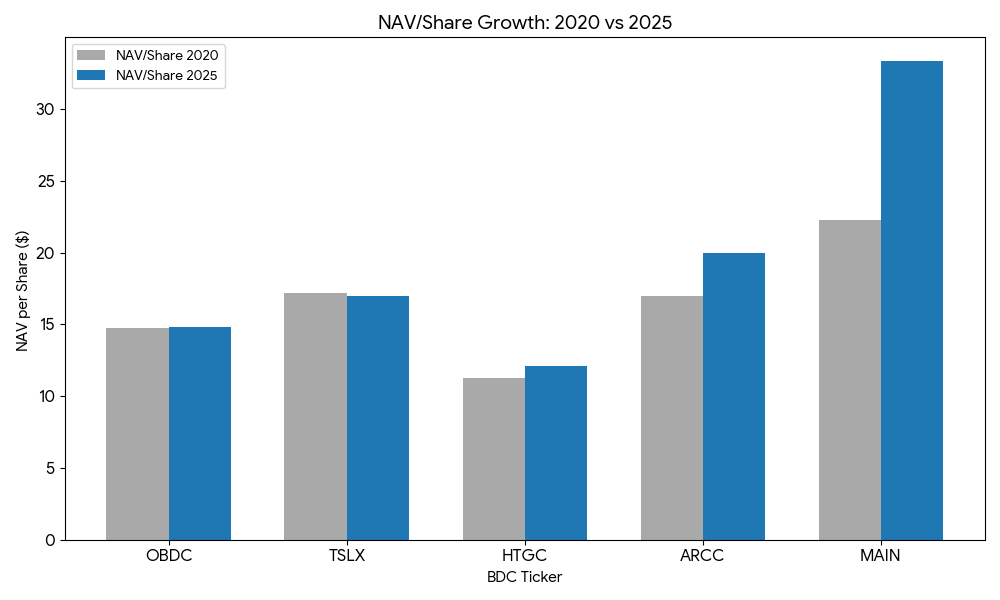
BDCs must grow to keep up with inflation. We’ll award one point for any growth in NAV/Share and NII/Share, and a bonus point if that growth is at least 3% (beating the inflation average).
NAV/Share
NII/share

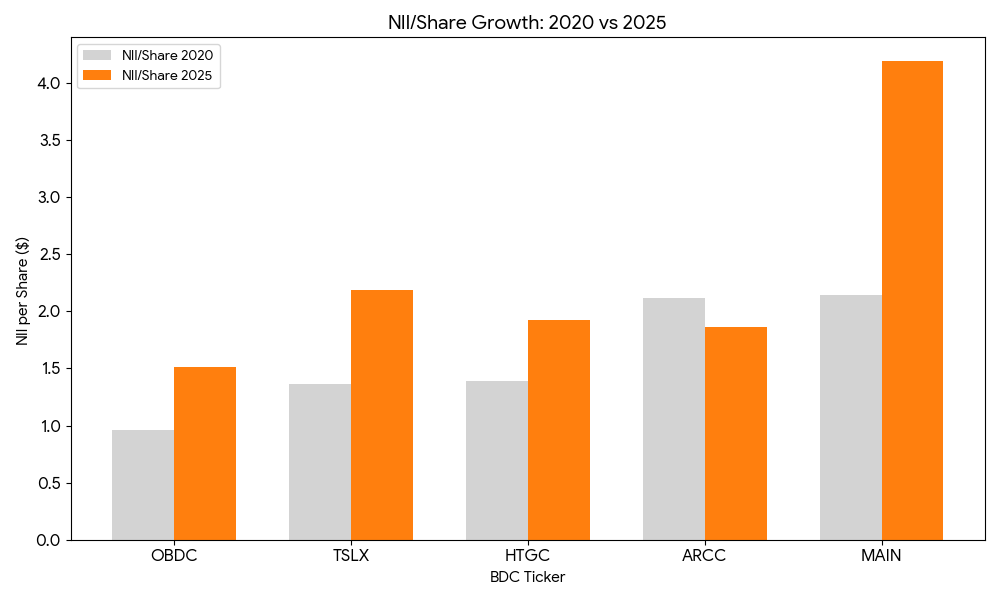
Main Street Capital earns the maximum 4 points here, showing strong growth in both asset value and earnings.
Blue Owl and Hercules both earn 3 points for strong earnings growth and positive (though lower) NAV growth.
Ares and Sixth Street each pick up 2 points.
8 Points = Main Street Capital (+4)
5 Points = Blue Owl (+3), Hercules (+3)
4 Points = Sixth Street (+2), Ares Capital (+2)
So which of these five BDCs is actually worth buying right now?
We still have three categories left…
dividend coverage
balance sheet strength
valuation
…and that’s where things get really interesting.
The leader board shifts, a surprise contender emerges, and one well-known name falls short on a metric that matters a lot for income investors.
Paid subscribers get the full scorecard, including our final rankings and the specific opportunities we’d consider today.
You can join Compounding Dividends here.
One Dividend At A Time
-TJ
Used sources
Interactive Brokers: Portfolio data and executing all transactions
Fiscal.ai: Financial data
Disclaimer
As a reader of Compounding Dividends, you agree with our disclaimer. You can read the full disclaimer here.
I would guess main stree5