

Last Tuesday, the United States held midterm elections that determined which political party would control Congress.
Huge amounts of voters turned out for the Democrats.
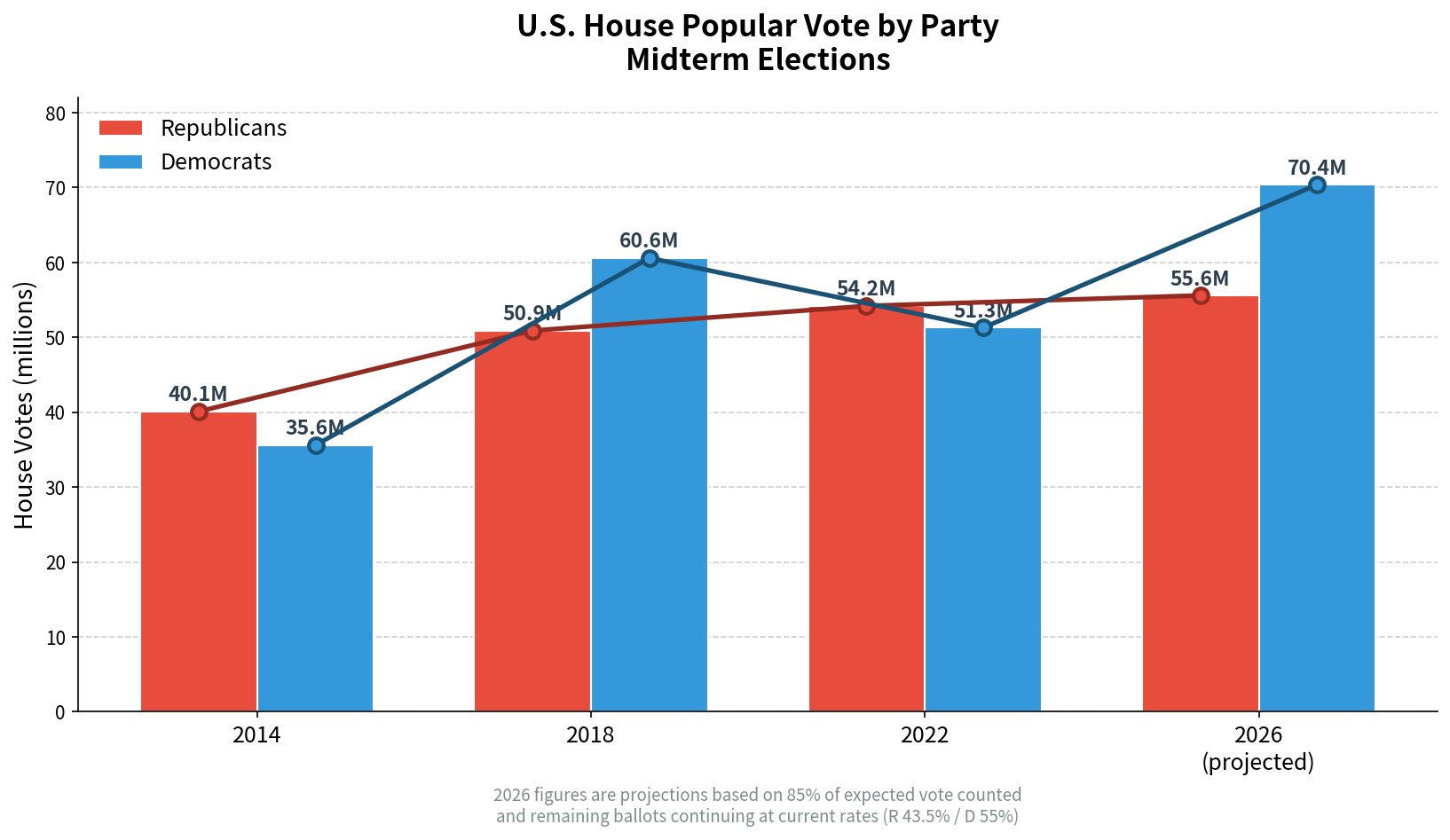
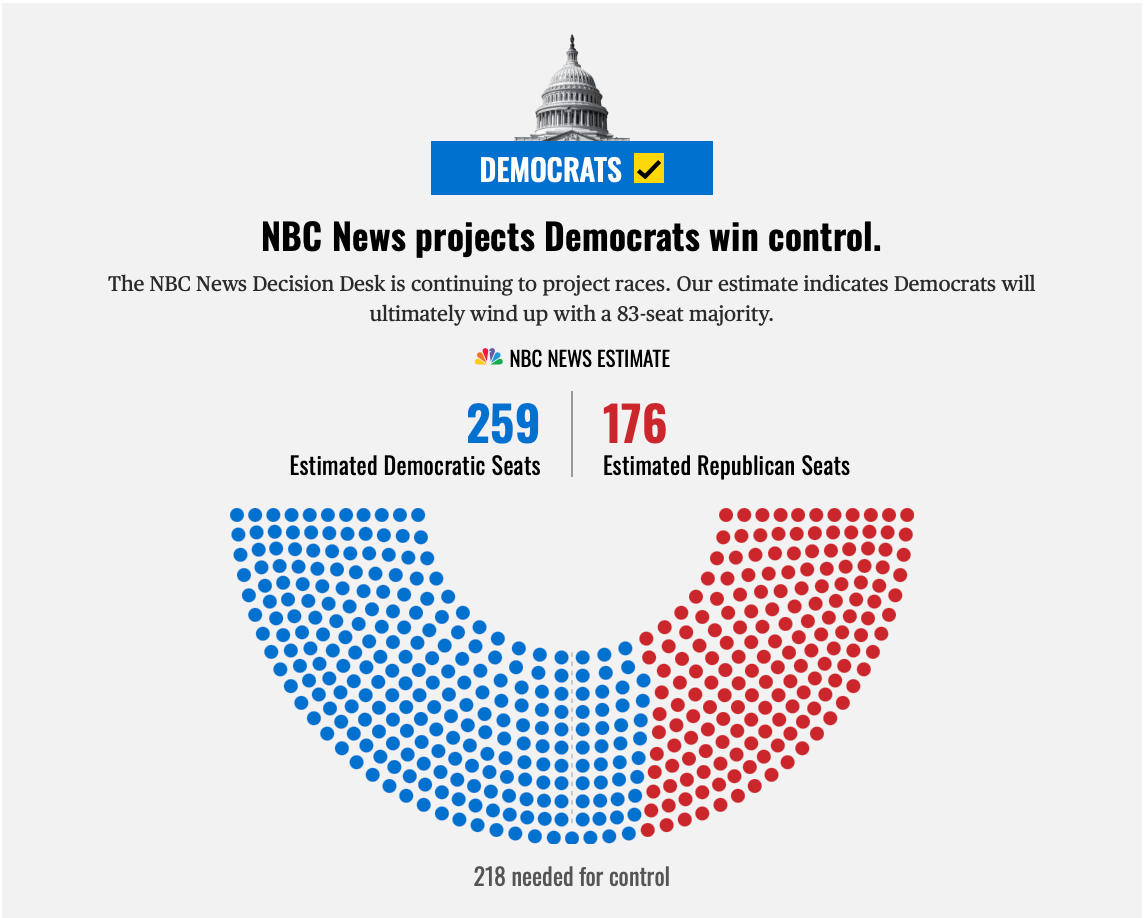
That gave them control of the House of Representatives:
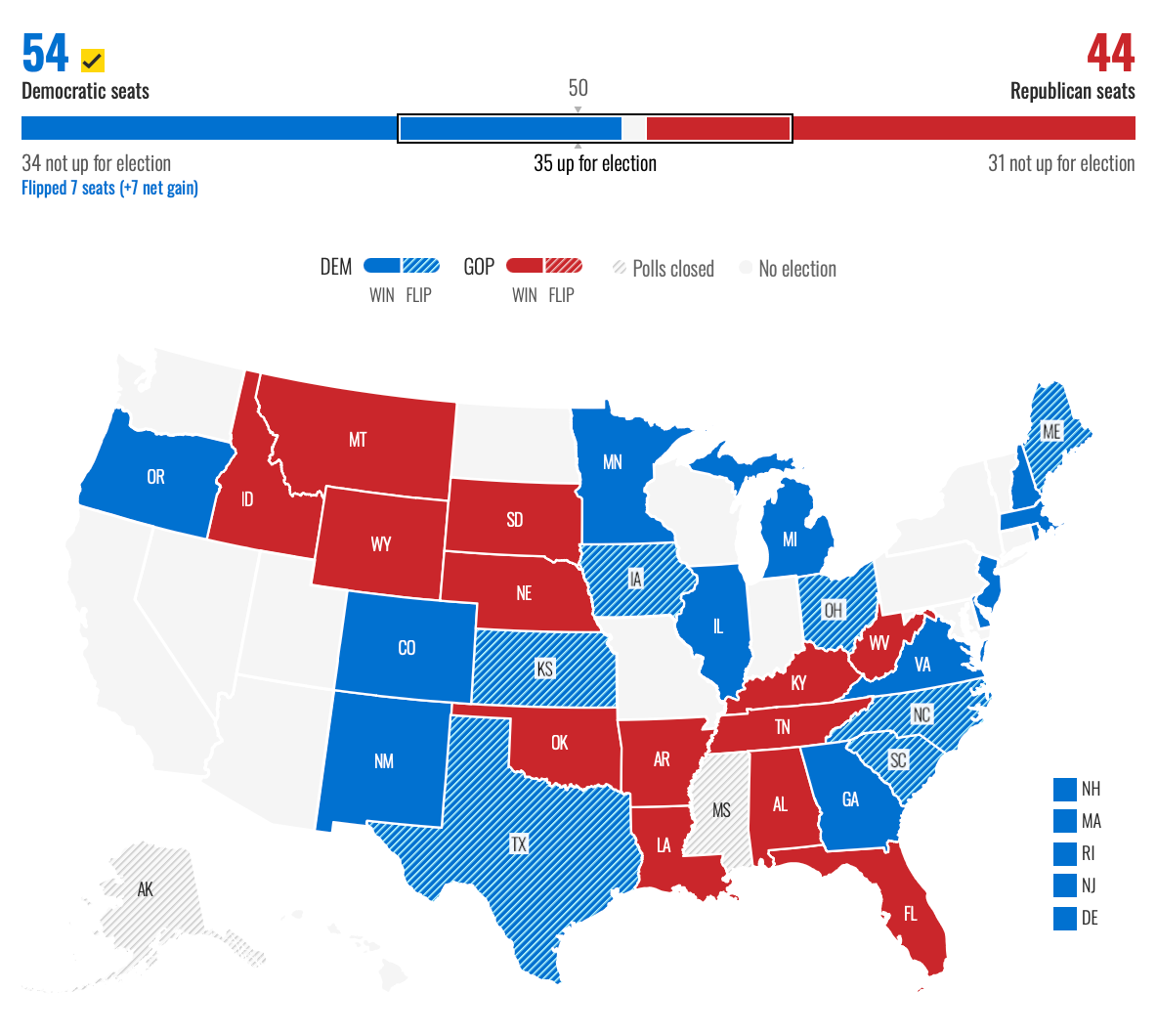
And the Senate:
They also won the races for Governor of some key states, like Ohio and Texas:
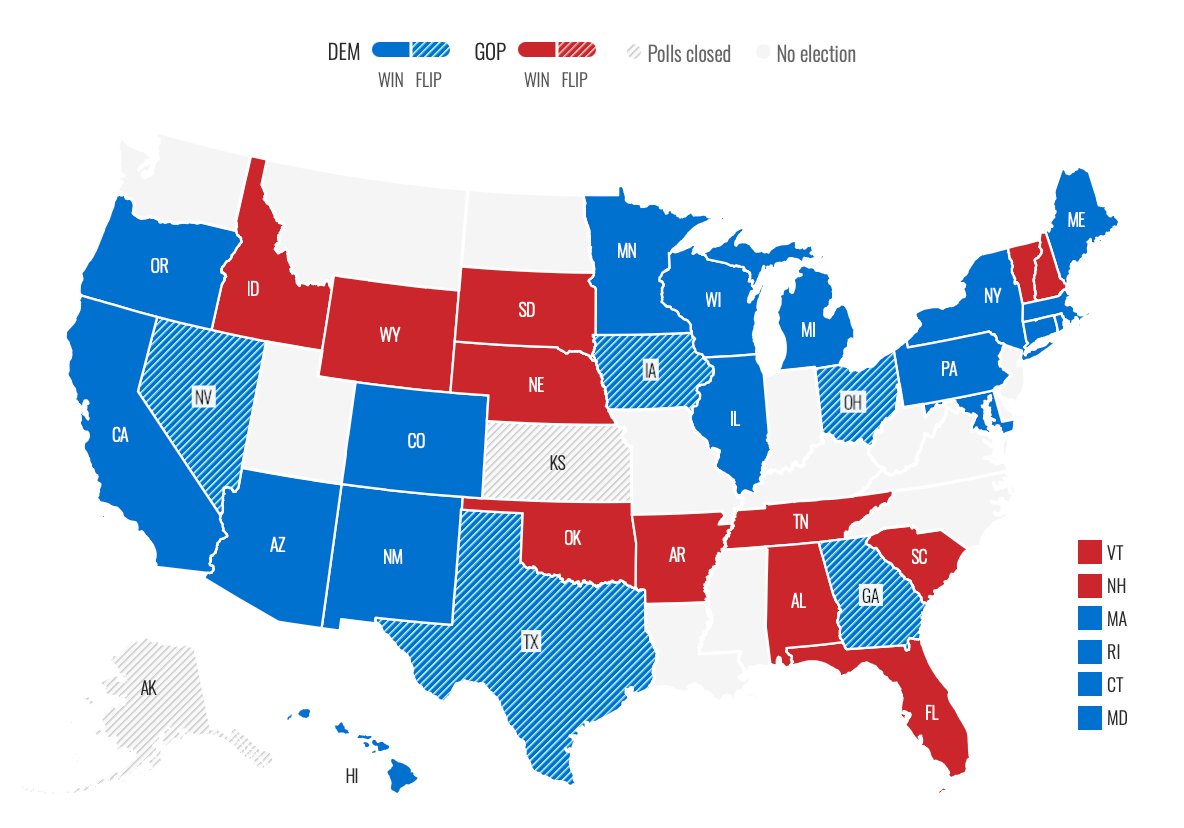
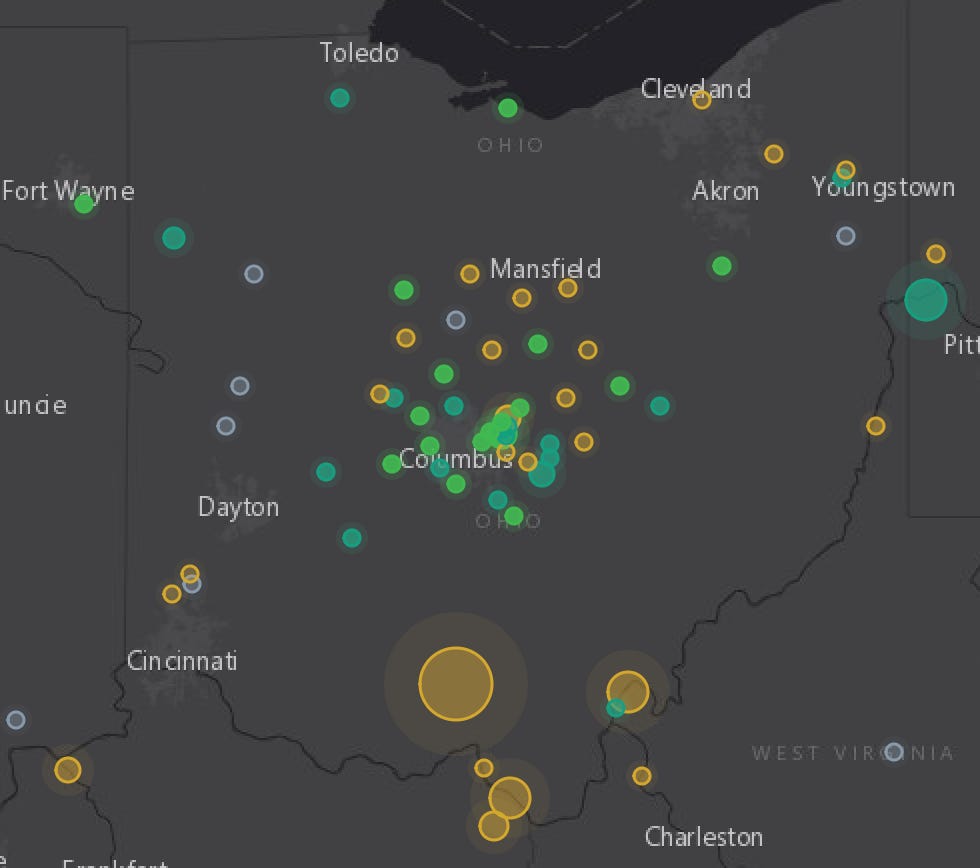
Those two states in particular previously had Republican governors who were very friendly to tech companies and data centers.
Here’s Ohio’s data center map:
And Texas’:
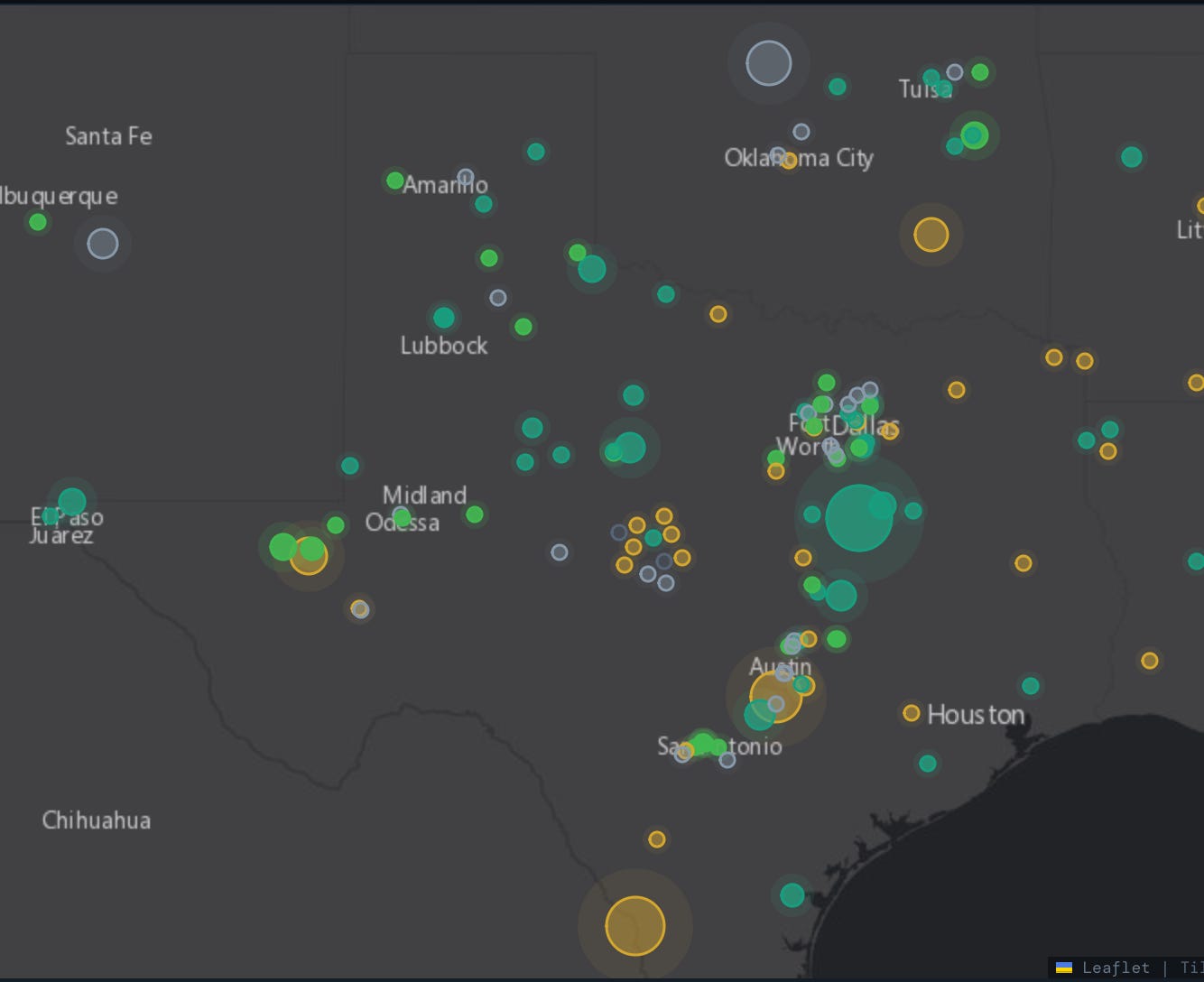
These states had offered tax incentives, had very light environmental and zoning regulations, and made it easier than most states for data centers to connect to the power grid.
But it turns out that data centers are very unpopular with U.S. voters.
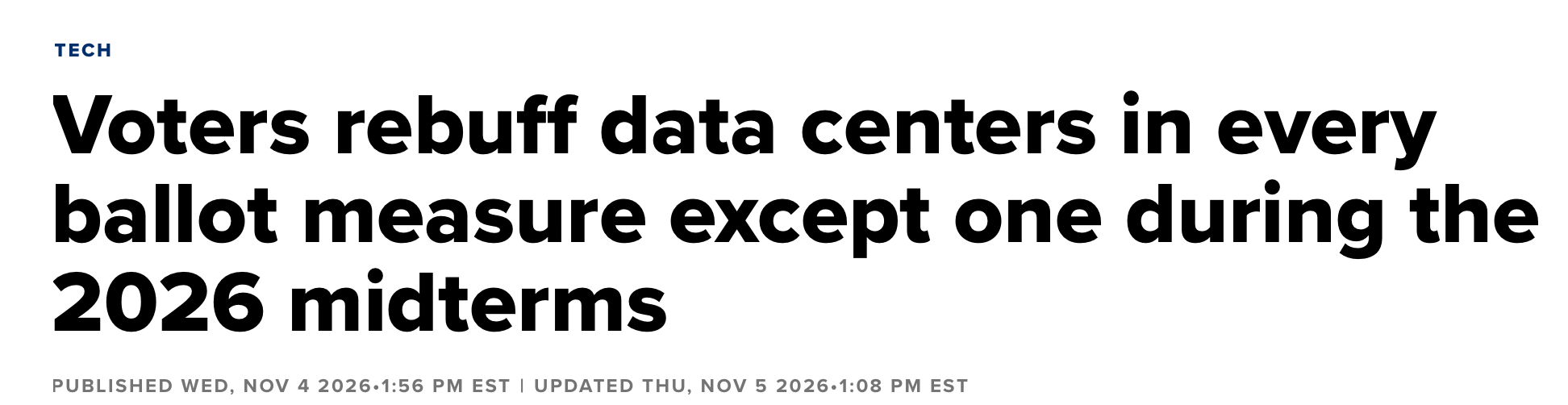
In the midterm elections, there were more than 40 ballot measures regarding data centers.
The people voted against Data Centers in all but one of them (that one was in a North Dakota in a town of less than 1,000 people if you’re curious).
These are potentially big political changes.
And they led to some pretty big changes in stocks as well.
The day after the elections, the S&P 500 added +$1.2 trillion to its market cap.
The day after that it erased -$3 trillion.
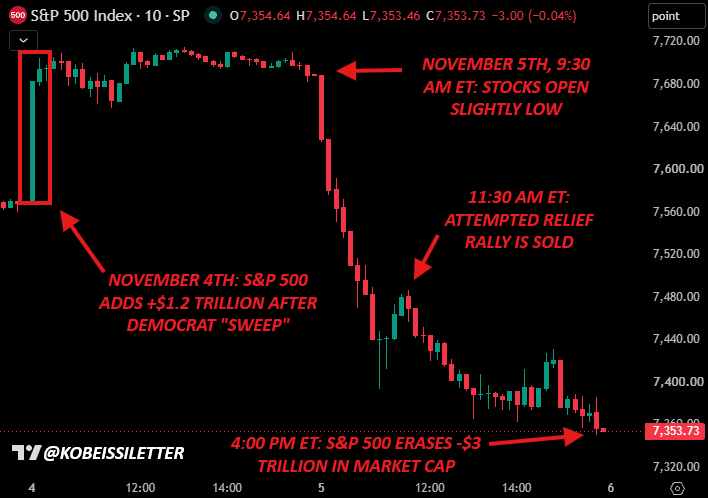
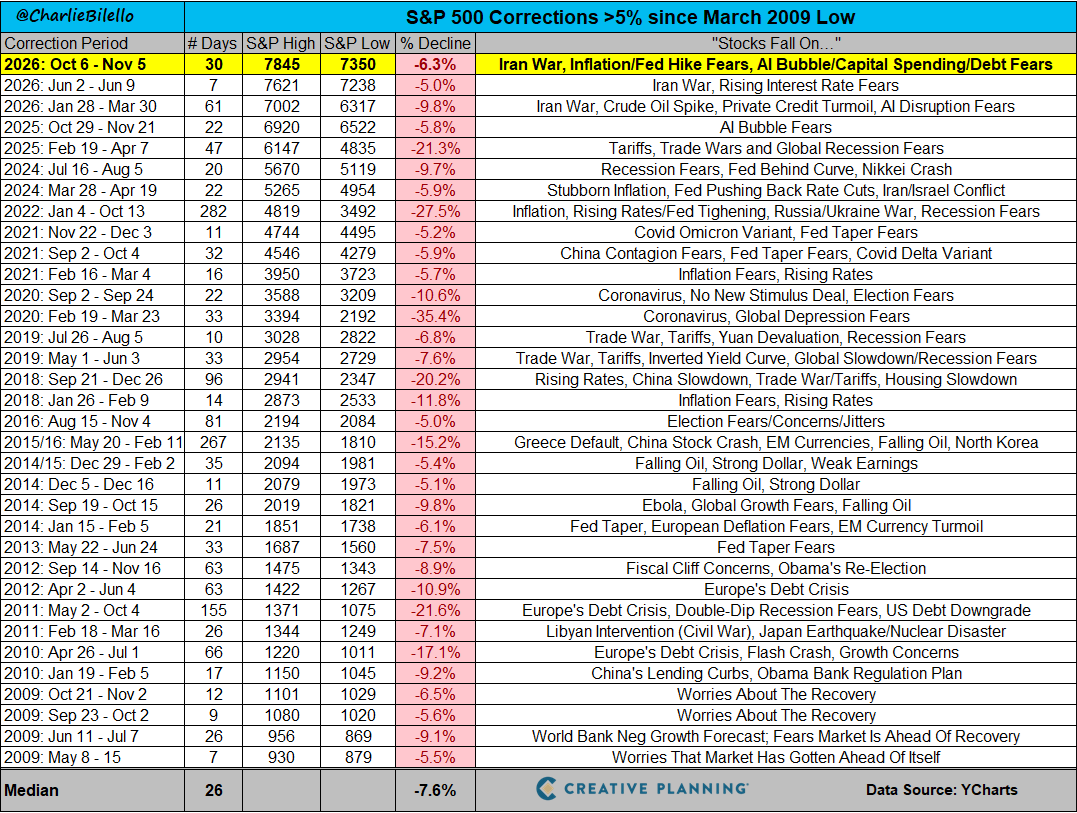
This wound up being a -6.3% decline in 30 days from the high on October 6.
Not the most fun thing in the world, but really not that bad when you look at some of the other similar time periods in the chart:
-9.7% in 20 days from July 16 to Aug 5 2024
-35.4% in 33 days in March of 2020 during COVID
-7.5% in 33 days May 22 to Jun 24, 2013
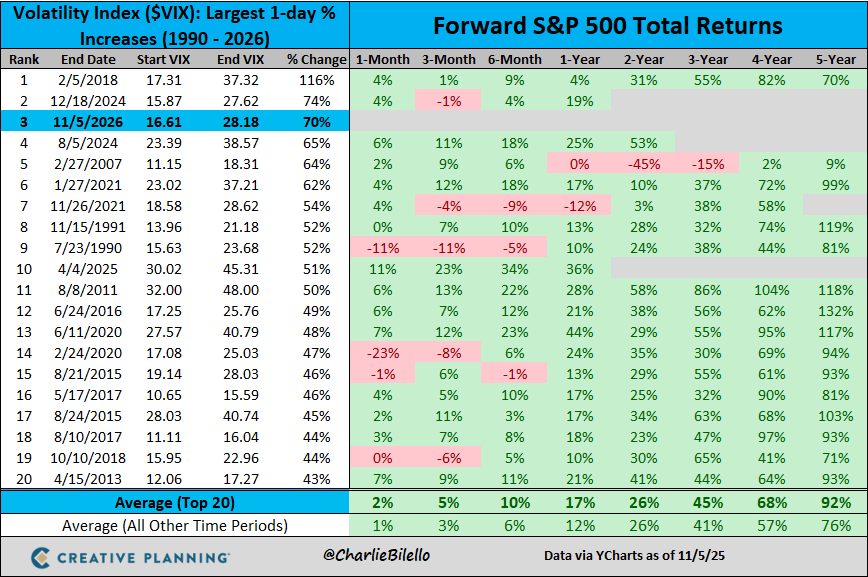
But it was the third highest change in the VIX since 1990, spiking the VIX by 70%.
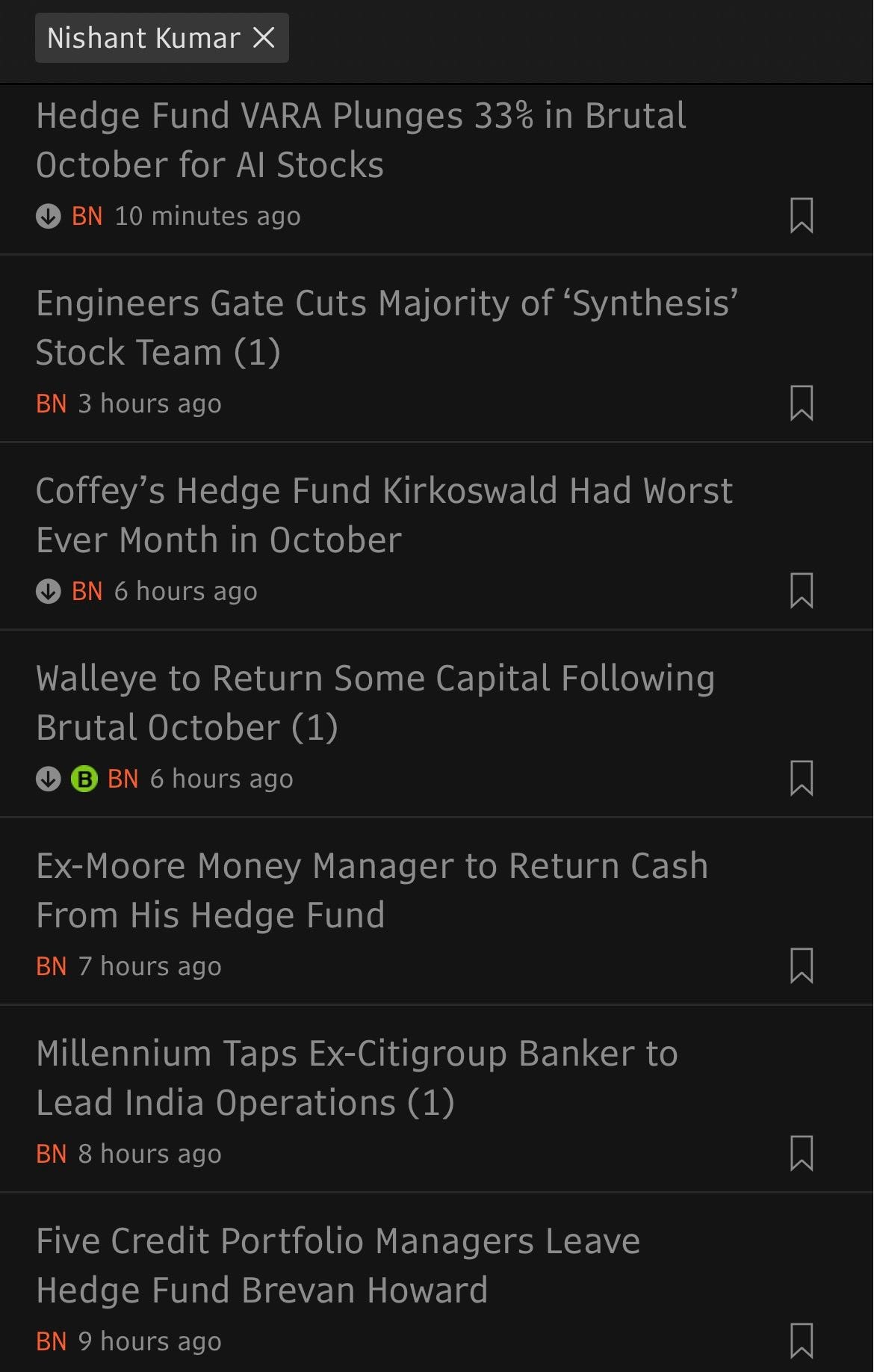
This relatively mild drop in the index resulted in massive losses for hedge funds, and layoffs.
The election was the catalyst for some of the market’s concerns.
But the more interesting part is how the market reacted.
A relatively small decline in the broader market was enough to create huge losses and layoffs for hedge funds.
That tells us something about today’s market.
As I've written about before (here, and here for example), the market structure has changed.
Passive investing in market cap weighted products (S&P 500, NASDAQ 100, etc.) has led to concentration in the biggest companies.
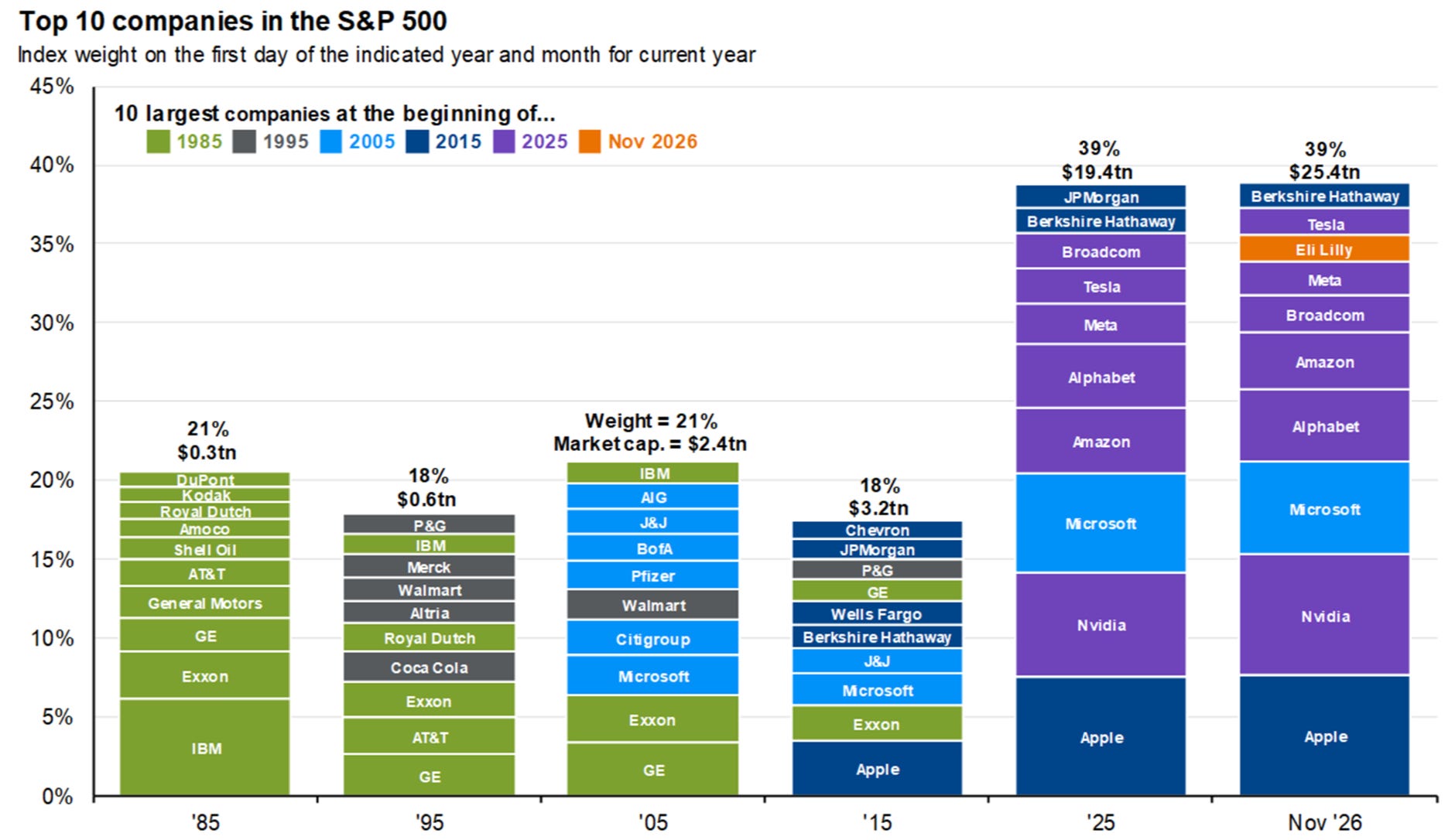
The top 10 companies are now nearly 40% of the S&P 500.
When there are worries about those companies, it leads to more volatility.
As more and more money is invested passively, or in other strategies with rules about equity exposure, factors, and so on, it has created inelastic demand in the markets.
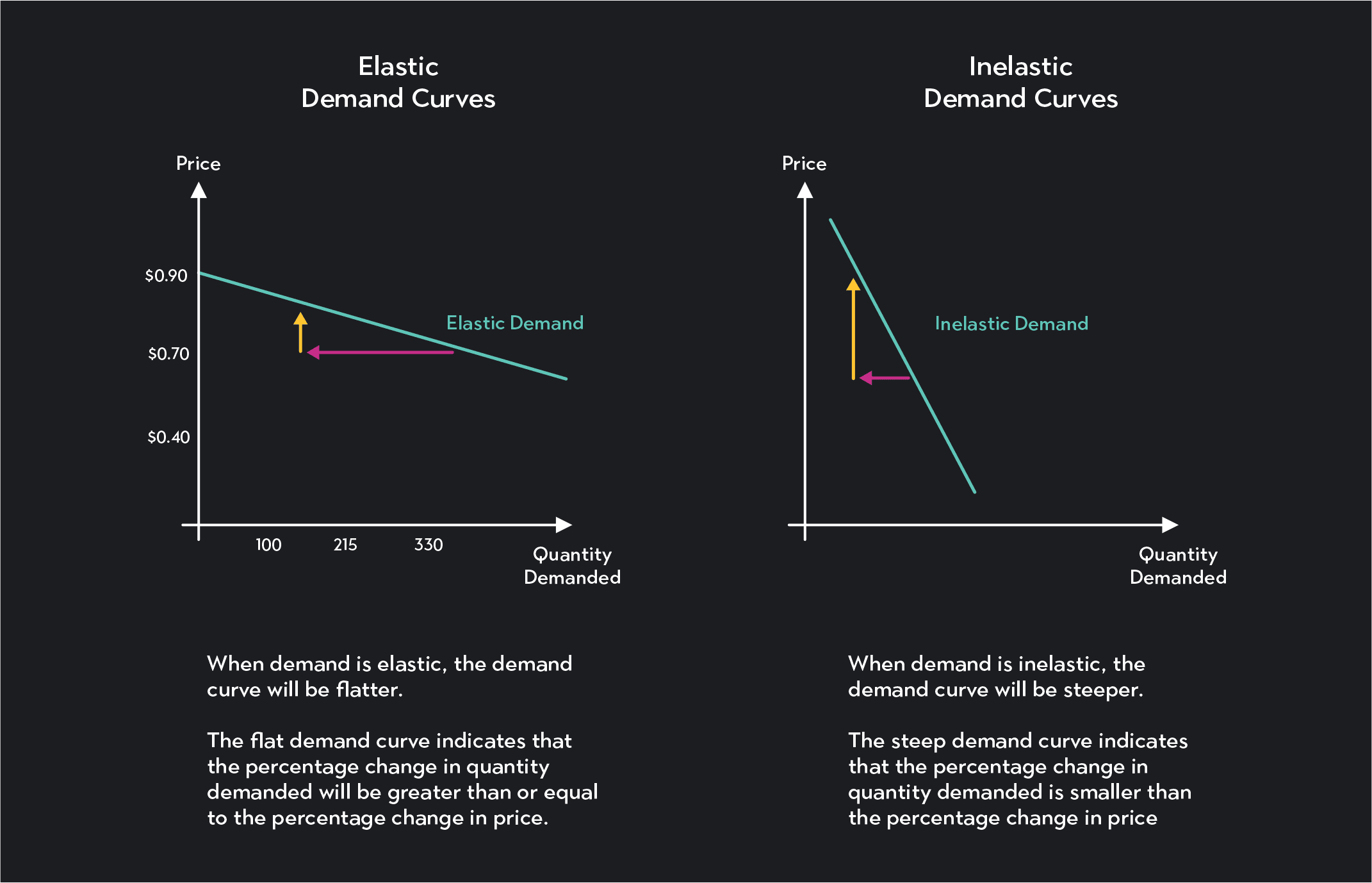
What this means in practice is that $1 of buying or selling in a stock moves the stock price by more than that $1.
A 2021 paper called ‘The Inelastic Markets Hypothesis’ found that $1 of buying or selling could move the market cap by as much as $5.
That also leads to more volatility.
Another factor is the growth in multi-manager hedge funds, also called pod shops.
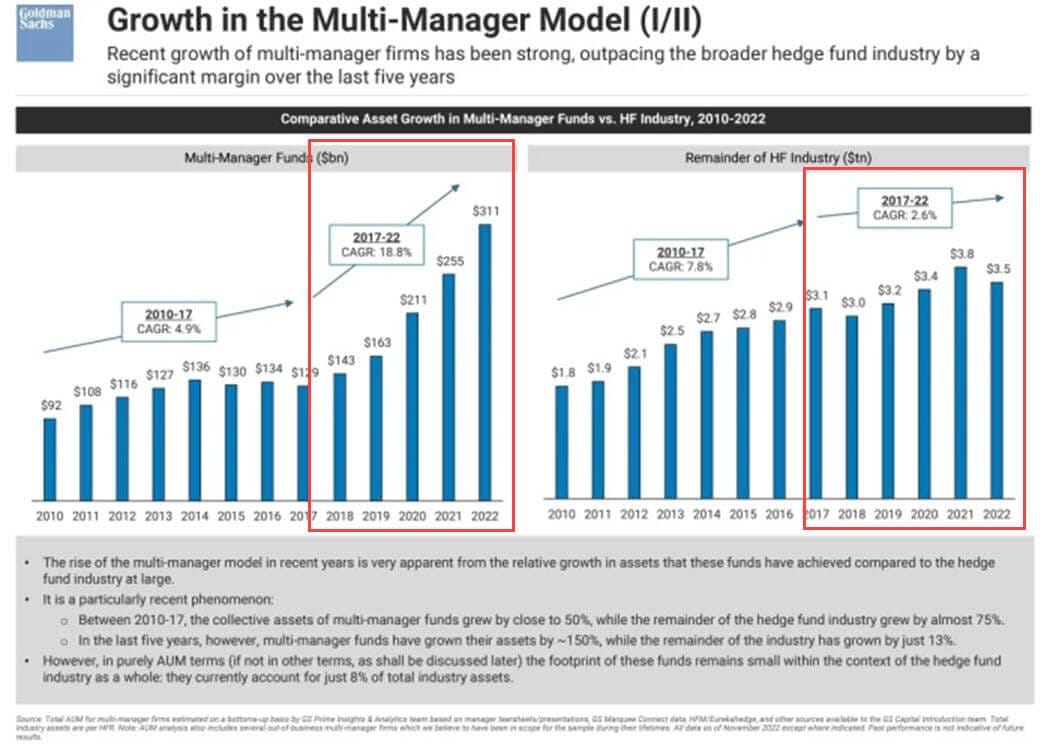
These firms raise capital, then borrow aggressively to amplify it.
5x leverage isn’t uncommon.
They then divide the money among dozens of independent trading teams (”pods”).
Because of the leverage, a 1–5% gain from each team turns into massive fund-level profit.
But because high leverage also magnifies losses, there is zero tolerance for drawdowns.
Stock prices decline
Leveraged funds have outsized losses
Risk limits force funds to reduce positions
More selling pushes prices lower
The cycle can reinforce itself.
That's why a small drop can mean a team gets much less capital.
A larger one gets them fired immediately.
Put it all together:
Market concentration into a small number of companies
Inelastic demand
More and more money in highly leveraged strategies that don’t tolerate drawdowns
And you wind up with a recipe for sharp volatility, especially in the downward direction.
Conclusion
I’m not saying this because I’m bearish on the market.
But I do think that the market has changed.
More concentration, more passive investing, and more leverage can create bigger swings in stock prices.
We should expect them.
Sometimes, stock prices will crash, even when nothing has changed about the underlying businesses.
That’s uncomfortable, but it’s also an opportunity.
Our job is to own great businesses, collect our share of the profits, and let those businesses compound over time.
And when market volatility gives us the opportunity to buy those businesses at attractive prices, we should be ready to take advantage.
It just rarely feels good at the time.
One Dividend At A Time,
-TJ
Used sources
Interactive Brokers: Portfolio data and executing all transactions
Fiscal.ai: Financial data
Disclaimer
As a reader of Compounding Dividends, you agree with our disclaimer. You can read the full disclaimer here.