

Sometimes seemingly unrelated topics can make you think deeply about investing.
That happened to me just the other day - the topic that did it?
Predators.
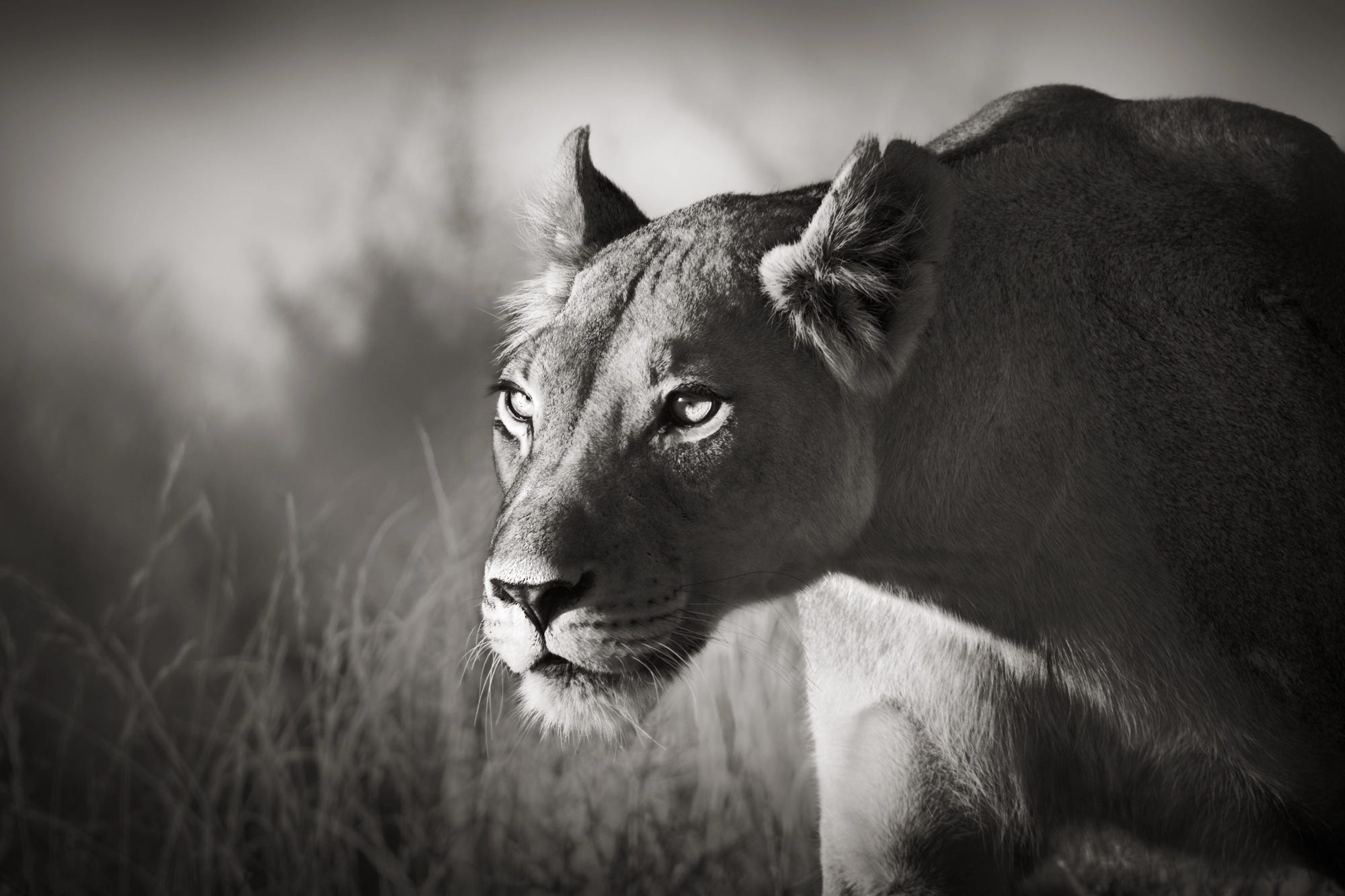
I love most things related to nature and the outdoors.
This summer I’m looking forward to mountain biking, spending time by the pool, and the newest thing I’m learning - fly fishing.
But I was recently reading about the relationship between predators and prey animals.
On the surface, it seems pretty simple - predators eat prey.
More prey brings in more predators, the prey population drops, and the predator population follows.
Then the cycle repeats.
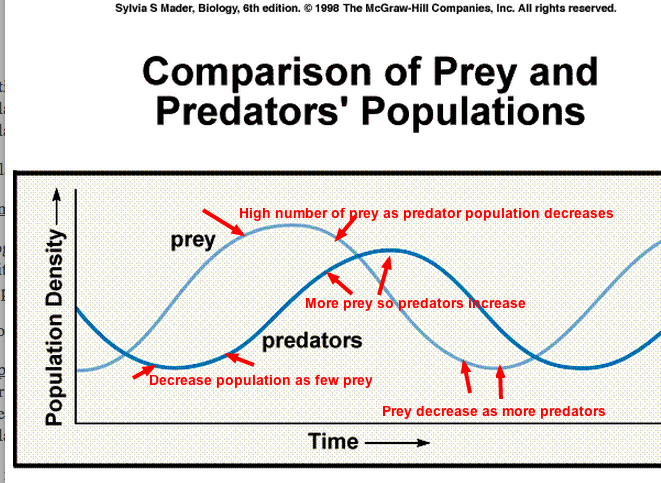
For a long time, scientists had a very simple model.
If a deer gets eaten by a mountain lion, that’s predation
If a deer starves to death, that’s environmental
But it turns out that there’s a lot more to it than that.
The understanding changed when wolves were brought back to Yellowstone National Park.
Yellowstone is the world's first national park, established in 1872. Located mostly in Wyoming, it is a massive, protected wilderness area that is roughly the same size as the Mediterranean island of Corsica.
Because it has been protected for over 150 years, Yellowstone is one of the few places in the Northern Hemisphere where the original ecosystem is still completely intact.
It’s full of free-roaming wildlife that you rarely see anywhere else.
Elk are one of Yellowstone’s most abundant animals.
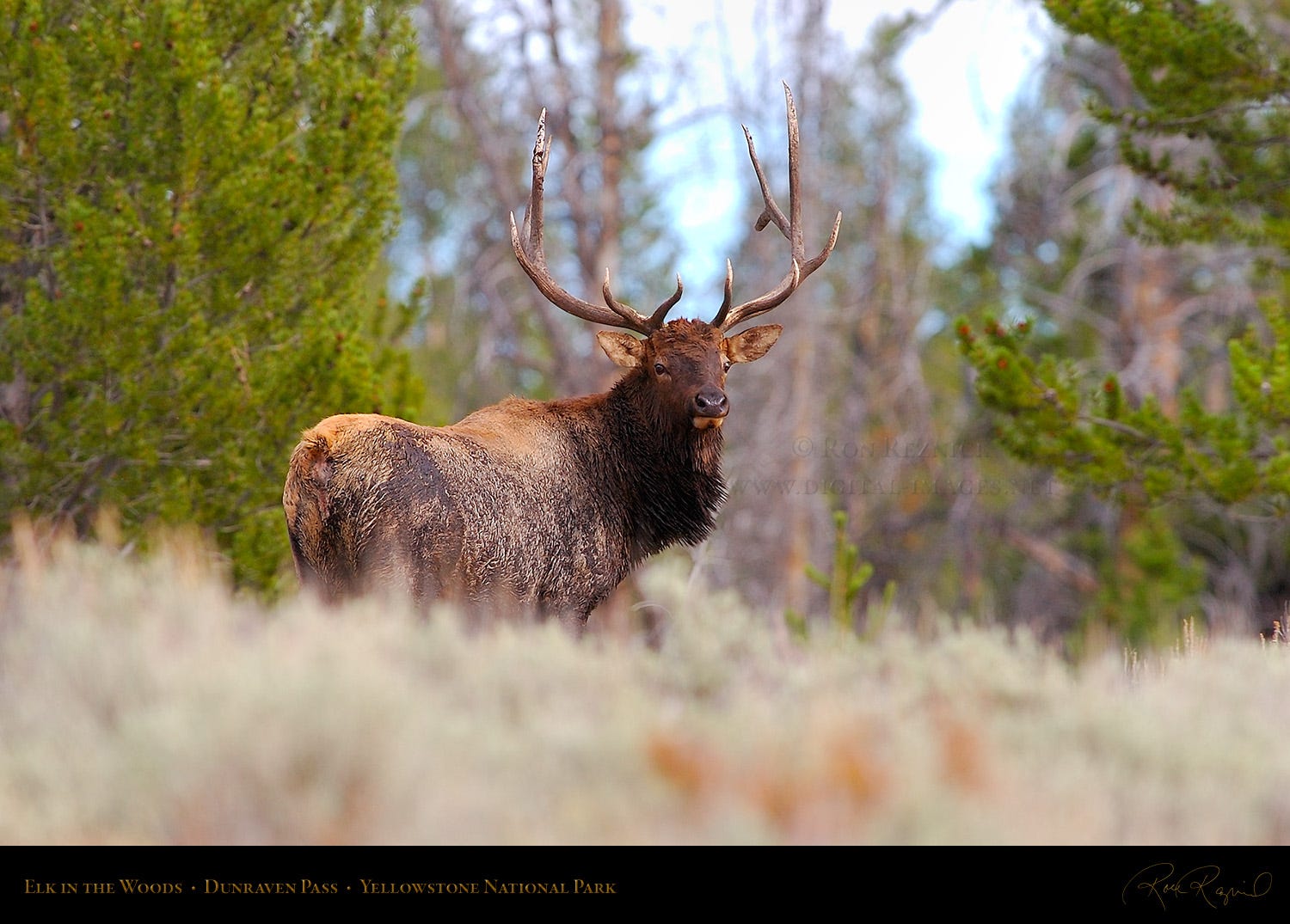
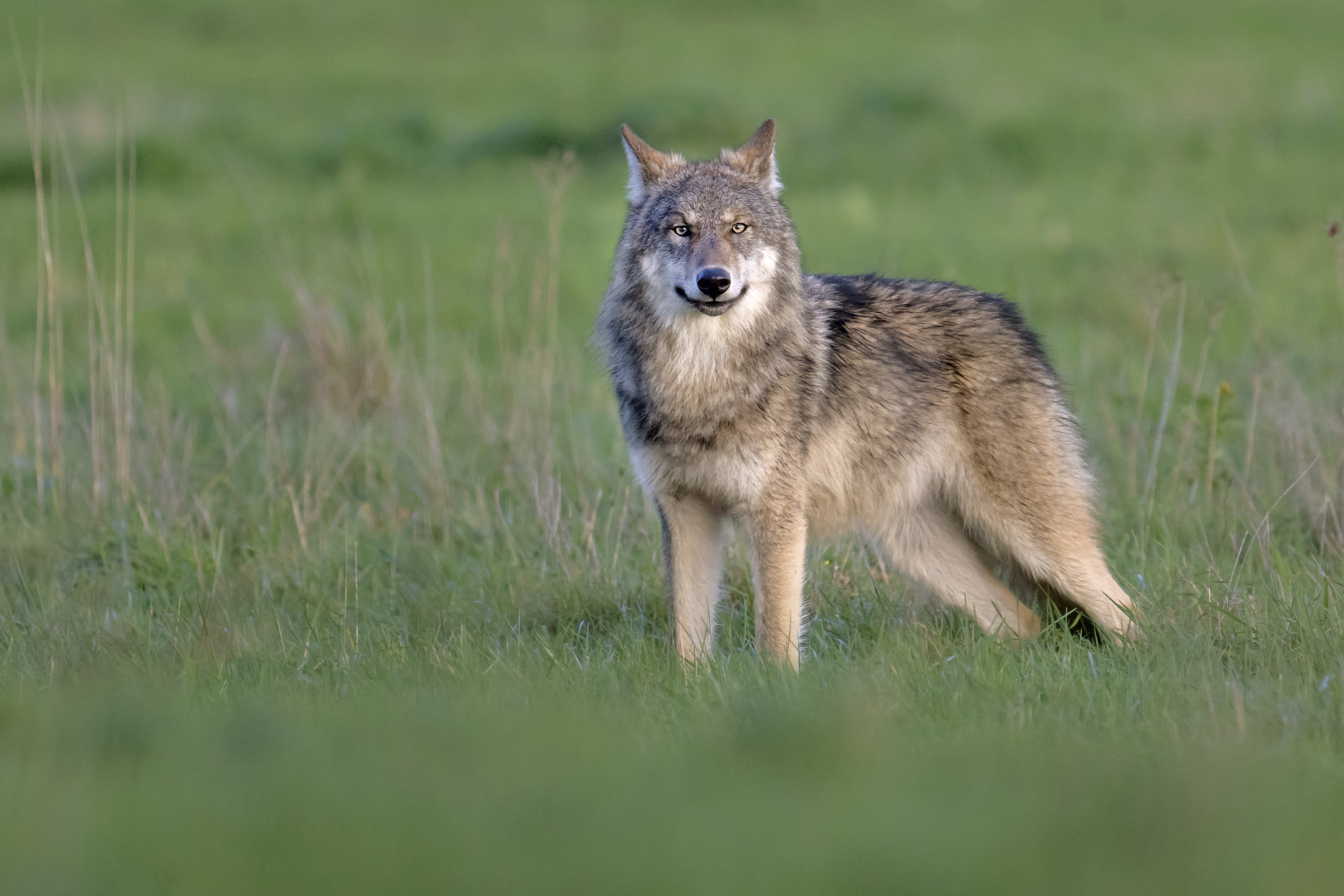
When wolves were reintroduced to the park in the 1990’s, the Elk population dropped, which was no surprise.
What was surprising is that more and more elk started starving during mild winters.
Why?
Because before there were wolves in the park, the elk could spend as much time in the meadows as they wanted, eating as much grass as they wanted.
With wolves present, they moved up the mountains where they could escape the wolves, but that limited food.
And some started starving to death in what was previously considered a mild winter.
Nature is a complex ecosystem, where one change can have unexpected secondary and tertiary effects.
Mountain Lions and Deer
Mountain lions and deer exist in predator-prey relationships throughout the western United States.
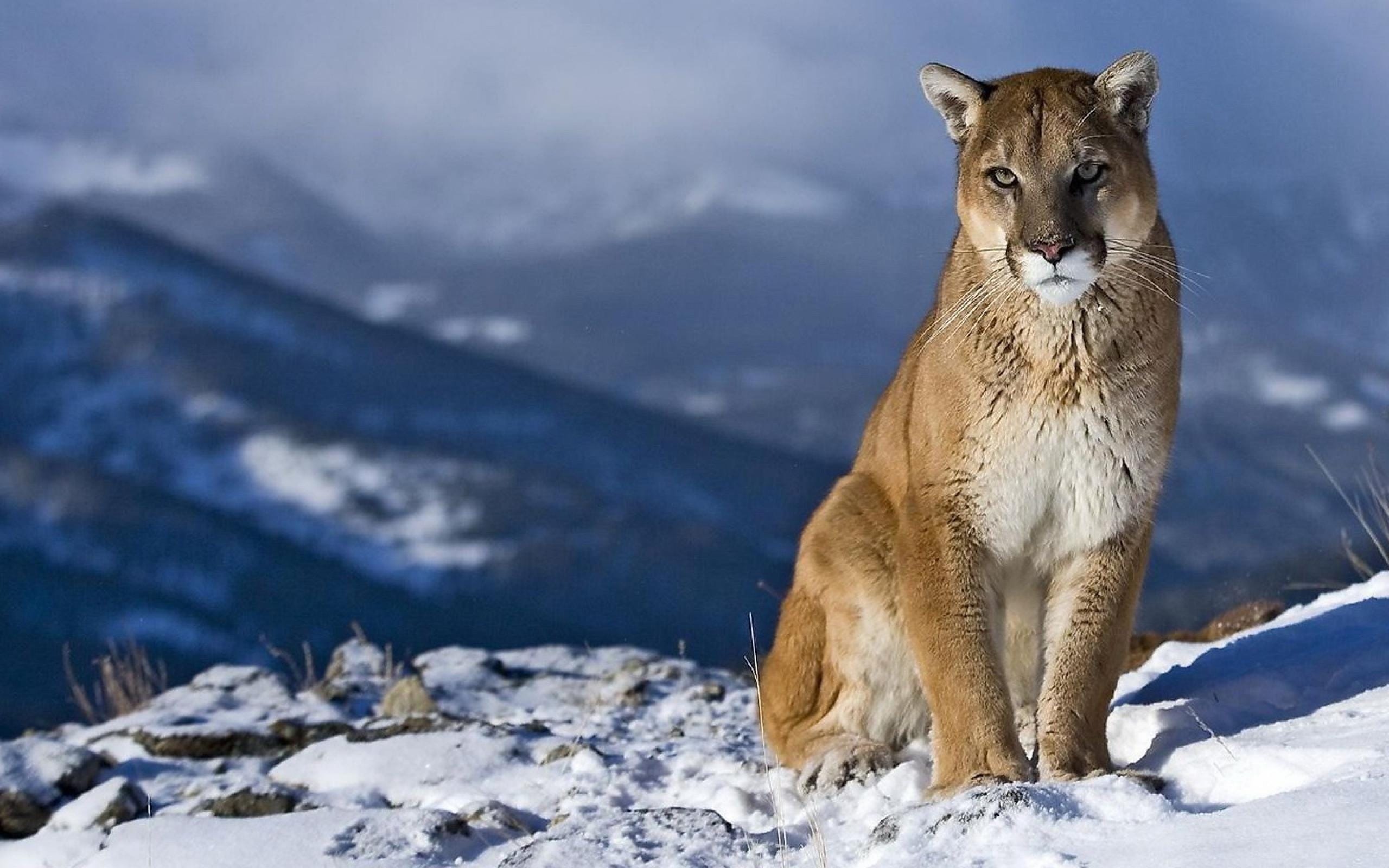
When scientists look at what deer mountain lions kill, there are some patterns.
Male deer: Mountain lions target them much more often than you would expect based on how many males are actually in the herd.
Females and young deer: Mountain lions hunt them at normal, expected rates, without preferring one over the other.
This is probably less about mountain lions preferring male deer, and more about the behavior of male deer.
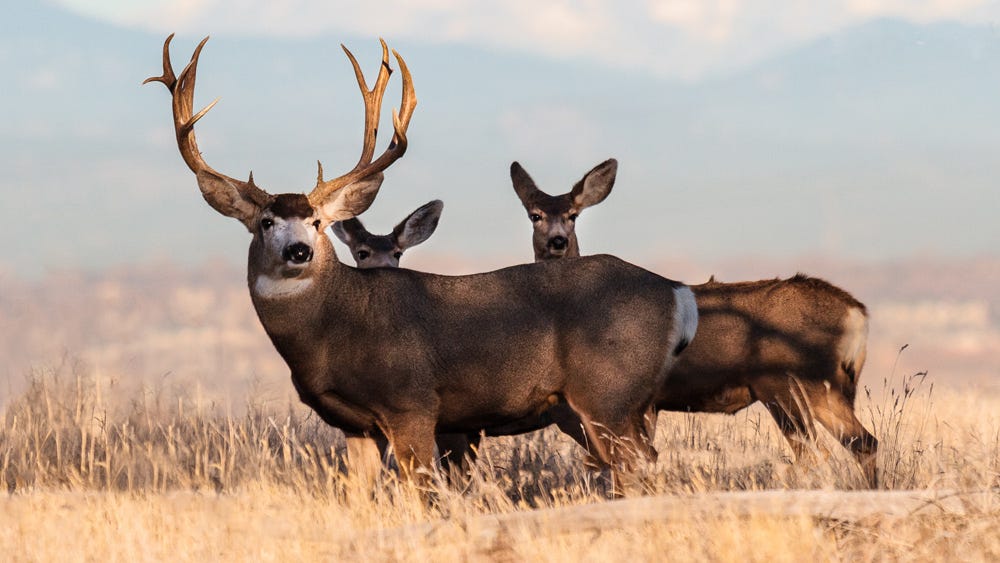
They tend to move around more than female deer, and they tend to be by themselves or in small groups, making them a bit more vulnerable.
But that’s not the important part.
This is.
Most of the time, mountain lions and deer can exist in a relative balance.
But if the number of young deer gets too low, then mountain lions can have a huge impact on the deer population.
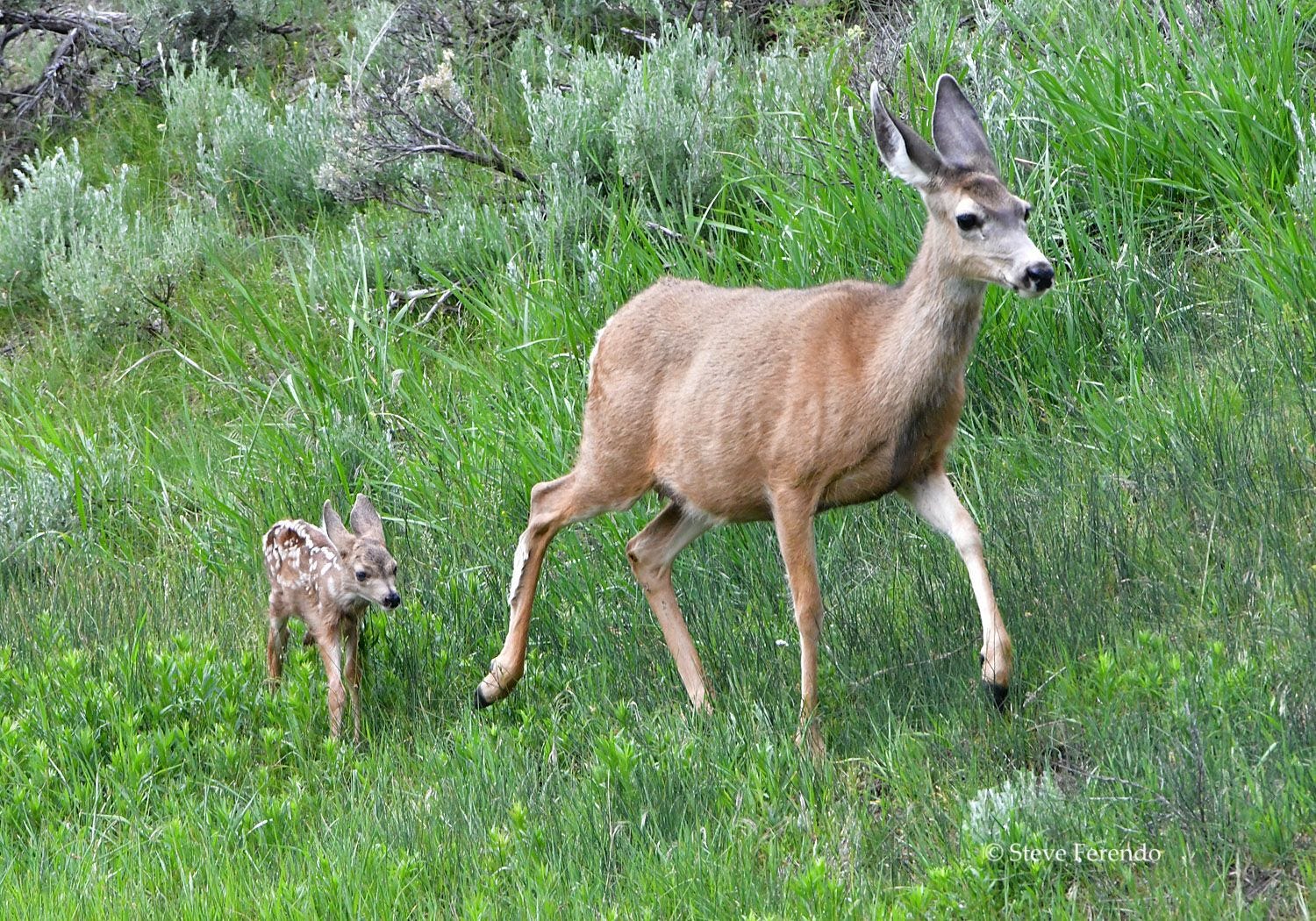
Why?
Remember that they’ll hunt females and young deer at about the same proportions they represent in the herd.
Less young deer mean that mountain lions kill way more female deer.
Less female deer this year means less baby deer next year.
Which means even more female deer get hunted by mountain lions the next year.
Linear Habitat
One more example before I tie this to investing.
Biologists have found that linear habitat can have an outsized impact on predator-prey relationships.
Let me explain what this means.
Imagine a lake or pond where a narrow dyke is constructed for flood control.
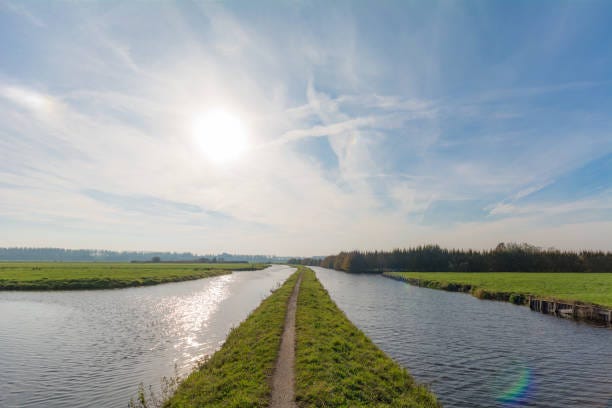
If ducks nest on that dyke (the linear habitat) then it’s very easy for a single raccoon to walk down it and find every single duck nest (and duck egg) there.
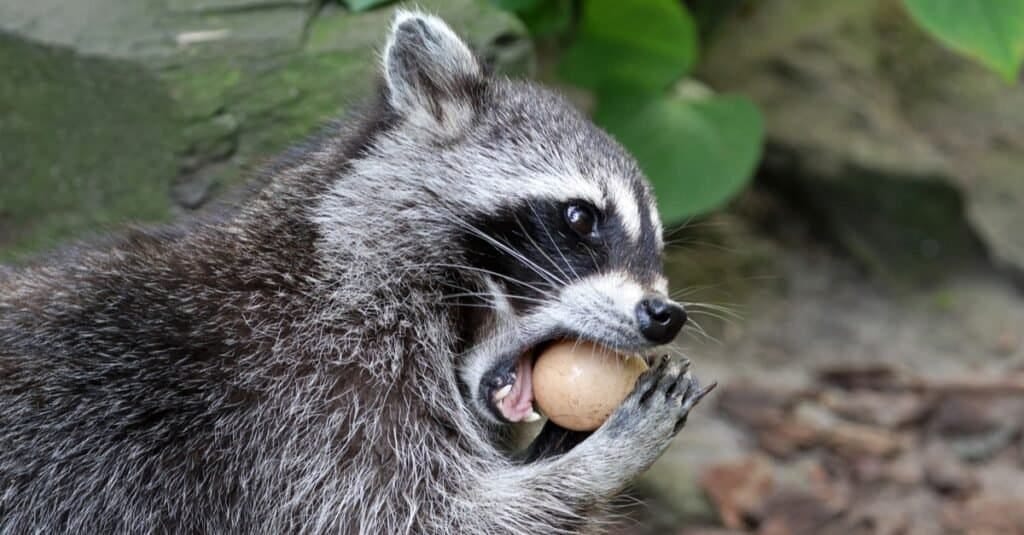
A change in the environment can completely change the ecological balance.
What’s This Have to Do With Investing?
The Market is an Ecosystem
Just like Yellowstone or a mountain lion’s territory, the stock market is a complex ecosystem.
Prices are determined by the constant interactions of completely different species of participants.
Long-term investors
Short-term day traders
High-frequency algorithms
Passive index funds
Short sellers.
Each type has their own goals, their own time horizons, and their own hunting strategies.
And just like in nature, when the environment changes, the balance of the ecosystem shifts. Often in ways we can’t immediately see.
Right now, the financial ecosystem is going through some massive, structural changes.
Ecological Changes in Investing
Think about the major shifts in going on in the market today.
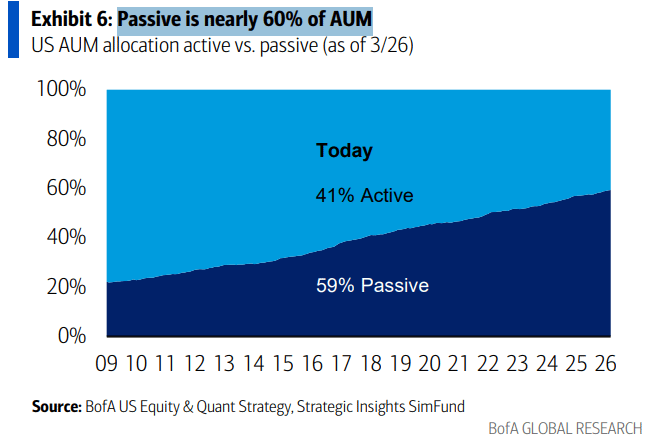
The rise of passive investing.
The majority of money in the market is now invested in passive strategies.
That’s never been the case in the past.
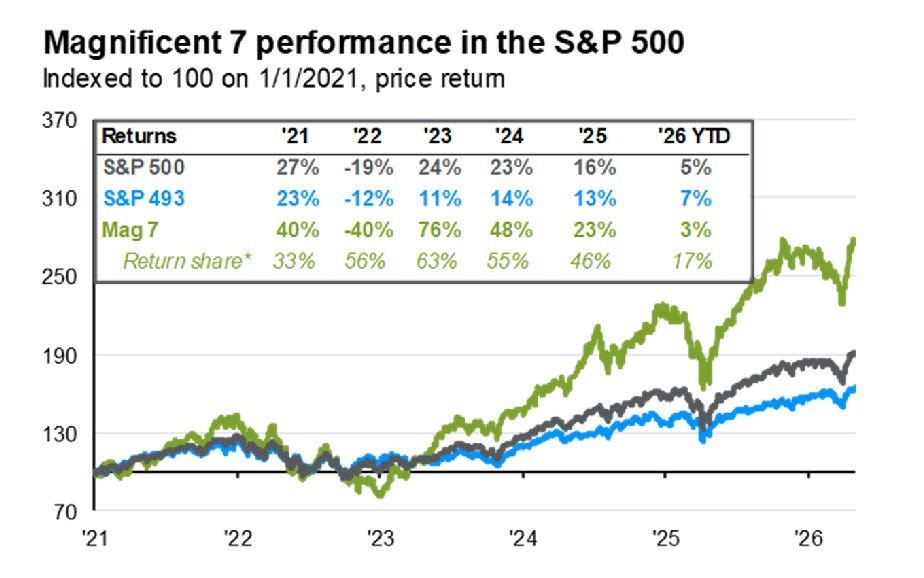
The Magnificent 7 and the momentum phenomenon.
A handful of large stocks have been driving the performance of the market.
As those stocks rise, the S&P 500 goes up, attracts more capital into the index and drives the price of the largest stocks up further.
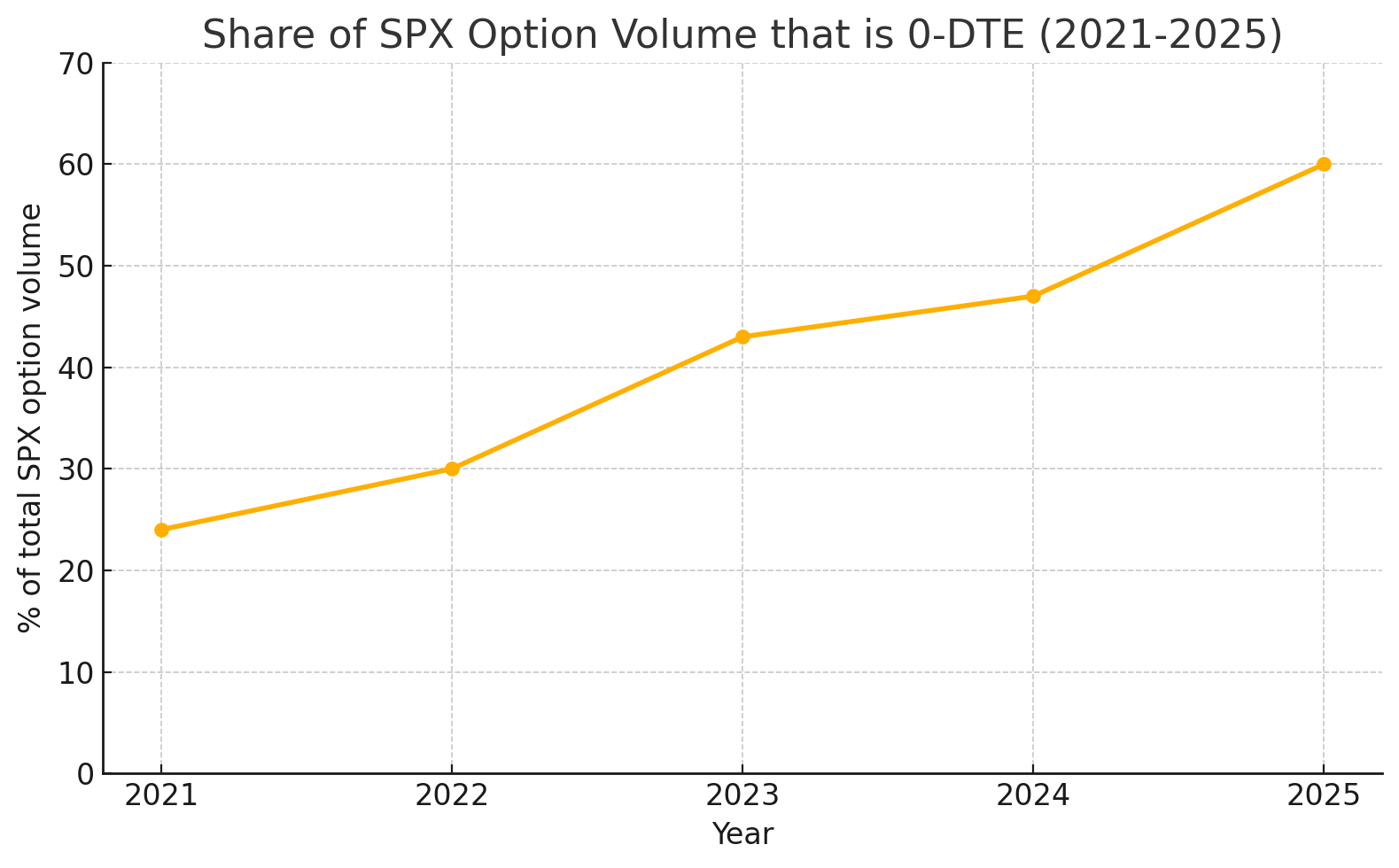
The rise of 0DTE Options
Options contracts that expire on the same trading day now make up a majority of the options traded on indexes like the S&P 500.
This forces market makers to aggressively buy and sell the underlying stocks to hedge their own books, completely independent of the actual fundamental health of those companies.
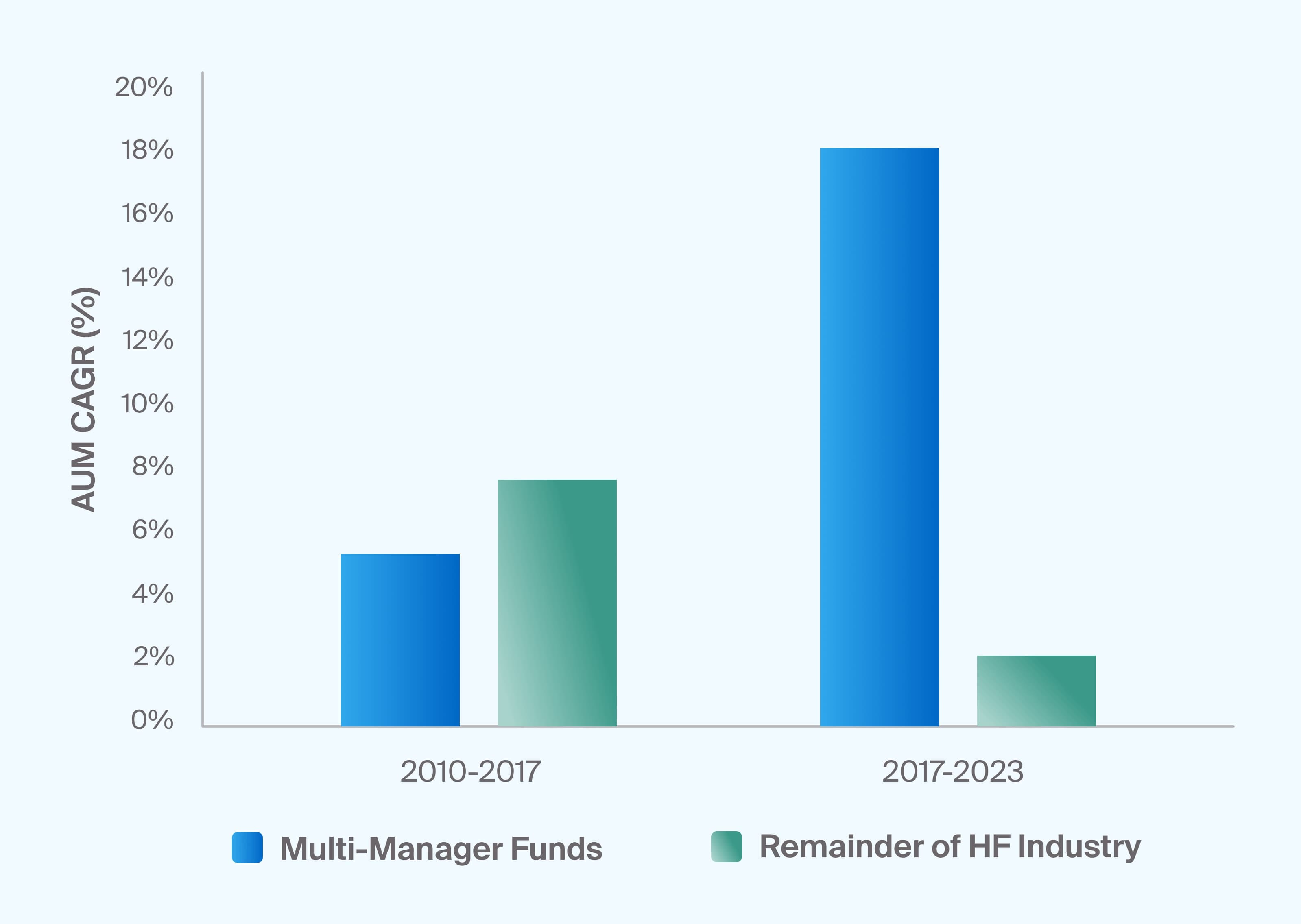
The rise of pod shops.
These multi-manager hedge funds are a new breed of highly-leveraged, hyper-fast traders.
They don’t care about what a company will look like 10 years out, or how predictable the earnings will be.
They only care about the next quarter’s earnings beat.
Unseen Consequences
In a simple model, we can guess what these individual changes do on the surface.
But markets aren’t simple.
They are complex, adaptive systems.
If a deer population can unexpectedly crash when the doe-to-fawn ratio got a little out of whack, where’s the tipping point for assets invested in passive strategies?
What happens when we have a mild winter (like a slight economic slowdown), and the pod shops all hit their risk limits at the same time and rush for the exits?
We don’t know.
The secondary and tertiary consequences of these changes are still playing out.
In complex environments, small changes can cause big, unintuitive chain reactions.
As investors, we have to recognize that the investing landscape is changing.
The environment we are investing in today is different than it was ten years ago.
I don’t know how it will all play out, or what the extra effects will be.
But I do know that I’m glad that a portion of my returns comes directly from the company’s profits to me in the form of a cash dividend.
One Dividend At A Time,
-TJ
P.S.
If you want more of your returns to come from dividends, then you’ll want to make sure you’re on the High Yield VIP List.
Something special is coming on June 23rd, so make sure you don’t miss it by clicking the button below.
Used sources
Interactive Brokers: Portfolio data and executing all transactions
Fiscal.ai: Financial data