

Over the past five articles, we’ve taken a deep dive into the macro environment and the AI buildout.
We’ve looked at the stressed consumer, the massive CapEx spending, and the physical limits of the power grid.
Today, we’re going to talk about how this all could unwind, and where I actually want to invest.
Let’s do a quick recap of how we got here.
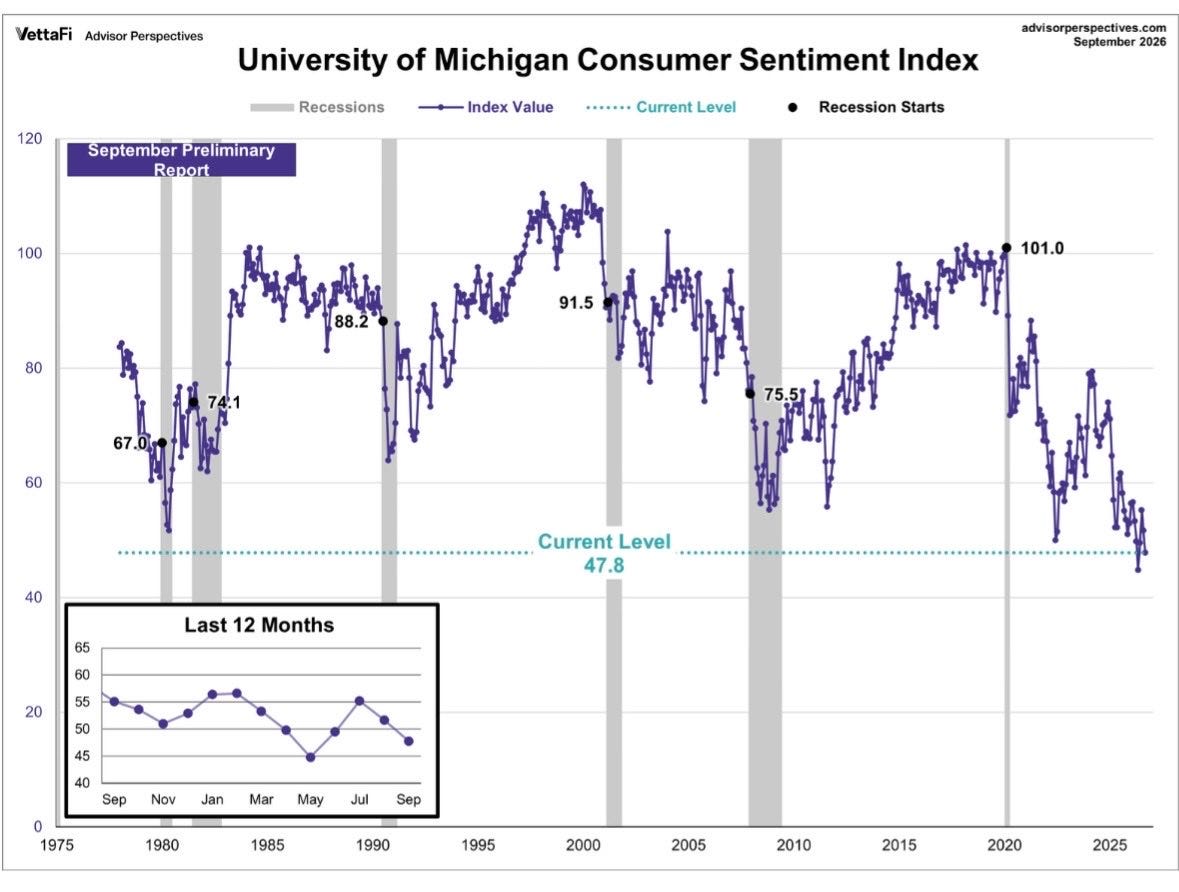
In Part 1, we looked at the consumer. Wages haven’t kept up with inflation, savings are dropping, and the average stock in the S&P 500 is actually struggling.
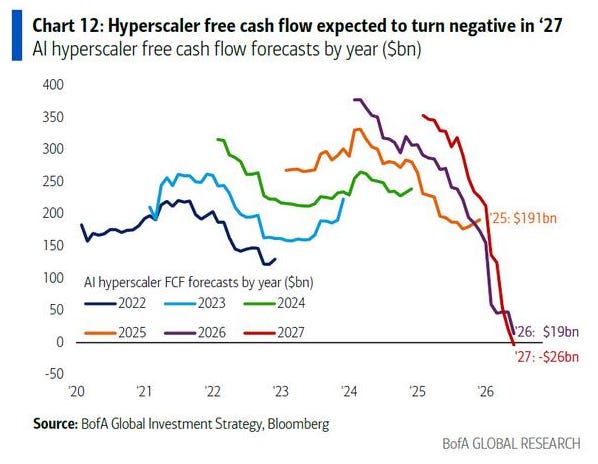
In Part 2, we looked at AI CapEx. Tech companies are spending trillions, taking on huge depreciation expenses, and turning into capital-intensive businesses.
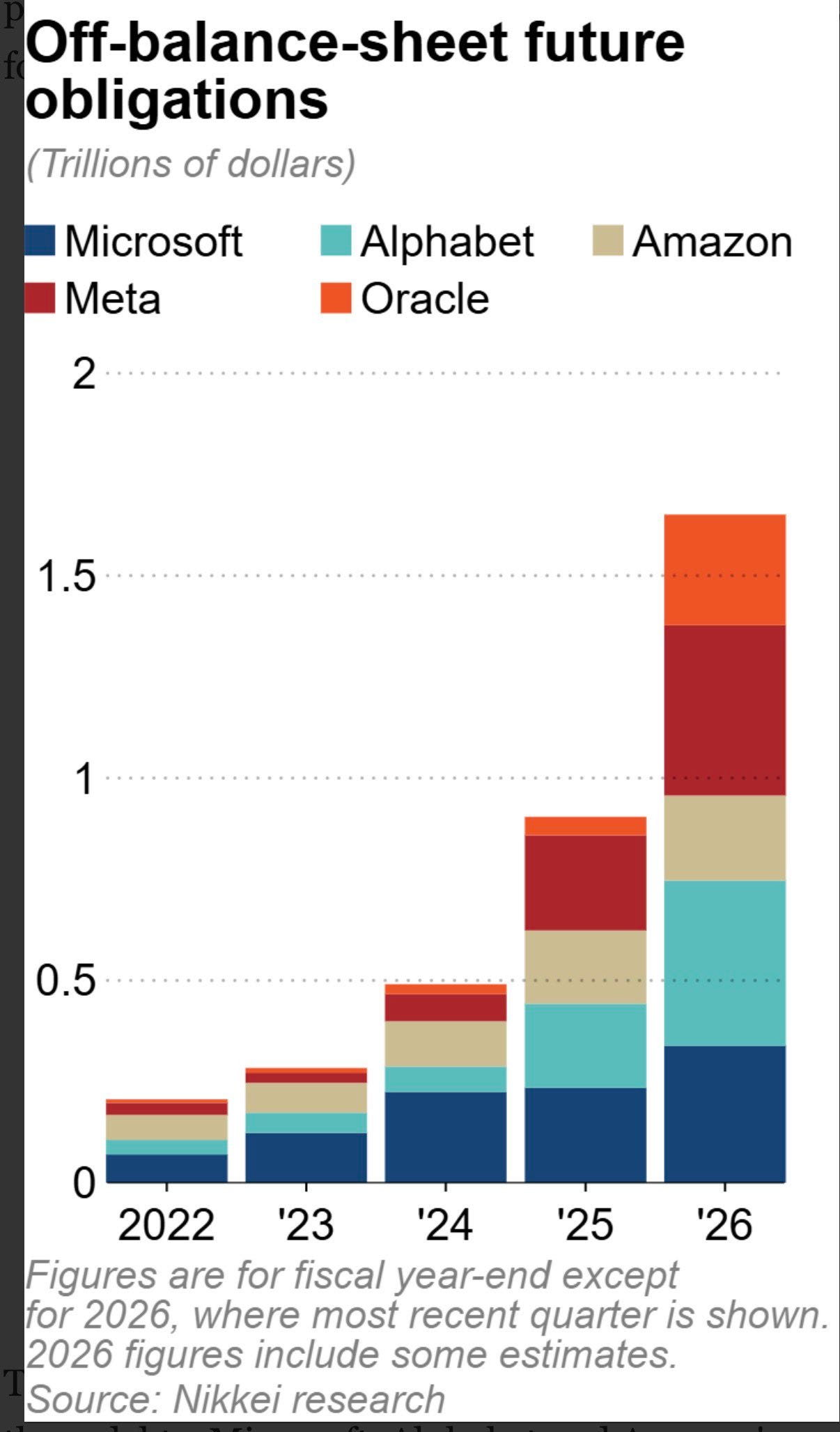
In Part 3, we looked at the financing. We saw circular revenue loops, off-balance-sheet debt, and the very real possibility of phantom demand.
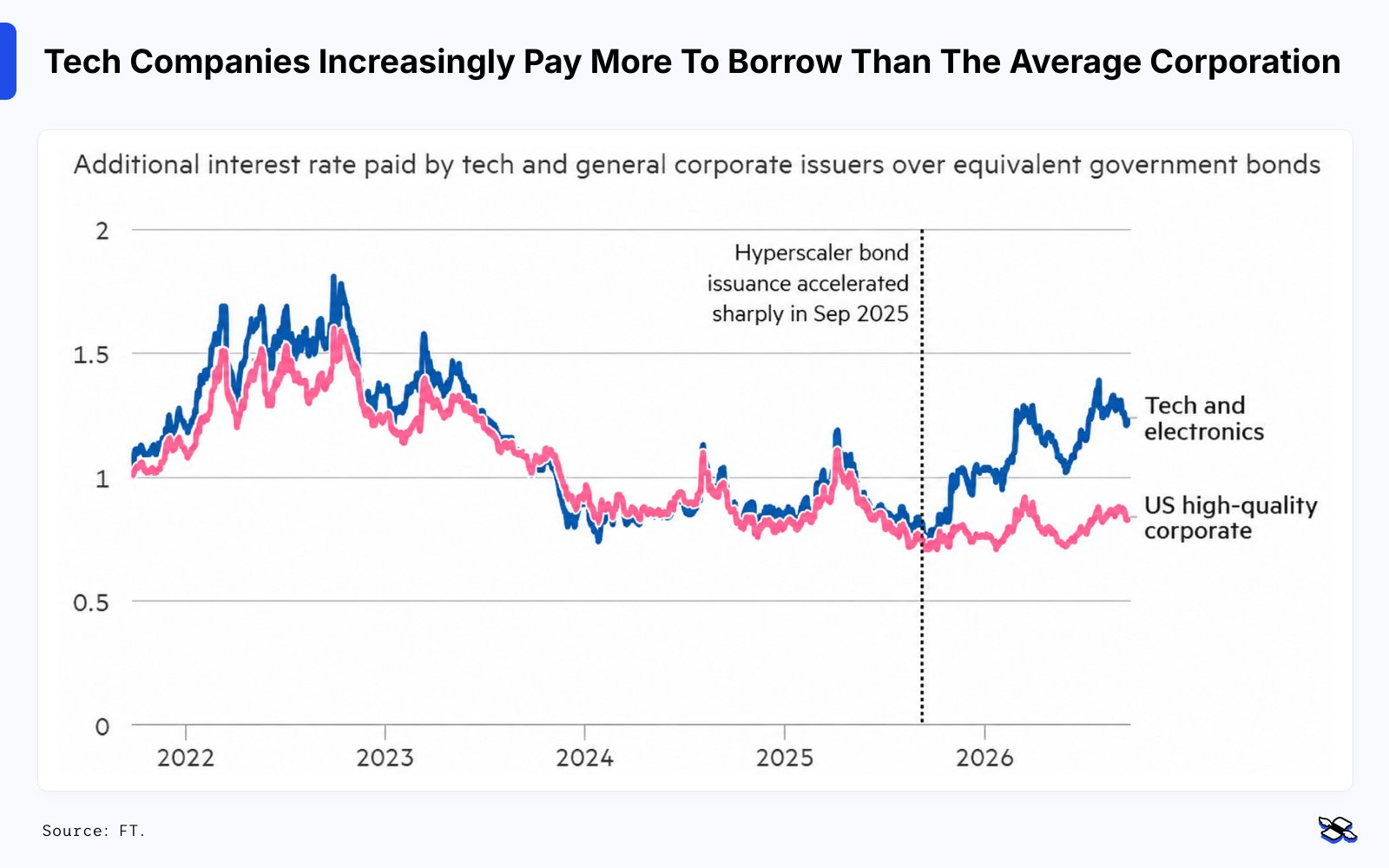
In Part 4, we looked at the physical world. Data centers need massive amounts of power and equipment that don’t exist yet, and the bond market is demanding higher yields to fund it all.
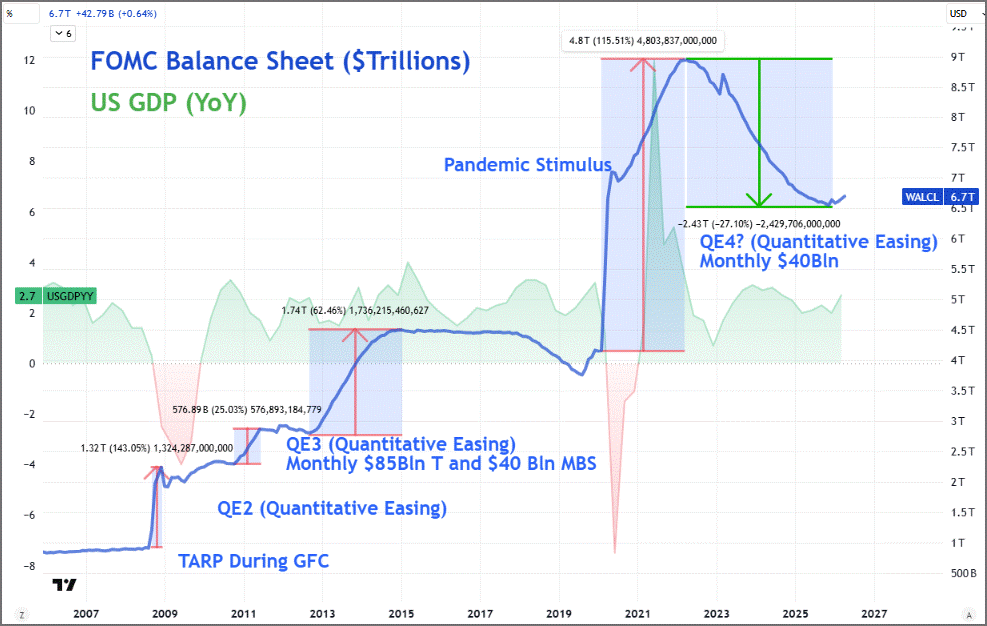
In Part 5, we looked at the stock market itself. Passive index funds have pushed the biggest tech names to huge valuations, and the U.S. government has too much debt to step in with a bailout if prices fall.
What Now?
So what if this cycle breaks?
Every massive infrastructure buildout so far has led to overcapacity and a bust.
This one could be different, but I’m not betting on it.
If the AI buildout follows past history, here's what happens:
Equity gets wiped out: The common stock is the first to go. An oversupply of data centers and chips causes the price of compute to collapse. Companies won’t be able to make their huge interest payments, and will go bankrupt. That’s WorldCom and Global Crossing in 2002.
Bondholders take over: The bondholders are forced to restructure the debt, often taking pennies on the dollar. In bankruptcy court, the old debt is swapped for new equity. The bondholders become the new owners of a debt-free company.
The infrastructure stays: This is the most important part. Bankruptcies destroy capital, but they don’t destroy the assets. Nobody ripped up the railroad tracks, and nobody dug up the fiber optic cables in 2002.
After the wave of bankruptcies, mergers, and buyouts, you’ll have new owners of the assets who got them for pennies on the dollar.
They won’t need to charge high prices to earn a return.
The companies that over invest and over build end up funding the infrastructure and losing.
But the next generation of companies reaps the reward.
Without the telecom bankruptcies of 2001, the cheap bandwidth and excess capacity that made Netflix and Amazon Web Services possible wouldn’t have existed.
Lost Decades
When we look at what happens to the broader market, it’s not pretty.
Investment booms or periods where stocks get very expensive are often followed by long periods of zero returns.
These are often referred to as ‘lost decades’, but some have been much longer.
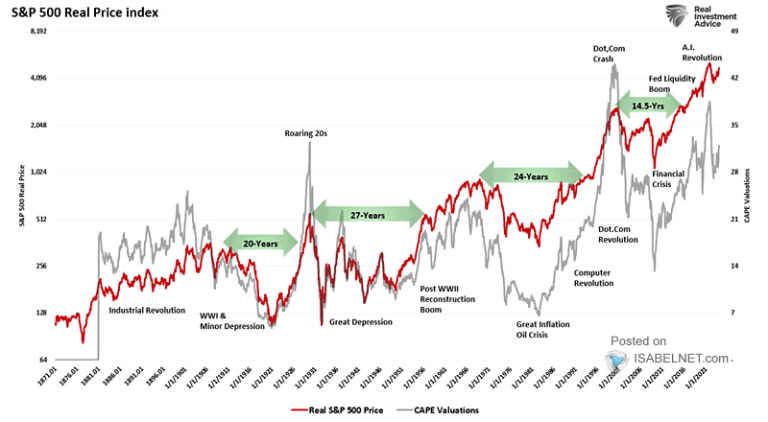
For example, it took 14.5 years for the S&P 500 to get back to where it was at the peak of the 2000 internet boom.
If AI follows history, the data centers will be built, and the grid will be upgraded.
We’ll get a surplus of cheap compute power to run AI.
But the investors funding the physical buildout today at high valuations are unlikely to get the returns they expect from it.
This will likely come as a surprise for many.
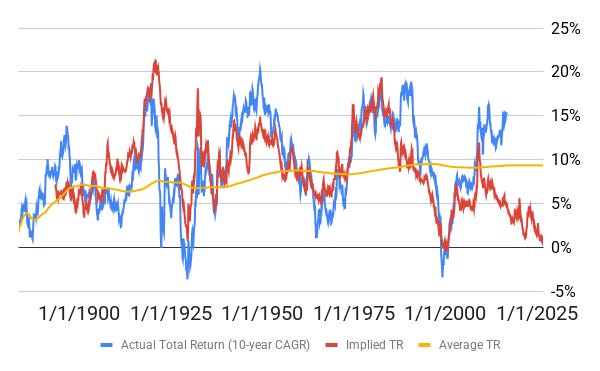
The actual returns of the market typically follow the return implied by the CAPE Ratio.
They’ve diverged quite a bit recently, with actual returns going up, and implied returns declining.
Investor Expectations
It’s been a long time since we’ve had one of those long, deep drawdowns in the index.
The peak before the 2008 crash happened in October of 2007.
That means that the only investors still in the market that lived through that have been investing for at least 19 years.
Most investors who started after that have been conditioned to ‘buy the dip’ because the market always bounces back quickly.
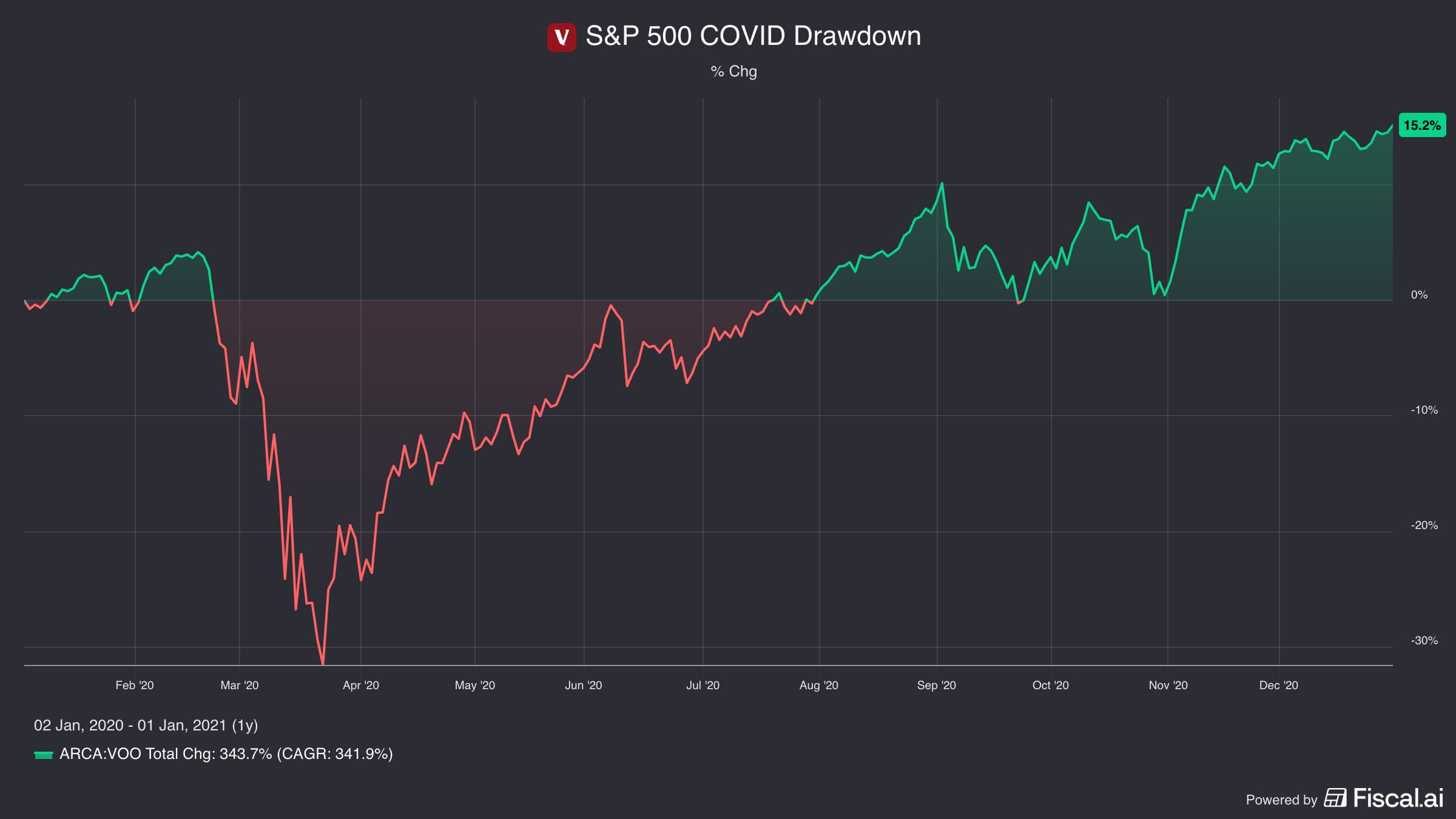
COVID was a deep drawdown, but it rebounded very quickly.
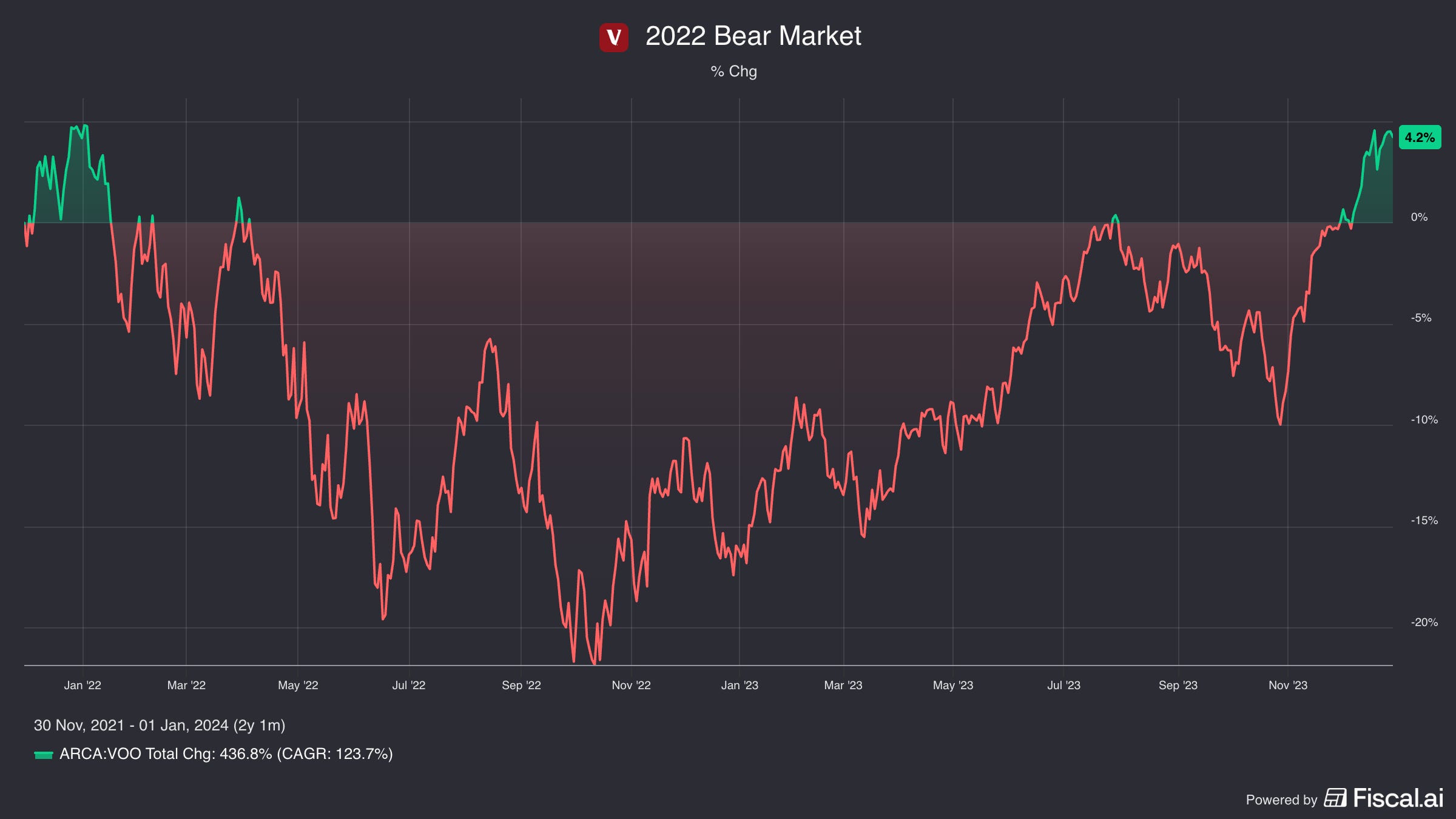
2022 was a standard, short bear market.
But even for the investors who have benefited through 2008 or 2000, there's something else that’s different.
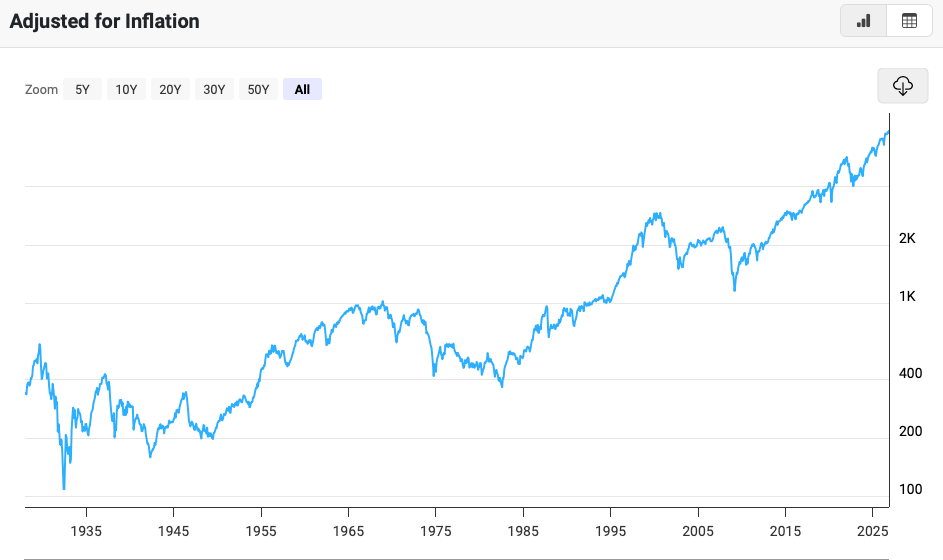
In Part 5, I showed you the long-term chart of the S&P 500 to demonstrate the effect of the growing inflows from 401(k) plans.
In the 53 years from Dec. 1927 to Dec. 1980:
The S&P 500 went from 340 to 525
A CAGR of 0.82%
From January 1981 to today:
The S&P 500 went from 497 to 7,801
A CAGR of 6.71%
But there was another tailwind at work starting around the same time as the 401(k).
Falling interest rates.
Here’s the Fed Funds Rate.
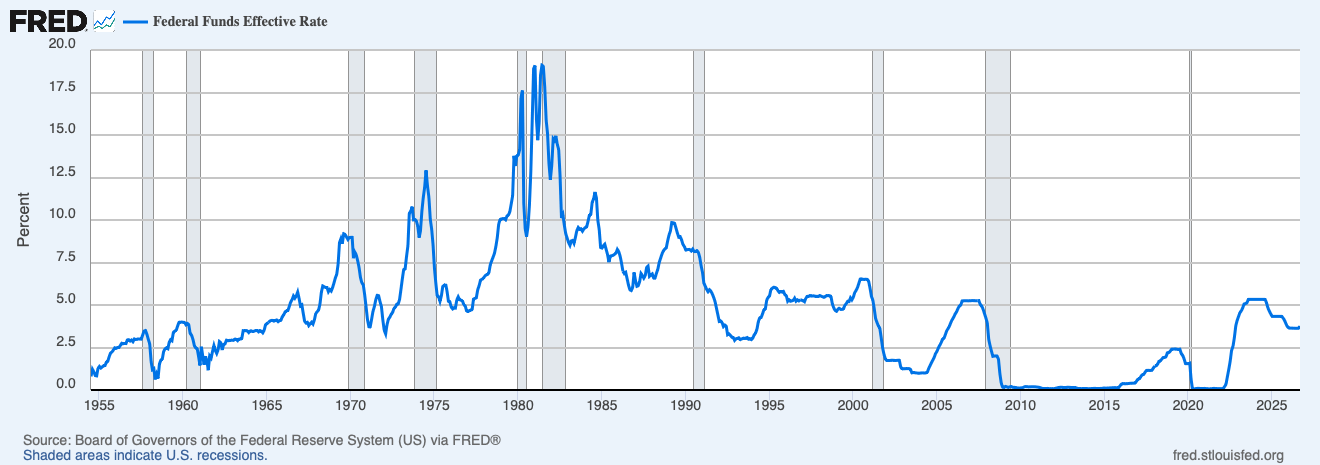
Notice that it peaks in the 1980’s and generally trends downwards until the recent rise.
Also note that it’s at zero the majority of the period from 2008 until rates started going up in 2022.
Warren Buffet has said that interest rates act like gravity on stock valuations.
When rates are high, stocks have to compete with safe, high-yielding bonds.
But as rates fell to zero, then stayed there, that competition disappeared, forcing capital into the stock market and helping to drive equity valuations higher and higher.
That's not normal, and it’s probably not coming back.
Where The Capital Will Go
It’s important to realize that the post 2000 lost decade was only a lost decade for the index.
Under the surface, capital rotated from the busted tech infrastructure into boring, cash-flowing value and quality dividend stocks.
A great way to see this is to compare the performance of the cap-weighted index with the equal-weighted one.
Investors who owned the equal-weight index outperformed for decades after.
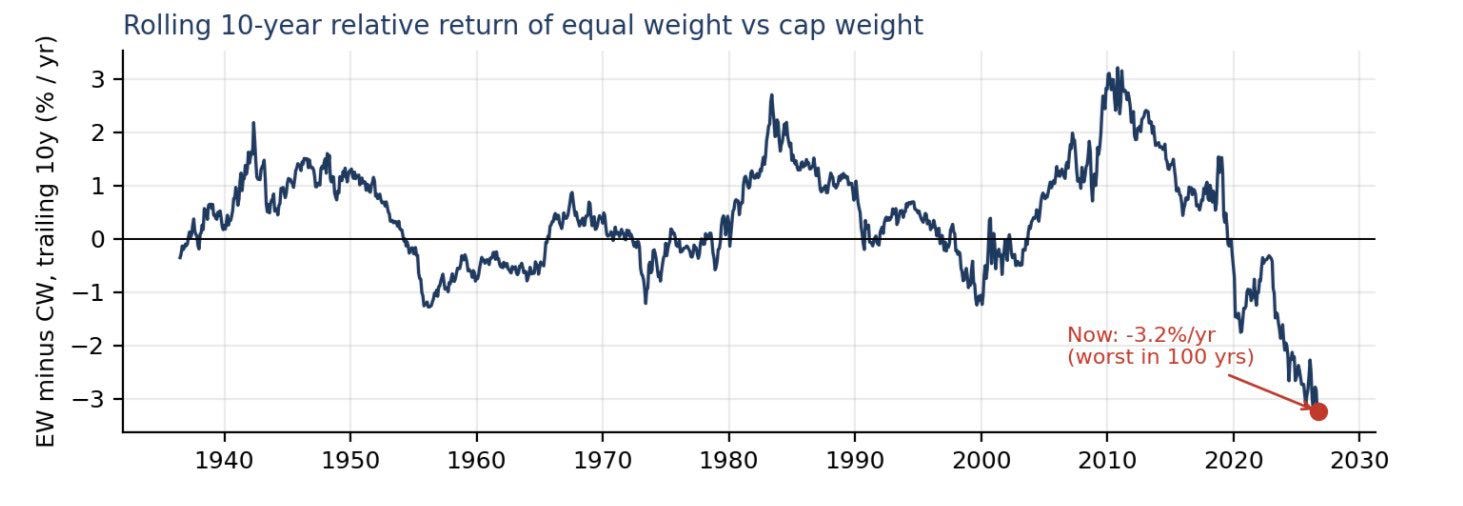
The profitable, essential, boring companies had great returns because they were ignored during the bubble, which meant they were cheap.
Those ignored, boring, essential companies are exactly where we want to be.
What I Want to Buy
Unmanipulated Free Cash Flow
Dividends are paid out of free cash flow, not accounting earnings.
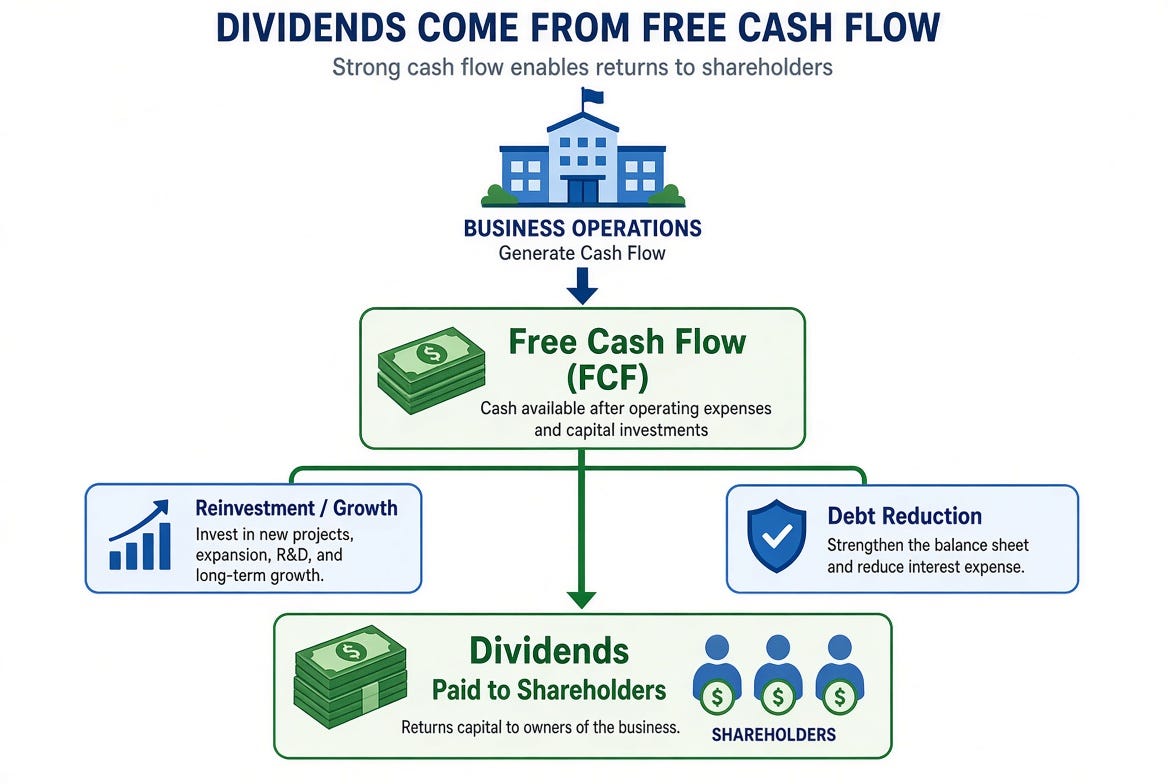
We want companies that generate genuine cash from daily operations.
If a company has to issue debt or use off-balance-sheet SPVs to engineer their numbers, the dividend is could be at risk.
Essential Businesses
We want companies that provide necessary products and services.
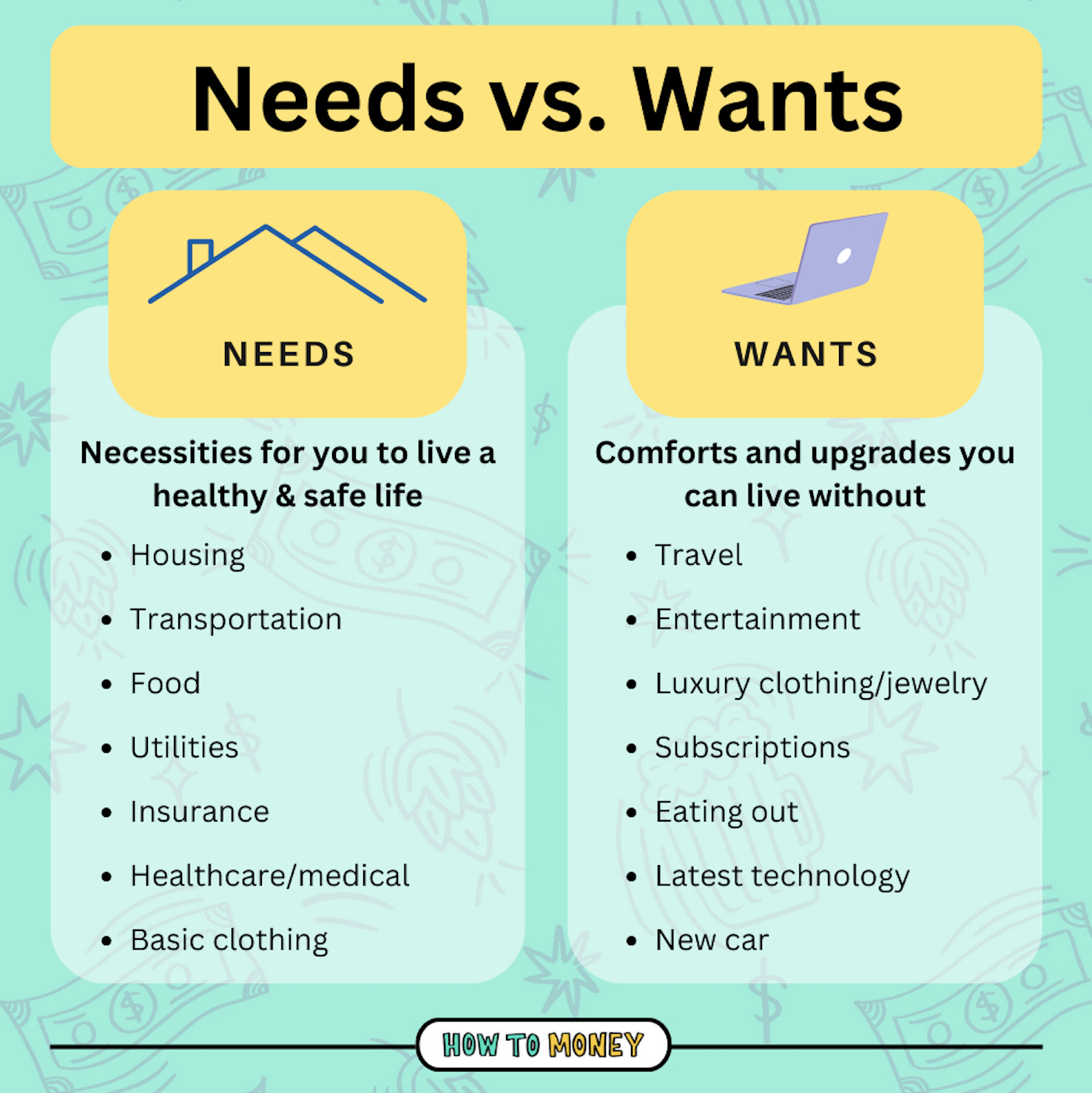
If the AI bubble bursts or the consumer falls into a recession, businesses and households will immediately cut back on anything they don’t need.
But they will still buy auto parts, repair their homes, feed their pets, and pay for insurance.
We want the boring businesses that sell the absolute necessities.
A Wide, Impenetrable Moat
We want companies protected by deep structural advantages.
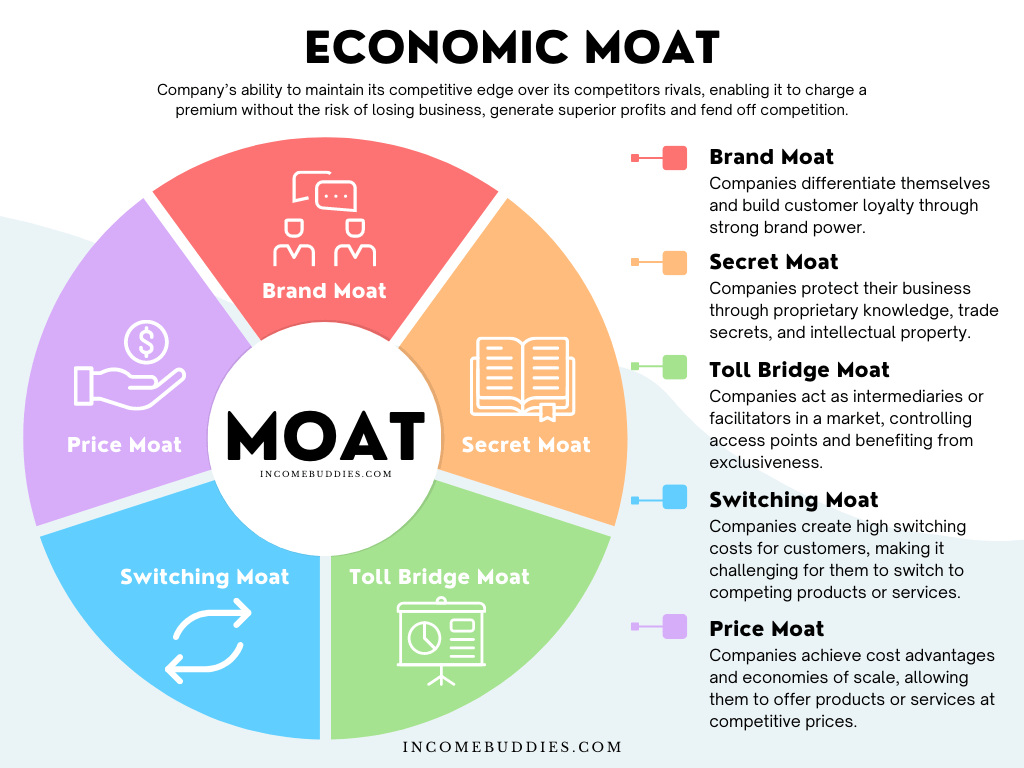
Whether it is high switching costs, regulatory barriers, or an entrenched, impossible-to-replicate distribution network, the business must be completely insulated from competitors trying to steal its market share.
Pricing Power
In an environment where inflation is sticky and the consumer is stressed (Part 1), margins come down.
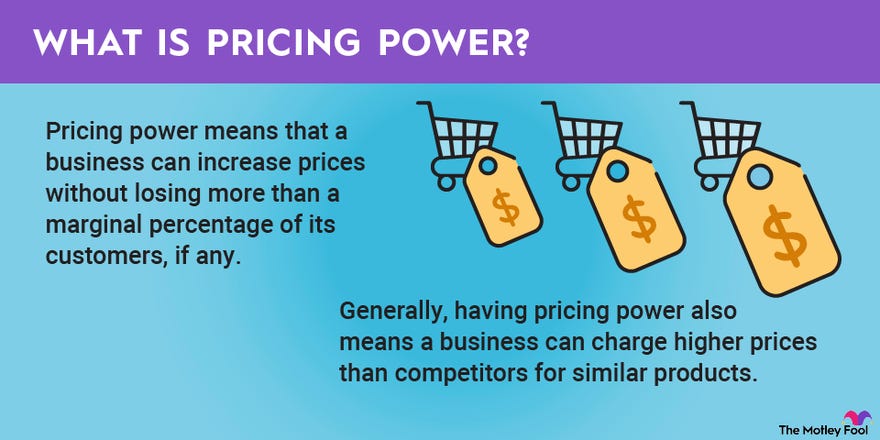
You need companies that can routinely raise prices to offset costs without losing their customers.
Pricing power protects your dividend from inflation.
A Growing, Fully Covered Dividend
We don’t want promises of theoretical revenues in 2035.
That means enough profit to cover the dividend safely today.
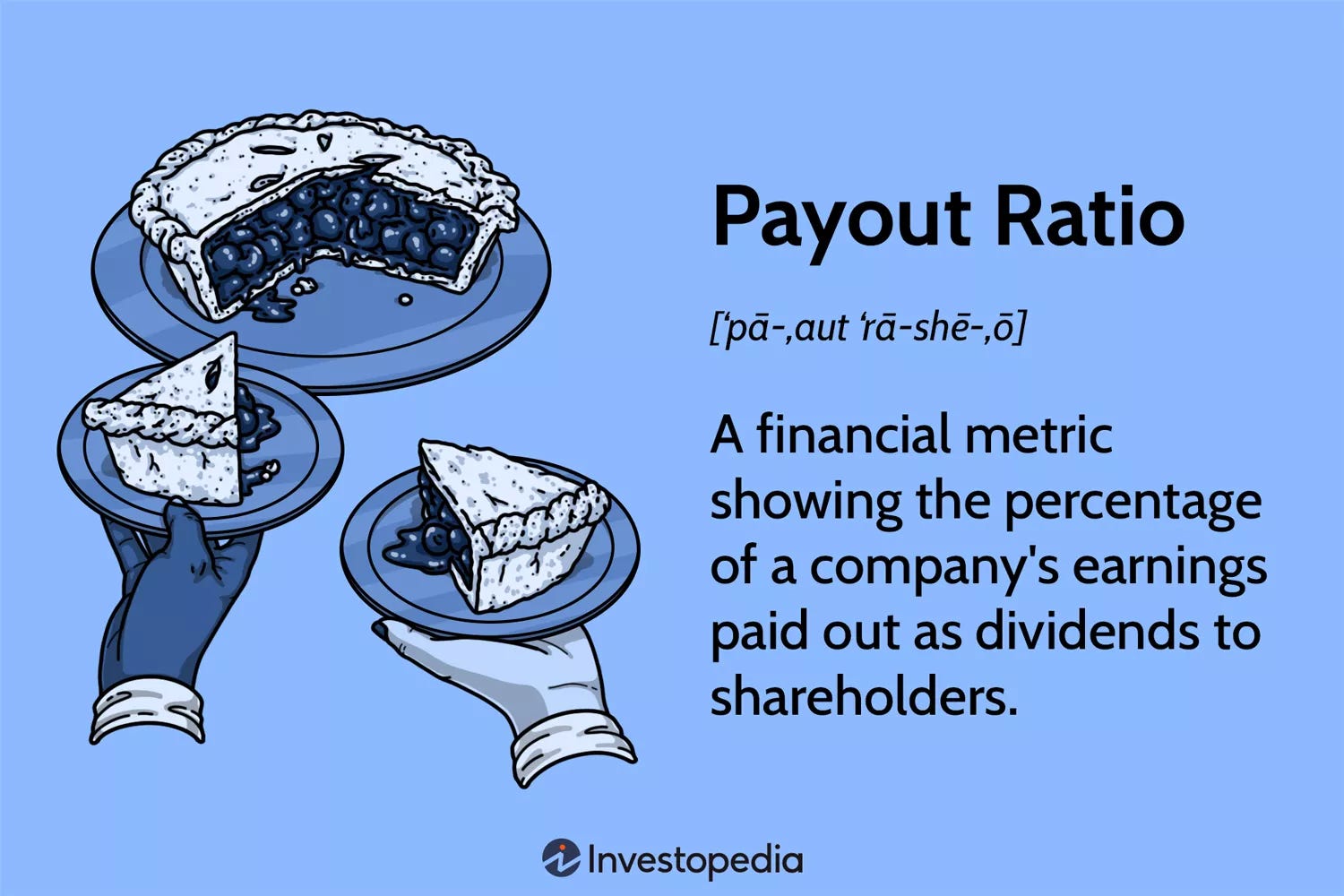
We want cold, hard cash deposited into our brokerage accounts every 90 days.
We buy boring businesses with an established track record of paying consistently growing their dividend year after year.
Conclusion
The AI capital cycle will eventually run its course.
The data centers will be built, the debt will be restructured, and the technology will move forward.
But the investors funding it at today’s valuations will likely pay the price.
As dividend investors, we don’t have to play this game at all.
We don’t need to guess when the passive index flows will reverse, or pray for a government bailout.
We don’t need to bet on what a company’s Total Addressable Market might look like in 2035.
We can just opt out.
By focusing on boring, essential businesses with wide moats and strong cash flows, we let the underlying economics do the heavy lifting.
We protect our capital, we avoid the passive index trap, and we sleep well at night getting paid in cold, hard cash.
Thanks for following along with this series.
I hope it helped clarify exactly where we are, and where we might be going next.
One Dividend At A Time
-TJ
Used sources
Interactive Brokers: Portfolio data and executing all transactions
Fiscal.ai: Financial data
Disclaimer
As a reader of Compounding Dividends, you agree with our disclaimer. You can read the full disclaimer here.
The last few days in the market are a glimpse of what things will look like when the Accelerated Computing cycle boom turns down. This week money moved to stocks like WM, BRKB, KMB, PG, ADP . The question is how far into the cycle are we? What will be the early indicators of the turn? (Perhaps GPU and CPU prices) . How long will it take newly emerging companies grow large enough to produce satisfactory returns on AI? For the internet boom, it took like 7 years for the new E-commerce and Online Ad industry to grow large enough to justify the investment.