

Going to Omaha for the Berkshire weekend is always a great learning experience.
It’s not just about the Berkshire meeting either, you get to hear from a lot of smart people.
One of them was Tom Gayner from Markel - let’s share what I learned from him in Omaha with you today!
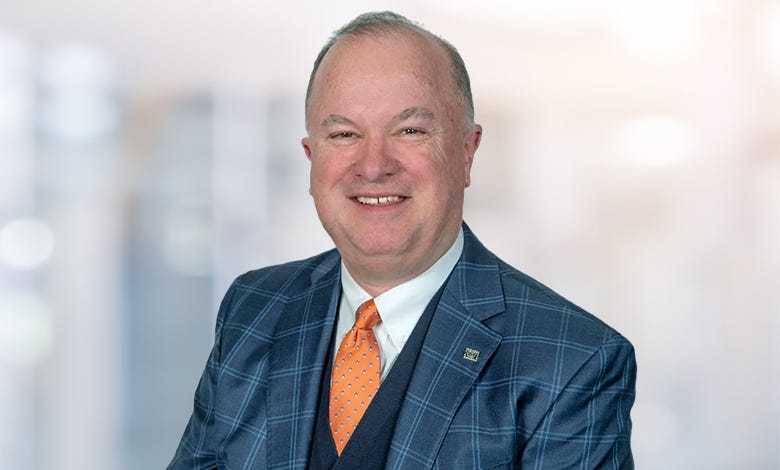
Who Is Tom Gayner
Tom Gayner is one of the most successful investors in the world you probably never heard of.
He is currently the CEO of Markel Group, a company often described as a mini Berkshire Hathaway.
Born in 1961, Gayner developed his interests in business, investing, and accounting at an early age.
He studied accounting at University of Virginia and became a Certified Public Accountant (CPA) before entering the investment world.
In 1990, he joined Markel to manage the company’s investment portfolio.
At the time, Markel was a relatively small specialty insurance company.
Over the following decades, Gayner helped transform it into a diversified conglomerate with insurance operations, public stock investments, and dozens of wholly owned businesses.
What makes Tom Gayner special is his long-term track record.
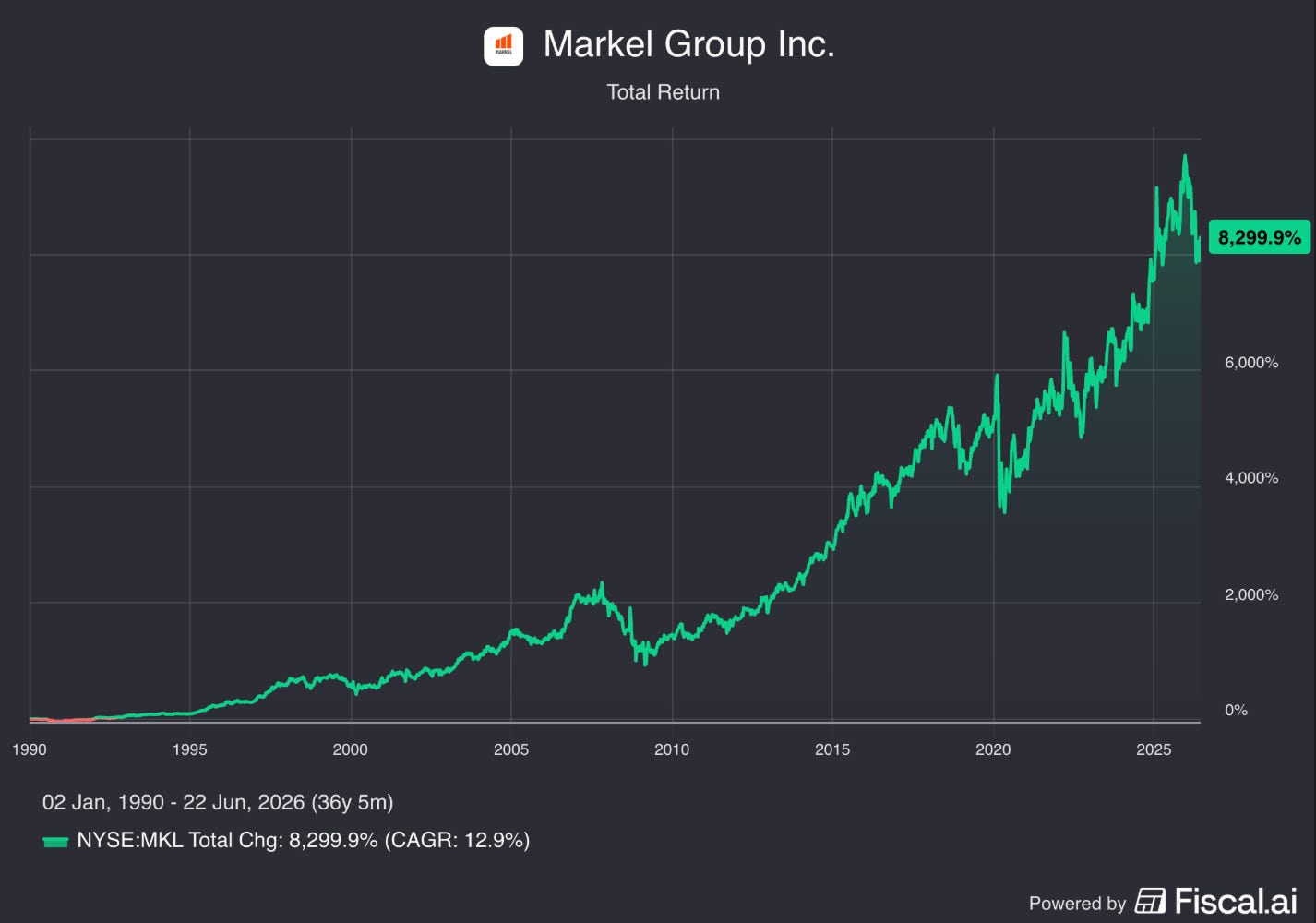
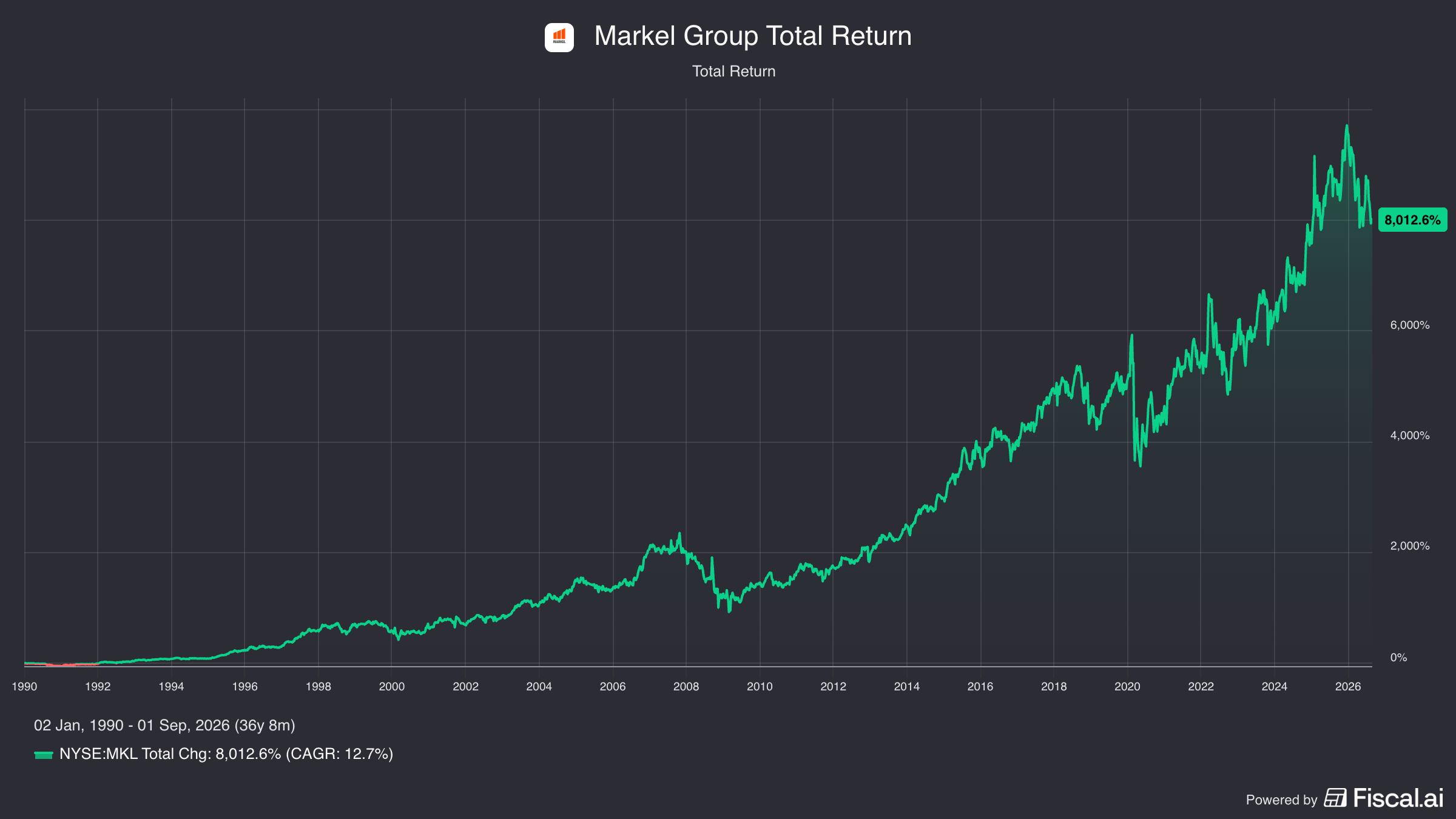
Since joining Markel, the company’s book value per share compounded at roughly 13% annually for more than 30 years.
Like Warren Buffett, Gayner believes investing is simple, but not easy.
He focuses on buying high-quality businesses, run by honest and capable managers, and holding investments for long periods of time.
Gayner spends his time studying businesses and thinking about capital allocation.
That focus is what has made Tom Gayner widely regarded as one of the greatest capital allocators of his generation.
What I Learned From Tom
I saw Tom Gayner speak at Gabelli’s Value Investing Conference on Friday in Omaha.

He’s very good at making things simple, and getting down to the most important things.
There were 3 things that really stuck out to me during his presentation:
How Markel thinks about allocating capital in their business
How Tom thinks about competition within capitalism
How Tom filters public companies for investing
Let’s dive into each of them!
How Markel thinks about allocating capital in their business
Here’s how Markel prioritizes capital allocation in their business:
Proven capital applicators: Markel want to give money to managers, companies, or divisions that have done well in the past
Interesting opportunities / expansions: They want to invest in interesting opportunities and areas they can expand in within their own business
Public stock / bonds: Only when there are good opportunities
Repurchase shares: if there’s nowhere else to put the capital and if the stock price is right
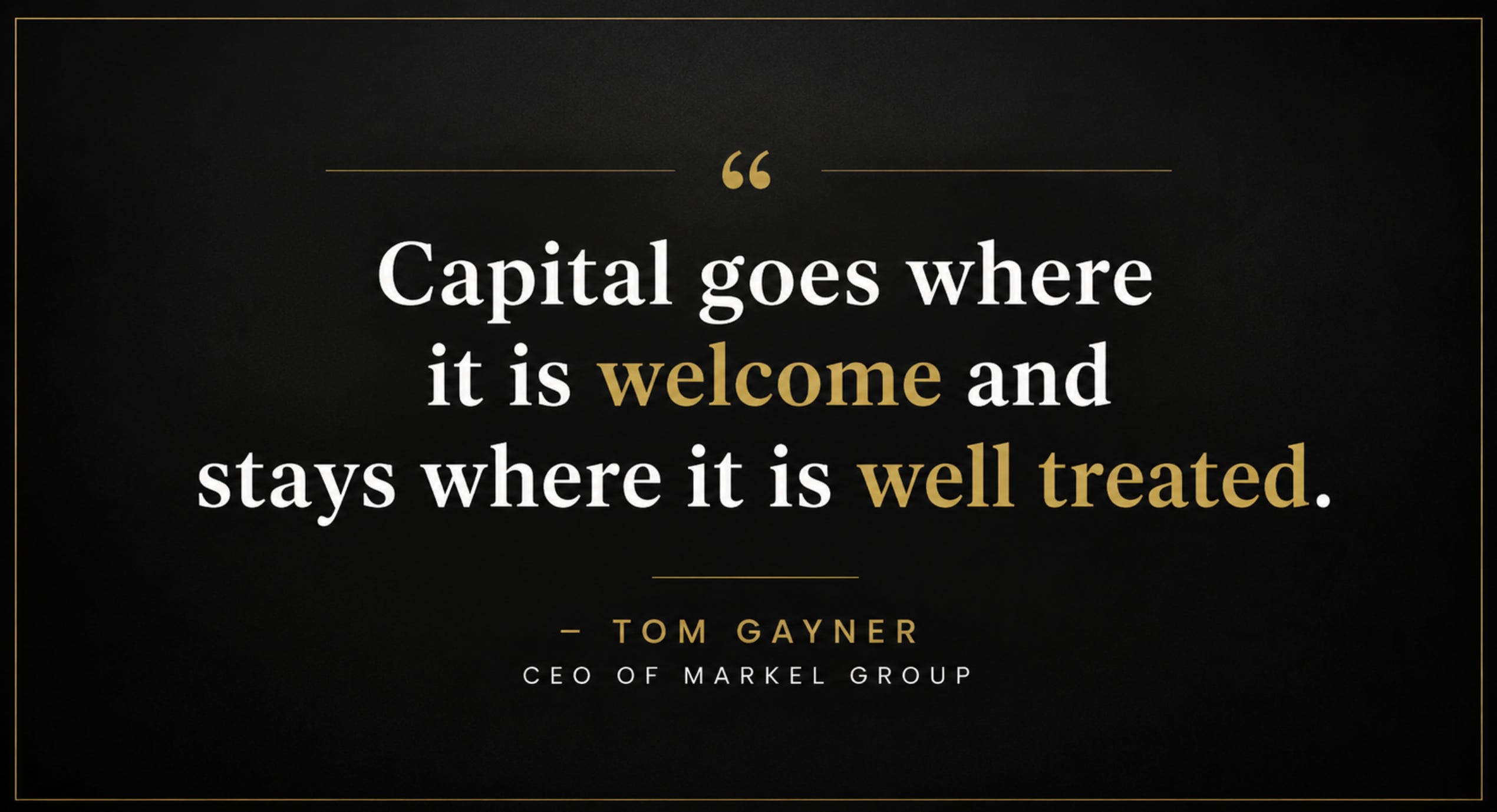
Gayner says there’s no religion or formula, the goal is to put capital where it’s treated best.
How Tom thinks about competition within capitalism
He says it’s similar to Darwin’s idea of evolution and survival.
Businesses are under constant threat and competition, they can either adapt, migrate, or die.
Let’s understand these through some examples:
1. Adapt
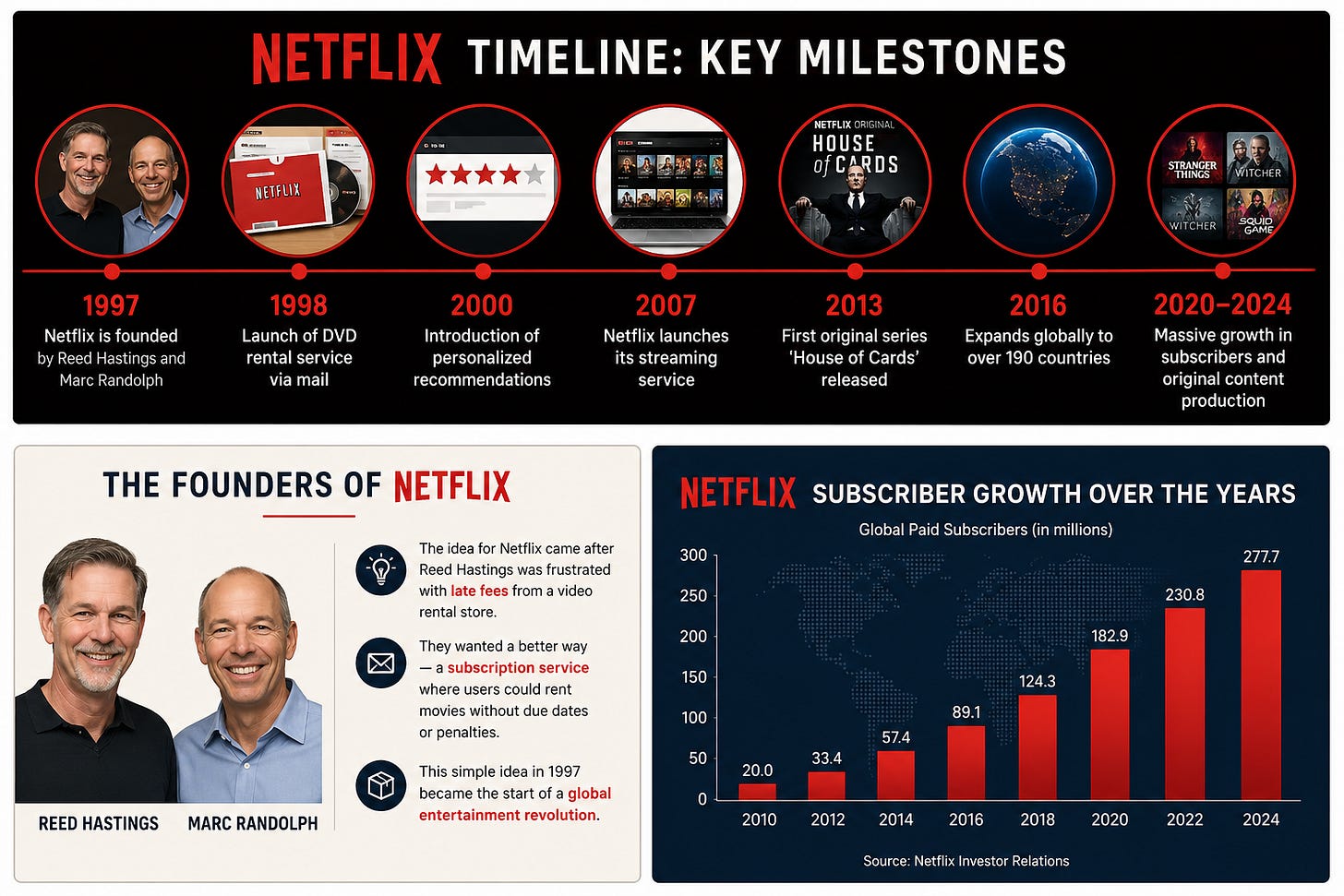
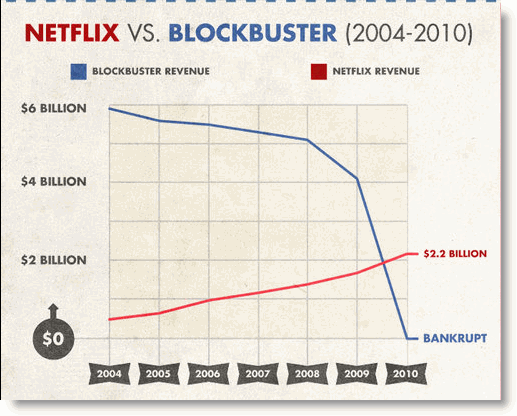
Example: Netflix
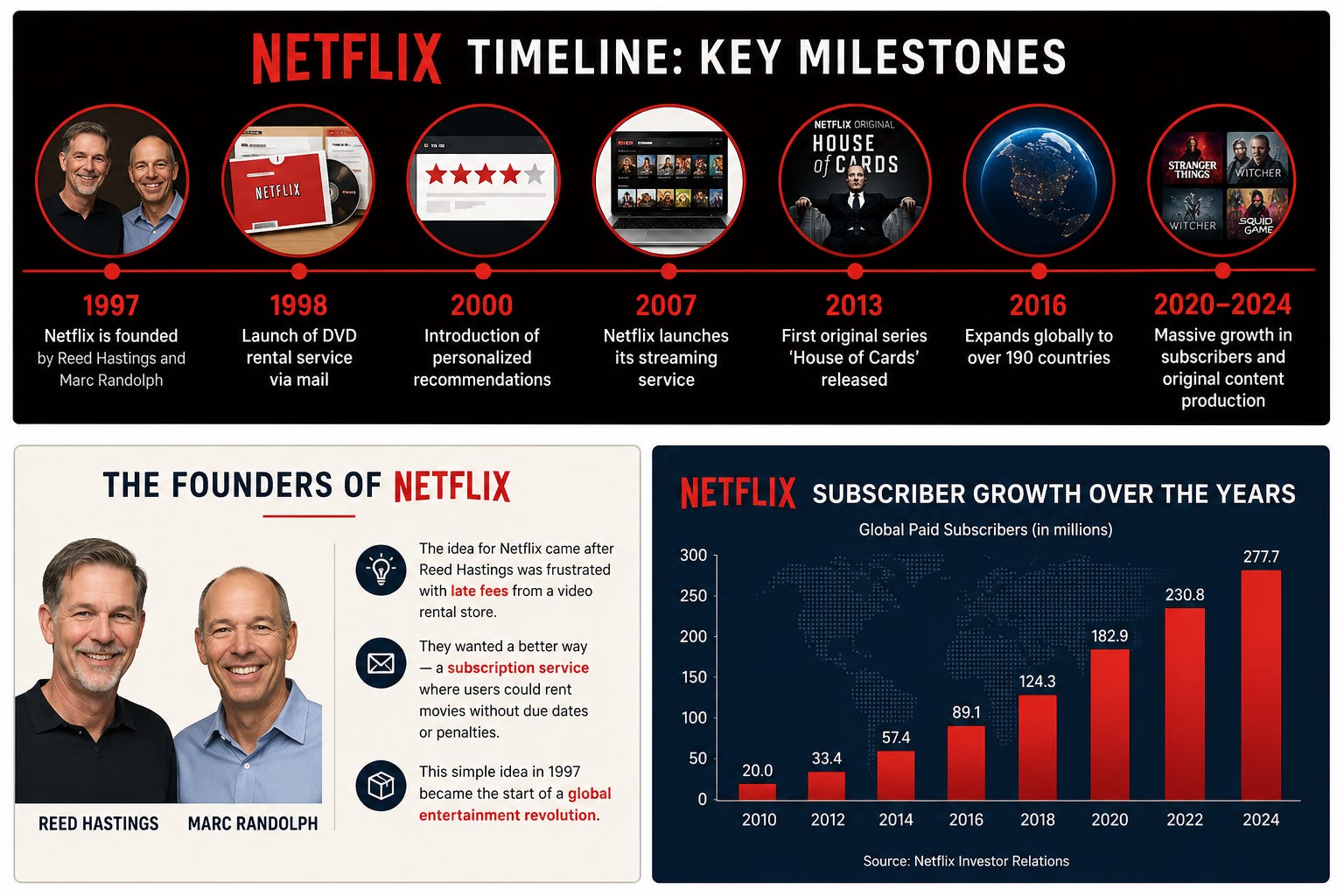
Netflix originally mailed DVDs to customers’ homes, which was a much more convenient alternative to visiting a video rental store
As internet speeds improved, management saw that streaming would eventually replace physical media and began investing heavily in the technology long before it became mainstream
The company later adapted again by producing its own content, transforming itself from a distributor of entertainment into one of the world’s largest entertainment creators
2. Migrate
Example: Berkshire Hathaway
Berkshire Hathaway started life as a textile company, operating in an industry that was becoming increasingly uncompetitive
Warren Buffett recognized that the textile business had limited prospects and began using the cash generated by the company to invest elsewhere
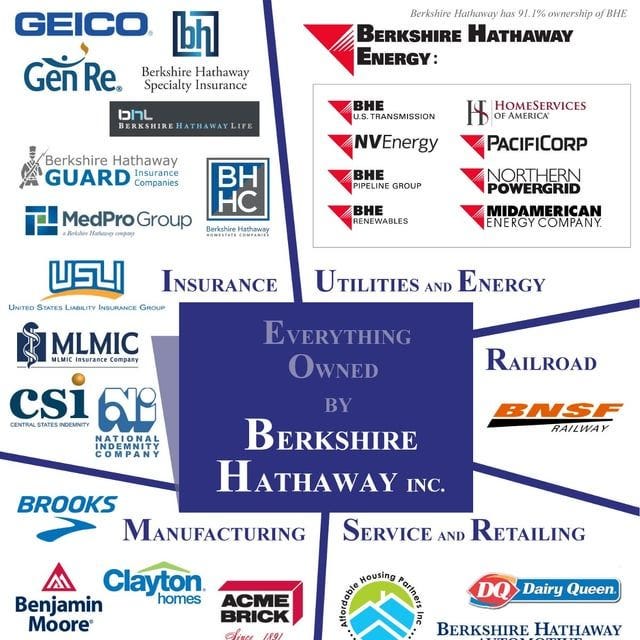
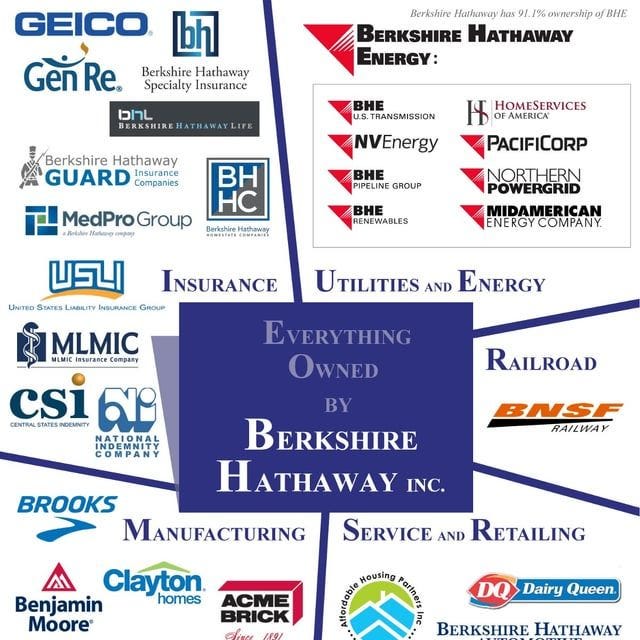
Over time, Berkshire migrated from textiles into insurance, railroads, energy, consumer businesses, and dozens of other industries, becoming one of the most valuable companies in the world
3. Die
Example: Blockbuster
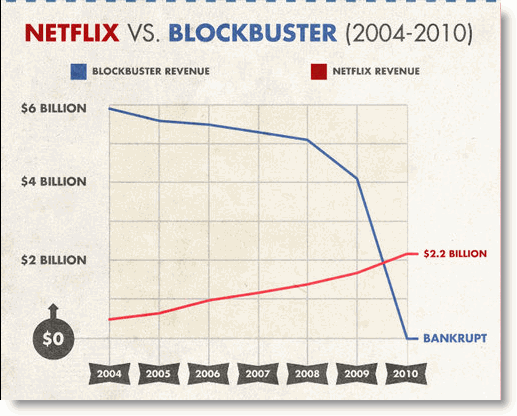
At its peak, Blockbuster was the king of movie rentals, with thousands of stores and a brand that seemed impossible to challenge
The company underestimated how quickly consumers would embrace online rentals and streaming, choosing to protect its existing business instead of reinventing it
As customers moved to more convenient options like Netflix, Blockbuster’s business slowly unraveled until it eventually filed for bankruptcy
How Tom Gayner filters public stocks
Tom goes through four steps in order to find good companies to invest in
Profitable, good return on capital, without too much debt
Management with equal talent and integrity
Business needs to have reinvestment opportunities or capital return to shareholders
Buy it at a reasonable price
Let’s understand it through one of Markel’s portfolio investment companies:
Example: Berkshire Hathaway
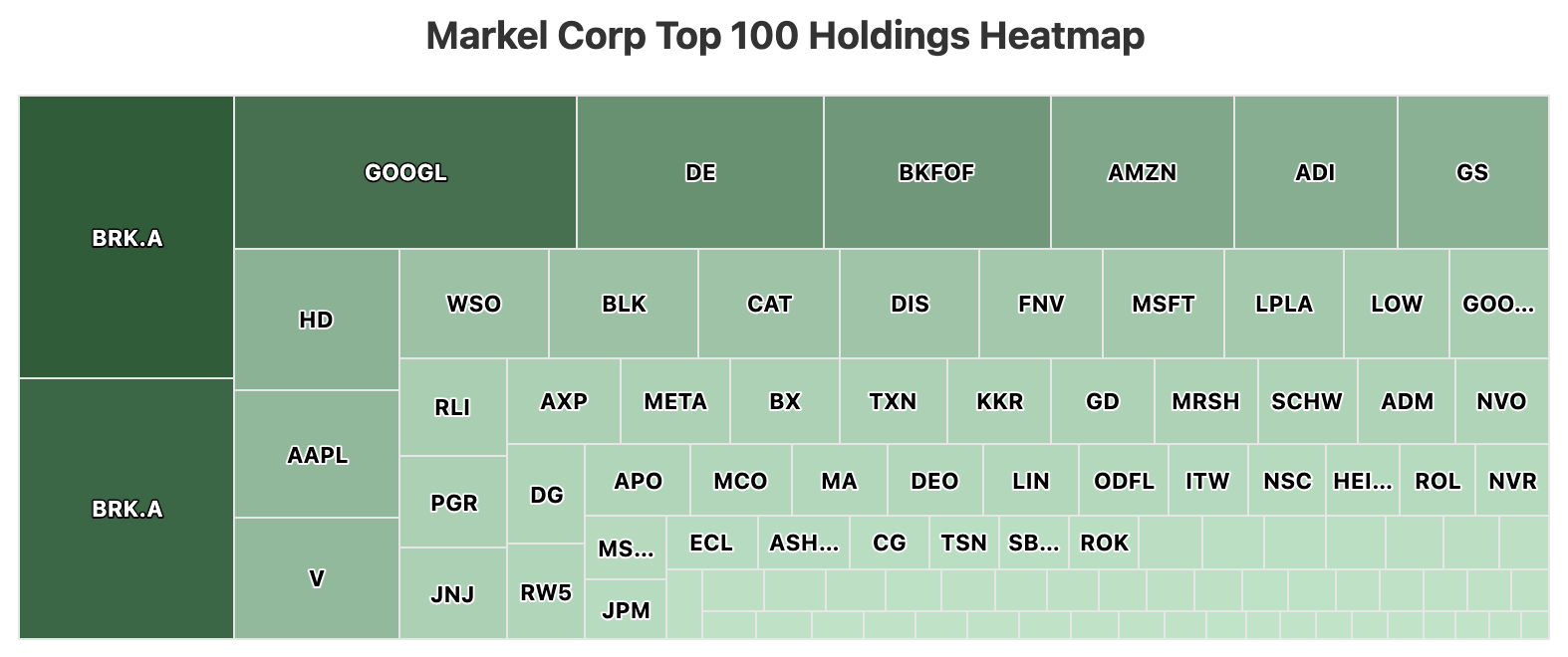
One of Markel’s biggest position is Berkshire Hathaway.
Let’s take a look at this stock through Gayner’s lens:
Good business
Berkshire owns a collection of highly profitable businesses across insurance, railroads, energy, industrials, and consumer products
Many of these businesses have durable competitive advantages and generate strong returns on capital
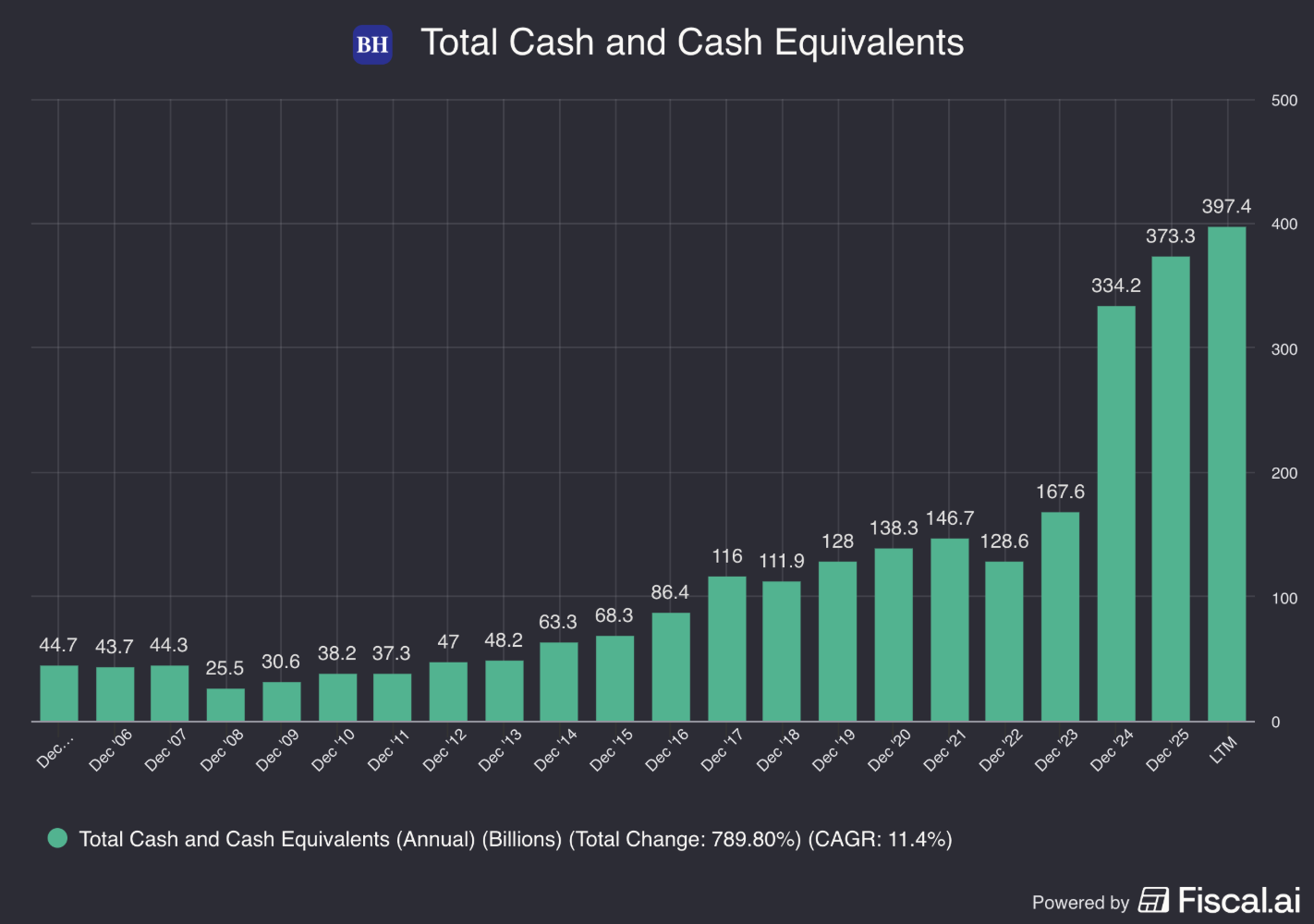
The company maintains a conservative balance sheet and a lot of cash
Great management
It's hard to ask for a better steward of capital than Warren Buffett, and now Greg Abel
Management has consistently treated shareholders as partners and communicated with unusual honesty
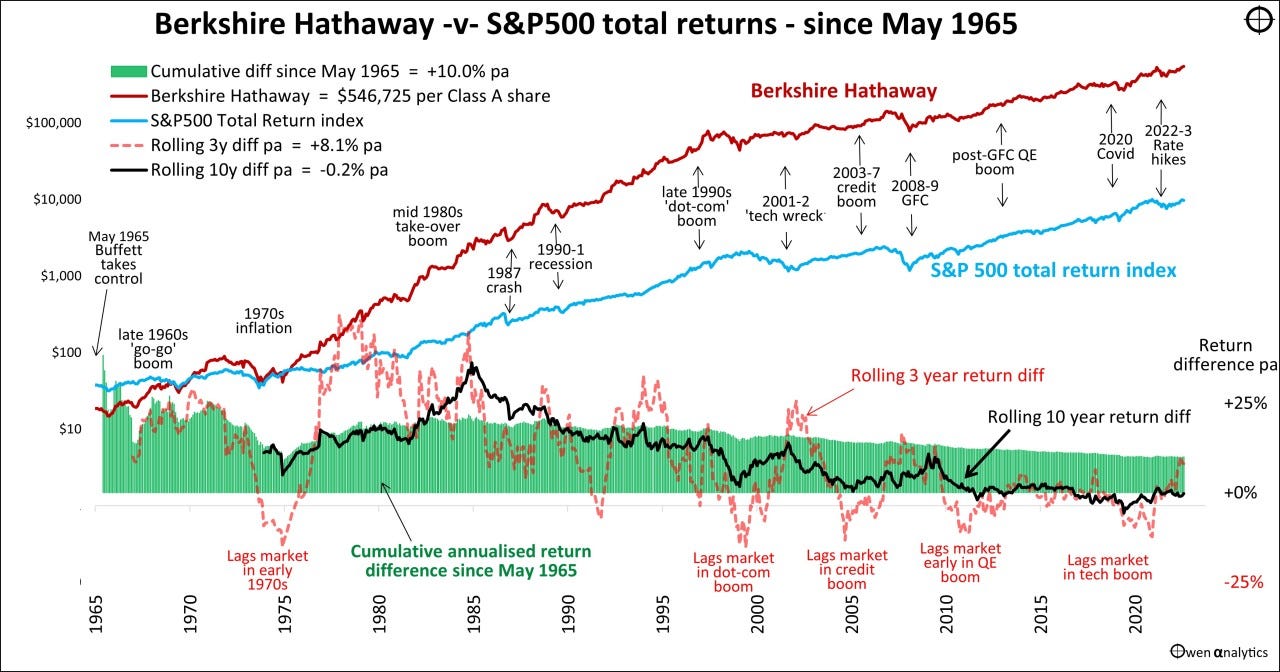
Their decisions have compounded shareholder wealth for decades
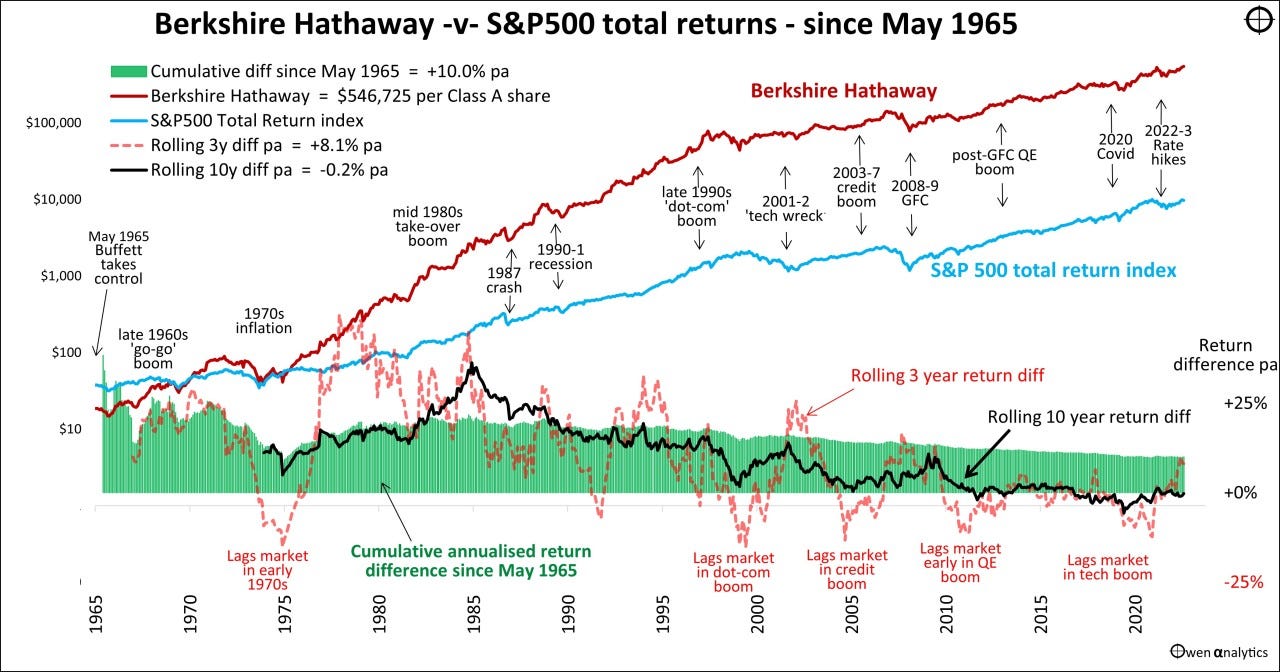
Strong capital allocation opportunities
Berkshire generates enormous amounts of cash every year
That cash can be reinvested into acquisitions, existing subsidiaries, public equities, or share repurchases
Few companies have as many high-quality options for deploying capital
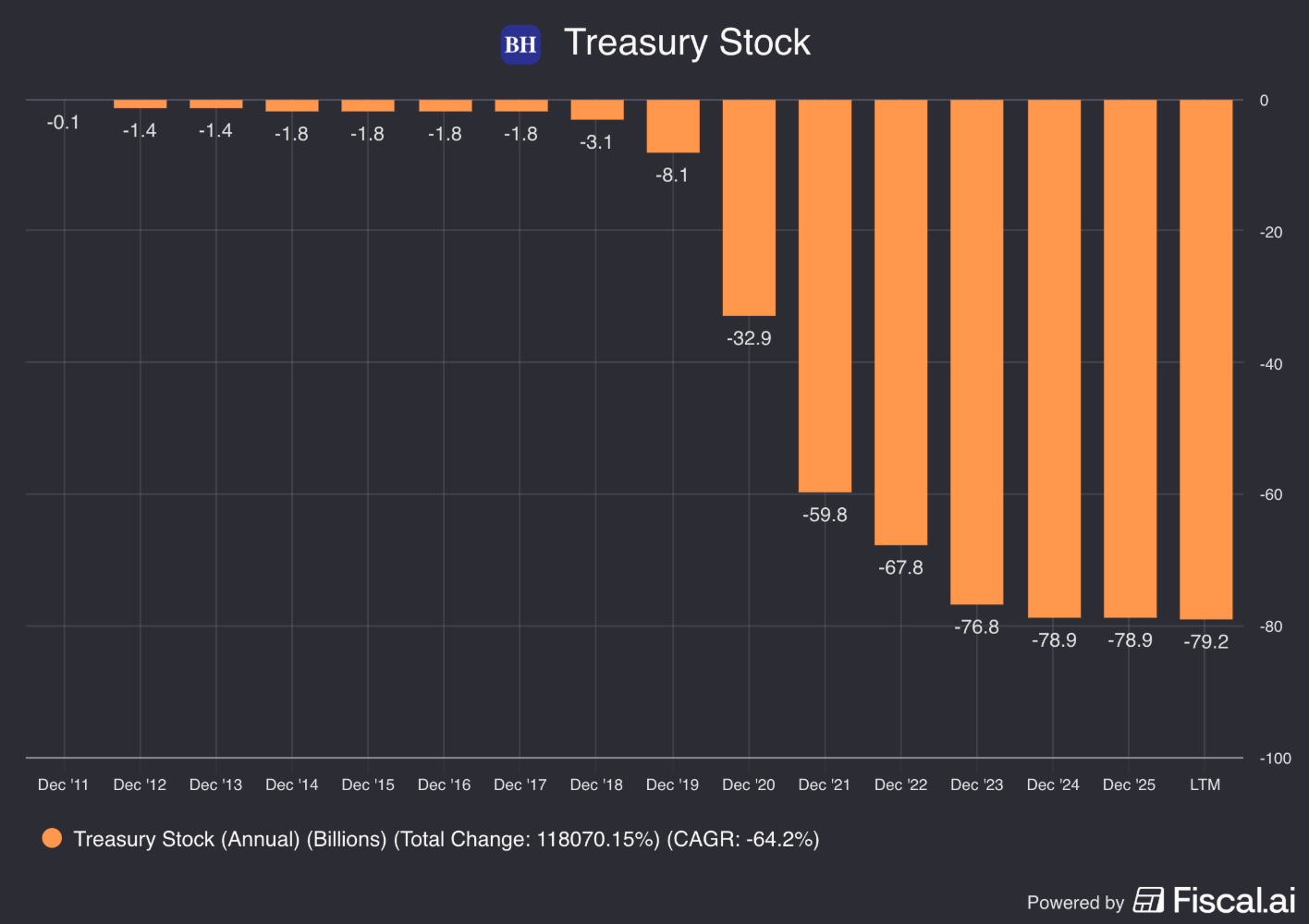
Reasonable valuation
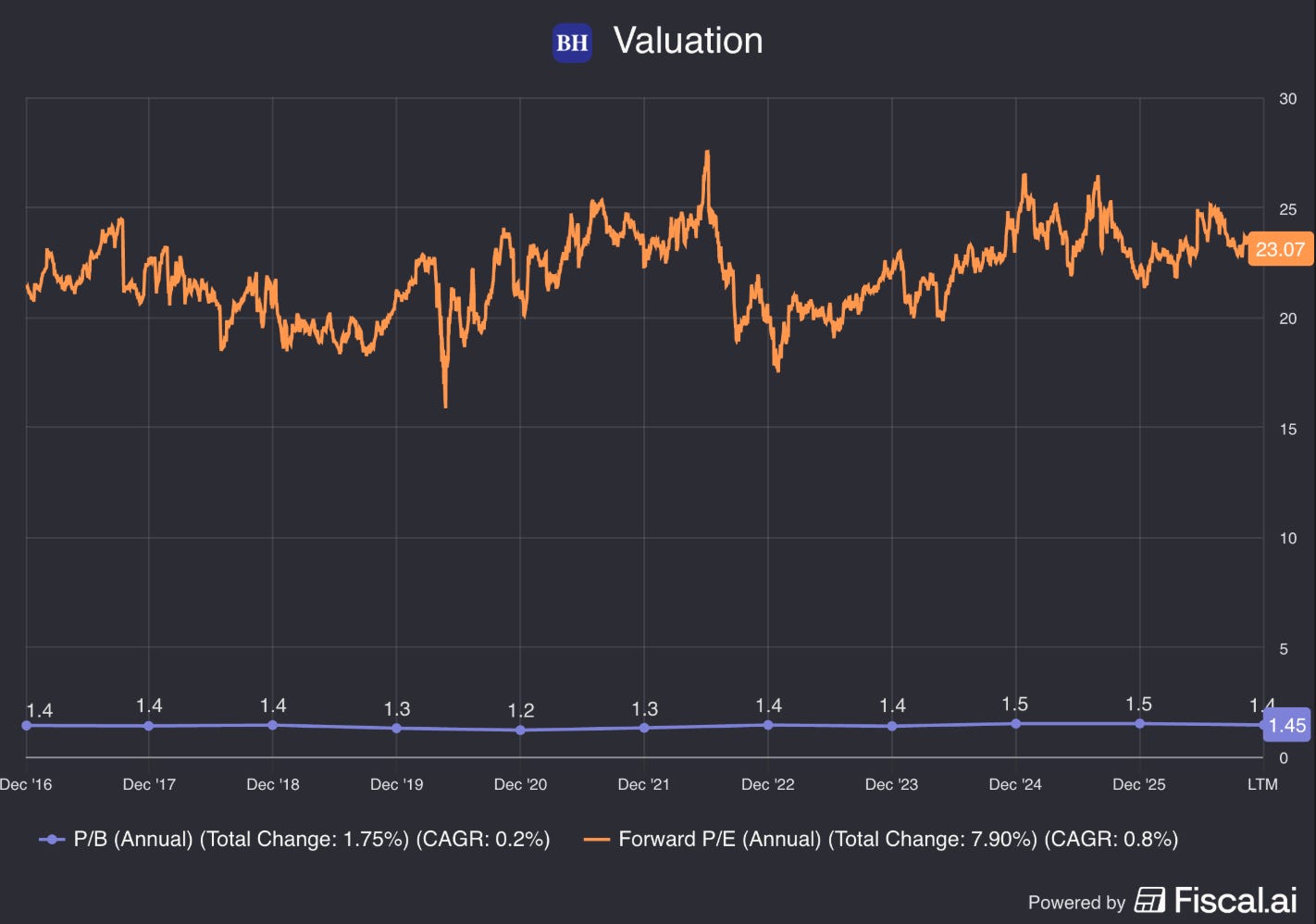
Berkshire has often traded at a modest premium to book value despite owning a collection of exceptional businesses
Investors are effectively buying a diversified portfolio of quality assets managed by proven capital allocators
While not always cheap, the stock has frequently been available at prices that offered attractive long-term returns
Conclusion
A few lessons from Tom’s talk really stuck with me:
Investing doesn’t have to be complicated. It’s about finding good businesses, run by good people, and buying them at a fair price
Capital allocation matters more than most people realize. Over time, where a company puts its cash can have a huge impact on shareholder returns
No business gets to stand still. The best companies keep adapting as the world changes around them
Character matters. Tom repeatedly emphasized the importance of partnering with managers who have both talent and integrity
The biggest winners often come from thinking in decades instead of quarters
What I like about Tom is that he focuses on a handful of simple ideas and applies them consistently over long periods of time.
Judging by Markel’s results, that’s worked out pretty well.
That’s it for today.
One Dividend At A Time
-TJ
P.S.
Earlier in this issue, I walked you through Tom Gayner’s 4-part checklist for finding great stocks.
Well, I’ve spent the last few weeks running the numbers on a company that checks every single one of those boxes.
It’s a highly profitable cash machine. The management team are master capital allocators. And despite dominating its industry, the stock is trading at a completely reasonable valuation.
I’m putting the final touches on a deep-dive research report breaking down exactly why I’m so bullish on this business. When the report goes live, I’m also going to offer a limited-time discount to celebrate the launch.
Want to make sure you’re the first to get it?
Your Immediate Bonus:
You don’t have to wait until the report drops to get started.
When you add your name to the VIP list today, I will instantly send you my Capital Allocator’s Scorecard.
I took Tom Gayner’s exact 4-part framework and turned it into a simple, printable checklist. You can use it right now, today, to grade every single stock currently sitting in your portfolio to see if they make the cut.
Used sources
Interactive Brokers: Portfolio data and executing all transactions
Fiscal.ai: Financial data
Disclaimer
As a reader of Compounding Dividends, you agree with our disclaimer. You can read the full disclaimer here.