

Welcome to the final part of our series on the passive market distortion.
Over the last two parts (Part 1, Part 2), we unpacked how passive index funds now control the market, and the demographics of the U.S. retirement system that are setting up a future where forced selling could drive prices down dramatically.
It sounds scary for an investor.
But as you’re about to see, this structural nightmare for Wall Street could be a great opportunity for us.

How to Survive
At this point, the U.S. stock market is the U.S. retirement system in a way that it wasn’t in 2000 or even 2008.
So there is a reasonable argument that says the government can’t afford to allow another massive crash or lost decade.
But I prefer not to count on that.
Terry Smith still seems to think that the best defense is to own good businesses that you didn’t overpay for.
We are particularly mindful of the motor racing maxim, frequently attributed to legends like Rick Mears or Charles Jarrott, relating to the Indianapolis 500 Race, that ‘In order to finish first, you must first finish’
.This emphasizes that endurance and reliability are just as crucial as speed in the 500-mile race. You might say (and we would indeed say) that is exactly what we are trying to do by focusing on investing in companies with good fundamental business and financial characteristics and at least reasonable valuations or better.
I tend to agree with him, but I’ll take it one step further and make the argument that at least some portion of your return should not depend on the market at all, and should instead depend on the business.
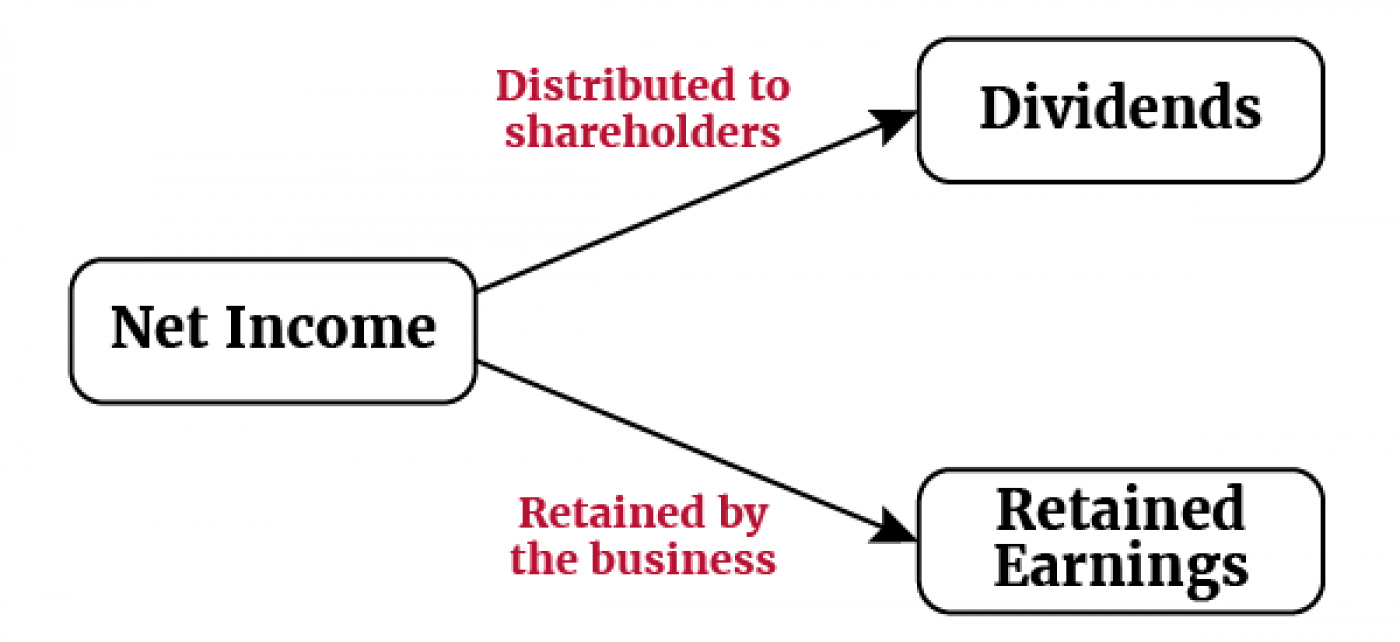
This way, the price of the business can go down, but cash keeps coming in to your account.
Market Outcomes vs. Business Outcomes
The passive indexing loops, momentum-driven algorithmic trading, and the inelasticity of the market we just looked at are all market problems.
They dictate the day-to-day price of a stock, but stock prices are a market outcome.
Remember that the best way to buy a stock is the same way you’d buy a local business.
You don’t buy a local pizza shop or hardware store hoping to flip it to someone else next week or next year.

You pay a price based on the cash that you’ll be able to take out of the business over time.
By getting at least a portion of your return from business outcomes, meaning dividends, you can protect yourself from some of this irrationality.
Dividends are paid out of a company’s free cash flow.
They are driven by the sale of actual products and services to actual customers.
They don’t care if a Vanguard Target Date Fund happened to take in a billion dollars last month.
Your Account Balance
When you rely on selling shares to fund your retirement, you are entirely at the mercy of the market outcome.
But if your portfolio generates enough dividend income to cover your living expenses, your account balance becomes largely irrelevant.
It doesn’t matter if your brokerage app says your portfolio is down 20% this year.
When your dividends are enough, you can just sit back and enjoy your cash flow.
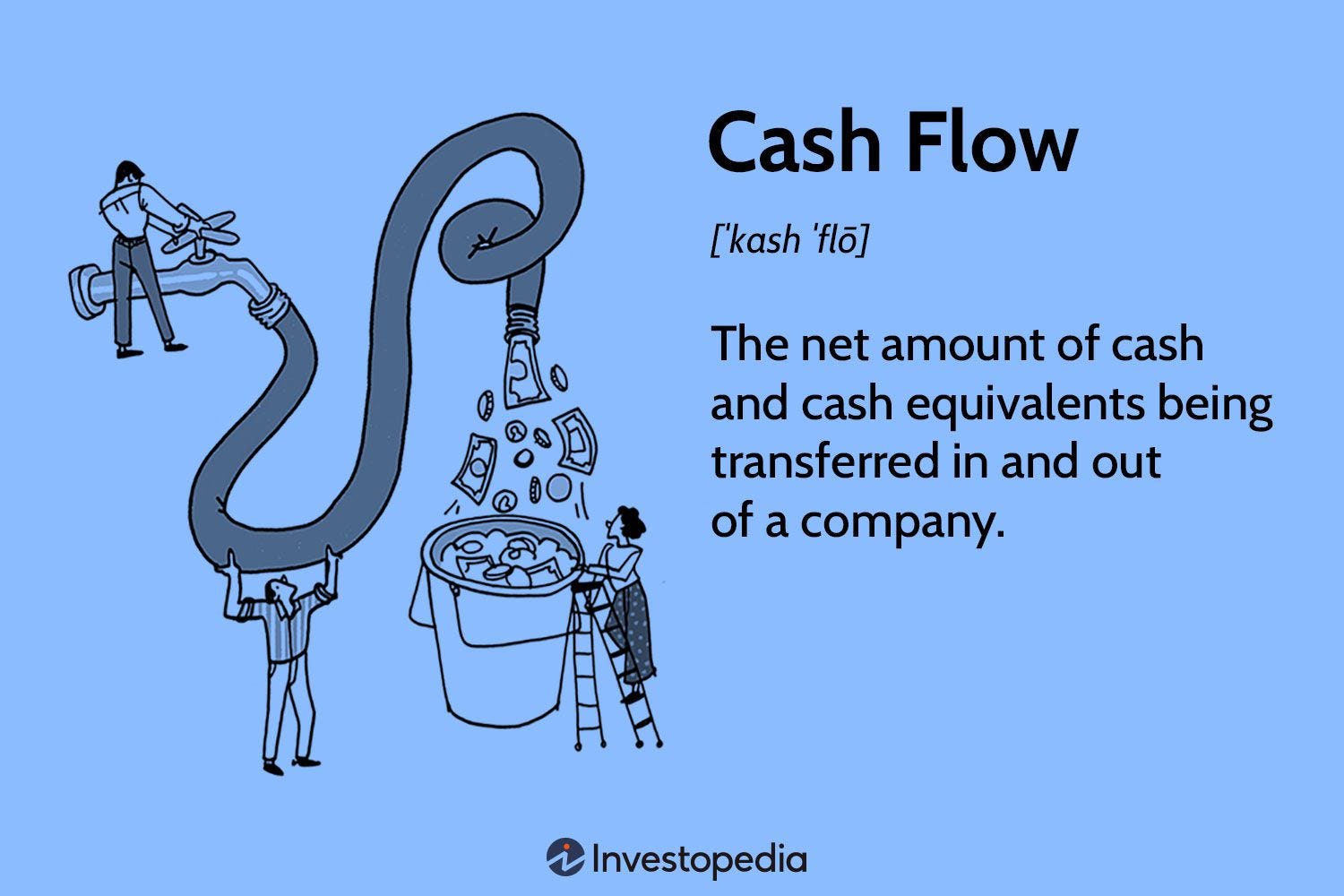
You don’t have to worry about what the market says your business is worth today, or what others might pay for it in 5 or 10 years.
Always watch the business, not the stock.
As long as the business is doing well, ignore the stock price, unless you’re planning on buying or selling.
The Ultimate Advantage
Which brings us back to Terry Smith.
Why is one of the world’s greatest quality investors suddenly factoring momentum into his trades?

Because he has to.
Smith runs an open-ended fund.
When his investors get spooked by five years of underperformance and pull their capital to chase the latest trend, Smith is forced to sell his underlying holdings.
He didn’t change his strategy because he suddenly believes momentum is a superior long-term philosophy.
He changed it because if he didn’t, the fund would bleed capital until it closed.
We have a massive advantage over Terry Smith and Wall Street: we don’t have clients.
As individual investors, nobody is forcing us to liquidate our portfolios.
We don’t face redemption requests.
We can sit through volatility because our time horizon isn’t dictated by institutional capital.
Our ultimate advantage is the ability to be patient.
Defining Risk
If you let the market dictate your mood, the inelasticity and momentum loops we talked about are terrifying.
They can create immense price volatility.
Wall Street and the standard academic models define this volatility as “risk.”
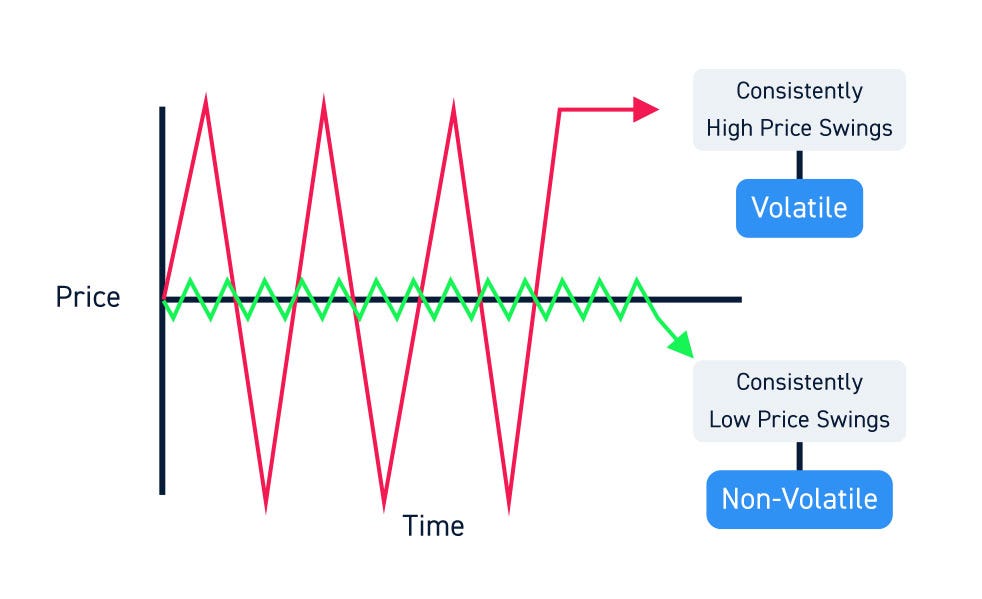
But true risk isn’t price changes, it’s the permanent loss of capital.
For dividend investors like us, the main thing we need to worry about is the safety and predictability of the underlying cash flows.
As long as the business continues to generate cash and pay its dividend, the day-to-day stock price doesn’t matter.
Reinvestment
In fact, dropping stock prices can be a big benefit.
If forced selling from Target Date Funds or RMDs forces the price of a great business. down, it automatically drives the dividend yield up.
Lower stock prices are GOOD for you as an investor.
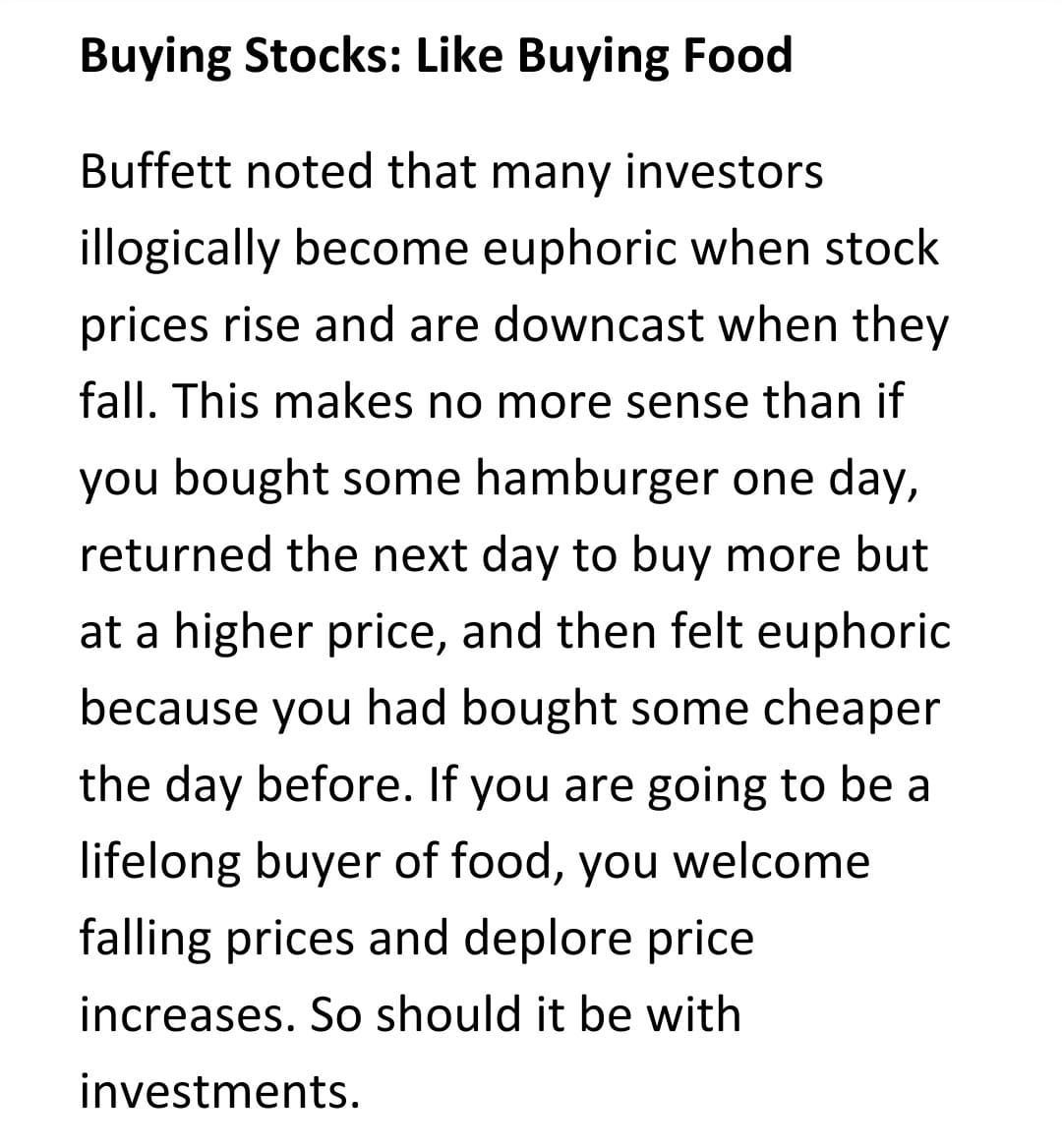
Declining stock prices are the best thing that can happen to you as a net buyer.
If you’re still in the reinvestment phase, you get to buy even more shares of those great businesses at a discount.
Reinvesting your dividends at low prices helps you build your cash machine even faster.
You get to turn the market’s momentum problem into your long-term advantage.
Conclusion
Over the past three articles, we covered a lot of ground.
Here is the short summary:
The Market is Broken: Passive indexing and momentum trading now control the majority of trading, which drives prices
U.S. Retirement Accounts Could Be A Time Bomb: The U.S. retirement system could eventually force massive selling, and with declining capital with active managers, there’s not going to be anyone to buy, driving severe volatility
Wall Street Has to Keep Up: Institutional managers (like Terry Smith) are forced to abandon their strategies and play along to survive
For Wall Street, this is terrifying. For us, it’s an opportunity.
As individual dividend investors, we play a completely different game:
We don’t have clients: Nobody forces us to sell. We have the ability to be more patient than professional fund managers.
Business > Market: We can focus on the free cash flow a business generates, not the daily stock price.
Low Prices Mean Highr Yields: When irrational markets drive stock prices down, dividend yields go up. Reinvesting our dividends lets us buy more shares at huge discounts.
Let the momentum traders chase the next shiny object.
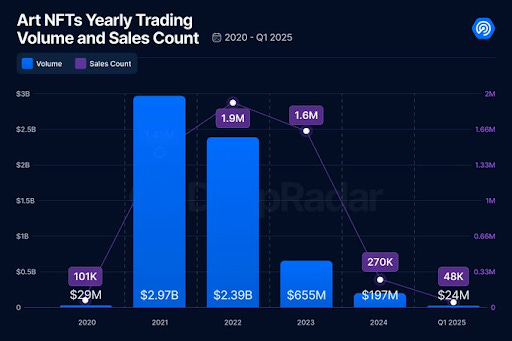
Recently it’s been NFTs, until they collapsed in 2023.
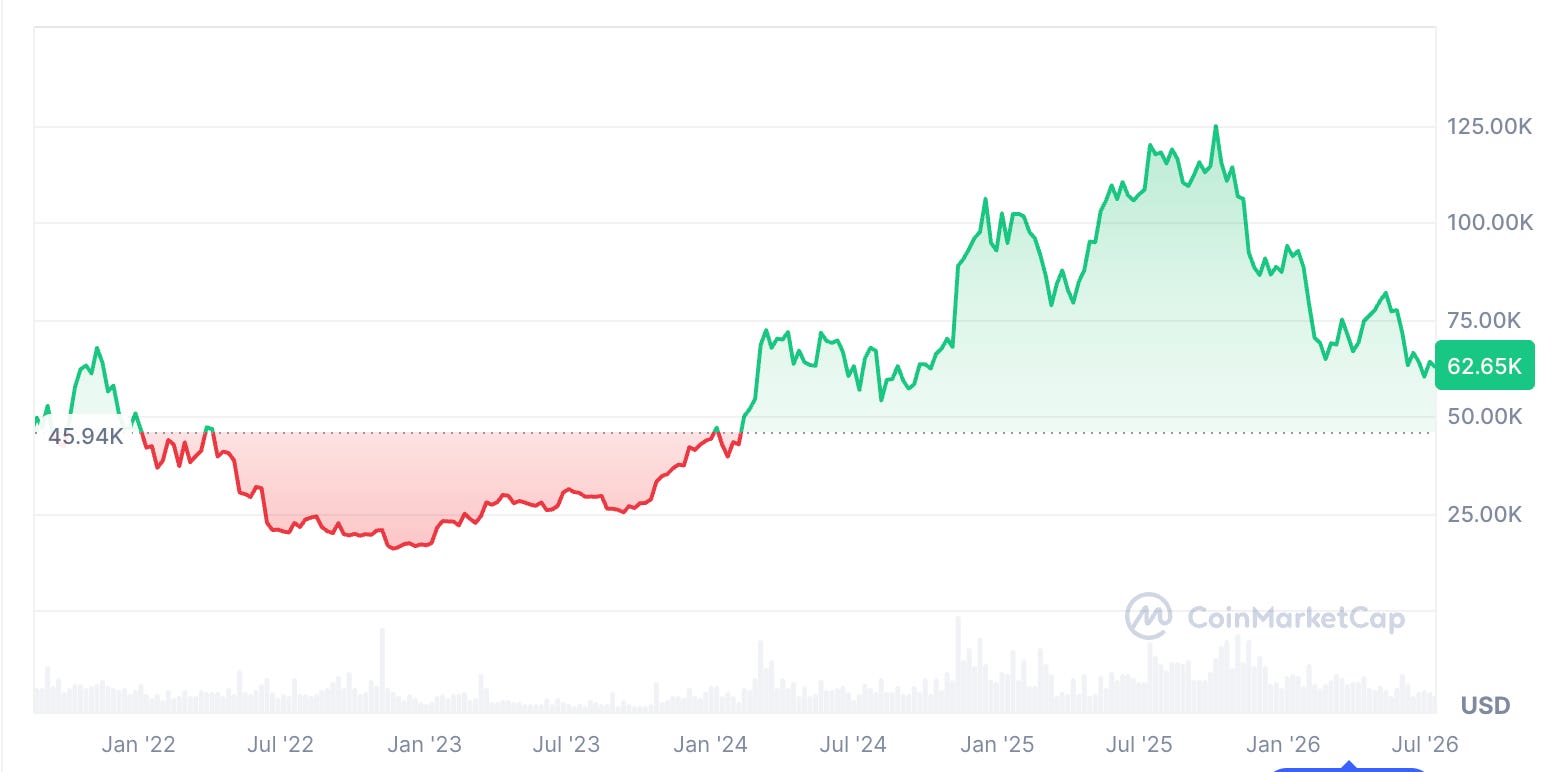
Then Bitcoin got hot, and came back down.
That got replaced with AI, and now semiconductors are the hot trade.
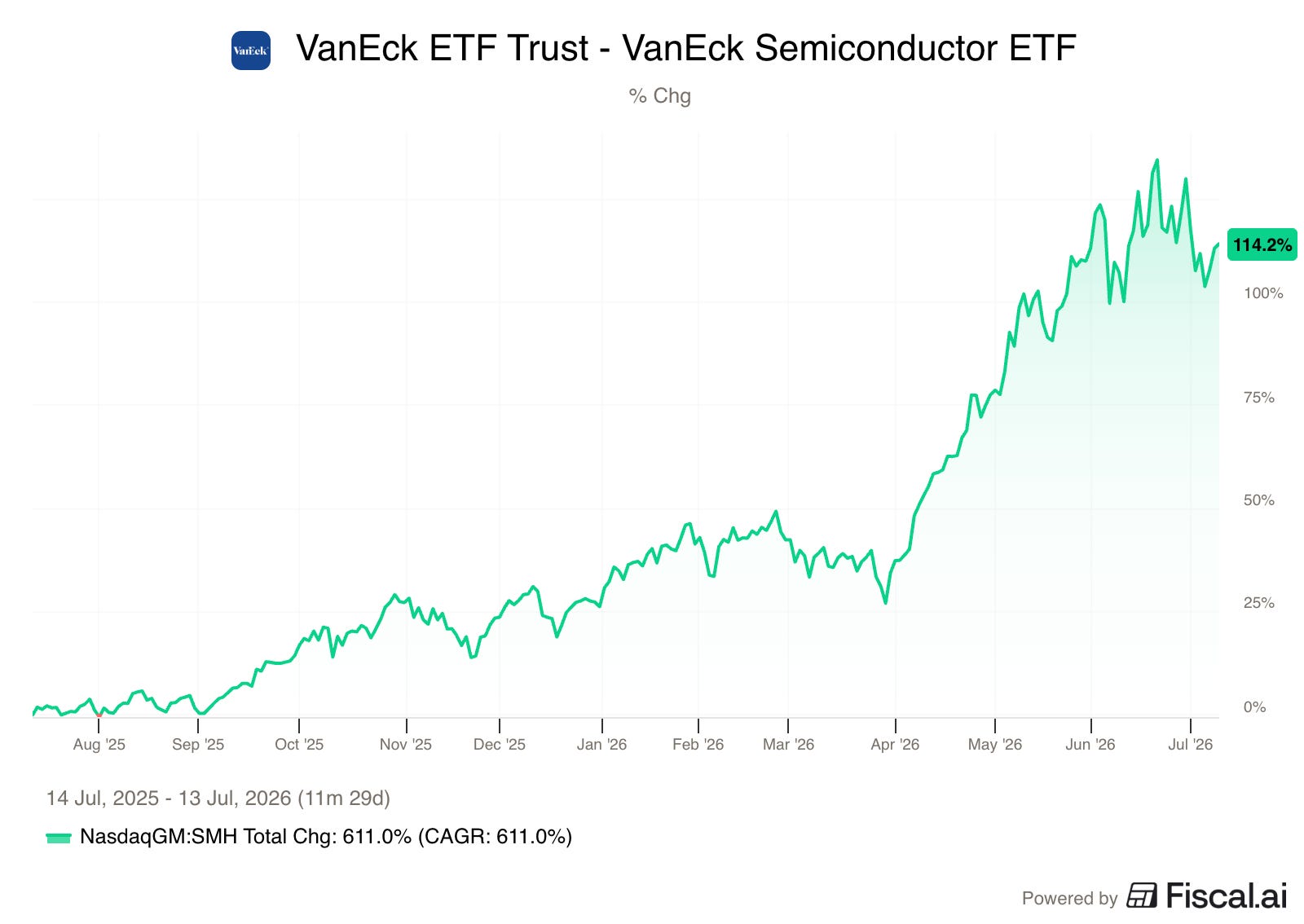
Remember that momentum works in both directions.
Anything that can go up quickly, can come down the same way.
We will stick to buying wonderful companies, reinvesting our dividends, and letting compounding do the heavy lifting.
Want to protect your portfolio from the market’s madness?
Stop relying on unpredictable stock prices.
It’s time to focus on business outcomes, predictable cash flow, and financial peace of mind.
Join Compounding Dividends today and start building a portfolio that pays you regardless of what the market does.
When you become a Partner, you getL
Full transparency into our real-money portfolio
Deep-dive investment cases
Access to the Community
I believe in this approach so much that I’m willing to give you $150 off your first year.
One Dividend At A Time,
-TJ
Used sources
Interactive Brokers: Portfolio data and executing all transactions
Fiscal.ai: Financial data
Disclaimer
As a reader of Compounding Dividends, you agree with our disclaimer. You can read the full disclaimer here.
Very nice series TJ. Being an absolute return investor who doesn’t need to worry about benchmarks is very liberating. I actually have a tab in my spreadsheet where I calculate the look-through share of the free cash flows for each of my holdings as well as the dividends. Among many things, it helps me stay focused on where the dividends will be coming from, especially important for a holding like BRKB that pays no dividend but builds its dividend paying capacity every year.
Love this framing. Market outcomes and business outcomes are two different games, and most investors only watch the first one. Dividends come from products sold to real customers, so they keep landing in your account no matter what a Target Date Fund did last month. Watch the business, full stop.