

If you need income now, high yield stocks are the way to go.
But if you don’t need the income today, dividend growers can give you a lot more cash in the future.
Today we’re going to look at the earnings updates of 3 stocks with secular tailwinds that should be able to keep growing their dividends for a long time.
First, let’s look at an example of why dividend growth can be so powerful.
If you invested $10,000 into Lowe’s ($LOW) and Verizon ($VZ) in August of 2016, here’s what that would have bought you:
Lowe’s (LOW): 122.37 shares (at $81.72)
Verizon (VZ): 186.39 shares (at $53.65)
The dividends would have looked like this:
Lowe’s (LOW): $1.26 (1.54% yield)
Yearly income: $154.19
Verizon (VZ): $2.27 (4.23% yield)
Yearly income: $423.10
Over the next 10 years, Lowe’s dividend grew 7.5x (!) faster than Verizon’s.
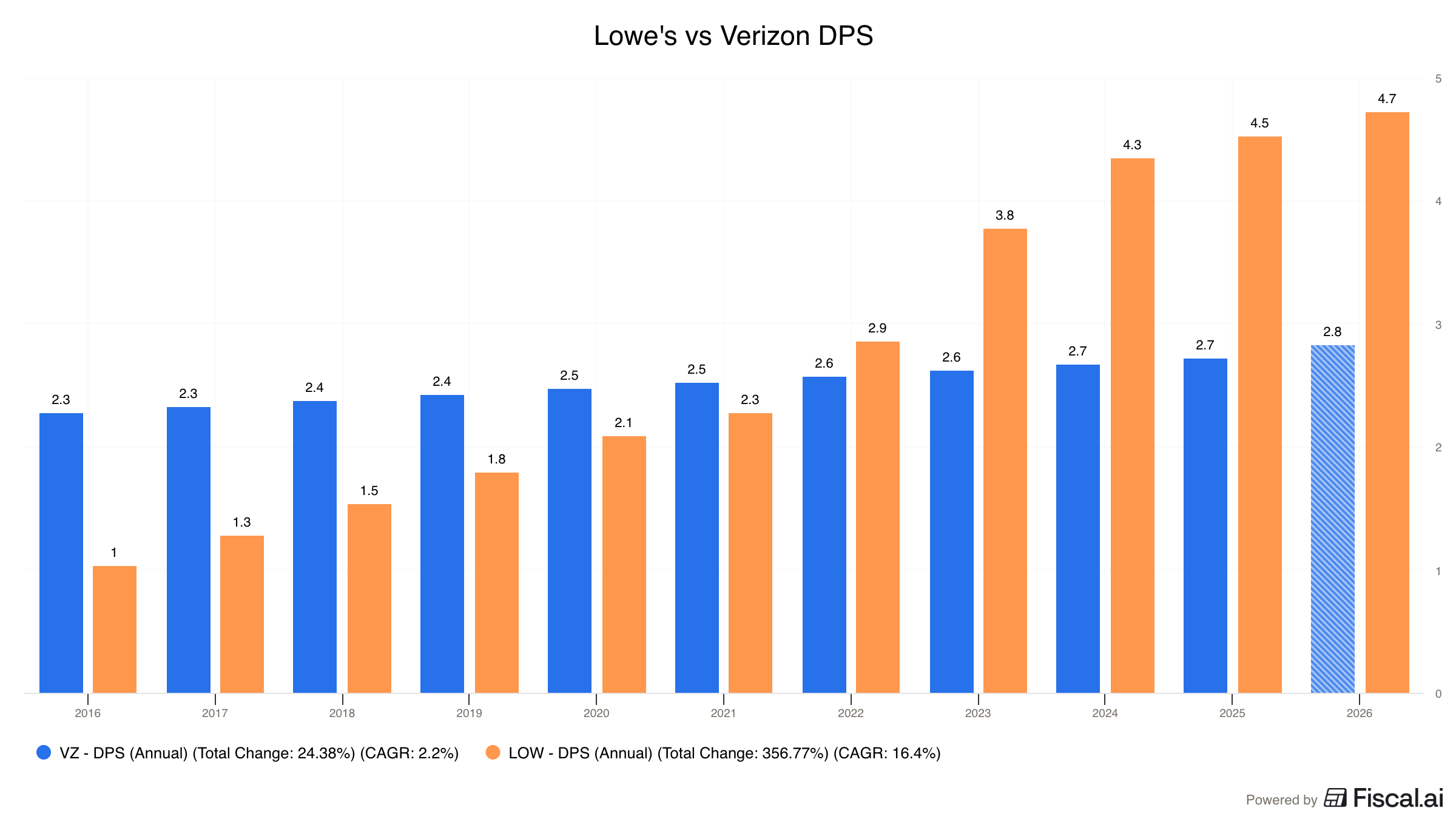
So if you just bought and held, here’s how your income would have grown:
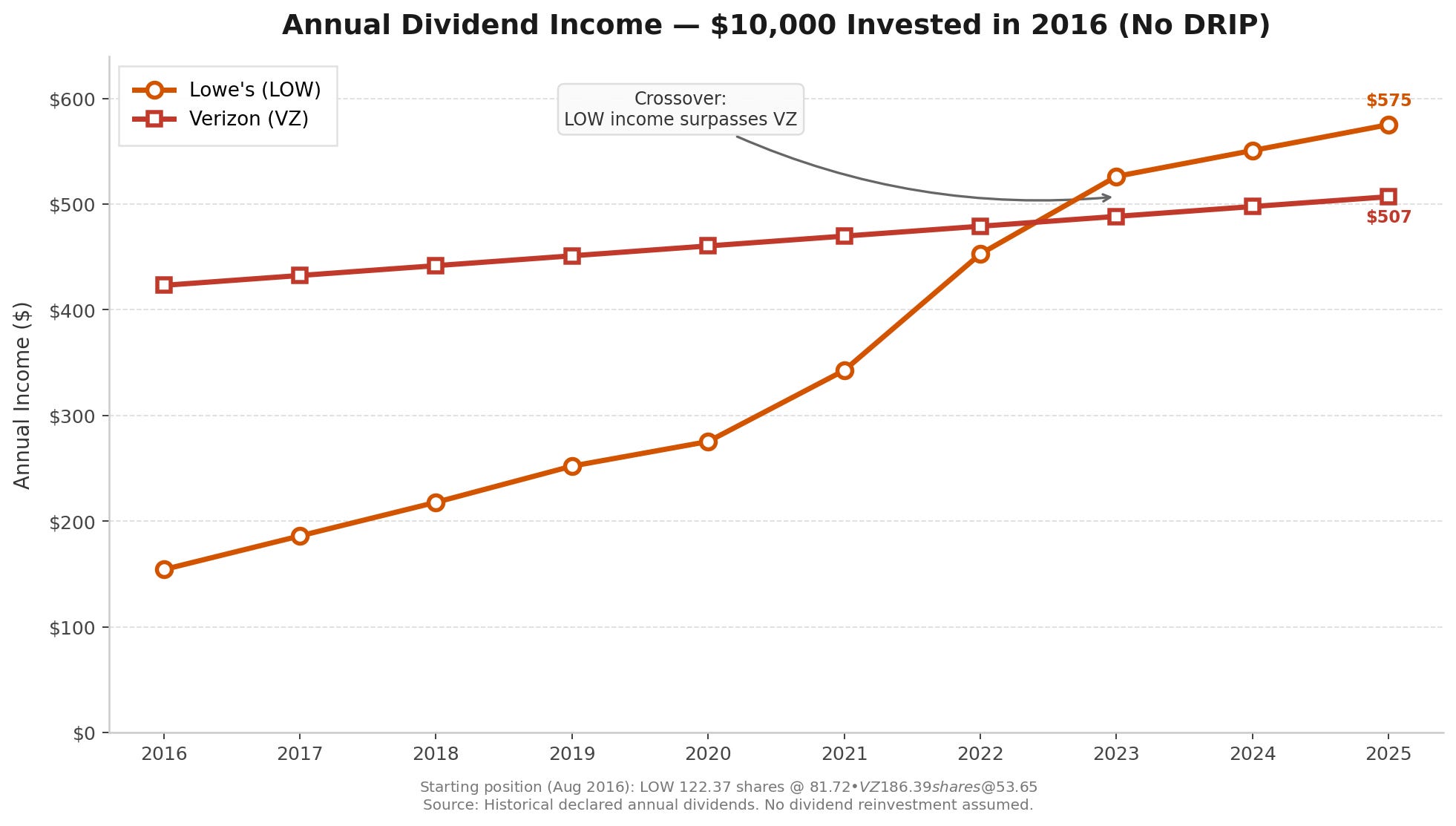
By 2024, the Lowe’s investment was generating more income than the Verizon investment because of the strong dividend growth.
Even more impressive is the yield on cost:
Lowe’s:
Bought at: $81.72
Current DPS: $4.80
Yield on Cost: 5.87%
Verizon:
Bought at: $53.65
Current DPS: $2.83
Yield on Cost: 5.27%
The Power of Secular Tailwinds
A secular tailwind is a big, long-term shift that keeps an industry growing.
Think about the aging population, the global rise of the middle class, or the transition to digital payments.
These things are structural changes that will last decades.
And when a company has one behind it, growth is much easier.
Amazon is an amazing company.
Between 2014 and today, the stock has grown at 23% per year.
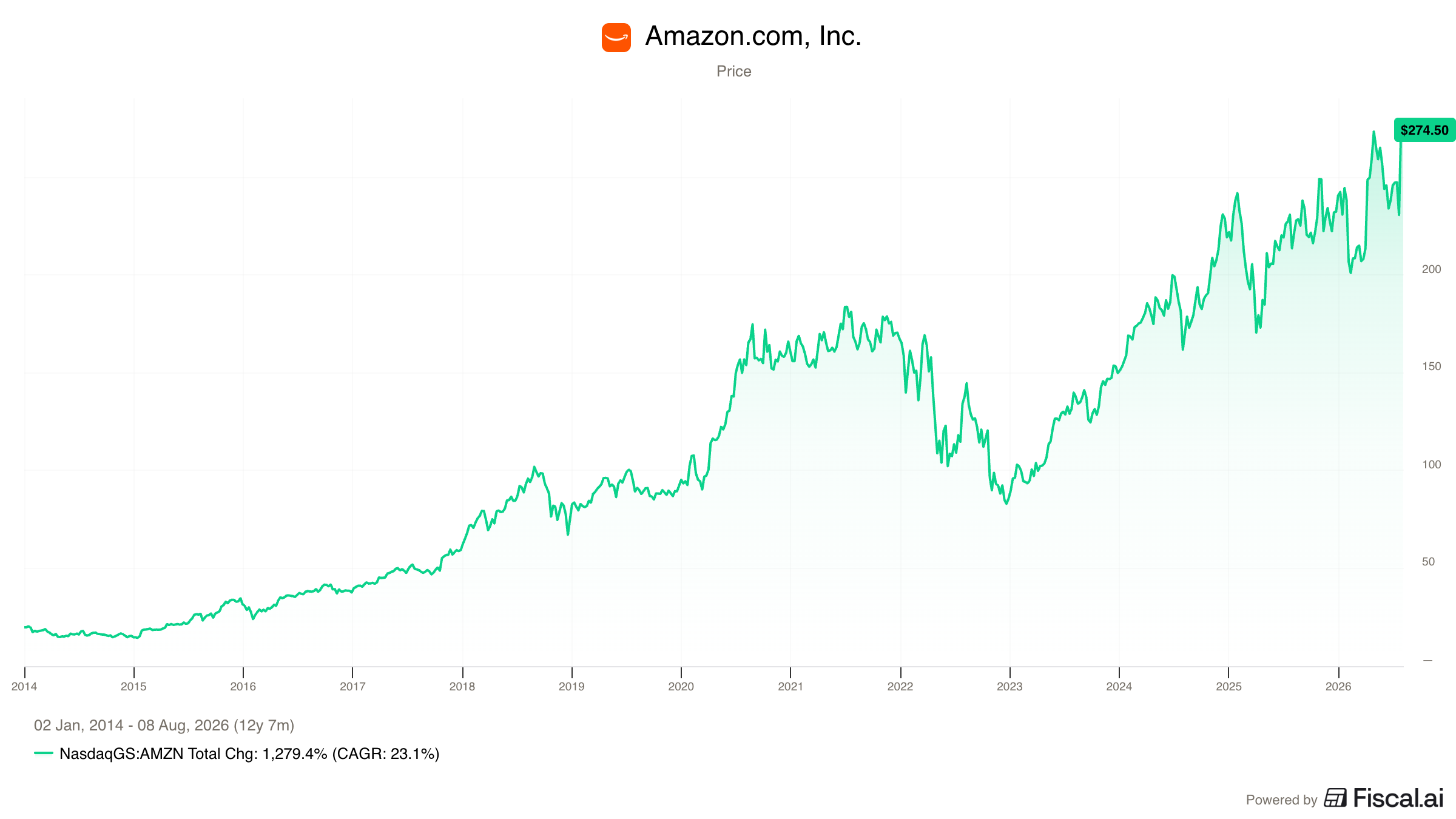
But it had the secular tailwind of e-commerce sales growing at 16% per year behind it.
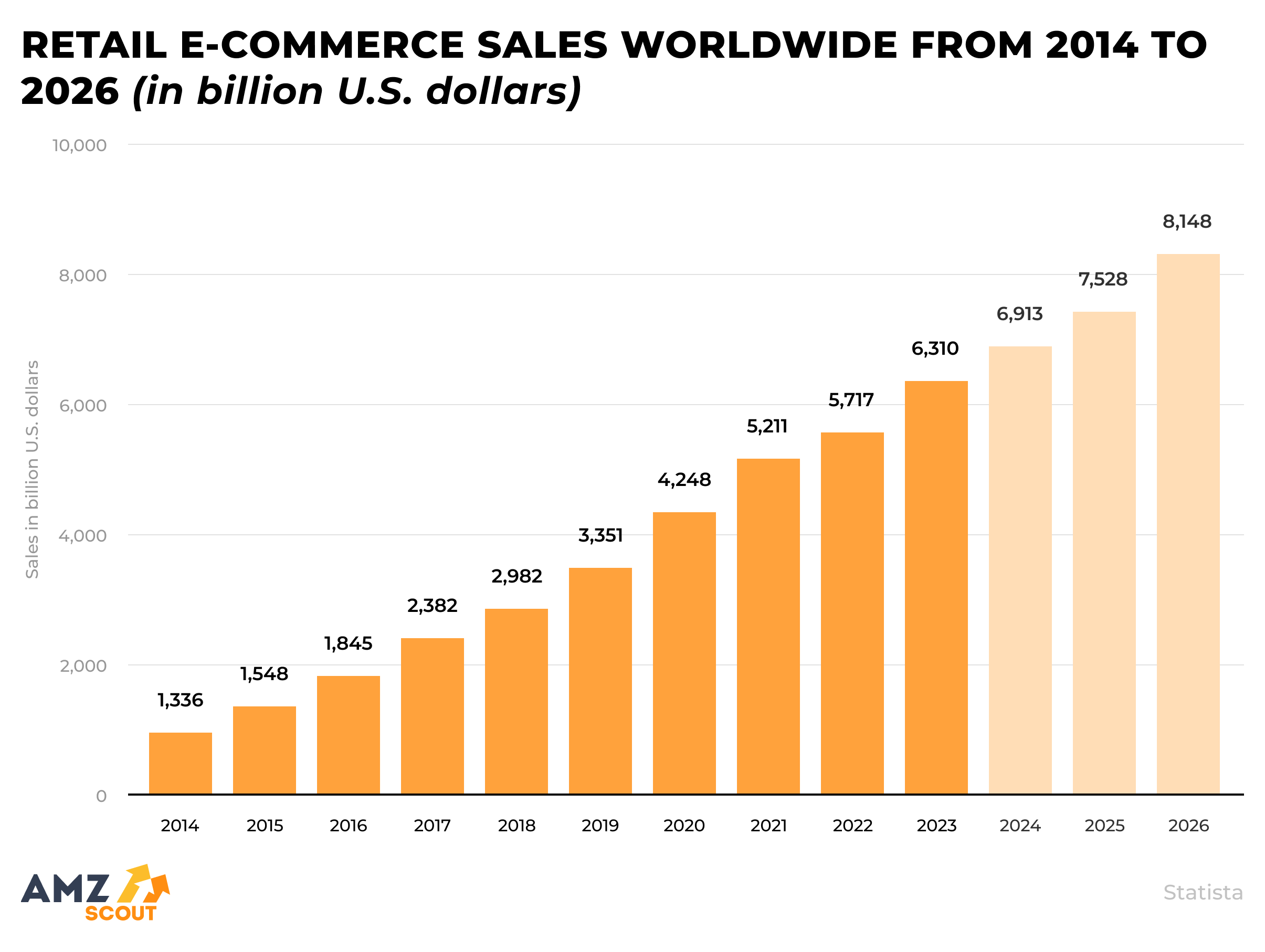
That growing trend is your friend.
Investing in a company that’s active in a growing market is better than buying one in a mature industry.
It’s even better when you invest in one that can also gain market share within that growing market.
📊 Quick Reader Poll
I’m always curious to see where the Compounding Dividends community is allocating their capital.
One Dividend At A Time,
-TJ
Used sources
Interactive Brokers: Portfolio data and executing all transactions
Fiscal.ai: Financial data
Disclaimer
As a reader of Compounding Dividends, you agree with our disclaimer. You can read the full disclaimer here.
Good read and illustration! Wish someone told me when I was younger
Great illustration of the power of patience and growth needed for dividend investing. It also further drives home, for me, Bonds are an inferior investment. Why people slavishly allocate 40% of their portfolio into an asset that is guaranteed to reduce your purchasing power over time is a mystery.