

In part 1 we talked about the increasing stress on the consumer, and how the broad index seems to be ignoring it.
In part 2 we talked about the AI Capex spending that’s propping up the index.
Today we’re going to talk about how that’s getting paid for.
The Spending is Massive
The AI buildout currently going on is expected to be the biggest infrastructure buildout in history.
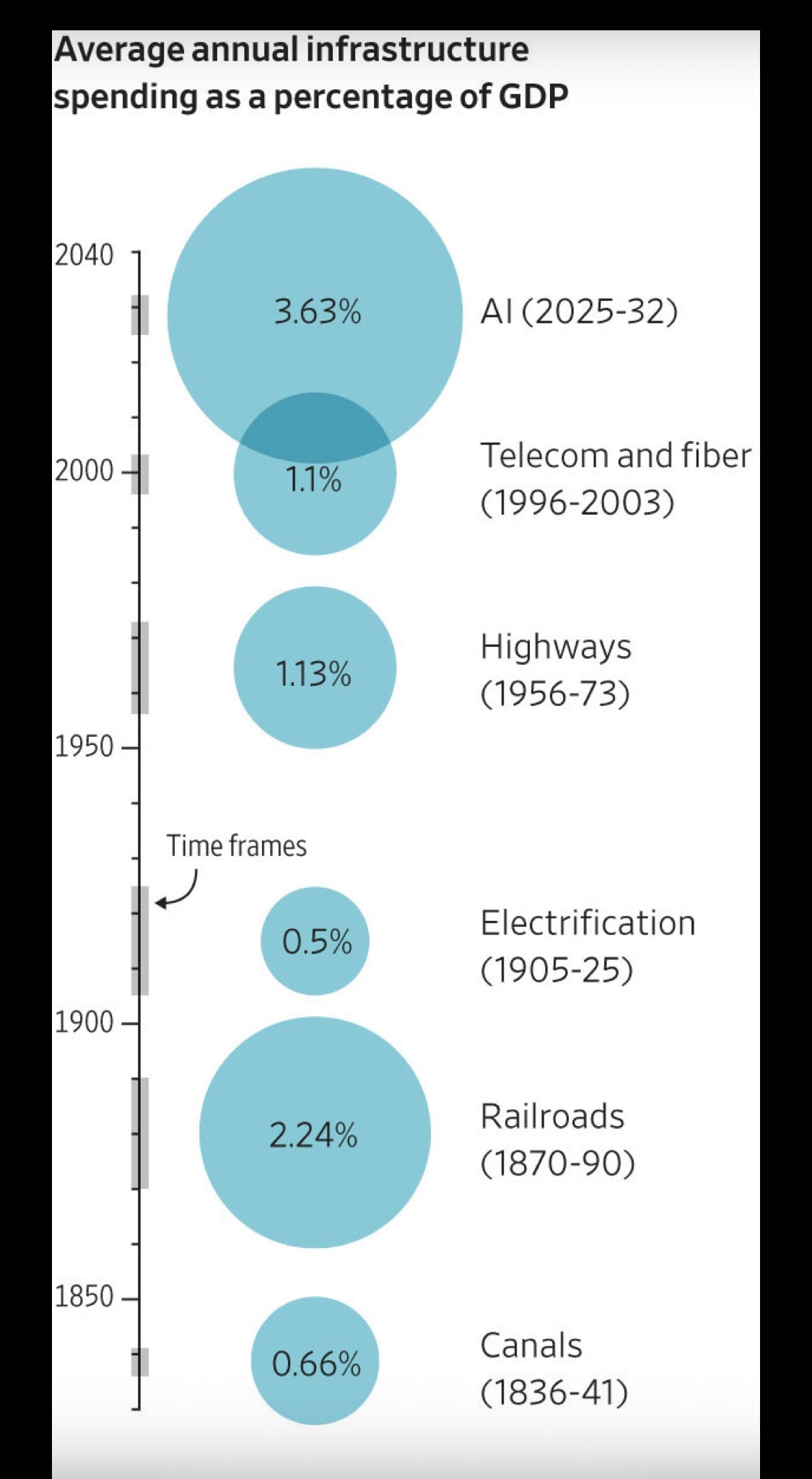
Hyperscalers like Google, Meta, Microsoft, and Oracle are expected to spend around $8000 billion this year, and more than a trillion dollars in each of the next few years on AI.
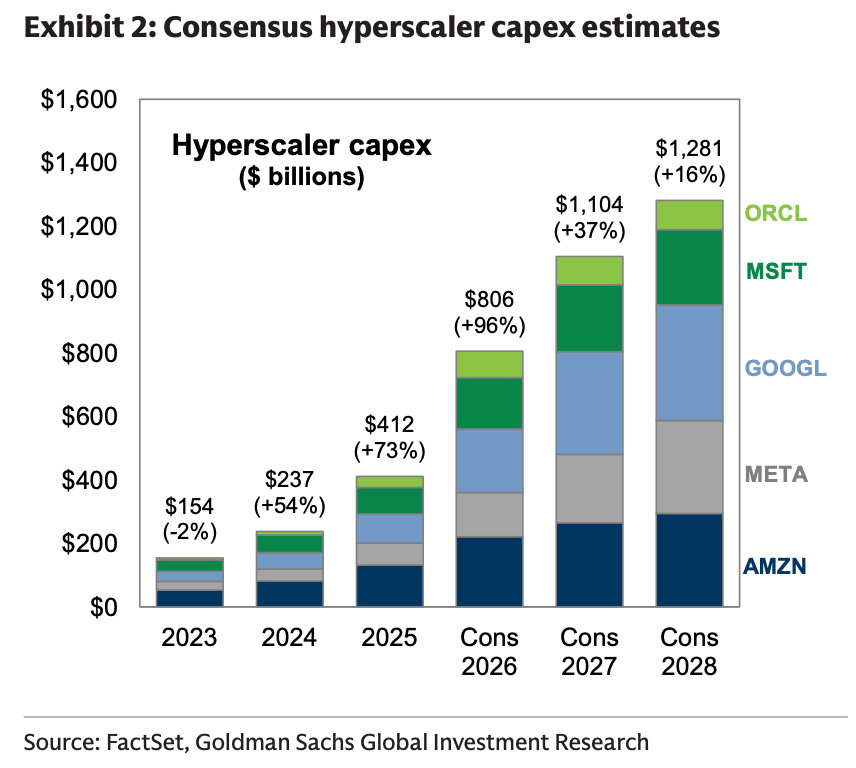
That’s going to eat up all of their free cash flow.
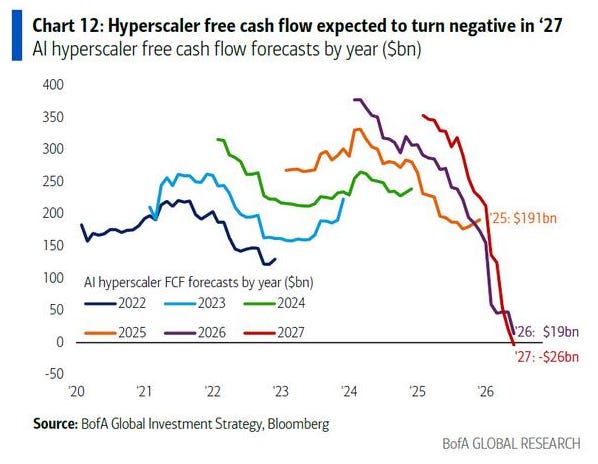
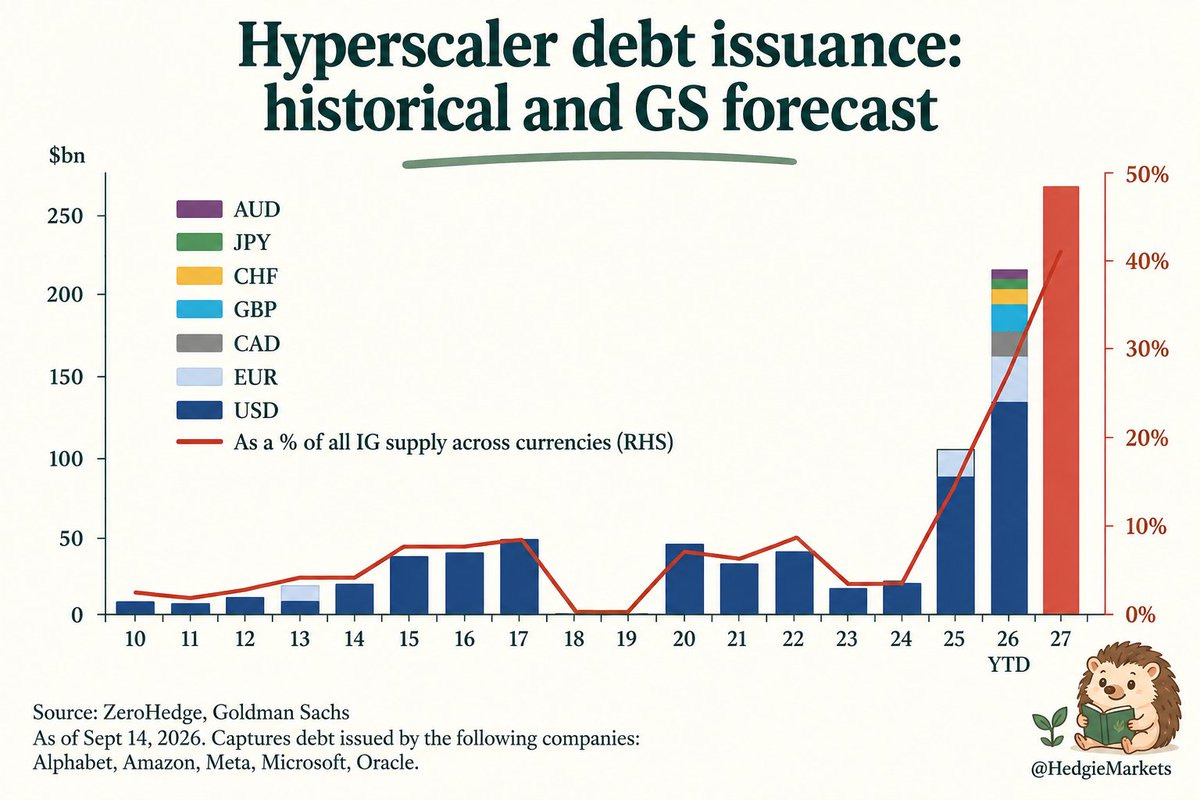
Which means they’ll be turning to debt, and a lot of it.
Circular Financing and Hidden Debt
The headline numbers for AI investment, demand and revenue are huge.
And they’re growing quickly.
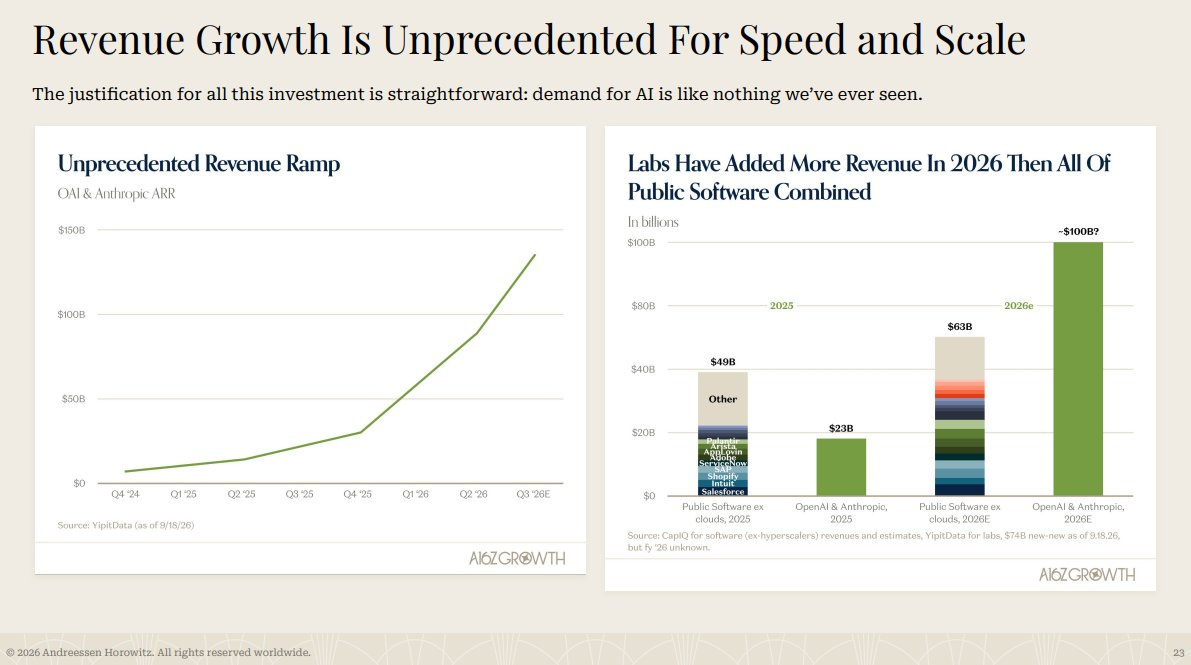
Of course, the demand and projected revenues from all this building and demand extend to suppliers, like memory companies for example.
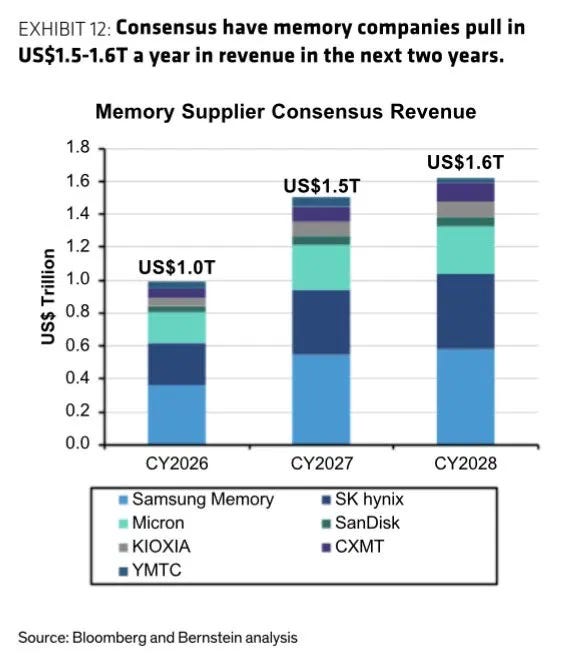
But all of that demand and revenue might not be what it seems.
A lot of this could be the industry financing itself.
Circular Deals
Let’s start with circular financing - this was huge in the 90’s fiber bubble, and it’s making a return today.
NVIDIA is really at the center of this, so let’s show you how it works with an example.
Step 1: NVIDIA invests money into AI cloud startups, like CoreWeave and give them priority access to chips, plus direct equity investments
Step 2: The startups use their NVIDIA chips as collateral to secure bank loans
Step 3: The startups use that freshly borrowed cash to buy more chips from NVIDIA
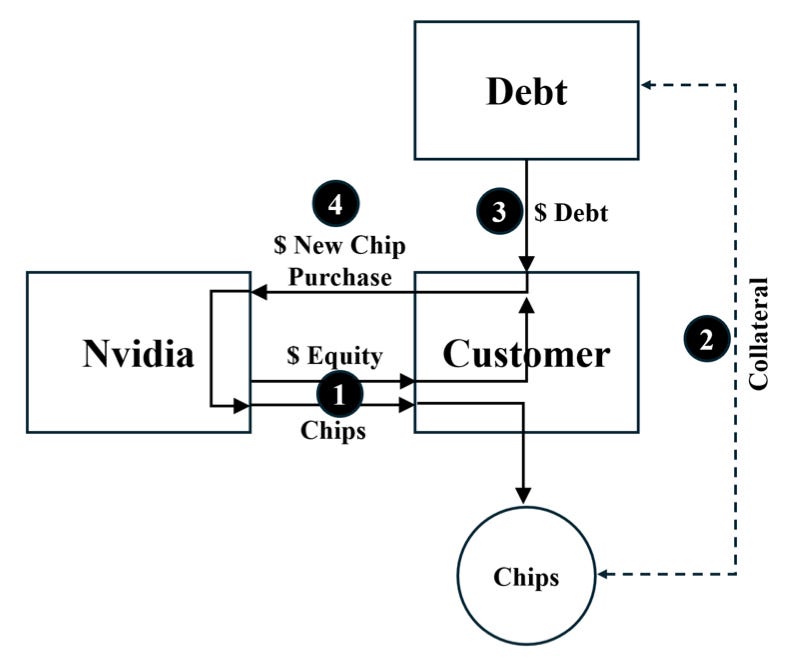
NVIDIA records these purchases as new, high-margin sales, creating an artificial revenue loop where the money is essentially just recycling through its own ecosystem.
Or we can look at the relationship between Microsoft and OpenAI.
Step 1: Microsoft invests billions of dollars into OpenAI, primarily in the form of ‘cloud credits’
Step 2: OpenAI uses that investment to commit $250 billion to Microsoft’s Azure cloud servers
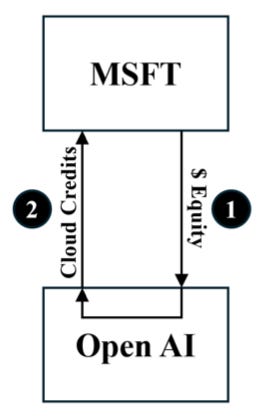
Microsoft then reports massive cloud growth, but they are essentially financing their own demand.
This circular transfer is so large that OpenAI now accounts for 45% of Microsoft’s entire commercial cloud backlog.
Hidden Debt
Then there’s the debt that’s off balance sheet.
The hyperscalers are estimated to already have more than $1 trillion in debt that doesn’t show up on their balance sheets.
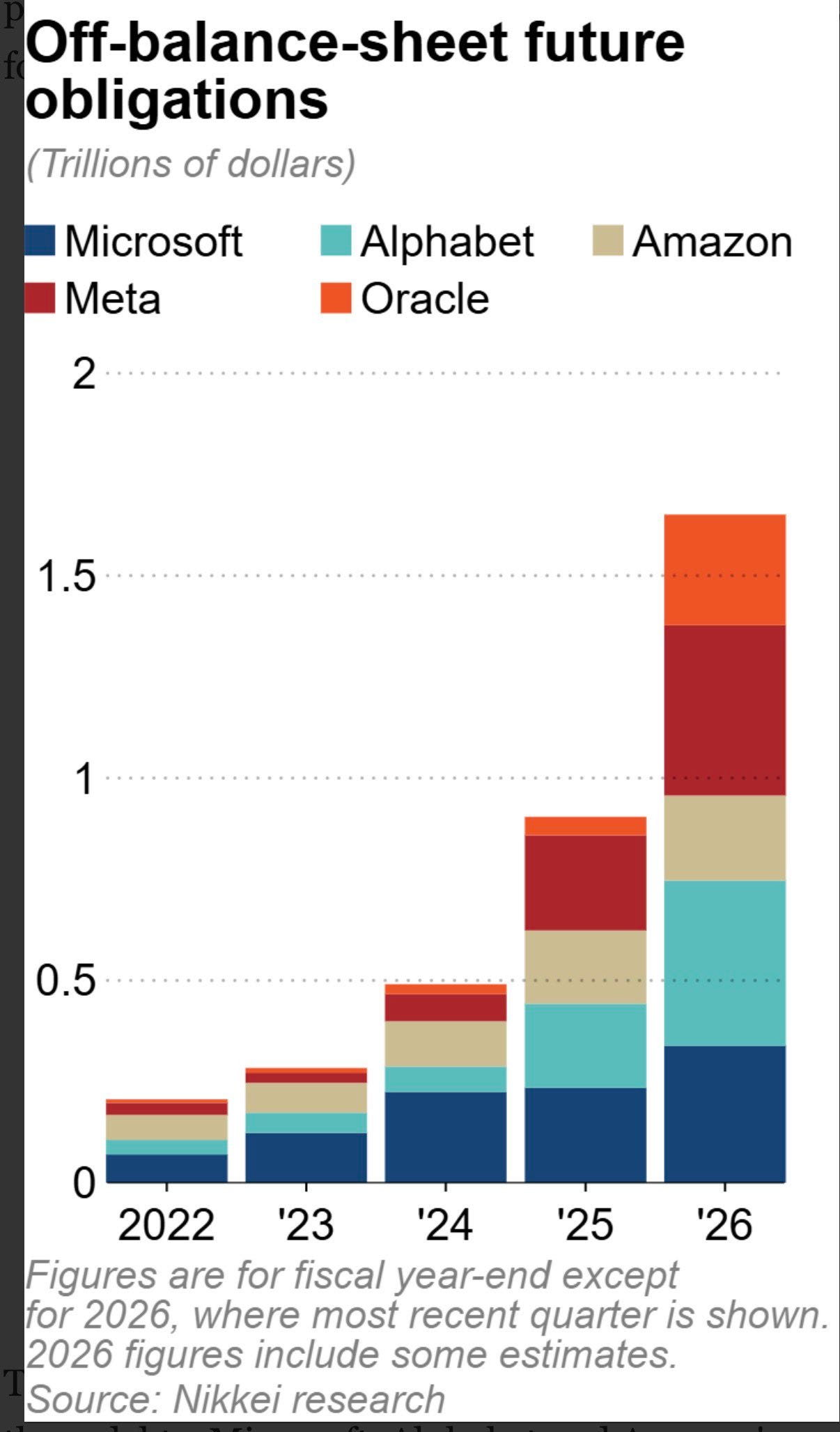
This is primarily through Special Purpose Vehicles, or SPVs.
Here’s an example of how they work:
Step 1: Meta partners with private credit firms (like Blue Owl) to build a $30 billion AI data center, but Meta only takes a 20% ownership stake in the new joint venture.
Step 2: Because Meta owns a minority stake, the $27.3 billion in debt used to build the data center is legally kept off Meta’s balance sheet.
Step 3: Meta signs a long-term triple-net lease to use the data center, making it responsible for all the costs associated with operation and upkeep
Step 4: Meta’s rent payments go to service the debt on Blue Owl’s balance sheet
Step 5: Meta also guarantees to cover the losses if the property’s value drops.
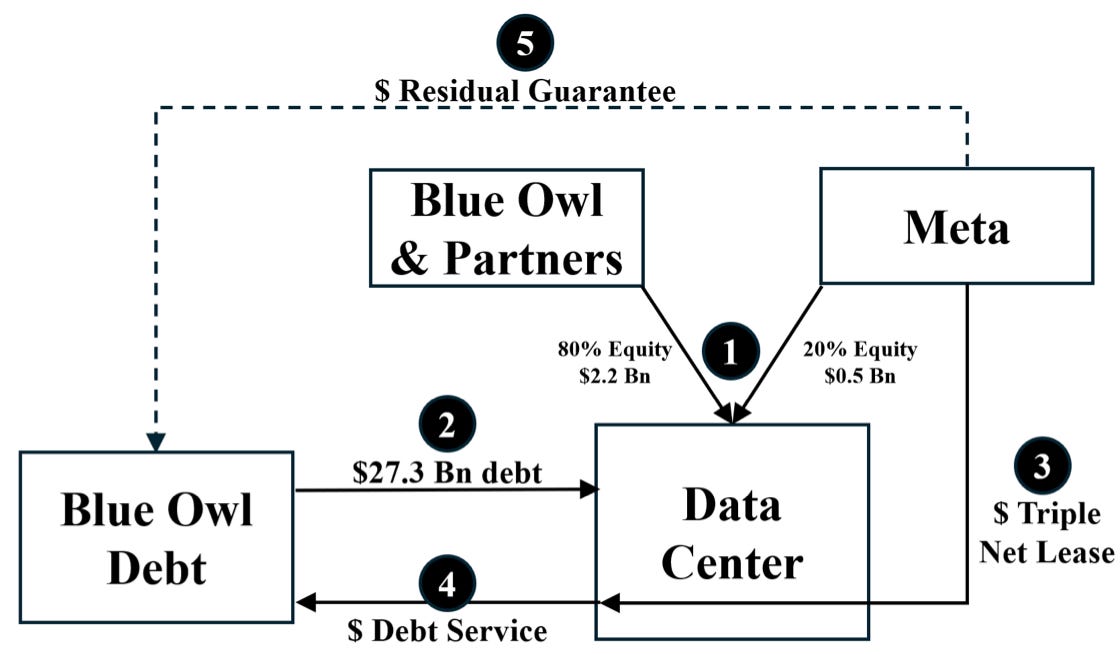
The result of all of this is that Meta takes all the actual financial risk for the debt, but hides the liability from investors.
Historical fans of these off-balance-sheet SPVs include Enron, Lehman Brothers, and First Brands.
False Demand?
There’s a phenomenon in supply chain management called the bullwhip effect.
It describes the phenomenon where small changes in demand get amplified as they go up the supply chain.
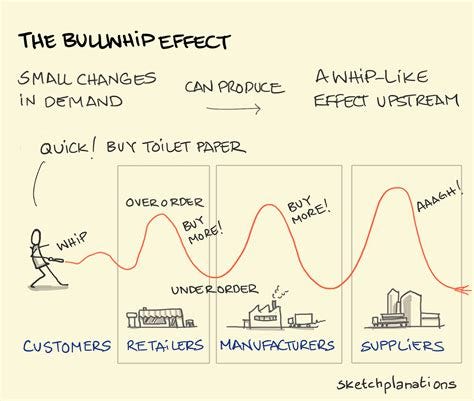
We lived through this during COVID.
In 2020, demand for Peloton bikes increased by something like 300%.

Shipping from Asia was delayed, and Peloton panicked.
They over-ordered massive amounts of inventory and even committed $400 million to build a new U.S. factory just to secure supply.

But by the time the supply chain caught up, gyms had reopened.
The ‘permanent’ demand vanished, leaving Peloton with excess bikes.
Of course they didn’t end up building the U.S. factory either.
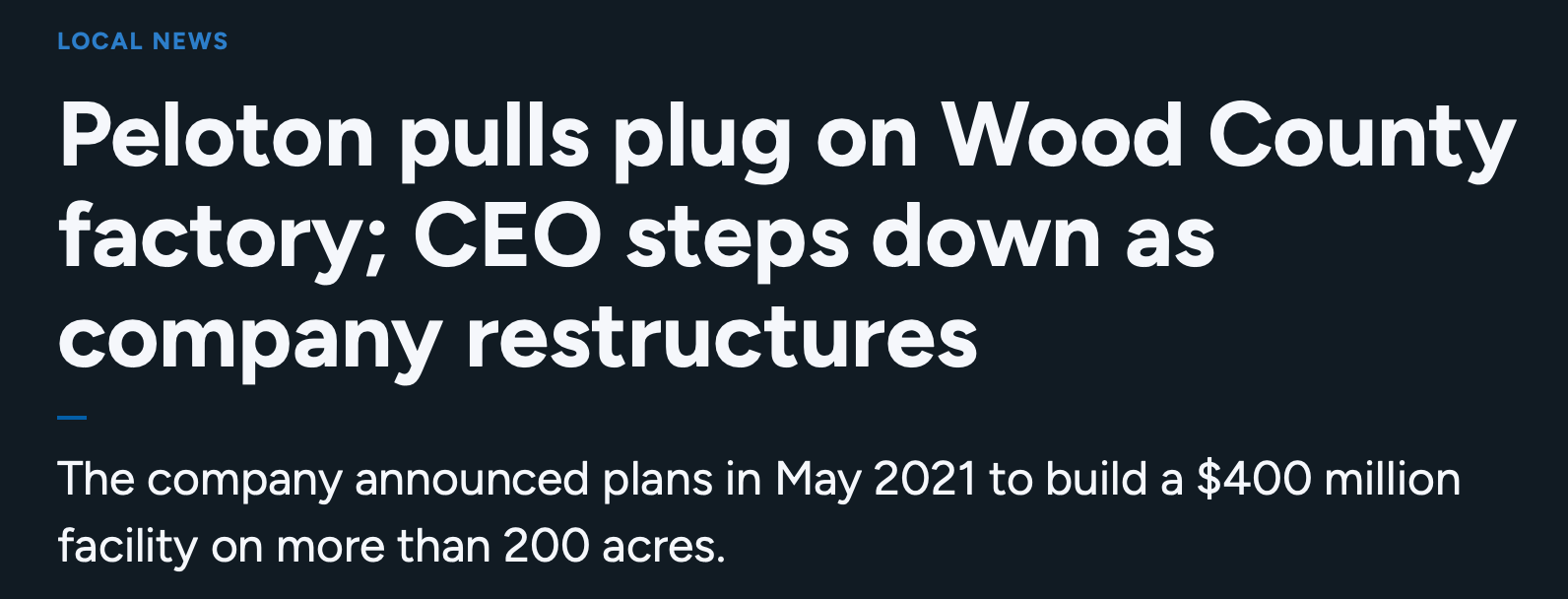
This dynamic could explain exactly why the demand for things like chips, memory, and data centers look so strong today.
Right now, everyone trying to build out AI knows that everything is in short supply.
To make sure they get what they need, they’re double ordering and hoarding.
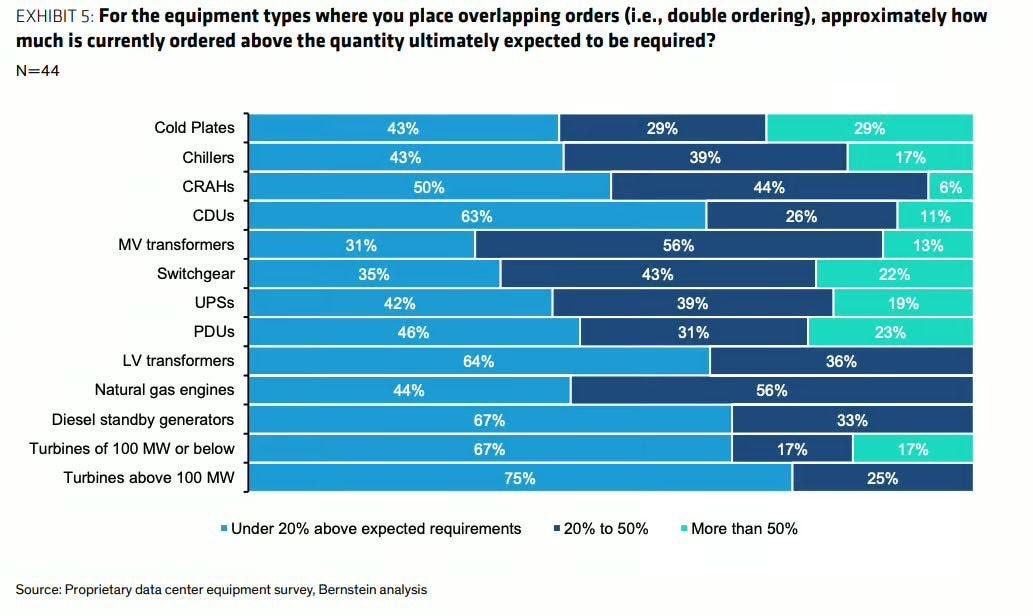
Customers are ordering more than they need, so manufacturers are making more, which puts even more strain on their suppliers.
That leads to projections of compute shortages into 2029, which of course leads to more over-ordering.
We also saw this exact same thing in 2000.
Back then, telecom companies couldn’t get Cisco routers and switches fast enough.
To guarantee supply, they placed duplicate orders, creating “phantom” order books that made demand look way higher than it really was.
The equipment makers stocks shot up because of this huge backlog.
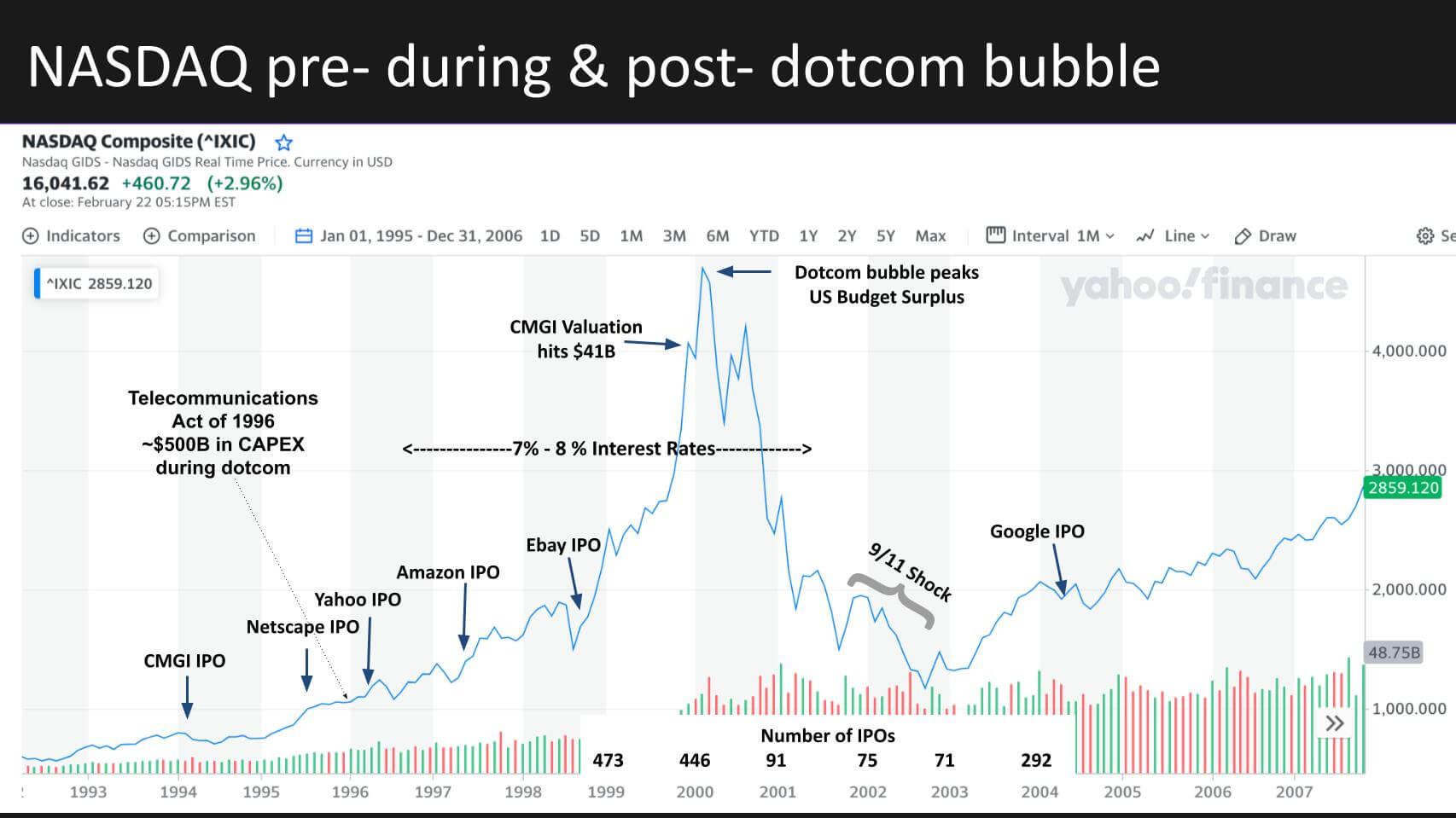
But the moment manufacturing caught up and delivery lead times started to come down, companies realized they didn’t need to hoard anymore.
The cancellations cascaded down the supply chain, and In 2001 Cisco took a $2.25 billion inventory charge.
Conclusion
When a market is driven by FOMO (Fear Of Missing Out) and not actual demand, the order backlog can be overstated.
The minute chip production catches up, or the hyperscalers realize they’ve already got enough chips, the excess demand will go away.
There’s also the possibility that the hyperscalers wind up with more chips than they can use based on some other constraint.
Like say… power.
In Part 4, we’ll look at the physical constraints that could limit the speed of the AI buildout, and the problems that a slowdown could cause.
See You There
-TJ
Used sources
Interactive Brokers: Portfolio data and executing all transactions
Fiscal.ai: Financial data
Disclaimer
As a reader of Compounding Dividends, you agree with our disclaimer. You can read the full disclaimer here.